
 English
 русский
 Deutsch
Wholesale Refrigerant Filters
As industrial pipeline projects become more focused on installation efficiency, leak management, and...

Refrigerant filters are critical components in HVAC systems that use refrigerants to transfer heat. They are designed to remove impurities, moisture, and particulate matter from the refrigerant, ensuring the system operates efficiently and with minimal wear.
1. Enhanced System Performance
One of the primary benefits of using refrigerant filters is the improvement in overall system performance. By removing contaminants, the filters help maintain the efficiency of the refrigeration cycle, which can lead to lower energy consumption and higher cooling or heating output. This is particularly important in commercial and industrial settings where energy efficiency directly impacts operational costs.
2. Prolonged Equipment Lifespan
Contaminants in the refrigerant can cause significant wear and tear on system components, such as compressors and heat exchangers. Over time, this wear can lead to decreased performance and even component failure. Refrigerant filters help to extend the life of these components by reducing the amount of abrasive particles and corrosive substances that come into contact with them.
3. Compliance with Environmental Regulations
Many countries have strict regulations regarding the release of refrigerants into the atmosphere, especially those that are ozone-depleting or have high global warming potential. Refrigerant filters can help to contain refrigerant leaks and reduce the environmental impact of HVAC systems, ensuring compliance with these regulations.
4. Improved Indoor Air Quality
In some systems, particularly those that involve the circulation of air, the presence of contaminants in the refrigerant can lead to poor indoor air quality. Refrigerant filters help to prevent the circulation of these contaminants, contributing to a healthier indoor environment.
5. Cost-Effective Maintenance
Regular maintenance of HVAC systems often includes the replacement of filters. While this may seem like an additional cost, the long-term benefits of using refrigerant filters can outweigh the initial expense. By reducing the need for more extensive repairs or replacements of system components, filters can save money in the long run.
6. Compatibility with Various Systems
Refrigerant filters are designed to be compatible with a wide range of HVAC systems, regardless of the specific refrigerant used. This versatility makes them a practical solution for a variety of applications, from residential air conditioning units to large-scale commercial refrigeration systems.
7. Easy Installation and Replacement
Many refrigerant filters are designed for easy installation and replacement, requiring minimal downtime for maintenance. This feature is particularly beneficial for businesses that rely on their HVAC systems for day-to-day operations, as it minimizes disruption.
8. Protection Against Moisture and Acid
Refrigerant filters often include desiccant materials that absorb moisture, preventing it from entering the system and causing damage. Additionally, some filters are designed to neutralize acids that can form as a result of refrigerant degradation, further protecting system components.
9. Customizable Filtration Options
Refrigerant filters come in various sizes and filtration ratings, allowing system operators to choose the level of filtration that nice suits their specific needs. This customization ensures that the filter is effective in removing contaminants without unnecessarily restricting the flow of refrigerant.
In conclusion, refrigerant filters offer a range of benefits that make them an essential component in the maintenance and operation of HVAC systems. Their ability to improve system performance, extend equipment life, comply with environmental regulations, and enhance safety makes them a valuable investment for any facility that relies on refrigeration or air conditioning.
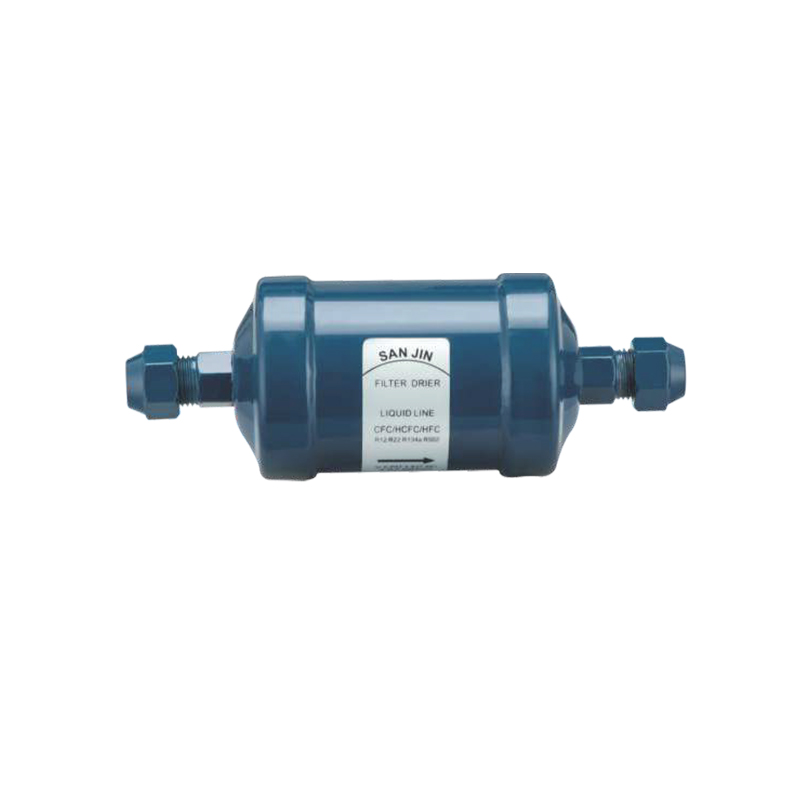
The Efficient Automatic Compression Drier Filter is a sophisticat...
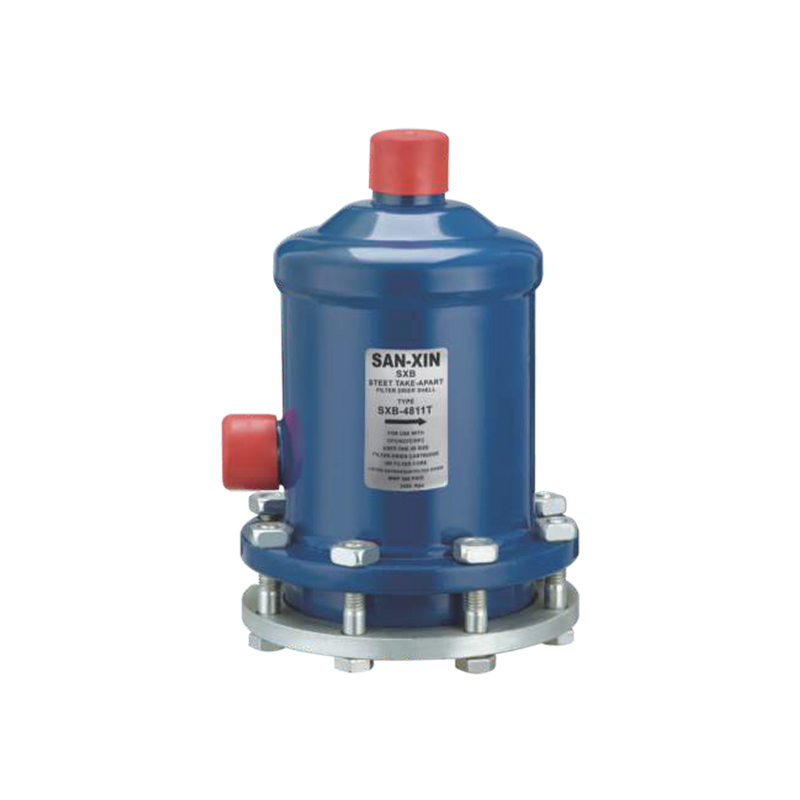
The Durable Nickel Plated Refrigerant Drier Filtration Tube is a ...
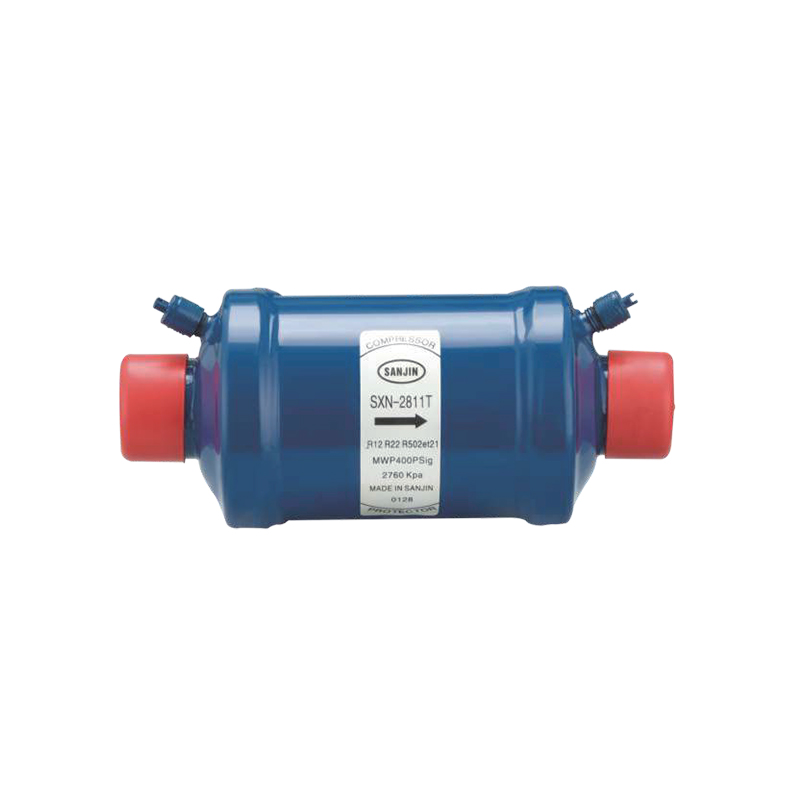
The Refrigeration Copper Interface Absorbing Gas Pipelines Filter...
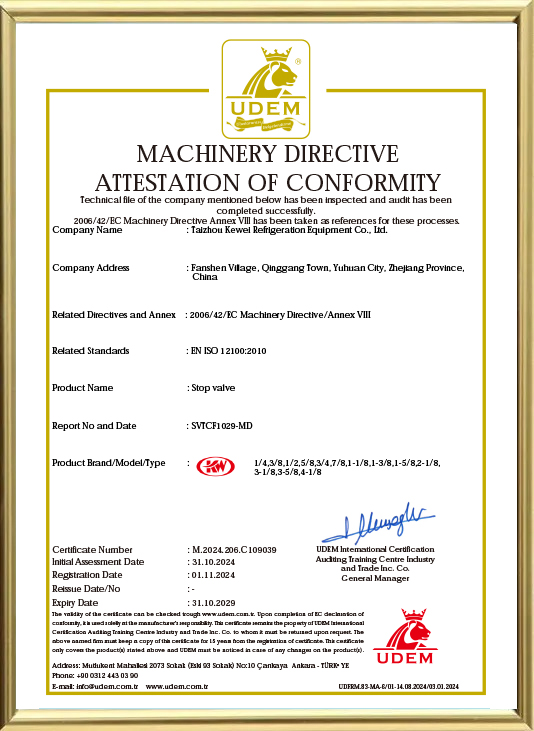
As industrial pipeline projects become more focused on installation efficiency, leak management, and...
As pipeline operators and industrial buyers place greater emphasis on leak prevention, service life,...
As industrial fluid systems become more focused on reliability, maintenance planning, and applicatio...
As industrial equipment becomes more compact and application-focused, component selection has become...
The demand for specialized fluid control components is increasing as industries continue to develop ...
As industries continue to develop more precise and efficient fluid control solutions, valve selectio...
The growing demand for compact industrial equipment, customized machinery, and efficient fluid manag...
With the rapid expansion of global food distribution networks, pharmaceutical logistics hubs, and cr...
In recent years, cold chain logistics has shifted from manual temperature checking to fully data-dri...
In today’s global food logistics, pharmaceutical distribution, and industrial preservation sectors, ...




Refrigerant Filter Drier in China