
 English
 русский
 Deutsch
Industry News
Home / News / Industry News / Why Are Refrigeration Systems Increasingly Specified With Welded Connections?

 By Admin
Cold storage operators, food processing plants, and industrial refrigeration contractors are under growing pressure to reduce leak points across ammonia, CO2, and other refrigerant piping systems. As low-temperature circuits become more compact and pressure-sensitive, valve construction has become a more visible part of system design rather than an afterthought. A Welded Ball Valve is increasingly considered for refrigeration piping where a tight, low-leakage connection between the valve and the pipeline is essential to system reliability.
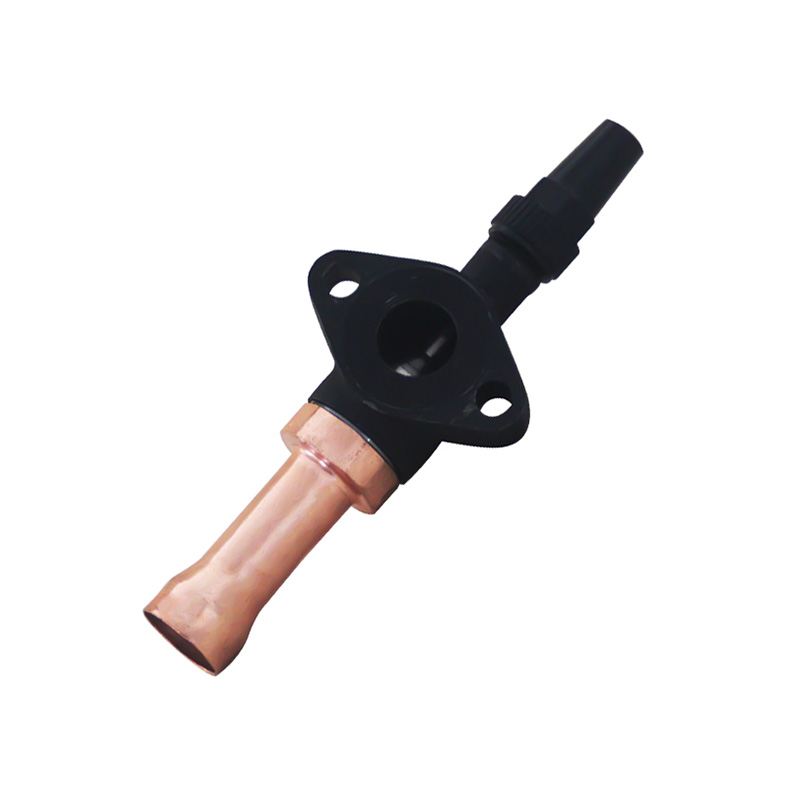
Refrigerant leakage rarely originates from the valve body itself. In most cases, it develops gradually at connection points where thermal cycling, vibration, or pipe movement places repeated stress on threaded or flanged joints. A welded connection removes several of these external joints entirely, giving the piping system fewer locations where seals can degrade over time. For contractors working on ammonia or CO2 circuits, this structural difference is one reason welded valves are being requested more frequently during system upgrades.
Refrigeration piping does not behave like standard water or gas service. Repeated thermal contraction and expansion can loosen mechanical joints that would otherwise remain stable in ambient-temperature applications. Ball and seat materials also need to remain dimensionally stable and maintain sealing contact as temperatures shift. Selecting a valve without confirming its behavior under cyclic low-temperature conditions can lead to sealing problems that only appear after the system has been running for some time.
Before specifying a welded ball valve for a refrigeration project, engineers and procurement teams generally need to confirm several details with the manufacturer:
Providing this information early allows the manufacturer to recommend a configuration suited to the actual refrigeration duty rather than a generic industrial specification.
Refrigeration circuits with automated controls may cycle valves far more often than a typical isolation valve in general piping service. Under this kind of repeated operation, ball roundness, surface finish, and seat contact need to remain consistent, or torque requirements and sealing performance can drift over time. Manufacturing control during machining and assembly plays a direct role in how predictably the valve behaves once it is in continuous service.
Even a well-manufactured valve depends on correct welding procedure and pipeline alignment during installation. Poor alignment can introduce stress into the valve body that no amount of material selection can compensate for. Contractors should treat weld preparation, fit-up, and post-weld inspection as part of the overall reliability of the connection, not a separate step disconnected from valve selection.
There is no single valve configuration that suits every refrigeration application. Ammonia systems, CO2 systems, and secondary glycol loops each place different demands on materials and sealing components. Working with a manufacturer that reviews the refrigerant, operating temperature, pressure class, and connection requirements before production helps avoid mismatches that only surface after startup.
As a manufacturer serving refrigeration equipment projects, Taizhou Kewei Refrigeration Equipment Co., Ltd. approaches valve selection from the perspective of the complete refrigeration circuit rather than an isolated component. For contractors and engineering buyers evaluating a Welded Ball Valve for ammonia, CO2, or other low-temperature applications, confirming material compatibility, weld dimensions, and cycling requirements in advance remains the most practical way to reduce leak risk and support dependable long-term operation.
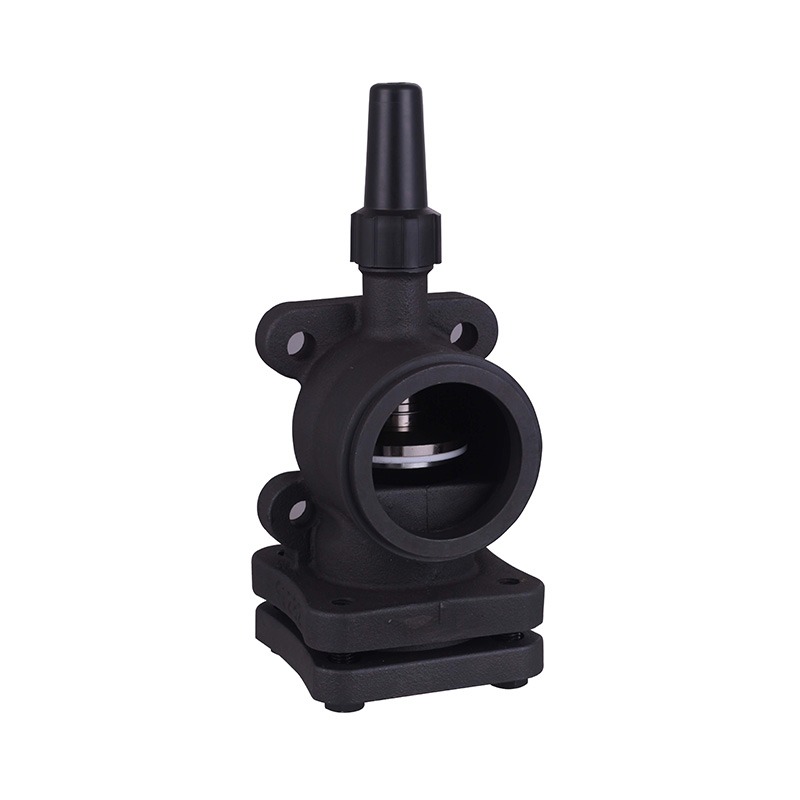 Compressor Refrigeration Cast Iron Shut-Off Vale
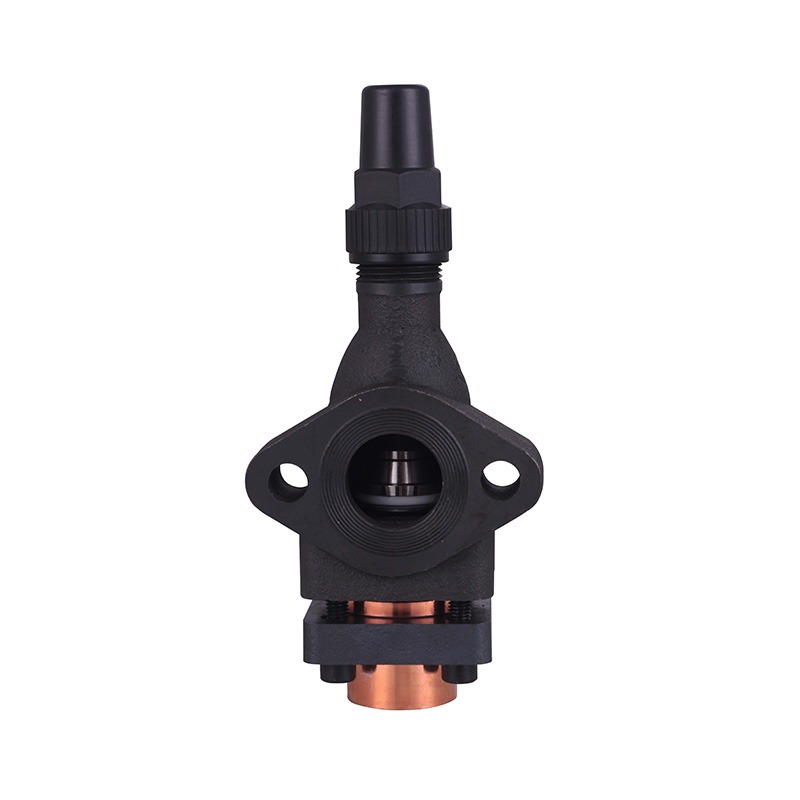 High Quality Refrigeration Cast Iron Shut-Off Vale
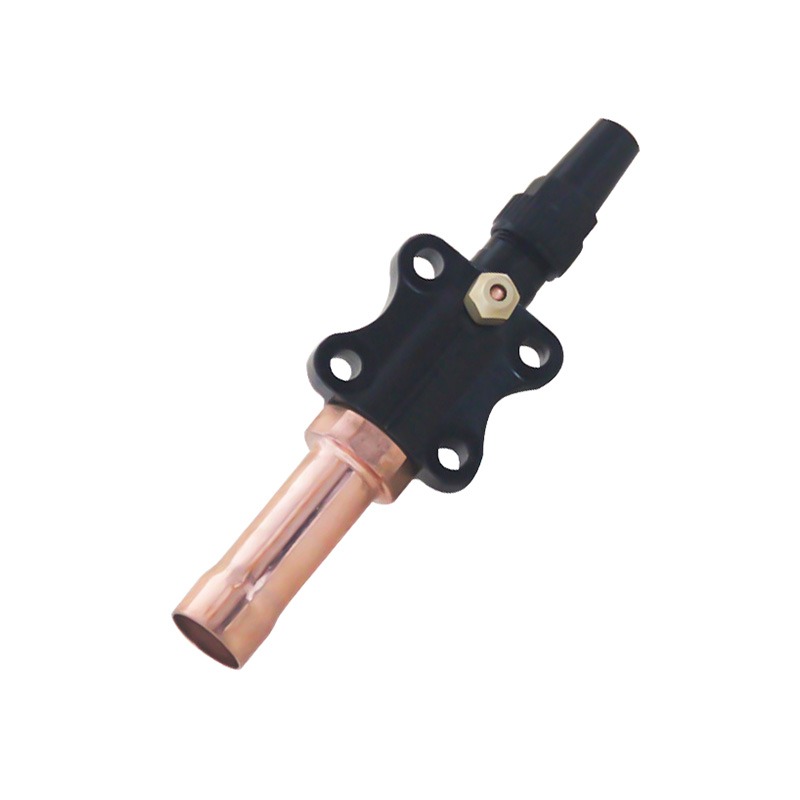 Compressor Refrigeration Copeland Brass Stop Valve
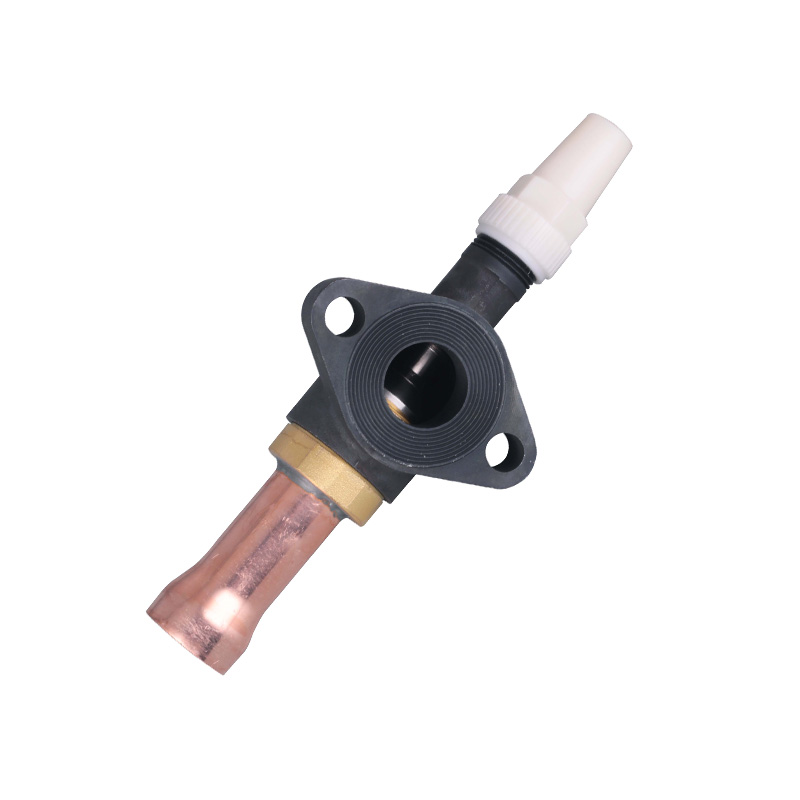 Refrigerant Copeland Brass Stop Valve
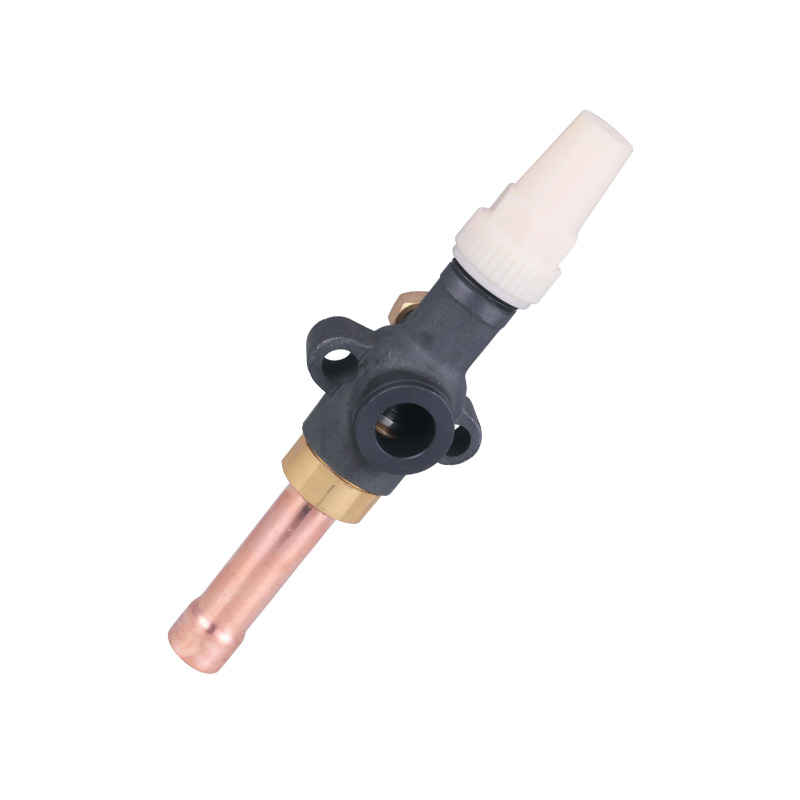 Refrigeration Compressor Copeland Brass Stop Valve
Refrigeration Copeland Brass Stop Valve
Refrigeration Compressor Copeland Brass Stop Valve
Refrigeration Copeland Brass Stop Valve
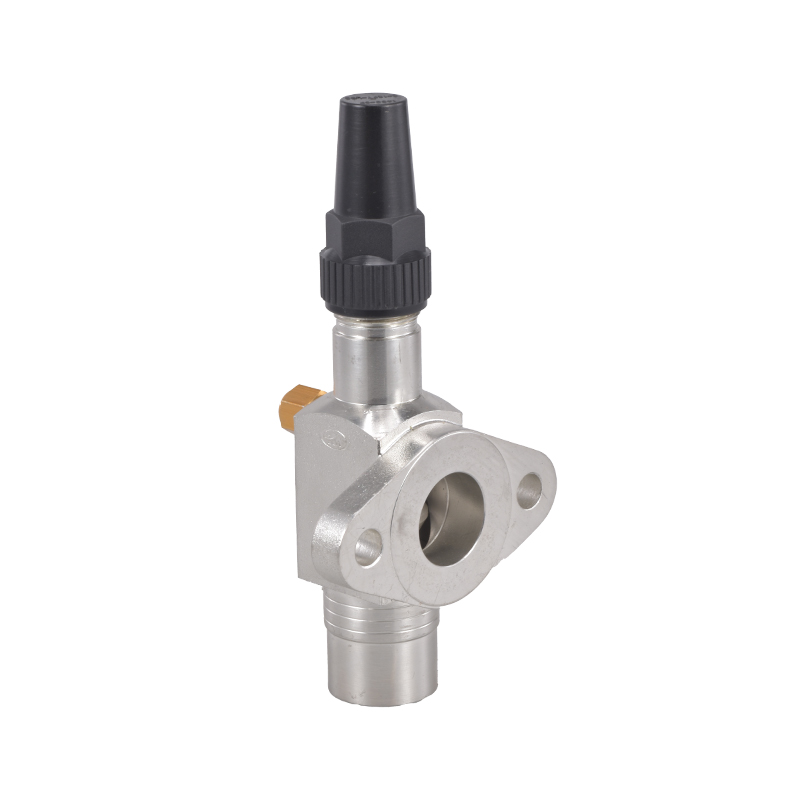 Compressor Refrigeration System Oval Flange
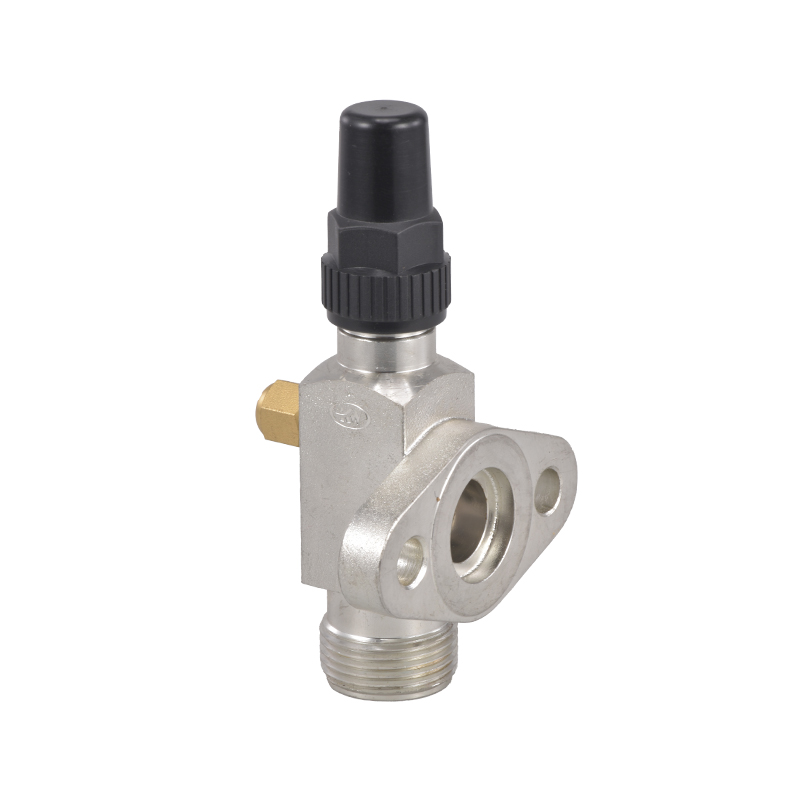 Refrigeration Valve with an Oval Flange




Wholesale Refrigeration Equipment Manufacturer