
 English
 русский
 Deutsch
Industry News
Home / News / Industry News / Should Vacuum Pump Performance Be Checked Separately From Refrigeration System Conditions?

 By Admin
During refrigeration system service, an unsatisfactory vacuum does not always mean that the Vacuum Pump has a problem. The pump, hoses, fittings, measuring instruments, and refrigeration circuit can all influence the final result. For engineers and purchasing teams, this makes it important to understand the difference between pump performance and system conditions. A suitable evacuation process should therefore evaluate the equipment and the system separately rather than relying on a single vacuum reading.
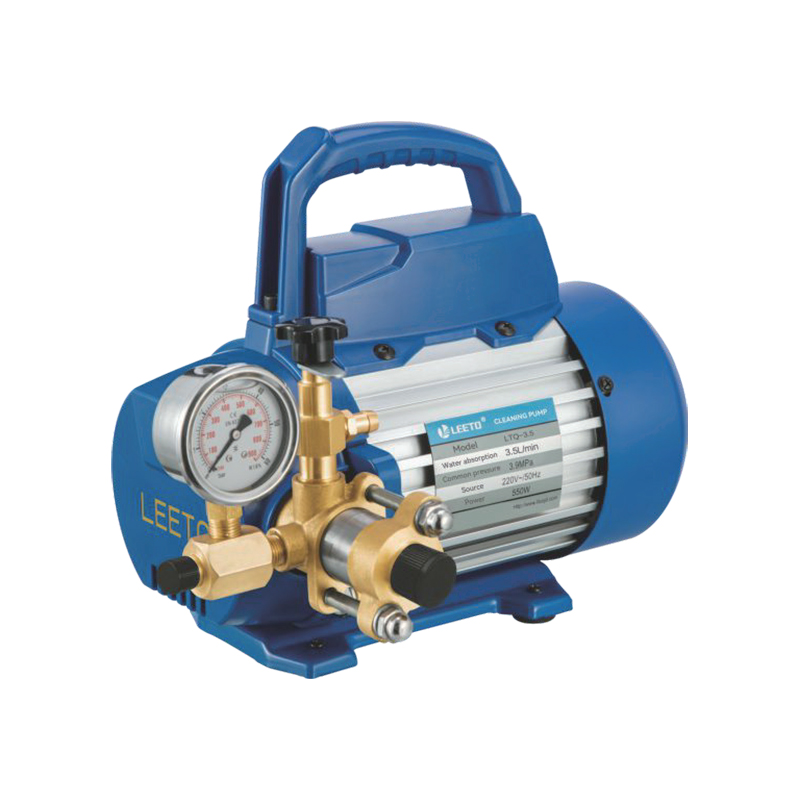
Before investigating the refrigeration circuit, technicians can first confirm whether the evacuation equipment is working as expected. A pump that is operating correctly should be able to create a suitable vacuum when connected through an appropriate test arrangement.
The connection itself also deserves attention. Loose fittings, damaged seals, unsuitable hoses, or restricted passages can affect evacuation performance. In some cases, the equipment may be functioning normally while the connection setup is limiting the result.
A vacuum reading is only useful when it represents the condition that technicians actually need to evaluate. Measuring too close to the pump may provide information about the pump and evacuation line without accurately showing what is happening inside the refrigeration system.
For practical service work, the measurement point should be selected according to the system configuration and the testing procedure. This helps engineers distinguish between a pump-side reading and the actual vacuum condition of the system.
Another useful step is to isolate the refrigeration system from the Vacuum Pump after an appropriate evacuation stage. The pressure behavior after isolation can provide additional information.
A pressure increase does not automatically identify one specific fault. Possible factors include:
The purpose of this observation is not to diagnose every problem from one reading, but to give technicians another indication of whether further investigation is necessary.
Moisture can make evacuation more difficult and can also affect vacuum stability. This is especially relevant after a system has been opened for repair or installation.
If the pump is operating correctly but the system continues to show unstable vacuum behavior, technicians should consider whether moisture or another system-side condition is involved before replacing the pump.
A controlled evacuation process gives the technician a better opportunity to determine whether the vacuum condition is improving as the system is processed.
Troubleshooting does not always require complicated equipment. Basic inspection of the evacuation setup can eliminate several possible causes.
A practical check can include:
These checks are particularly useful for maintenance teams because they help separate equipment problems from installation or service problems.
Different refrigeration systems can have different internal volumes, piping arrangements, components, and service conditions. Therefore, one evacuation routine should not automatically be treated as suitable for every application.
From a manufacturer’s perspective, Vacuum Pump performance should be considered together with the intended refrigeration application. Engineers evaluating equipment can pay attention to pump construction, operating requirements, connection compatibility, maintenance needs, and the measurement method used during evacuation.
This approach provides a more practical basis for equipment selection than looking at pump performance alone.
A reliable evacuation process is not simply about connecting a Vacuum Pump and waiting for a low reading. The equipment should be checked, the evacuation connections should be properly arranged, and the system condition should be measured independently. After evacuation, pressure behavior can then be evaluated before the next service step.
For overseas refrigeration equipment buyers, this distinction is important when selecting a Vacuum Pump for professional applications. A manufacturer that understands the relationship between pump operation, system conditions, connections, and vacuum measurement can better support engineers in building a consistent and practical refrigeration service process.
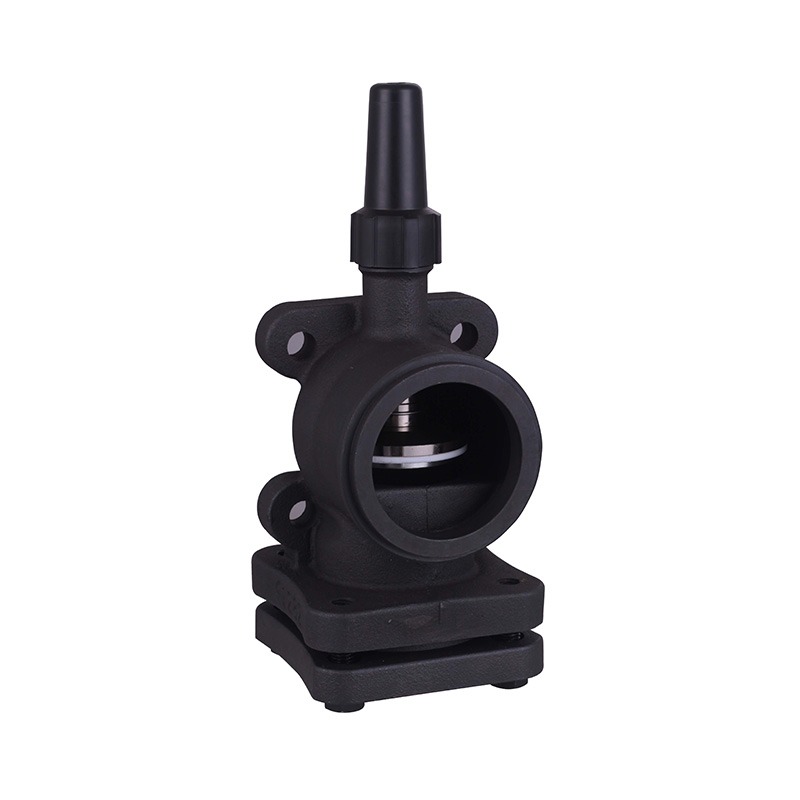 Compressor Refrigeration Cast Iron Shut-Off Vale
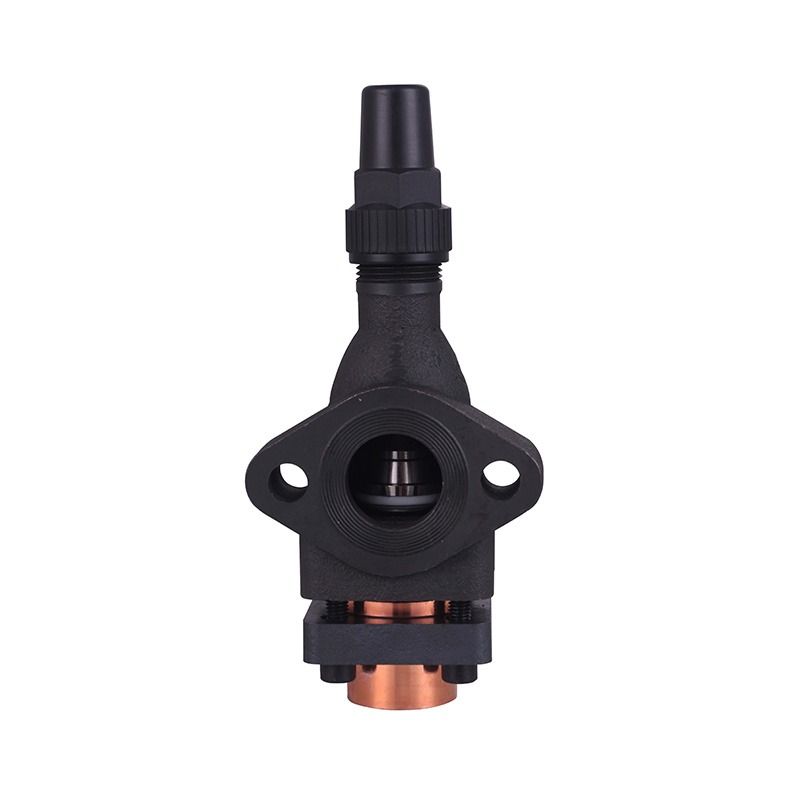 High Quality Refrigeration Cast Iron Shut-Off Vale
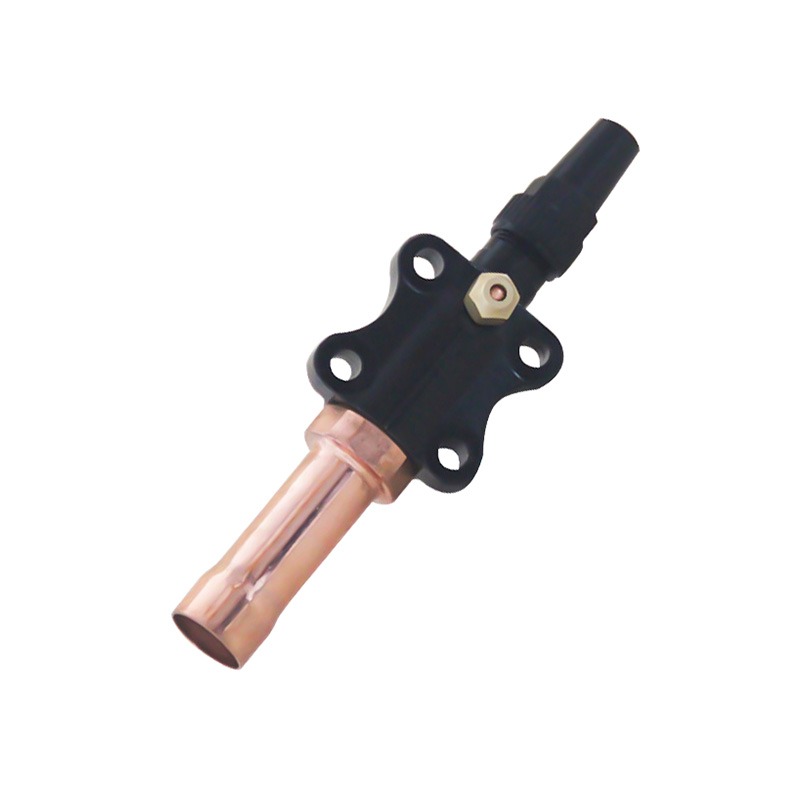 Compressor Refrigeration Copeland Brass Stop Valve
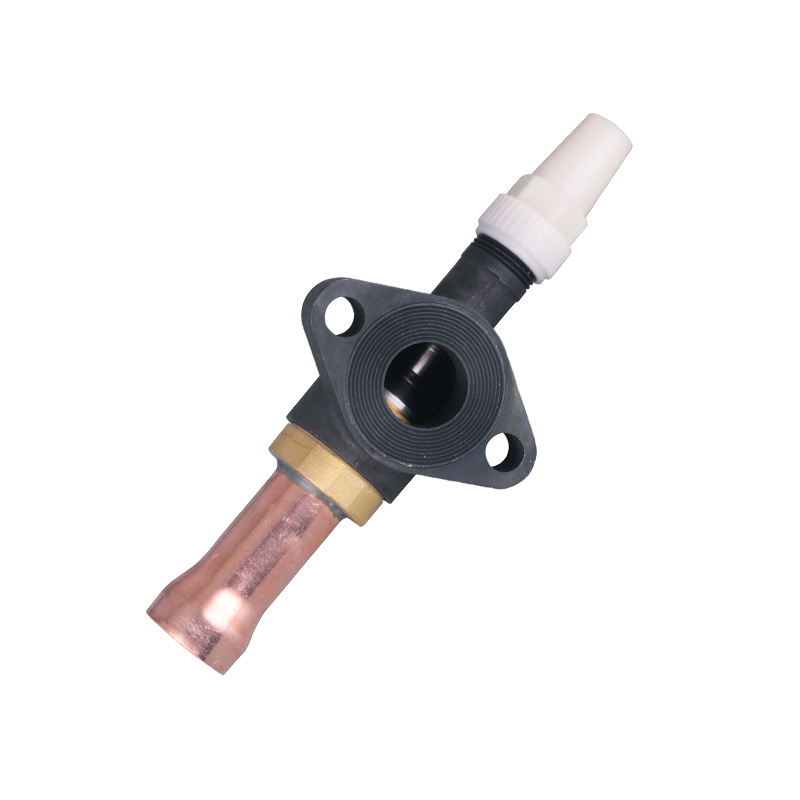 Refrigerant Copeland Brass Stop Valve
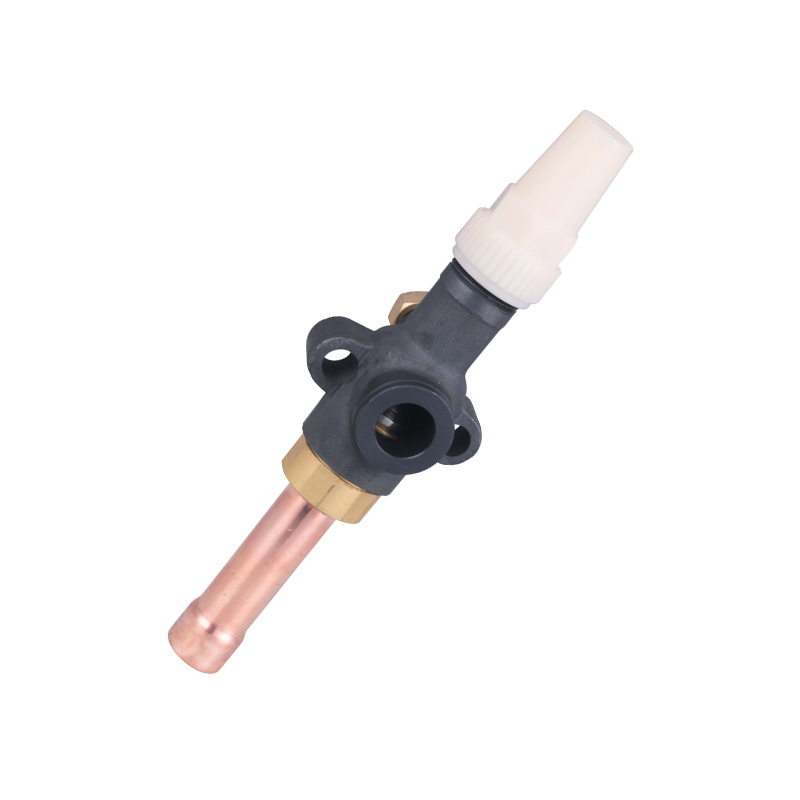 Refrigeration Compressor Copeland Brass Stop Valve
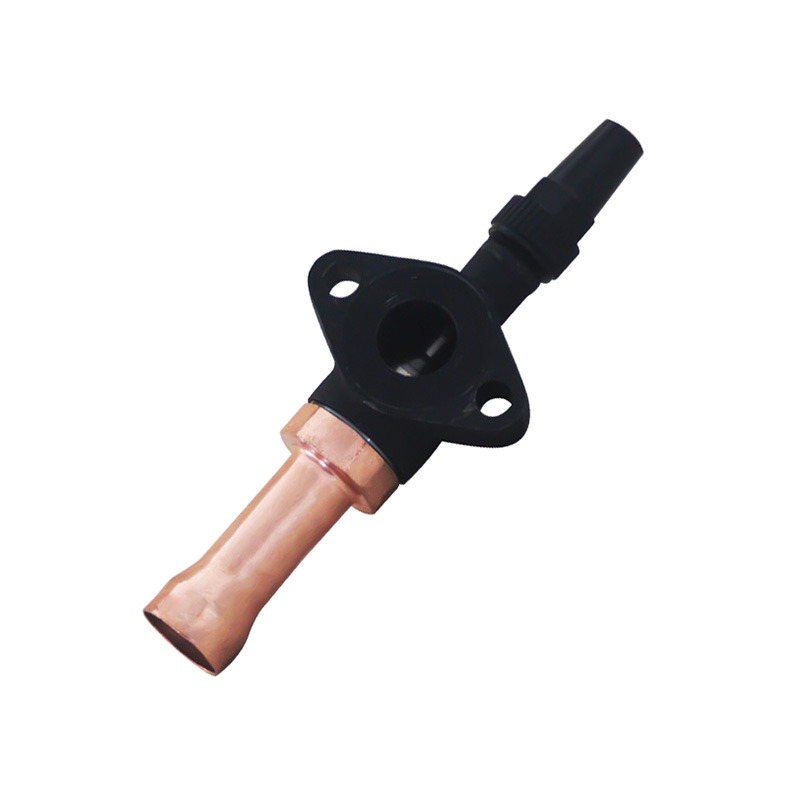 Refrigeration Copeland Brass Stop Valve
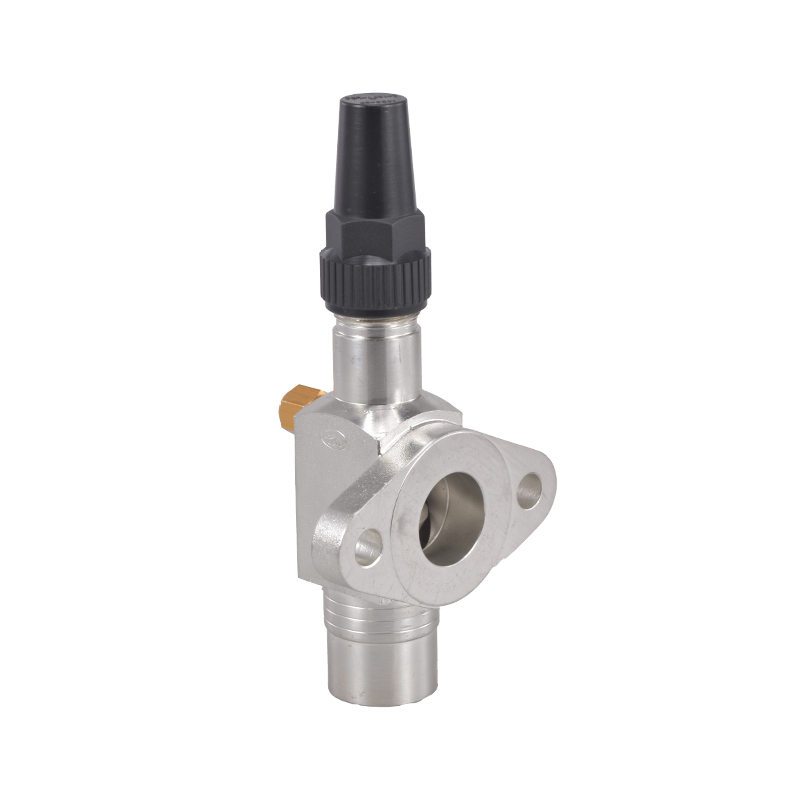 Compressor Refrigeration System Oval Flange
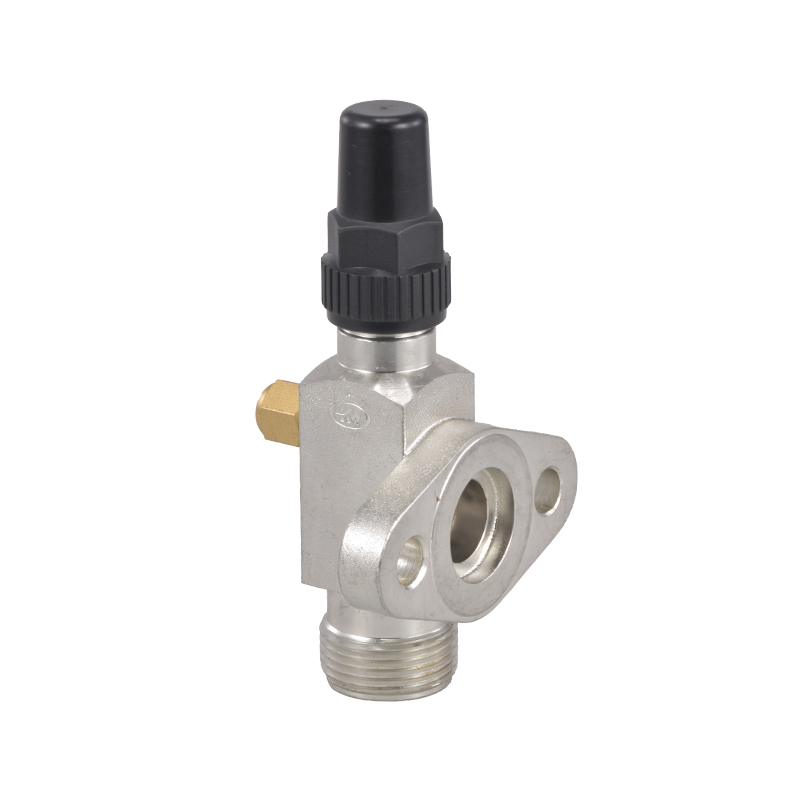 Refrigeration Valve with an Oval Flange




Wholesale Refrigeration Equipment Manufacturer