
 English
 русский
 Deutsch
Industry News
Home / News / Industry News / How Should a Vacuum Pump Be Selected for Different Refrigeration Applications?

 By Admin
Choosing a vacuum pump for refrigeration work is not simply a matter of selecting the model with the lowest advertised ultimate vacuum. Different systems create different evacuation challenges, and factors such as system volume, connection design, moisture level, hose conductance, and measurement method can all affect the result. Current refrigeration guidance continues to emphasize measuring the actual system vacuum rather than relying only on the pump-side reading. For overseas distributors, refrigeration contractors, and equipment manufacturers, understanding these factors can make Vacuum Pump selection more practical and reduce problems during commissioning and service.

The first consideration should be the type of system the pump will serve. A compact service job and a larger commercial refrigeration installation may require different evacuation approaches even when both use the same basic vacuum process.
System volume, piping length, component arrangement, and the number of service connections can influence evacuation time and conductance. A suitable Vacuum Pump should therefore be evaluated according to the intended application rather than selected from one specification alone.
Ultimate vacuum indicates how deeply a pump can evacuate under defined conditions, but it does not describe the complete evacuation process. Pump displacement, inlet configuration, oil condition, and connection size also affect practical performance.
For buyers comparing refrigeration vacuum pumps, it can be useful to review:
Looking at these factors together gives procurement teams a clearer picture of whether a pump is appropriate for repeated field use or a particular equipment category.
Even a capable pump can be limited by restrictive connections. Long narrow hoses, small service ports, valve cores, and unsuitable fittings can reduce the amount of gas that reaches the pump.
For this reason, system-side evacuation should be considered as a complete flow path. Current technical guidance recommends connecting the pump to both the high- and low-pressure sides where the system design allows it, helping evacuation proceed more uniformly through the circuit.
Evacuation is not only about removing non-condensable gases. Moisture removal is also a major purpose of pulling a deep vacuum before refrigerant charging. Danfoss guidance notes that moisture remaining in a refrigeration system can interfere with operation and contribute to problems affecting compressor lubrication and system performance.
This makes oil management and pump condition important purchasing considerations. A pump that is regularly exposed to moisture and contaminants should be supported by an appropriate maintenance routine, particularly when it is used frequently for installation or repair work.
A vacuum gauge located near the pump may not represent the pressure inside the refrigeration circuit. Restrictions between the measurement point and the system can create misleading readings.
An electronic micron gauge positioned appropriately on the system provides a more useful indication of actual evacuation conditions. Copeland's current equipment guidance also emphasizes that vacuum quality should be determined with a micron gauge rather than by evacuation time alone.
This distinction matters when buyers evaluate equipment because a powerful-looking pump specification does not guarantee that the connected system will reach the intended vacuum condition.
For professional service teams, the purchase decision should also include what happens after the pump enters daily operation. Oil condition, contamination exposure, operating frequency, and storage conditions can all influence maintenance requirements.
A practical maintenance plan may include:
These basic checks help distinguish pump-related problems from refrigeration-system problems.
A well-selected Vacuum Pump should match the actual refrigeration application, evacuation method, working environment, and expected service frequency. For a refrigeration equipment manufacturer, product development should therefore focus on the complete relationship between pumping capacity, vacuum performance, connection design, oil management, and practical maintenance. For overseas buyers, discussing these requirements directly with a Vacuum Pump manufacturer can make product selection more precise and help avoid choosing equipment based only on a single advertised vacuum value. When the pump is matched to the real evacuation task, it becomes a more dependable part of installation, commissioning, and refrigeration service work.
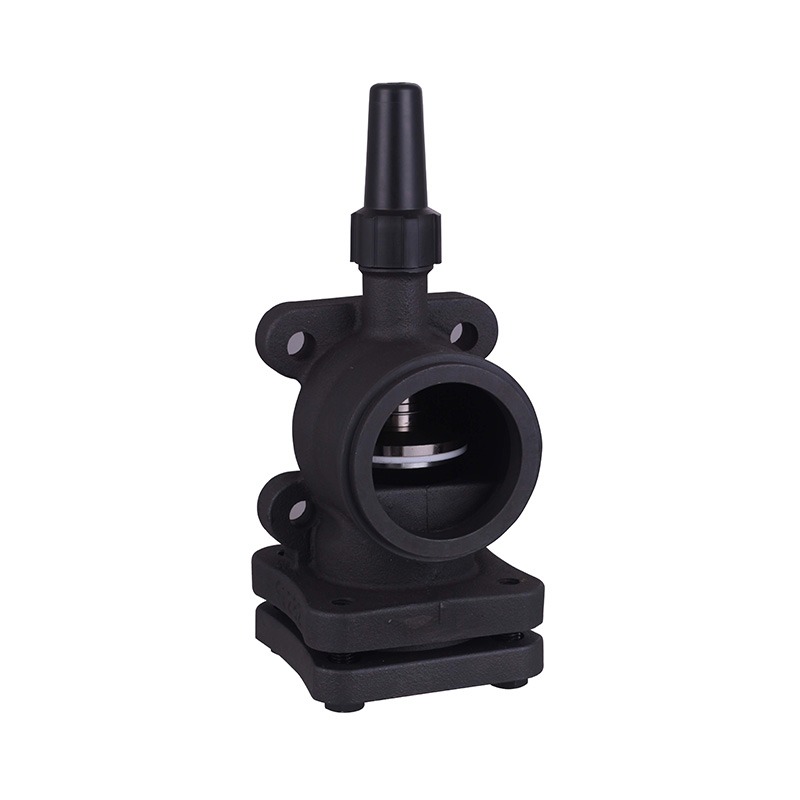 Compressor Refrigeration Cast Iron Shut-Off Vale
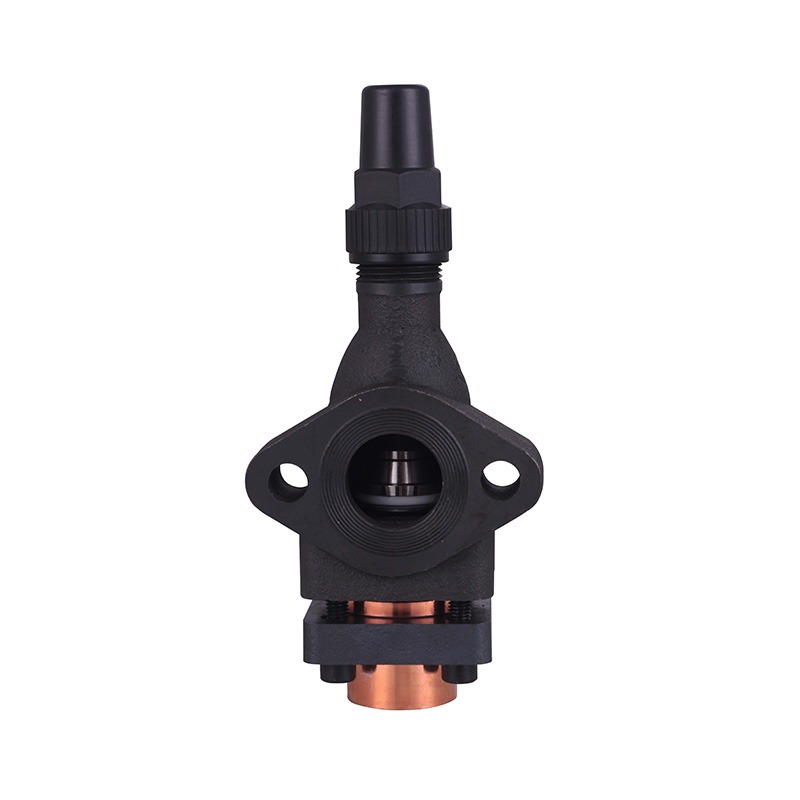 High Quality Refrigeration Cast Iron Shut-Off Vale
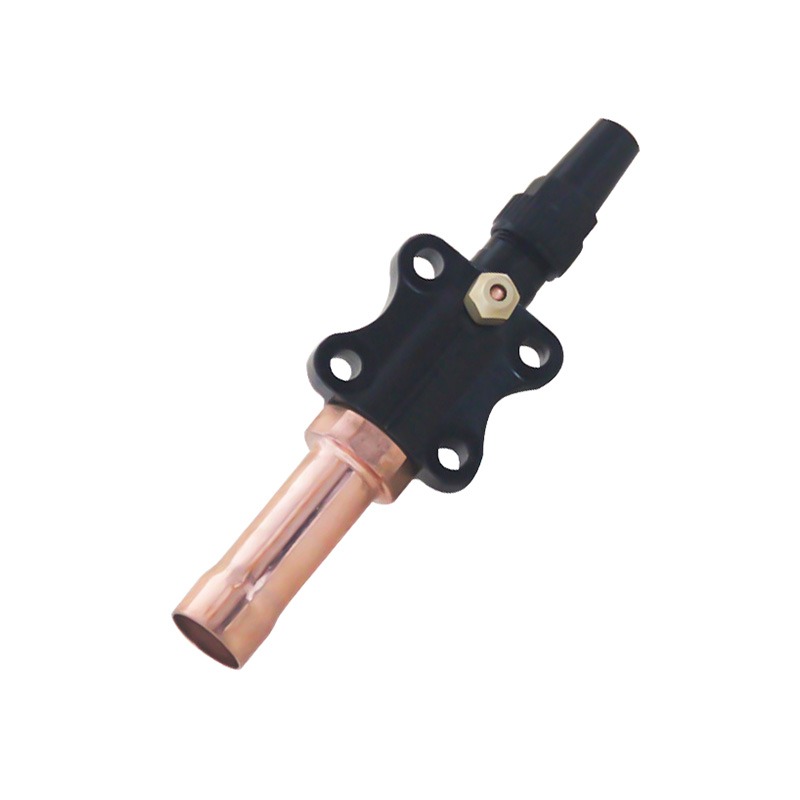 Compressor Refrigeration Copeland Brass Stop Valve
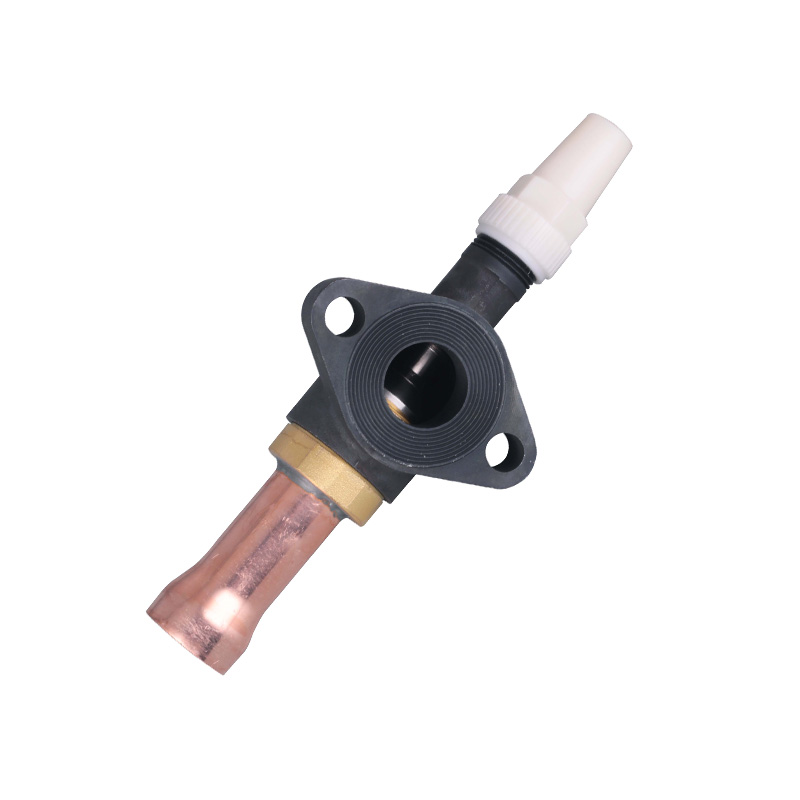 Refrigerant Copeland Brass Stop Valve
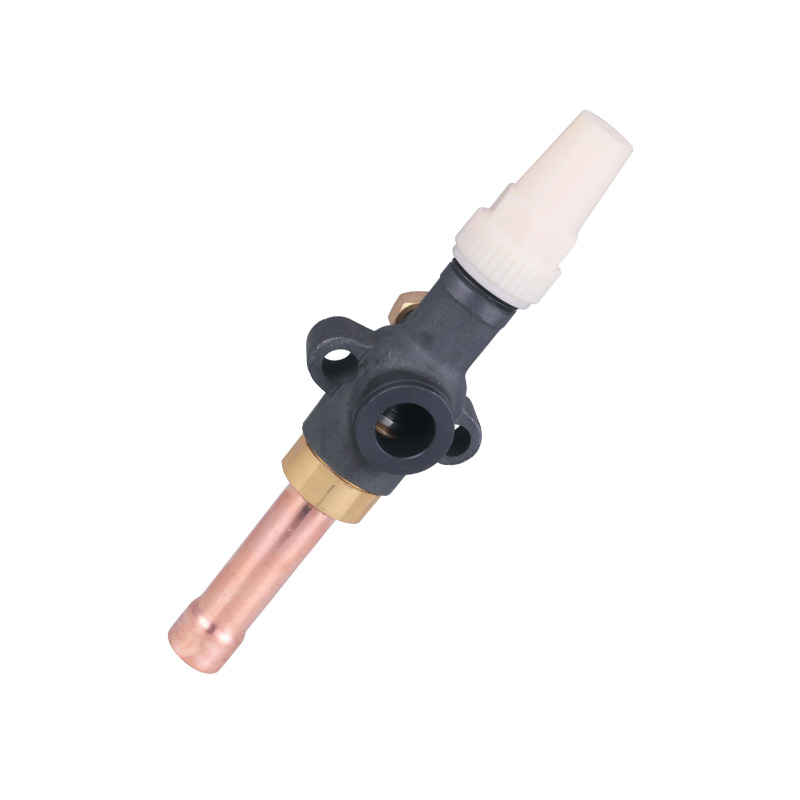 Refrigeration Compressor Copeland Brass Stop Valve
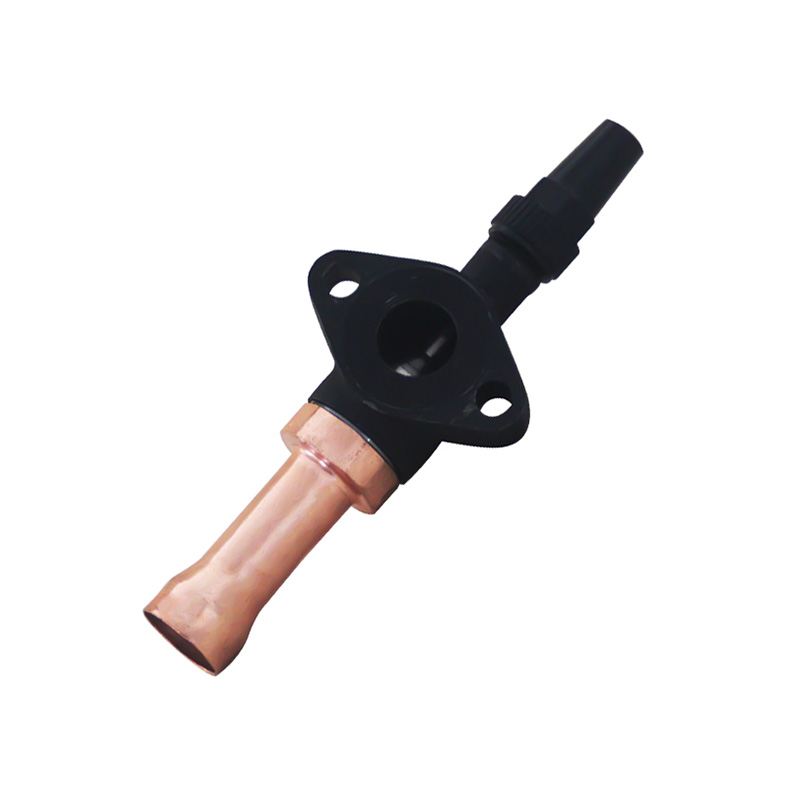 Refrigeration Copeland Brass Stop Valve
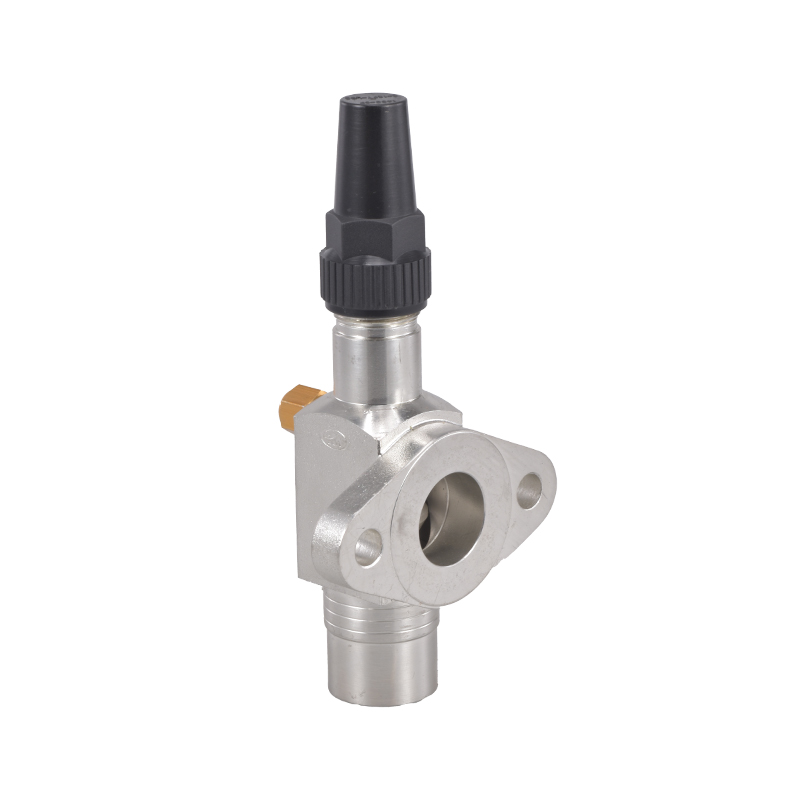 Compressor Refrigeration System Oval Flange
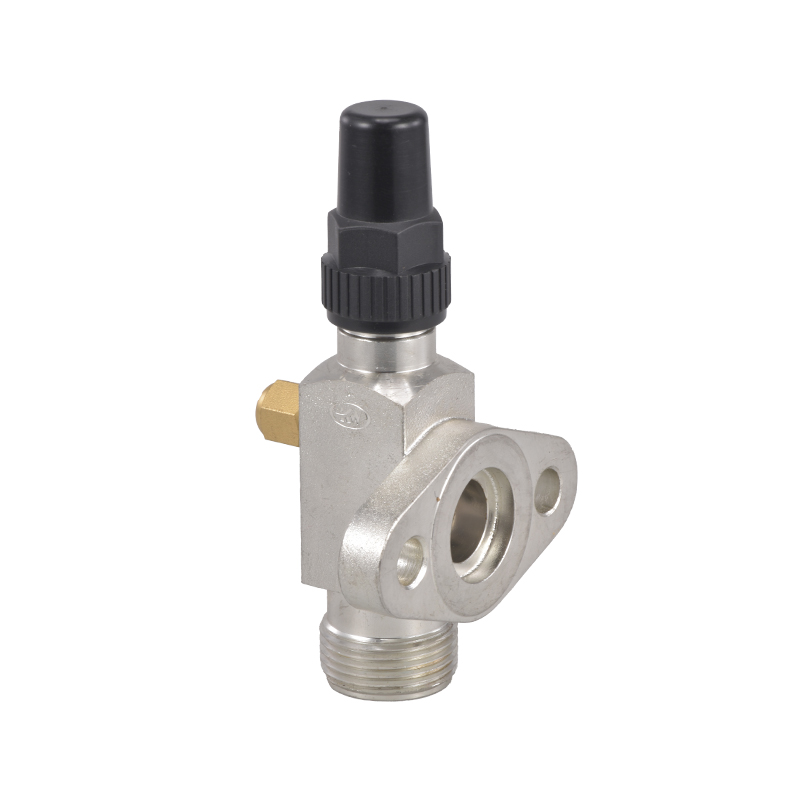 Refrigeration Valve with an Oval Flange




Wholesale Refrigeration Equipment Manufacturer