
 English
 русский
 Deutsch
Industry News
Home / News / Industry News / How Can Welded Ball Valves Improve Reliability in Demanding Fluid Systems?

 By Admin
As industrial fluid systems become more focused on reliability, maintenance planning, and application-specific design, valve selection is receiving greater attention from engineers and procurement teams. A Welded Ball Valve can be a practical choice for pipelines where structural integrity, secure connections, and long-term service stability are important. Instead of evaluating a valve only by nominal size or pressure rating, buyers are increasingly considering installation conditions, media characteristics, welding quality, sealing performance, and maintenance requirements before placing an order.
The connection between a valve and pipeline directly influences system integrity. Welded connections eliminate the need for additional threaded joints or flanges at the valve ends, which can simplify the overall piping arrangement. This can be useful in applications where space is limited or where reducing potential leakage points is a priority.
For engineers, the key consideration is not simply whether a valve can be welded into a system, but whether the valve construction, welding procedure, and surrounding pipeline are properly matched. Material compatibility and dimensional consistency should therefore be reviewed during the selection stage.
Fluid characteristics can vary significantly between industrial applications. Water, gas, oil, chemicals, and other process media may create different requirements for valve materials and sealing components.
When sourcing welded ball valves, procurement teams should evaluate:
Selecting materials according to actual service conditions helps reduce premature wear and supports more predictable valve performance.
Welding brings advantages, but it also introduces manufacturing and installation considerations. Excessive heat during pipeline welding can potentially affect internal components, seals, or valve alignment if the process is not properly controlled.
A professional manufacturing approach should therefore include appropriate welding procedures and dimensional inspection. Before delivery, manufacturers can verify critical dimensions, connection geometry, sealing surfaces, and operating functions. Clear technical documentation also helps installation teams understand welding requirements and avoid unnecessary field adjustments.
A ball valve relies on accurate interaction between the ball, seats, and sealing surfaces. Even when the external welded connection is structurally sound, poor internal alignment or unsuitable sealing materials can affect shut-off performance.
For industrial buyers, evaluating sealing performance under the intended pressure and temperature range is more useful than relying solely on general product descriptions. Consistent machining, controlled assembly, and appropriate inspection procedures help manufacturers maintain stable internal clearances and reduce the risk of leakage during service.
A valve that performs well in a factory may still create difficulties if its installation requirements are overlooked. Pipeline direction, available working space, actuator configuration, drainage requirements, and access for future inspection should all be considered during project planning.
For custom projects, manufacturers can work from pipeline drawings or technical specifications to confirm connection dimensions and operating requirements before production. This engineering communication can help procurement teams avoid selecting a technically suitable valve that is inconvenient to install or maintain.
A practical purchasing checklist can make supplier evaluation more efficient. Buyers should pay attention to several points rather than comparing prices alone:
These details provide a clearer basis for comparing different suppliers and reduce the possibility of specification mismatches during project execution.
For industrial projects, valve reliability depends on more than the finished product. Material selection, machining accuracy, welding control, sealing design, inspection, and communication between the manufacturer and buyer all contribute to consistent performance. Working with an experienced valve manufacturer also makes it easier to develop application-specific solutions when standard configurations do not fully match the pipeline design.
For buyers evaluating a Welded Ball Valve, the most useful approach is to start with the actual operating environment and then work backward toward materials, structure, sealing, connection method, and inspection requirements. This application-based selection process can help engineers and procurement teams build more dependable fluid-control systems while supporting practical long-term maintenance planning.
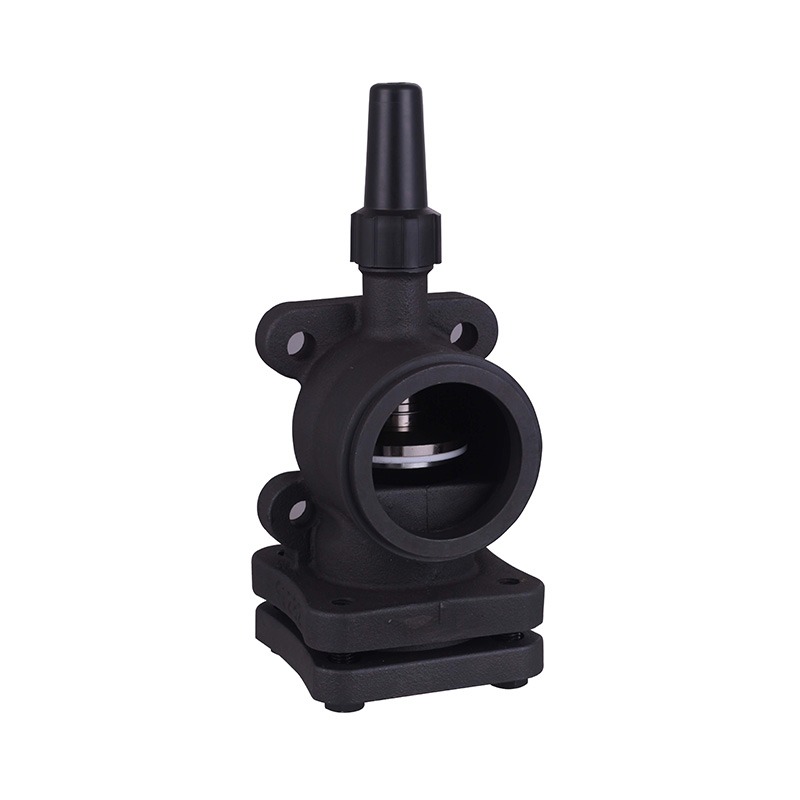
Compressor Refrigeration Cast Iron Shut-Off Vale
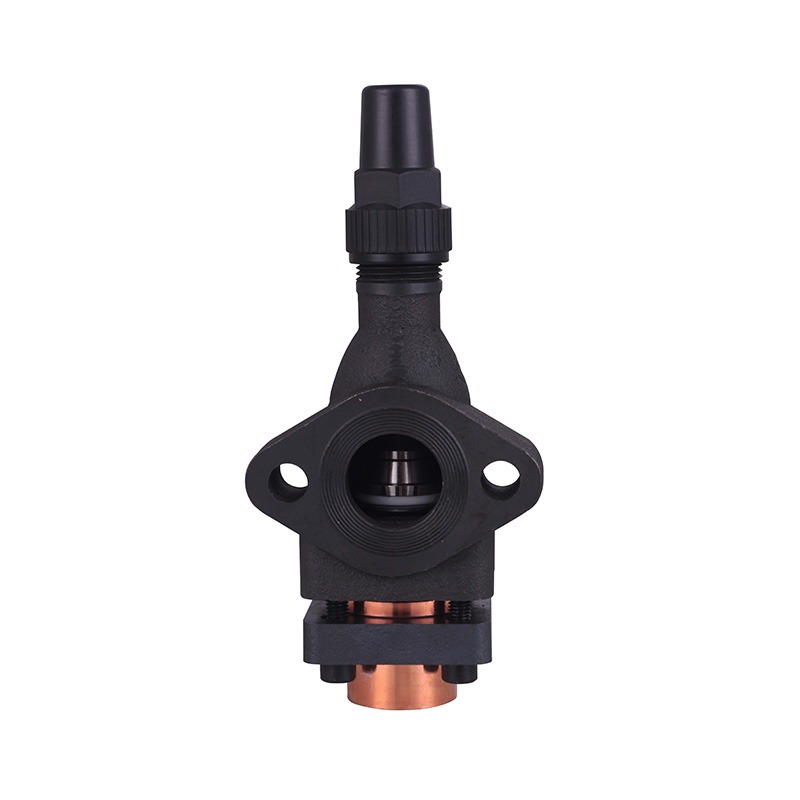 High Quality Refrigeration Cast Iron Shut-Off Vale
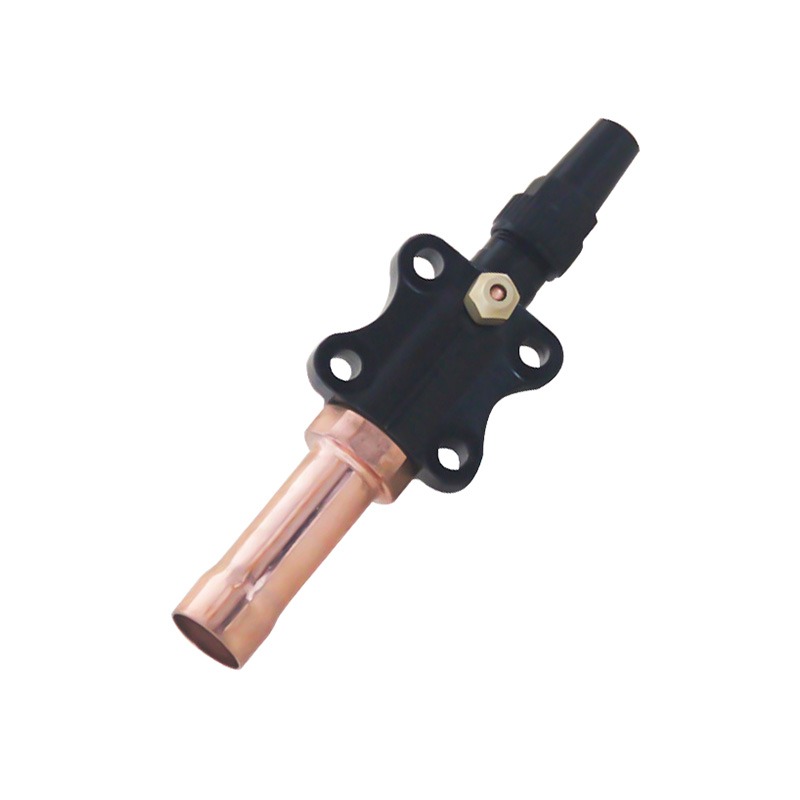 Compressor Refrigeration Copeland Brass Stop Valve
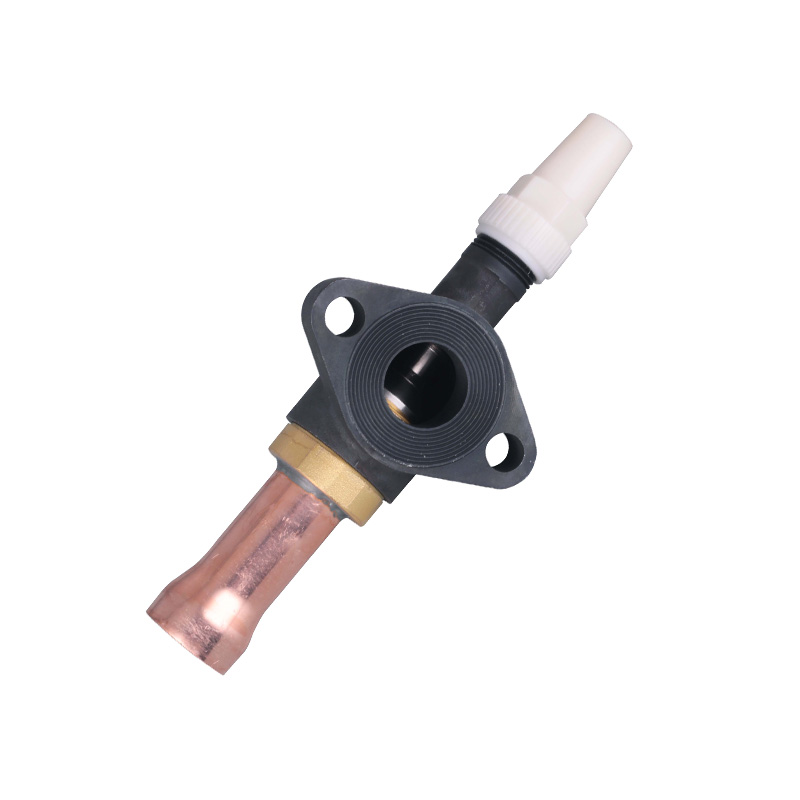 Refrigerant Copeland Brass Stop Valve
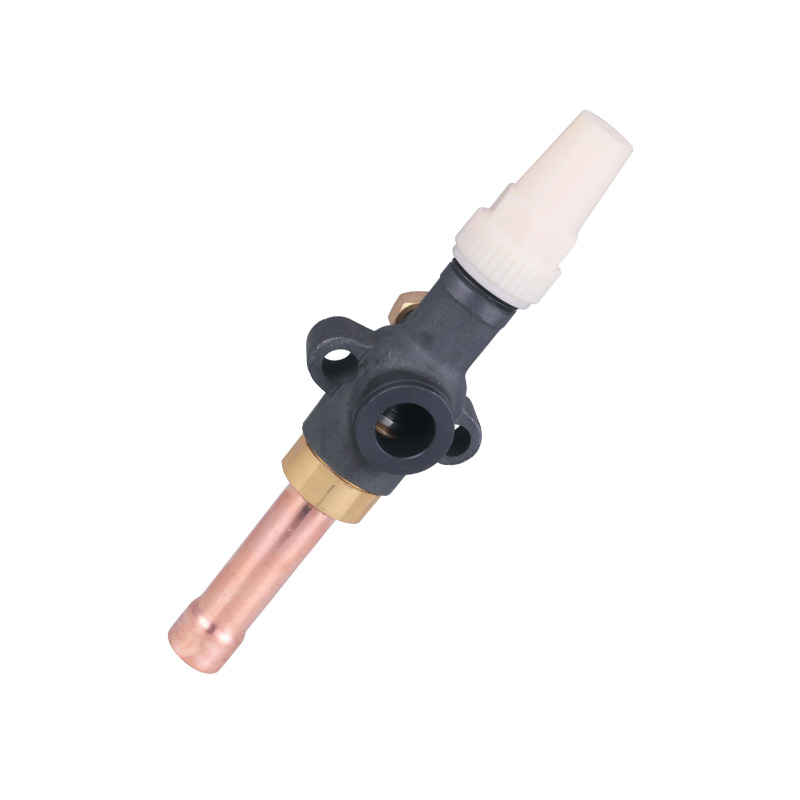 Refrigeration Compressor Copeland Brass Stop Valve
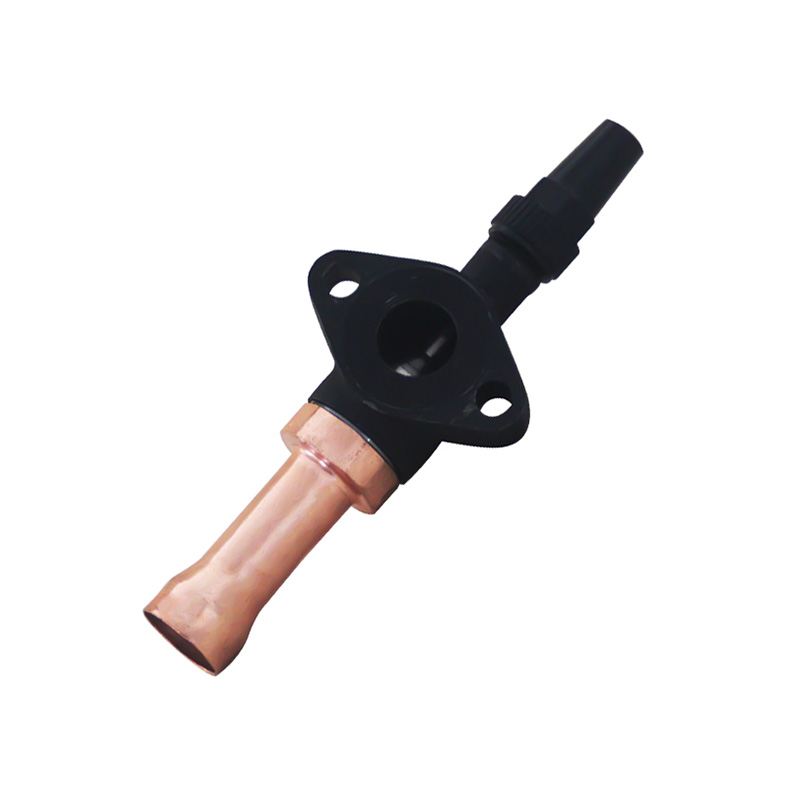 Refrigeration Copeland Brass Stop Valve
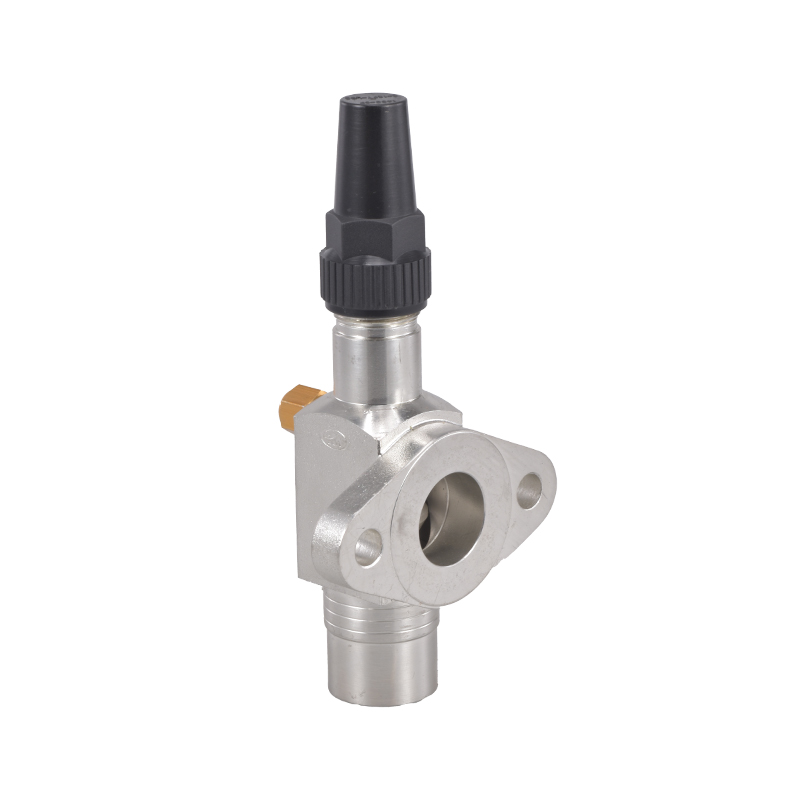 Compressor Refrigeration System Oval Flange
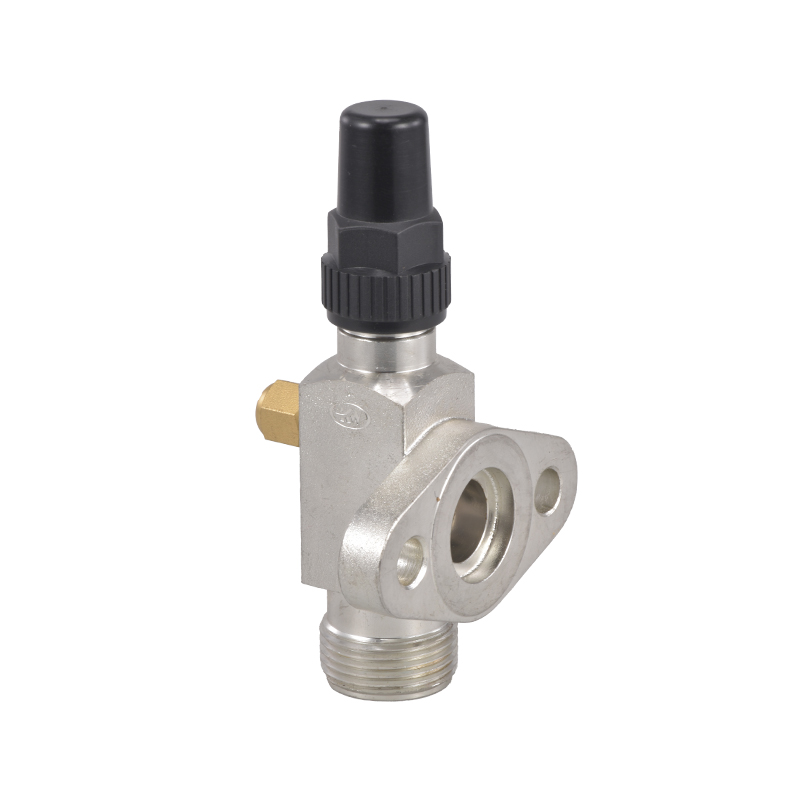 Refrigeration Valve with an Oval Flange




Wholesale Refrigeration Equipment Manufacturer