
 English
 русский
 Deutsch
Industry News
Home / News / Industry News / What Can Cause a Vacuum Pump to Perform Below Expectations in Refrigeration Service?

 By Admin
A refrigeration system can be difficult to evacuate even when the selected vacuum pump appears suitable on paper. In many service situations, slow evacuation or unstable vacuum is not caused by the pump alone. Hose restrictions, contaminated oil, leakage, valve conditions, measurement location, and the condition of the refrigeration circuit can all influence the result. Current HVAC/R guidance continues to emphasize that pump capacity and ultimate vacuum should be evaluated together with the complete evacuation setup and actual system measurement. For overseas buyers, service contractors, and refrigeration equipment manufacturers, understanding these factors can make it easier to identify problems before replacing equipment unnecessarily.
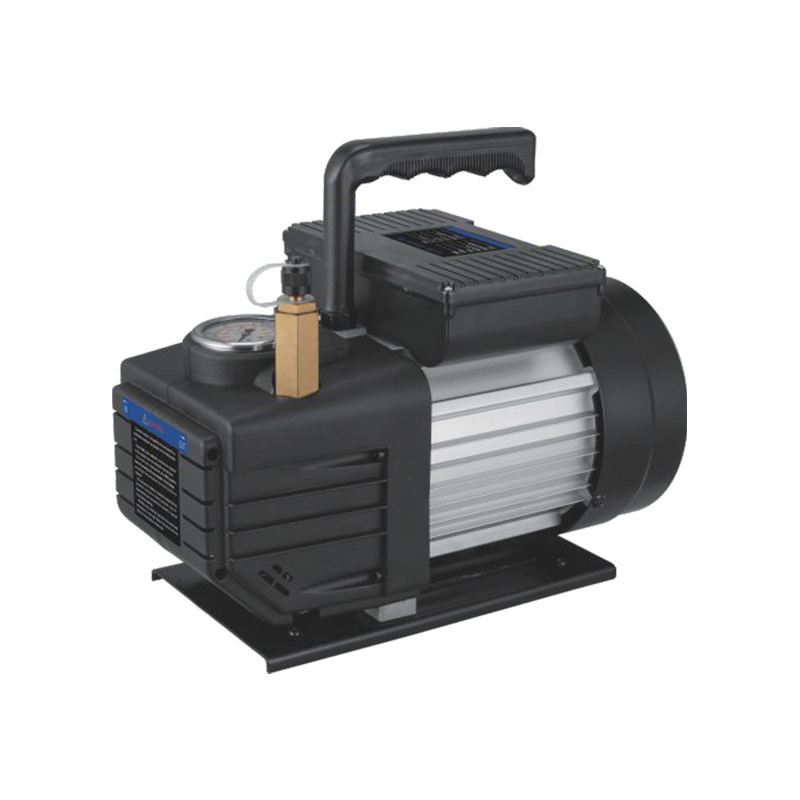
When evacuation becomes unusually slow, the first step should be checking the pump itself. A Vacuum Pump depends on suitable oil, proper operating conditions, and an unobstructed inlet and exhaust path. If the pump has been exposed to moisture or contaminants, its performance can change even though the motor continues to run normally.
A practical inspection can include:
These checks can help distinguish a pump problem from an issue elsewhere in the evacuation circuit.
Oil condition deserves particular attention in refrigeration service. Moisture and contaminants can enter the pump during evacuation, and degraded oil can reduce the pump's ability to achieve and maintain a deep vacuum. Field service guidance recommends treating oil maintenance as part of routine vacuum-pump care rather than waiting until evacuation performance has noticeably deteriorated.
For manufacturers, oil management should therefore be considered when designing and documenting a refrigeration Vacuum Pump. Easy maintenance and clear operating instructions can make a difference for technicians who use the equipment repeatedly.
A pump cannot compensate indefinitely for a restricted evacuation path. Small-diameter hoses, long connections, restrictive manifolds, service valves, and valve cores can reduce conductance between the refrigeration system and the pump.
Recent field guidance recommends using short, large-diameter, vacuum-rated connections and minimizing unnecessary restrictions. This is particularly important when technicians are trying to evacuate larger systems or diagnose why pressure stops falling as expected.
A reading taken close to the pump does not necessarily represent the vacuum condition inside the refrigeration circuit. Pressure differences can develop when restrictions exist between the system and the measurement point.
An electronic micron gauge positioned on the system side provides more useful information for evaluating the actual evacuation process. It is also important to distinguish between a running vacuum reading and the result obtained after isolating the system from the pump.
This means buyers should consider compatibility with proper measurement equipment when evaluating a Vacuum Pump rather than treating the pump as a standalone device.
If the pump operates normally but the vacuum level falls slowly or rises after isolation, the refrigeration circuit itself may require further investigation. Possible causes include remaining moisture, leakage, trapped sections, restrictive components, or temperature changes.
A useful troubleshooting sequence is:
The exact evacuation target and decay procedure should always follow the equipment manufacturer's instructions rather than applying one universal value to every system.
A Vacuum Pump used regularly for refrigeration service may encounter different levels of moisture and contamination depending on the type of work performed. A pump used for frequent repairs may therefore require a different maintenance routine from equipment used only occasionally.
Manufacturers can support users by providing clear information on oil replacement, gas-ballast operation where applicable, inlet protection, storage, and inspection intervals. For buyers, these details can be just as relevant as basic vacuum specifications when calculating the practical value of equipment.
Reliable evacuation depends on more than the number printed on a specification sheet. Pump construction, oil management, inlet design, connection compatibility, measurement practice, and maintenance all contribute to the final result. For overseas procurement teams comparing a Vacuum Pump for refrigeration and HVAC applications, asking how the equipment performs within the complete evacuation process can provide a more useful basis for selection. A refrigeration equipment manufacturer that understands these practical requirements can develop and supply Vacuum Pump solutions designed around real service conditions rather than relying on specifications alone.
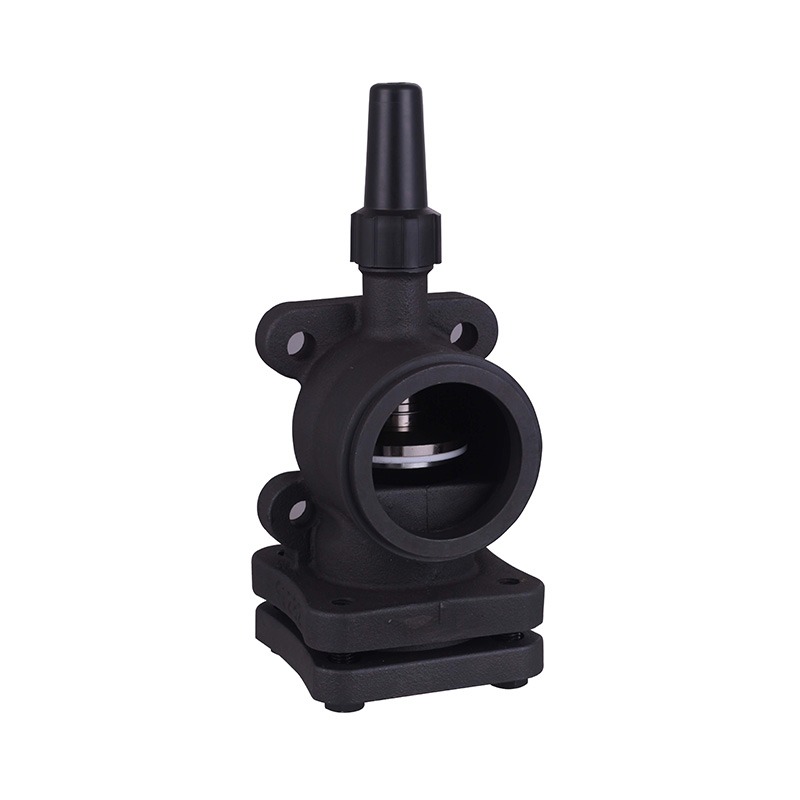 Compressor Refrigeration Cast Iron Shut-Off Vale
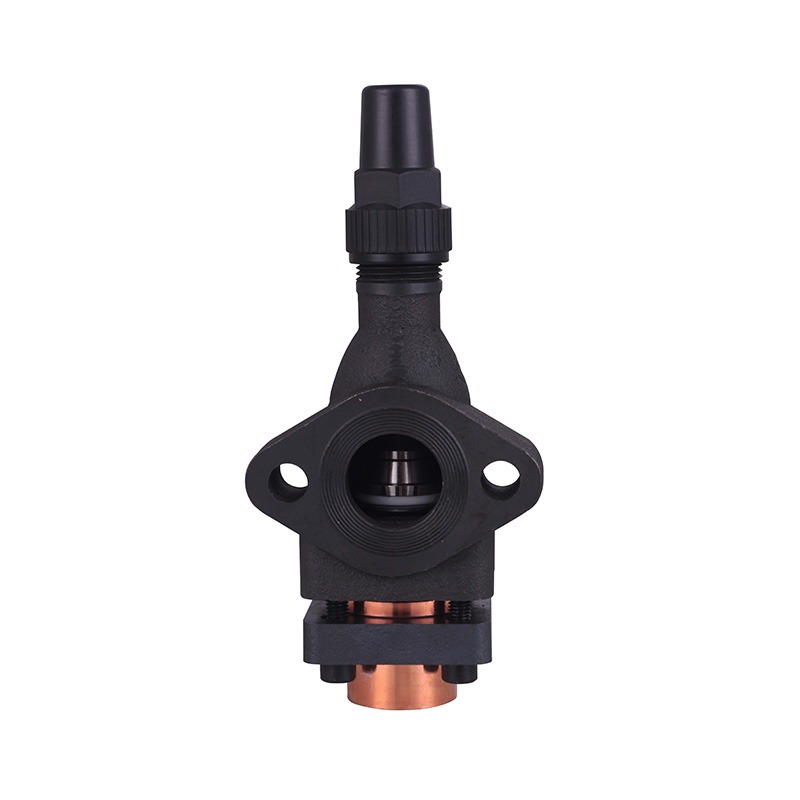 High Quality Refrigeration Cast Iron Shut-Off Vale
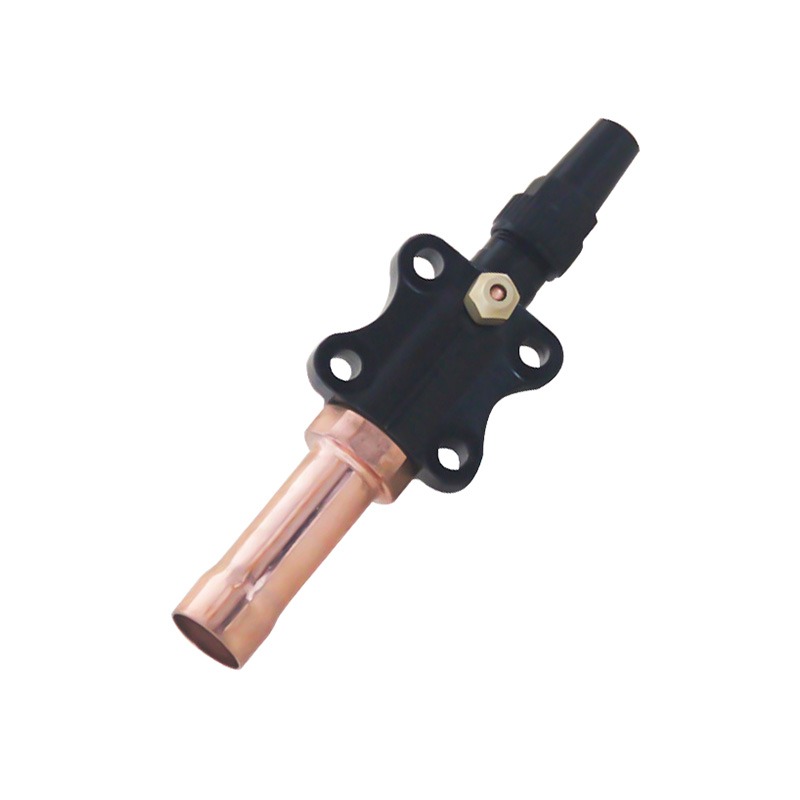 Compressor Refrigeration Copeland Brass Stop Valve
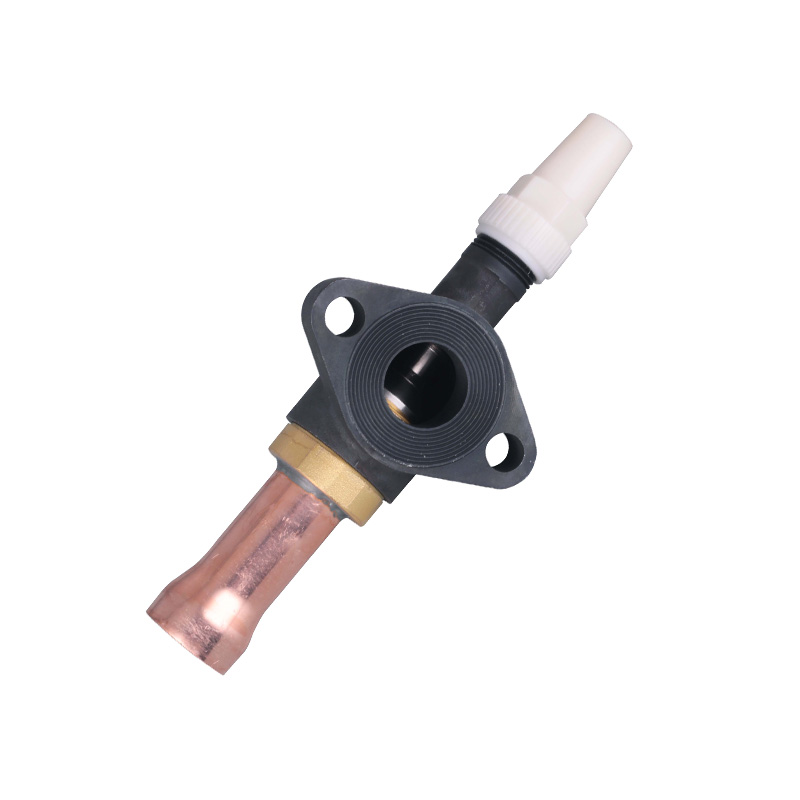 Refrigerant Copeland Brass Stop Valve
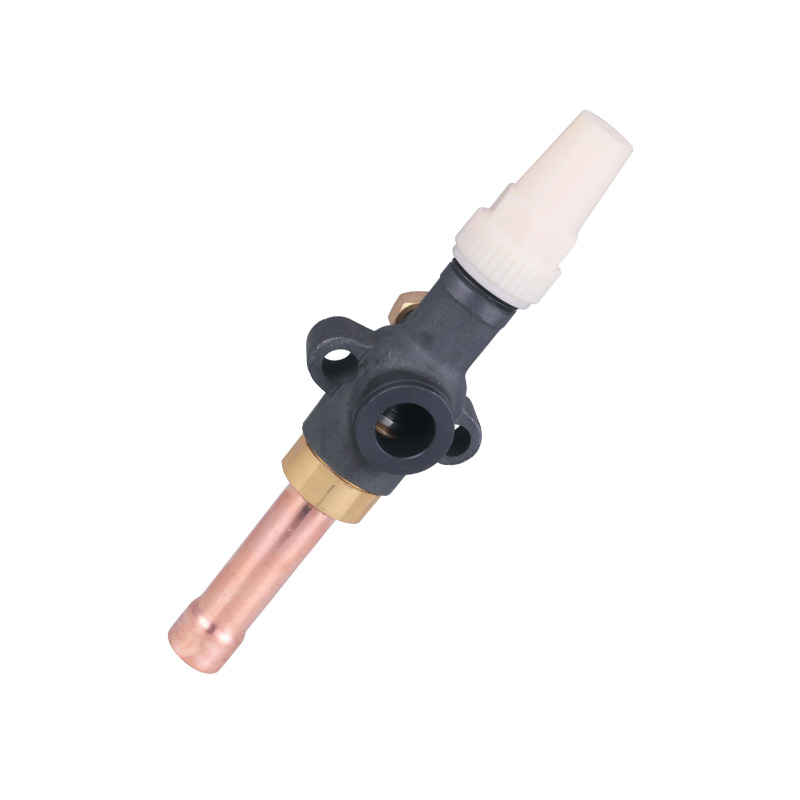 Refrigeration Compressor Copeland Brass Stop Valve
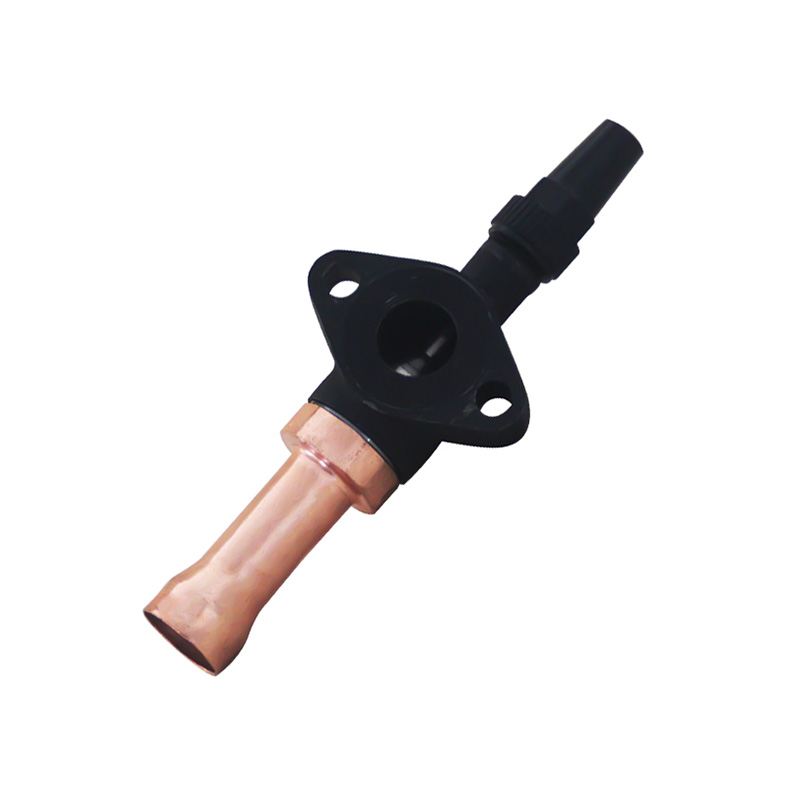 Refrigeration Copeland Brass Stop Valve
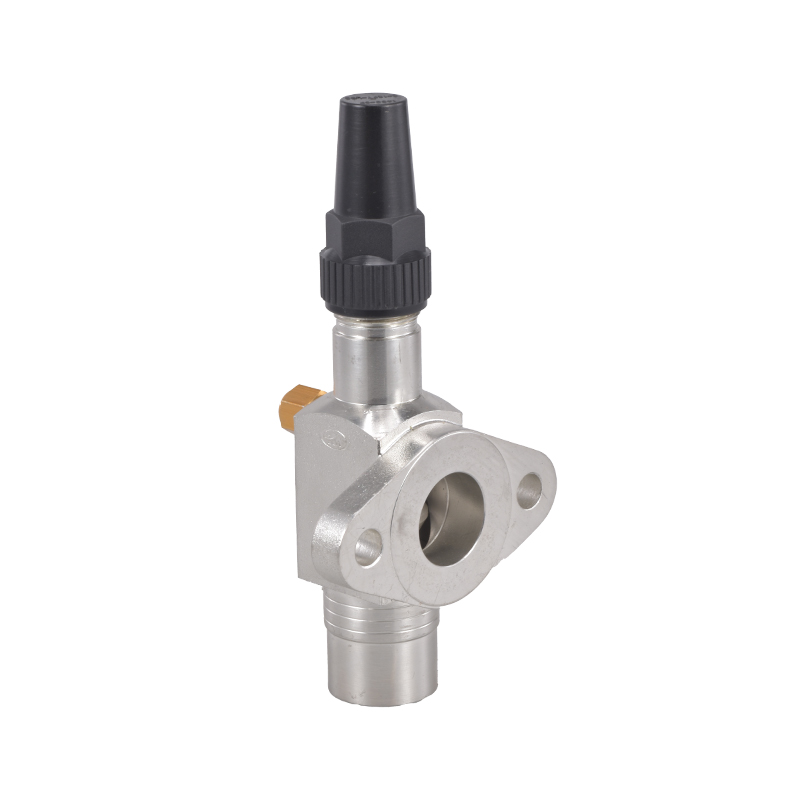 Compressor Refrigeration System Oval Flange
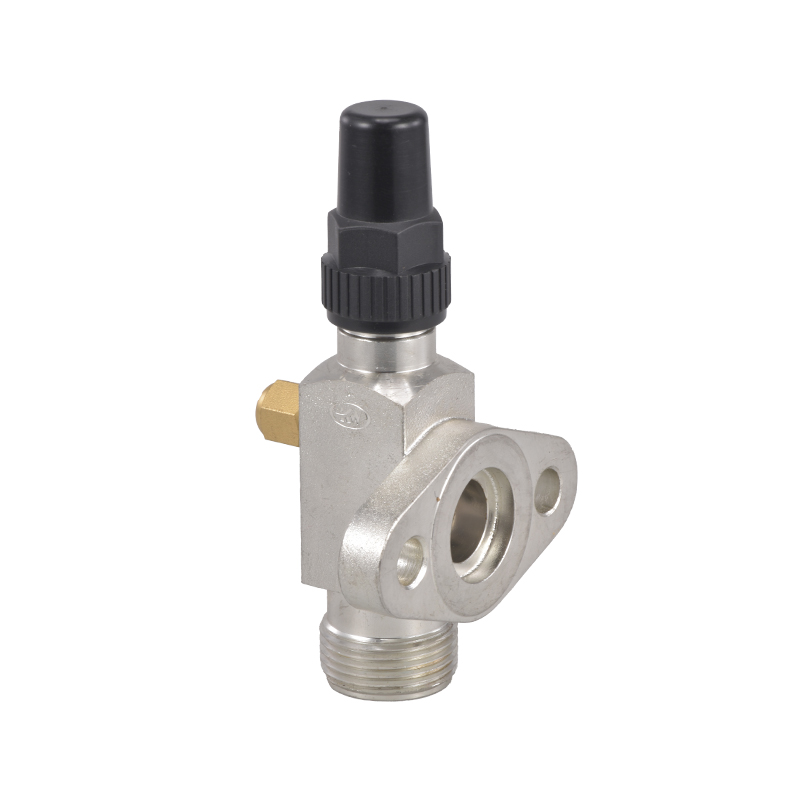 Refrigeration Valve with an Oval Flange




Wholesale Refrigeration Equipment Manufacturer