
 English
 русский
 Deutsch
Industry News
Home / News / Industry News / How Can Welded Ball Valves Simplify Valve Selection for Modern Pipeline Systems?

 By Admin
As industrial pipeline projects become more focused on installation efficiency, leak management, and long-term maintenance, engineers are paying closer attention to how valves integrate with the surrounding piping system. A Welded Ball Valve can be an appropriate choice when a project requires a compact flow-control solution with welded pipeline connections. Rather than selecting a valve based only on pressure rating or nominal size, procurement teams should consider installation conditions, operating frequency, fluid characteristics, and future maintenance requirements together.
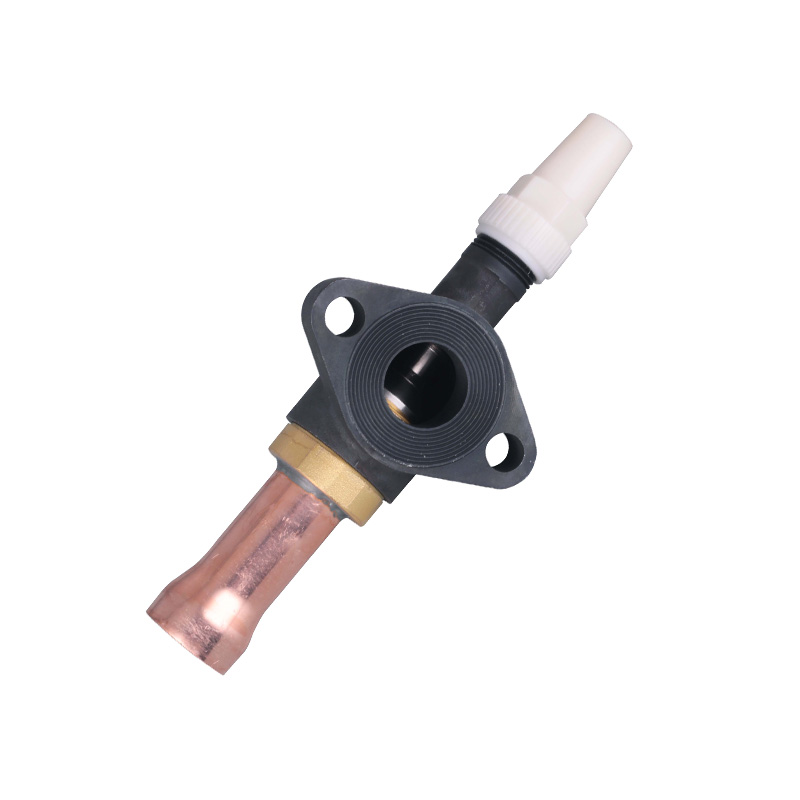
The first step in valve selection is understanding where the valve will operate. Above-ground process piping, buried pipelines, utility systems, and industrial equipment can impose different mechanical and environmental requirements.
Temperature variation, external vibration, installation space, and exposure to moisture or corrosive conditions may all influence the final valve configuration. A valve that works well in one pipeline may require different materials, sealing components, or protective treatment in another.
Welded connections can provide a direct structural connection between the valve and pipeline. This configuration is useful in applications where minimizing external connection points is part of the system design.
For pipeline engineers, the benefits can include:
However, welding quality and installation procedures remain essential. Proper preparation, alignment, welding, and inspection should be incorporated into the project plan.
The internal sealing components deserve the same attention as the valve body. The ball and seat work together to control flow and maintain sealing performance, so their materials must be compatible with the transported medium.
For water applications, hydrocarbons, chemical fluids, or other industrial media, buyers should review corrosion resistance, temperature conditions, pressure requirements, and potential contaminants before confirming specifications.
Seat selection is particularly important because different materials can behave differently under temperature changes, pressure cycles, and repeated operation. A reliable supplier should be able to recommend suitable combinations based on actual service conditions rather than applying one configuration to every project.
The performance of a ball valve depends partly on the dimensional relationship between its internal components. Ball roundness, sealing-surface finish, stem alignment, and machining accuracy can influence operating torque and sealing consistency.
At Taizhou Kewei Refrigeration Equipment Co., Ltd., manufacturing control focuses on maintaining consistent component dimensions throughout production. This includes machining and inspection processes designed to identify deviations before assembly.
For B2B buyers, consistent manufacturing is valuable because it supports repeat orders, replacement planning, and easier quality verification across different production batches.
A technically suitable valve can still create difficulties if its installation environment is overlooked. Engineers should determine the available space, pipeline orientation, welding requirements, actuator position, and access for future inspection before ordering.
For buried or difficult-to-access pipelines, additional attention should be given to corrosion protection and operating arrangements. For automated systems, actuator compatibility and available operating torque should also be confirmed during the specification stage.
This early evaluation helps avoid costly modifications after the valve has already entered production or reached the installation site.
When sourcing welded ball valves for an industrial project, buyers can improve specification accuracy by confirming the following details with the manufacturer:
Providing complete information allows the manufacturer to evaluate the application more accurately and recommend a configuration suited to the actual working environment.
Valve selection should ultimately be viewed as part of pipeline engineering rather than an isolated purchasing decision. A correctly specified Welded Ball Valve can support dependable flow isolation while integrating directly with suitable pipeline structures. By discussing operating conditions, materials, connection dimensions, testing requirements, and installation constraints with an experienced manufacturer such as Taizhou Kewei Refrigeration Equipment Co., Ltd., industrial buyers can reduce specification errors and develop a valve solution that fits the practical needs of the entire pipeline system.
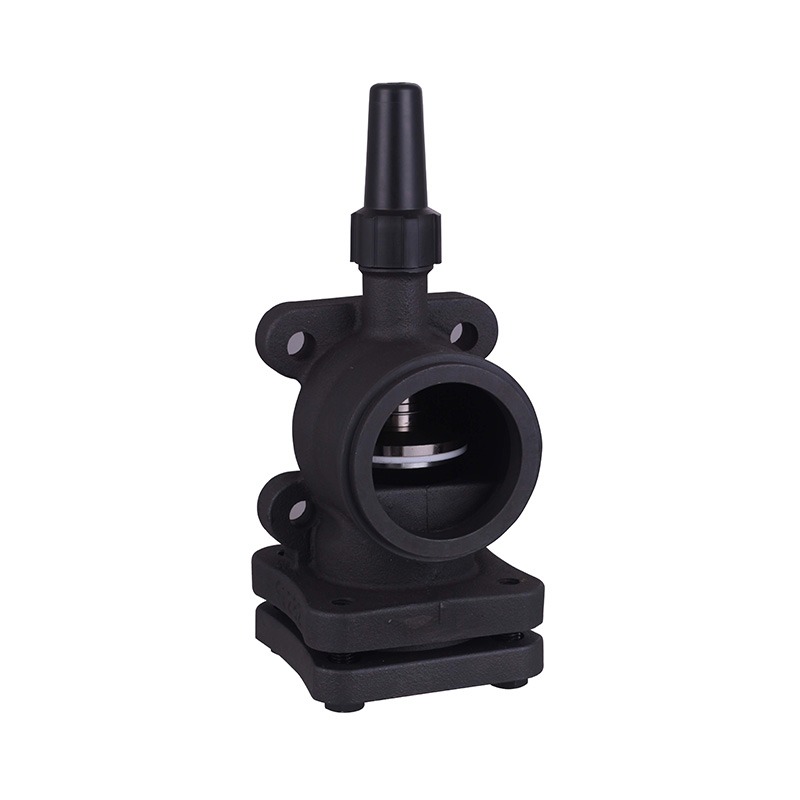 Compressor Refrigeration Cast Iron Shut-Off Vale
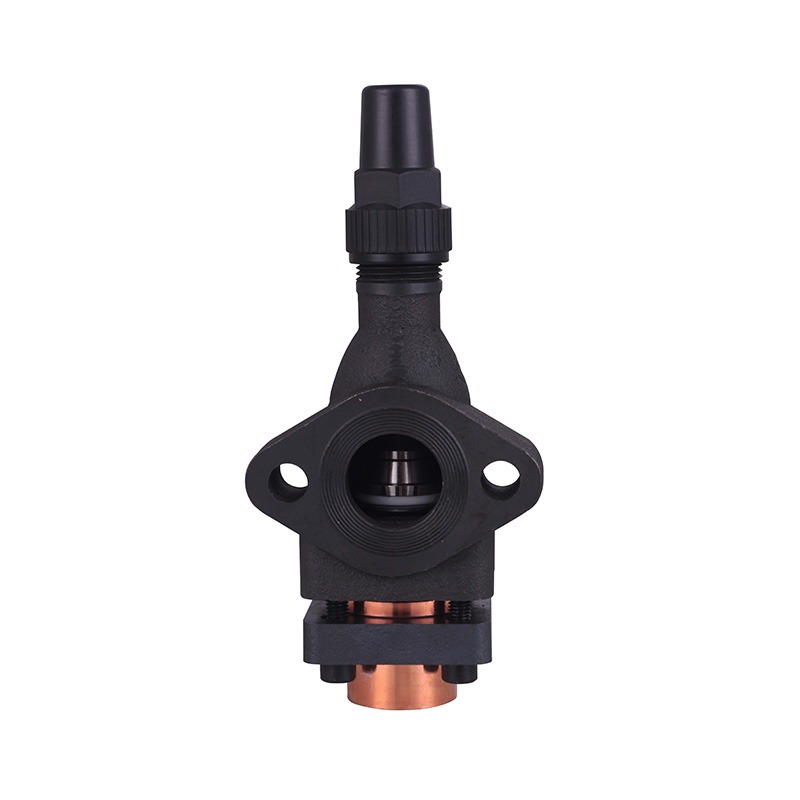 High Quality Refrigeration Cast Iron Shut-Off Vale
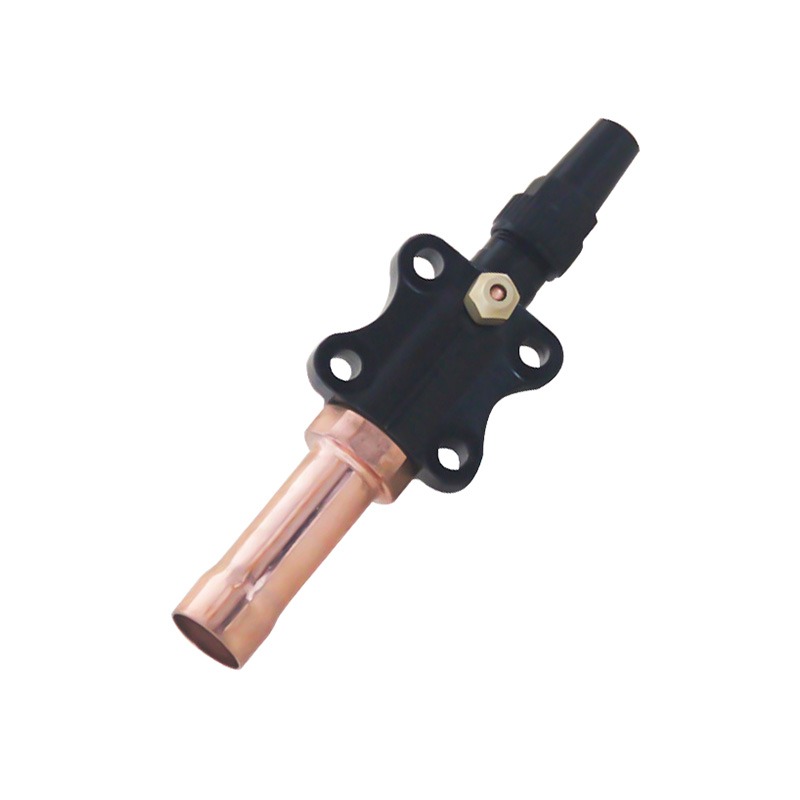 Compressor Refrigeration Copeland Brass Stop Valve
Refrigerant Copeland Brass Stop Valve
Compressor Refrigeration Copeland Brass Stop Valve
Refrigerant Copeland Brass Stop Valve
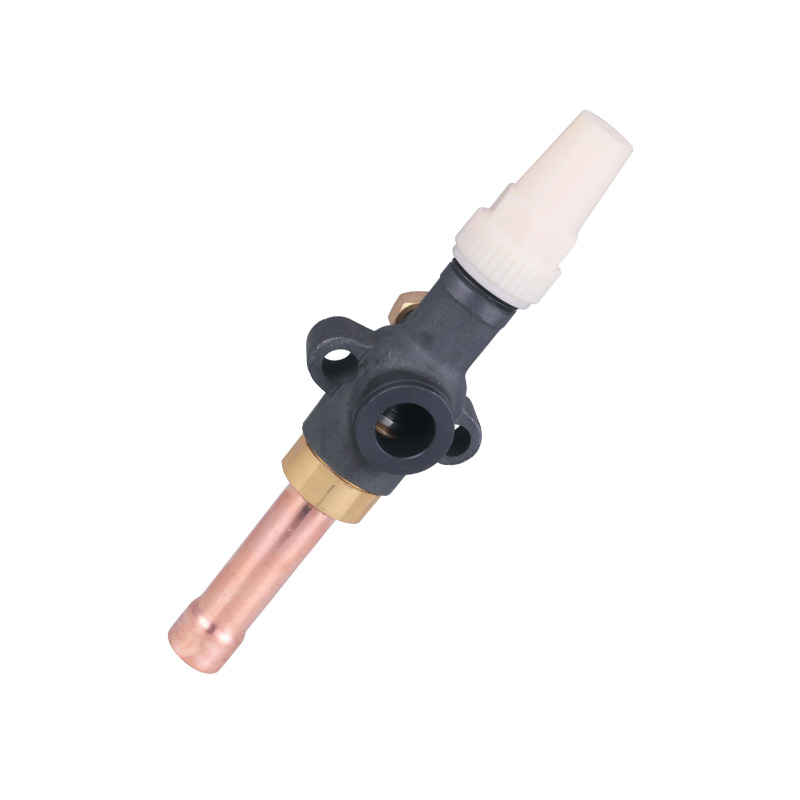 Refrigeration Compressor Copeland Brass Stop Valve
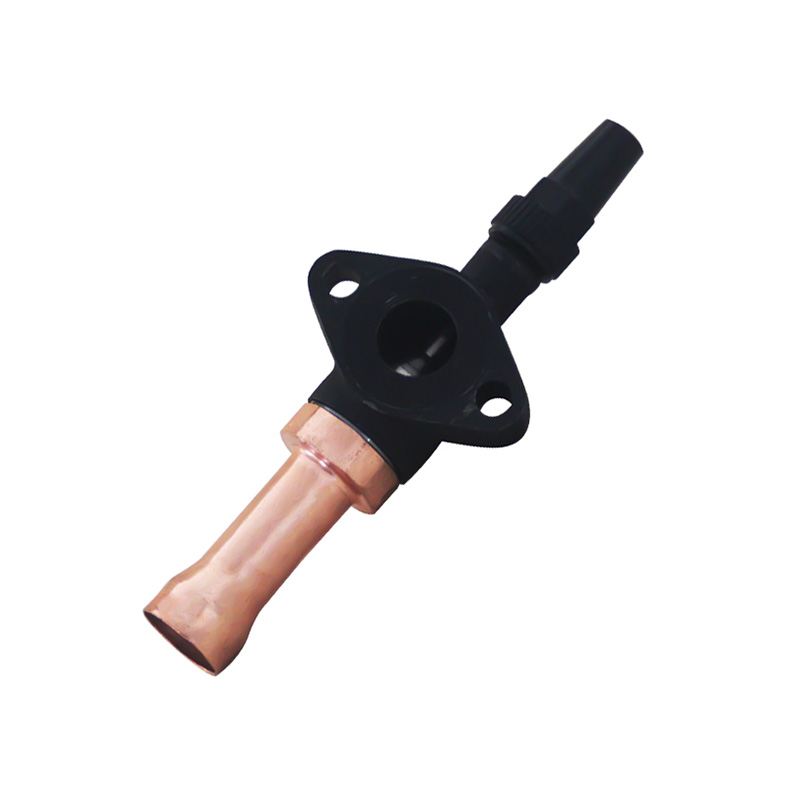 Refrigeration Copeland Brass Stop Valve
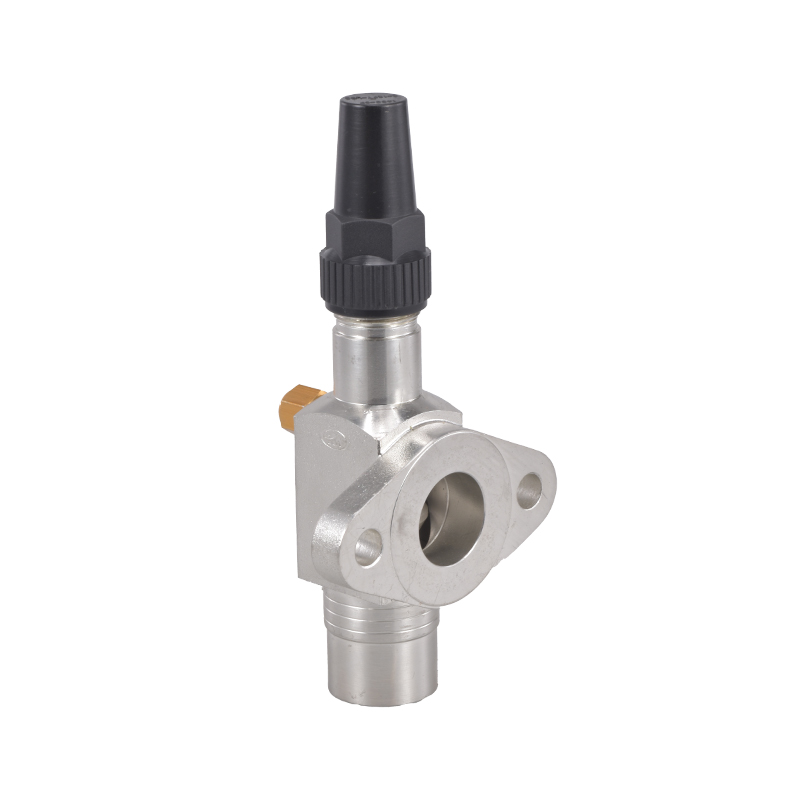 Compressor Refrigeration System Oval Flange
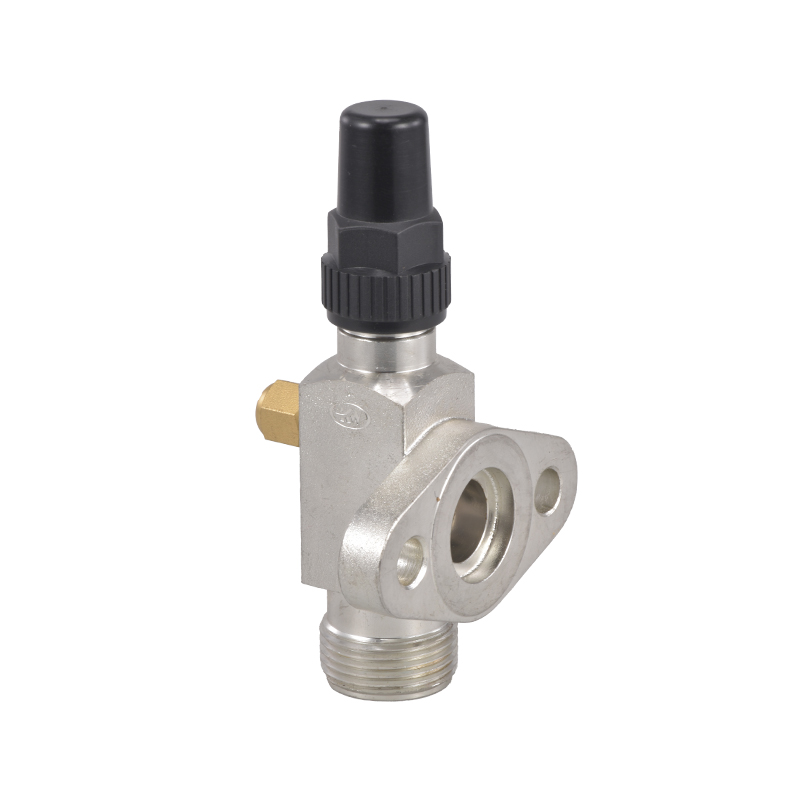 Refrigeration Valve with an Oval Flange




Wholesale Refrigeration Equipment Manufacturer