


 English
 русский
 Deutsch
Industry News
Why Does Your AC System Fail Right After Installation?
 By Admin
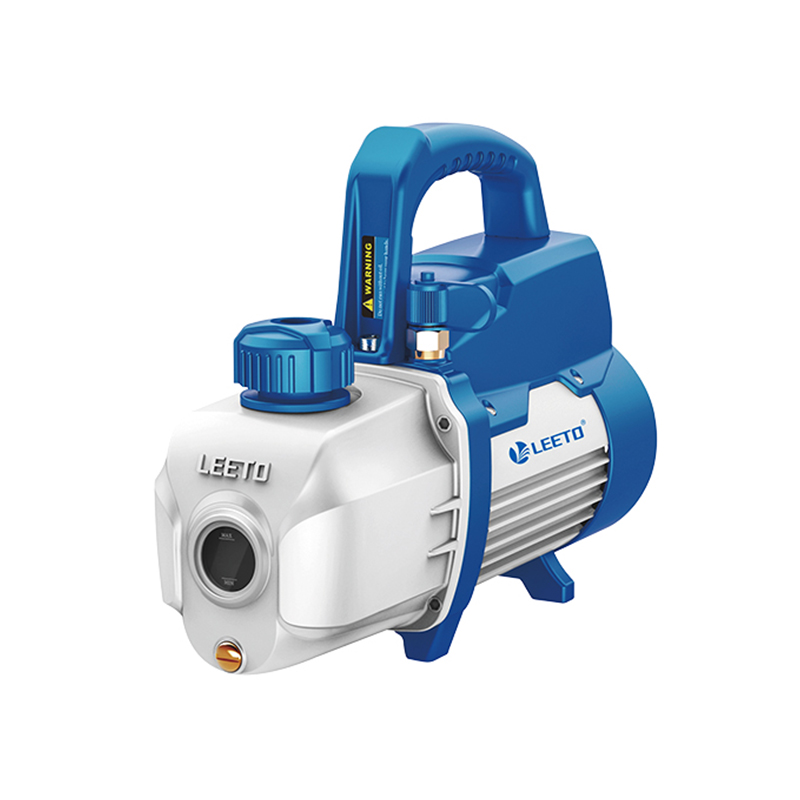
HVAC technicians and refrigeration contractors troubleshooting early system failures keep circling back to the same overlooked step: incomplete evacuation before charging. Moisture and air trapped in a sealed system cause compressor damage, refrigerant breakdown, and callbacks that eat into a contractor's margin. For buyers sourcing service equipment this season, a reliable vacuum pump has moved from a basic toolbox item to a piece of equipment worth comparing carefully across specifications.
What Technicians Are Searching for This Season
Recent activity across HVAC trade forums and contractor communities shows a clear pattern: fewer searches for generic pump listings, more questions about pull-down time, ultimate vacuum level, and how pump performance changes with altitude or ambient temperature. This shift reflects a more experienced buyer base that has already dealt with a callback caused by inadequate evacuation and wants documented performance data before purchasing again.
Why Moisture Removal Is Harder Than It Looks
Refrigerant systems are sensitive to trace moisture, which reacts with refrigerant and oil to form acids that corrode internal components over time. A pump that reaches a low micron level quickly removes not just air but the water vapor clinging to internal surfaces, which takes longer to evaporate than most technicians expect. Buyers should check a pump's rated free air displacement and its documented ultimate vacuum, since both figures affect real-world evacuation time on larger systems.
Common Field Issues Contractors Report
Our technical support line receives similar questions from installers across different climates, and several issues appear repeatedly:
- Pump reaches vacuum slowly, extending job time unnecessarily
- Oil contamination from moisture reduces pump performance over repeated jobs
- Seals and gaskets wear faster in high-humidity environments
- Noise levels create complaints on residential or hospital job sites
- Inconsistent readings between the pump gauge and an independent micron gauge
Most of these trace back to maintenance habits or mismatched pump selection rather than a fundamental design flaw.
Oil Quality and Maintenance Habits
Pump oil absorbs moisture during every evacuation cycle, and using degraded oil is one of the fastest ways to reduce performance without realizing it. Technicians who check oil color and clarity after each significant job, and change it on a consistent schedule, maintain a lower achievable vacuum for much longer. Suppliers should be able to confirm recommended oil change intervals based on typical duty cycle.
Choosing Capacity for the Job at Hand
A pump sized for residential split systems may struggle on larger commercial installations, while an oversized pump adds unnecessary cost and weight for a technician carrying equipment between service calls daily. Matching displacement rate to typical system size, and confirming portability requirements like weight and handle design, prevents both underperformance and wasted budget.
Durability in Demanding Field Conditions
Contractors working outdoors or in industrial settings need equipment that tolerates dust, temperature swings, and rough handling during transport. Buyers increasingly ask about motor protection, housing material, and vibration resistance, since a pump that fails mid-season disrupts scheduled installations and damages customer relationships.
What to Confirm Before Placing a Bulk Order
Distributors stocking service equipment should request documented free air displacement, ultimate vacuum rating, oil capacity, and warranty terms before committing to volume orders. Sample testing under conditions similar to end-user applications remains the most reliable way to verify supplier claims.
For refrigeration and HVAC teams evaluating equipment this season, a dependable vacuum pump directly affects installation quality, callback rates, and long-term customer trust. Our engineering team is available to review your typical system sizes and recommend a configuration suited to your service work.