
 English
 русский
 Deutsch
Industry News
Home / News / Industry News / Why Are Welded Ball Valves Gaining Attention in Long-Term Pipeline Projects?

 By Admin
As pipeline operators and industrial buyers place greater emphasis on leak prevention, service life, and maintenance planning, valve construction is receiving closer attention during equipment selection. A Welded Ball Valve can be a practical option for pipeline systems where a compact structure, reliable sealing, and reduced external leakage risk are important. For engineers and procurement teams, the key question is not simply which valve to purchase, but how valve construction, materials, connection methods, and operating conditions work together over the expected service period.
Pipeline environments can expose valves to vibration, temperature changes, pressure fluctuations, and mechanical loads. Compared with detachable connections, a welded valve connection removes the need for external bolted joints at the connection points. This can simplify the valve-pipeline interface and reduce potential external leakage paths.
For buried pipelines, utility networks, and other installations where access is limited, this structural approach can also support easier system planning. However, welding requirements, installation procedures, and maintenance accessibility should be evaluated before a project is finalized.
A ball valve depends heavily on the interaction between the ball and valve seat. Poor dimensional matching, unsuitable surface finishing, or incorrect material selection can affect sealing performance and operating torque.
For this reason, manufacturers should control several details during production:
These factors become especially important when the valve is intended for frequent operation or demanding fluid service.
Material selection should begin with the actual operating environment rather than the valve size alone. Water, gas, hydrocarbons, chemicals, and abrasive media can create very different requirements for valve components.
For example, carbon steel bodies may suit certain general industrial applications, while stainless steel or specially selected alloys may be considered where corrosion resistance is a greater concern. Seat and sealing materials also need to match temperature, pressure, and fluid compatibility requirements.
A professional manufacturer should therefore review the medium, temperature range, pressure conditions, connection requirements, and installation environment before confirming the valve configuration.
A valve may have the correct nominal dimensions on paper but still perform poorly if critical components are not manufactured consistently. Ball roundness, machining accuracy, sealing surfaces, and stem alignment all influence how smoothly the valve operates.
At Taizhou Kewei Refrigeration Equipment Co., Ltd., manufacturing control is therefore treated as part of valve performance rather than a separate consideration. Inspection during machining and assembly helps identify dimensional deviations before the finished valve enters the supply chain.
For industrial buyers, this approach can also make incoming inspection easier because product consistency is easier to verify against established specifications.
Maintenance requirements become more complicated when valves are installed underground, inside industrial facilities, or along extended pipeline networks. A suitable welded connection can help reduce the number of external mechanical joints around the valve body, but maintenance planning should still consider the internal valve structure and actuator arrangement.
Engineers should evaluate:
Considering these factors during procurement can prevent installation decisions from creating avoidable maintenance difficulties later.
For procurement teams, comparing suppliers only by price can overlook important differences in manufacturing capability. Before placing an order, buyers should confirm whether the supplier can provide the required valve configuration and supporting technical information.
Important points include:
Clear communication at this stage helps manufacturers produce valves that match the actual pipeline conditions instead of adapting a generic design after production begins.
The value of a valve is ultimately determined by how well it performs within the complete piping system. A properly specified Welded Ball Valve can provide a practical combination of sealing performance, structural integration, and installation flexibility for suitable pipeline applications. By working with an experienced manufacturer such as Taizhou Kewei Refrigeration Equipment Co., Ltd. and confirming materials, dimensions, testing requirements, and operating conditions in advance, industrial buyers can make more informed decisions and build valve solutions around long-term system requirements.
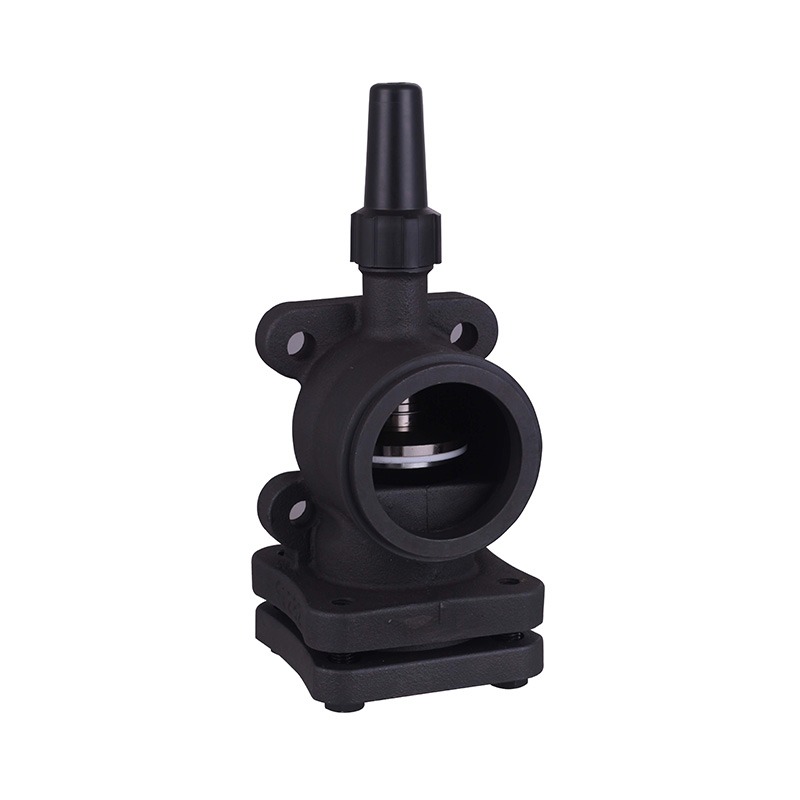 Compressor Refrigeration Cast Iron Shut-Off Vale
High Quality Refrigeration Cast Iron Shut-Off Vale
Compressor Refrigeration Cast Iron Shut-Off Vale
High Quality Refrigeration Cast Iron Shut-Off Vale
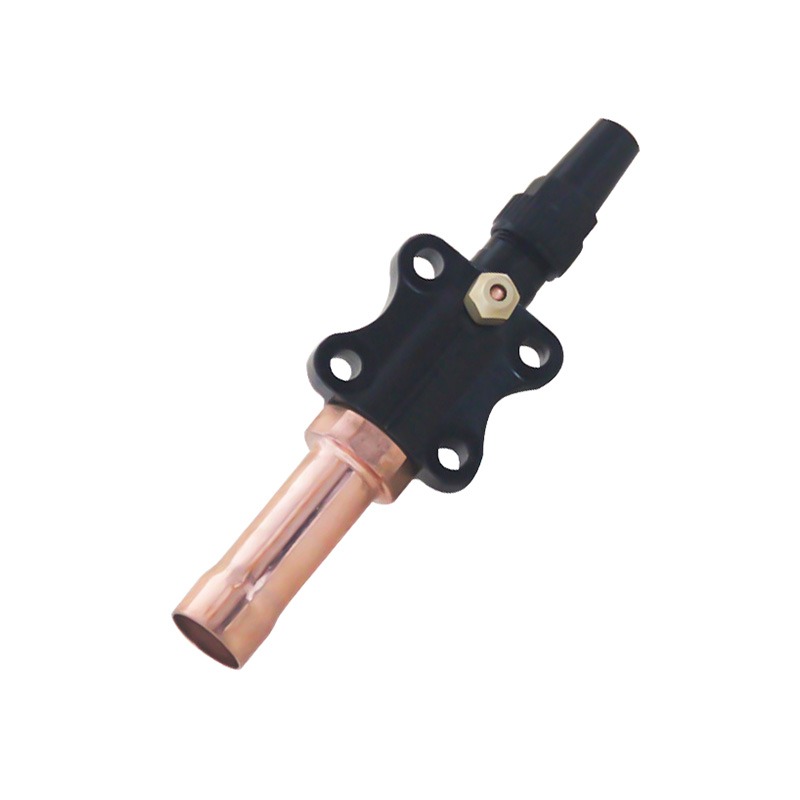 Compressor Refrigeration Copeland Brass Stop Valve
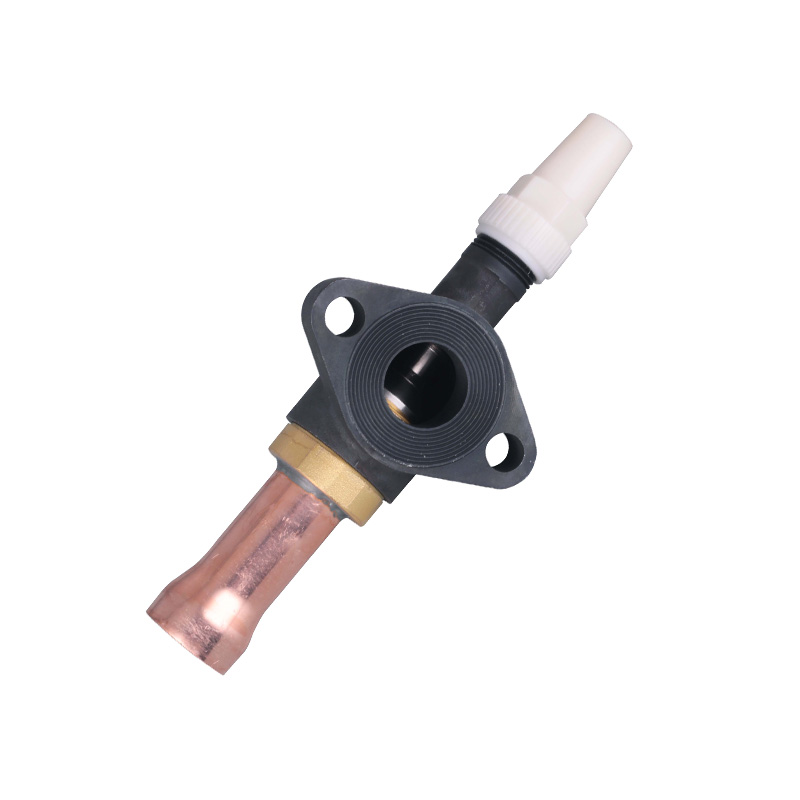 Refrigerant Copeland Brass Stop Valve
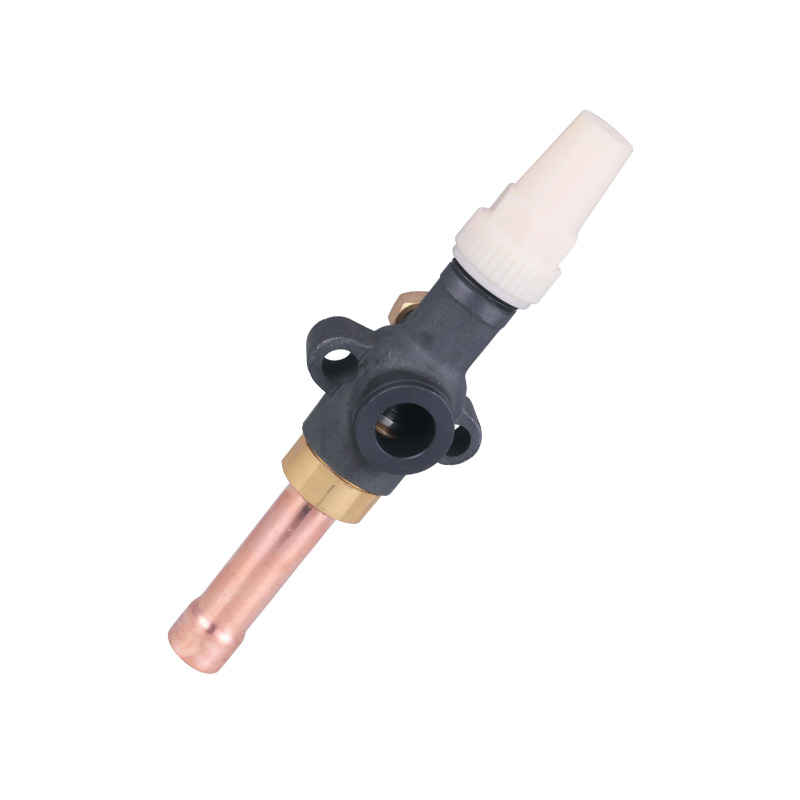 Refrigeration Compressor Copeland Brass Stop Valve
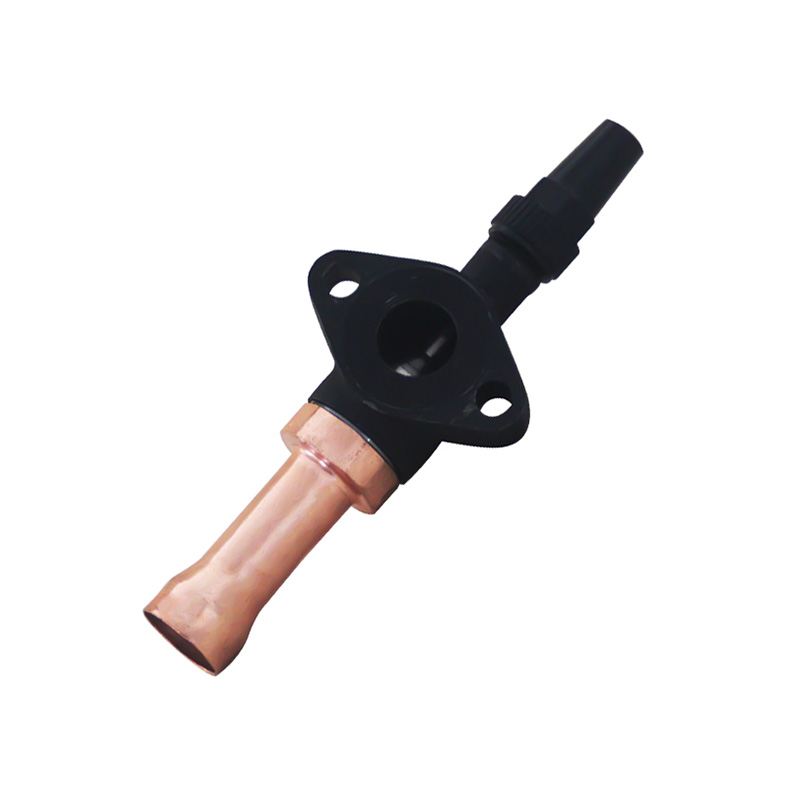 Refrigeration Copeland Brass Stop Valve
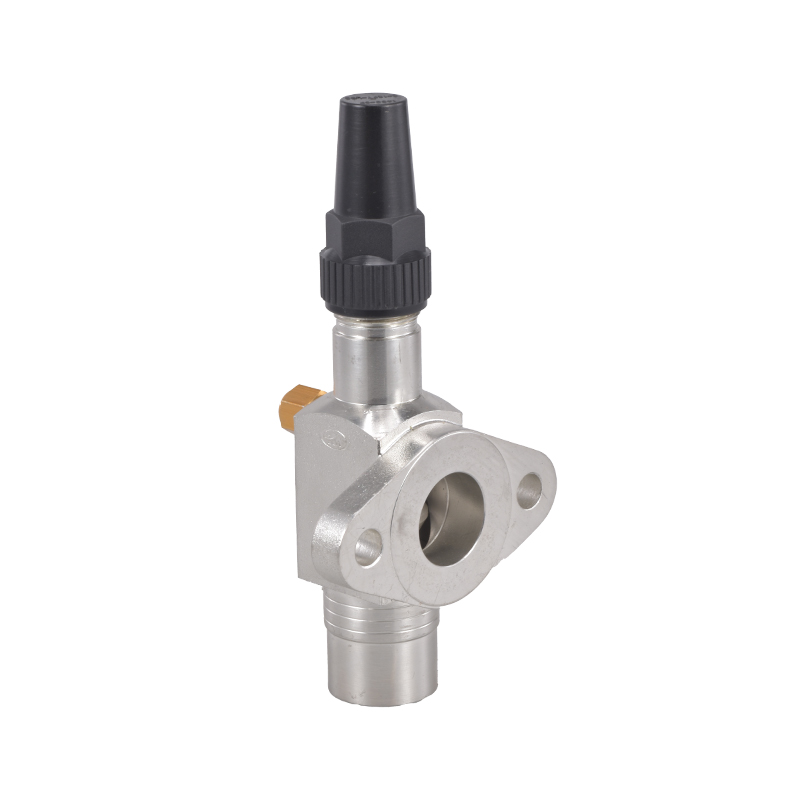 Compressor Refrigeration System Oval Flange
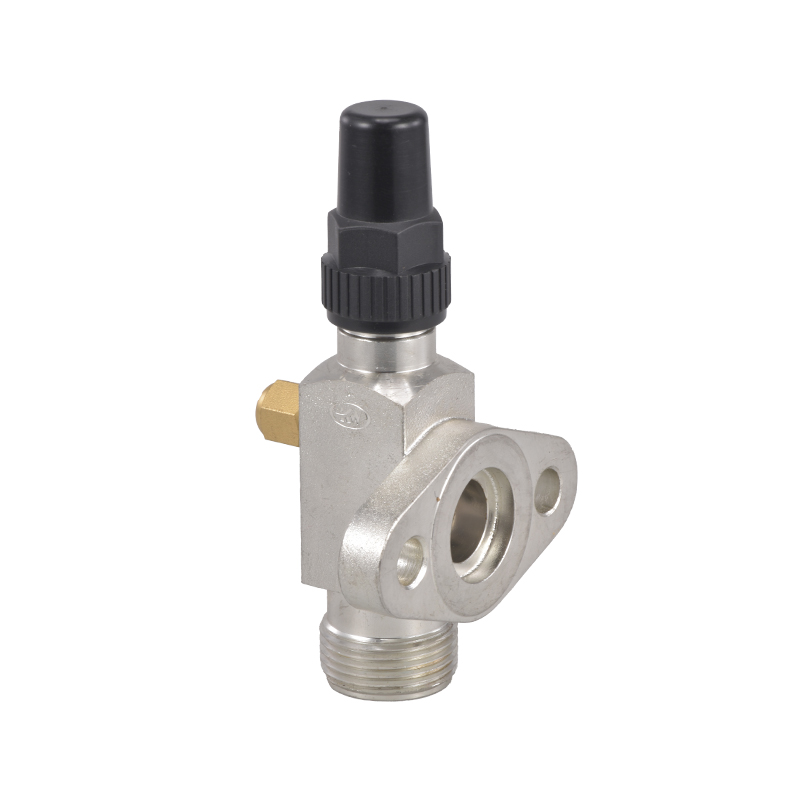 Refrigeration Valve with an Oval Flange




Wholesale Refrigeration Equipment Manufacturer