
 English
 русский
 Deutsch
Custom Welding Gun
As pipeline operators and industrial buyers place greater emphasis on leak prevention, service life,...

Welding guns are indispensable tools in the field of welding, a process that involves joining materials, predominantly metals, by melting them together. Welding is a critical technique used across various industries, including construction, automotive, aerospace, and shipbuilding. The welding gun plays a central role in this process, providing the means to control the heat and pressure required for successful welding.
A typical welding gun consists of several key components that work together to facilitate the welding process:
1. Trigger: The trigger is used to start and stop the flow of current and the welding process. It is the primary control mechanism for the operator.
2. Cable: The cable connects the welding gun to the power source, whether it's a compressor for pneumatic guns or an electrical power source for electric guns.
3. Nozzle: The nozzle directs the flow of shielding gas and concentrates the welding arc. It also helps to control the size of the weld pool and protect the weld area from atmospheric contamination.
4. Contact Tip: The contact tip is the part of the gun that comes into contact with the workpiece and conducts the welding current. It is often made from copper or a copper alloy due to its high electrical conductivity.
5. Gas Diffuser: The gas diffuser is a component that helps to evenly distribute the shielding gas around the weld area, ensuring a stable arc and preventing oxidation of the weld.
Welding guns are designed to work with specific welding processes, each with its own set of requirements and characteristics:
1. MIG (Metal Inert Gas) Welding: MIG welding guns are designed for use with a continuous wire feed and a shielding gas, typically argon or a mixture of argon and carbon dioxide. They are used for a wide range of materials and are known for their ease of use and high deposition rates.
2. TIG (Tungsten Inert Gas) Welding: TIG welding guns use a separate tungsten electrode and a shielding gas, usually argon. They are known for producing high-quality welds with minimal distortion and are often used for precision work.
3. Stick Welding: Stick welding guns are designed for use with a consumable electrode coated in flux. They are simple and robust, making them suitable for outdoor work and heavy-duty applications.
4. Plasma Arc Welding: Plasma welding guns use a constricted arc and a high-velocity gas stream to transfer heat to the workpiece. They are capable of higher travel speeds and can weld a variety of materials, including aluminum and stainless steel.
Modern welding guns offer several advantages over their predecessors:
1. Lightweight Design: Many modern welding guns are designed to be lightweight, reducing operator fatigue during extended use.
2. Digital Controls: Some advanced welding guns feature digital controls, allowing for precise adjustments to welding parameters such as voltage and wire feed speed.
3. Durability: High-quality welding guns are built to withstand the rigors of industrial use, with robust construction and durable components.
4. Versatility: Many welding guns are designed to be versatile, capable of being used with different types of welding processes or adapted for specific applications.
In conclusion, welding guns are a critical component of the welding process, offering the precision and control needed to produce high-quality welds. With advancements in technology, welding guns have become more user-friendly, efficient, and versatile, making them an essential tool for professionals in the welding industry.
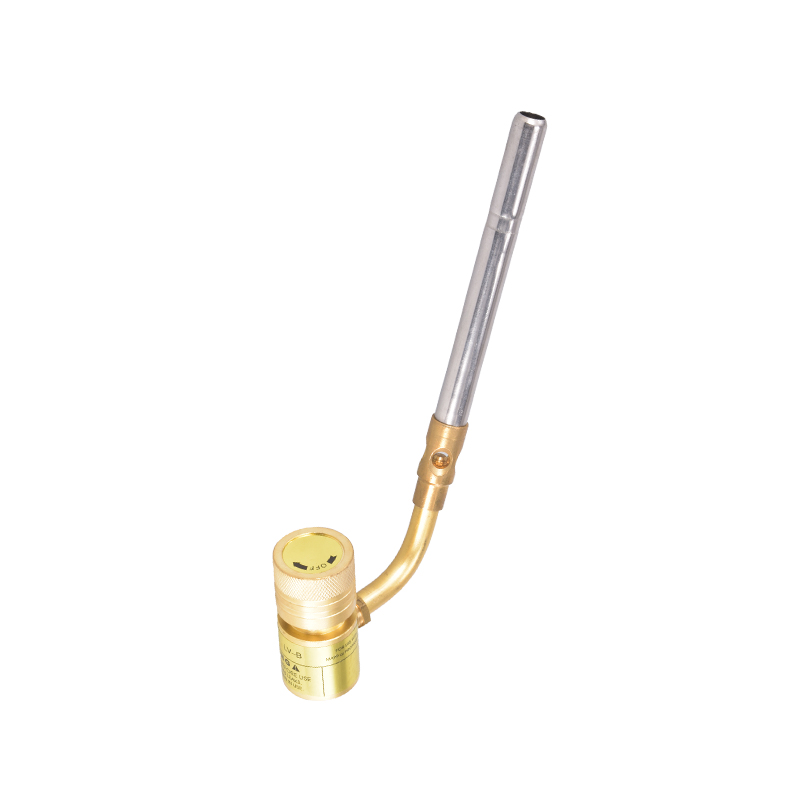
The Stainless Steel Nozzle Handheld Welding Gun is a new tool des...
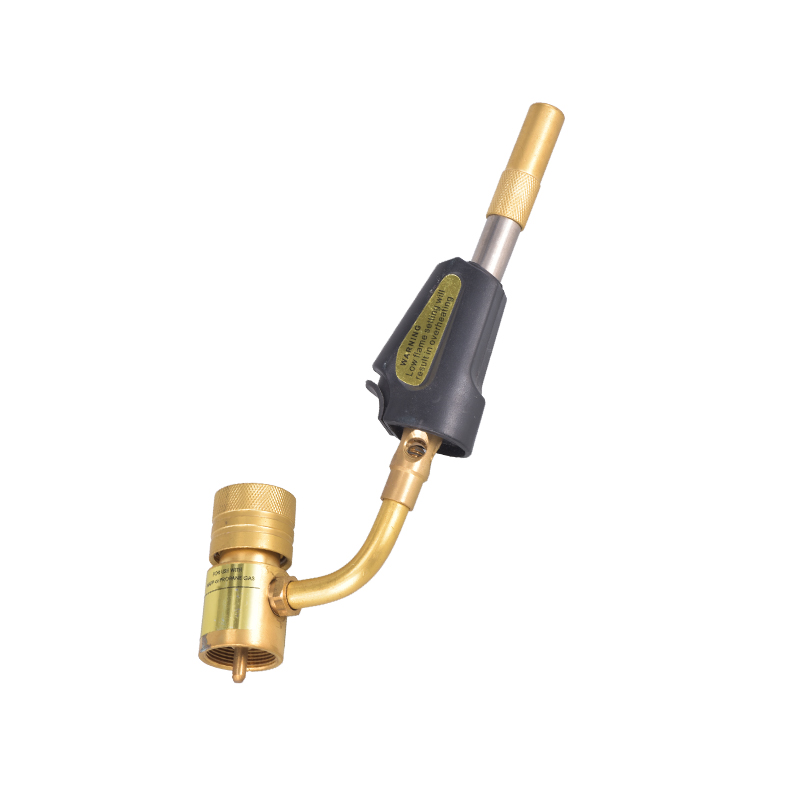
The Automatic Ignition Handheld Welding Gun is a new tool that ha...
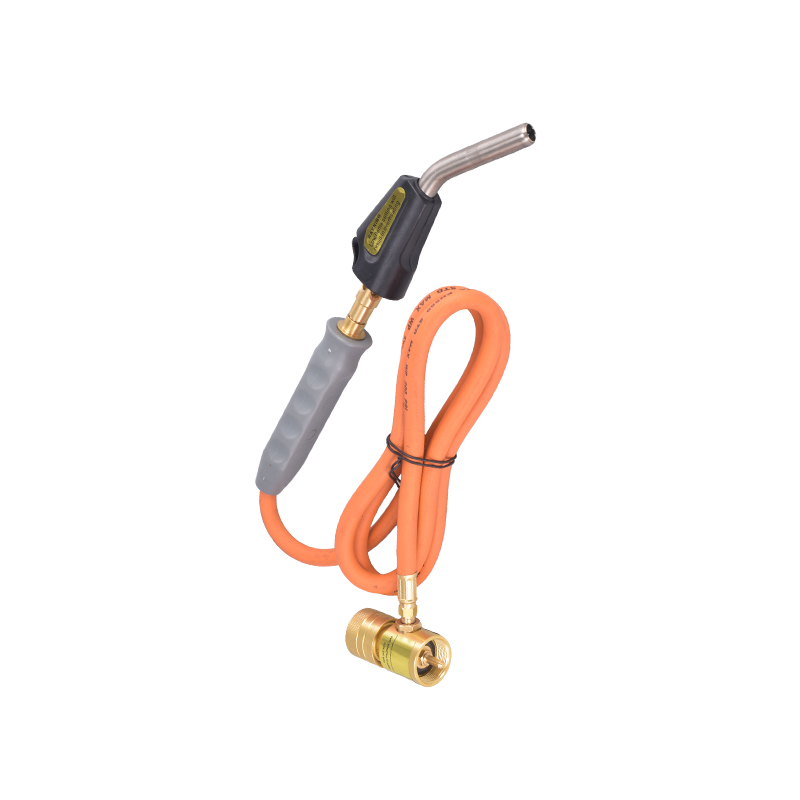
The Refrigeration Automatic Ignition Handheld Welding Gun with Ho...
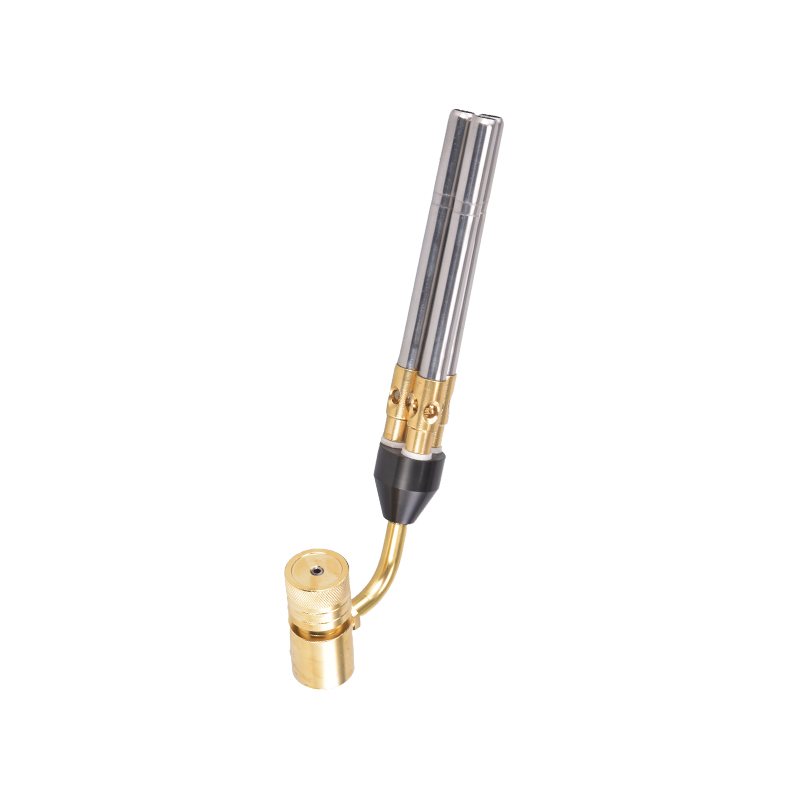
The Rotatable Three Nozzles Handheld Welding Gun is a versatile a...
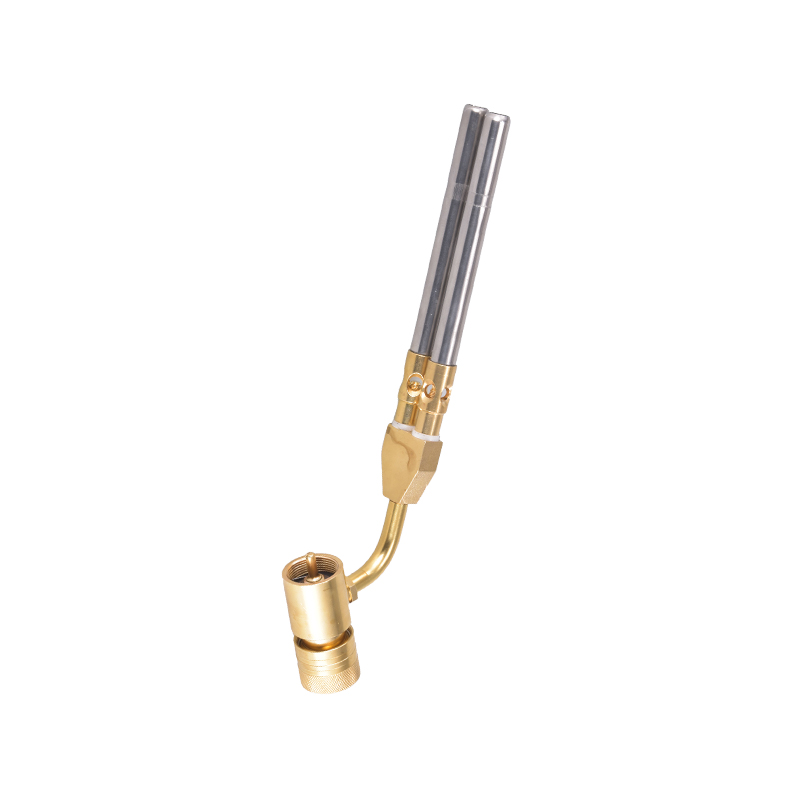
The High Temperature Double Nozzles Handheld Welding Gun is a spe...


As pipeline operators and industrial buyers place greater emphasis on leak prevention, service life,...
As industrial fluid systems become more focused on reliability, maintenance planning, and applicatio...
As industrial equipment becomes more compact and application-focused, component selection has become...
The demand for specialized fluid control components is increasing as industries continue to develop ...
As industries continue to develop more precise and efficient fluid control solutions, valve selectio...
The growing demand for compact industrial equipment, customized machinery, and efficient fluid manag...
With the rapid expansion of global food distribution networks, pharmaceutical logistics hubs, and cr...
In recent years, cold chain logistics has shifted from manual temperature checking to fully data-dri...
In today’s global food logistics, pharmaceutical distribution, and industrial preservation sectors, ...
In global food logistics, pharmaceuticals, agriculture, and chemical storage industries, the demand ...




Stainless Steel Welding Gun in China