
 English
 русский
 Deutsch
Industry News
Home / News / Industry News / When Does Vacuum Pump Maintenance Become Critical for Refrigeration Work?

 By Admin
In refrigeration installation and servicing, evacuation is an essential step before a system is charged with refrigerant. The process helps remove air, water vapor, and other unwanted gases from the circuit, supporting reliable system operation when performed correctly. However, slow evacuation or an unsatisfactory vacuum reading does not always indicate that the equipment itself has failed. For technicians and buyers evaluating a Vacuum Pump, understanding oil condition, connection quality, measurement methods, and maintenance practices can help identify problems more accurately and prevent avoidable delays during commissioning.

A vacuum pump may take longer to reach the expected pressure when its oil is contaminated, connections leak, or internal components are worn. Similar symptoms can also result from restrictions in the hoses or service ports, so replacing the pump immediately may not solve the problem.
Before diagnosing a performance issue, technicians should review the equipment's maintenance history and inspect the complete evacuation setup. Checking the oil condition, hose connections, seals, and inlet fittings provides a practical starting point. Comparing current performance with the manufacturer's specifications under appropriate test conditions can then help determine whether the pump requires servicing or further inspection.
Oil-sealed vacuum pumps rely on suitable oil to support sealing and lubrication within the pumping mechanism. During refrigeration evacuation, moisture and contaminants can affect oil condition, reducing its ability to support normal operation.
Oil should therefore be inspected and replaced according to the pump manufacturer's instructions and the demands of the application. Frequent service work, exposure to moisture, and demanding operating conditions may make more regular checks necessary. Using the specified oil is also important because different formulations should not be assumed to provide interchangeable performance.
For purchasing teams, oil capacity, maintenance access, replacement requirements, and the availability of compatible consumables are useful considerations when comparing vacuum pump models.
Even a properly maintained pump can perform poorly when the evacuation path is restrictive. Narrow hoses, long connections, restrictive fittings, and service valve cores can reduce gas flow between the refrigeration circuit and the pump.
Technicians should select suitable hoses and fittings and minimize unnecessary restrictions where the system design permits. Connecting to both high- and low-pressure sides can also support more effective evacuation on appropriate systems, subject to the equipment manufacturer's procedures.
For buyers, inlet configuration and accessory compatibility deserve attention during product selection. A pump's nominal capacity cannot fully describe how quickly a particular refrigeration system will be evacuated if the connected pipework limits flow.
A reading taken near the pump may differ from the pressure inside the refrigeration circuit, especially when restrictions exist between the two points. This can create a misleading impression that the system has reached the required condition.
An electronic micron gauge positioned at a suitable point on the system provides more useful information about the actual evacuation process. Technicians should follow the equipment and system manufacturer's specified evacuation criteria rather than relying solely on elapsed time or the pump-side gauge.
Once the target condition is reached, an appropriate standing vacuum test can help identify possible leakage or continued moisture release. The results should be interpreted alongside the system design and service procedure.
Air leakage and residual moisture can both complicate evacuation, but they require different responses. A leaking connection may prevent the system from maintaining a low pressure, while moisture trapped in the circuit can continue to vaporize during evacuation.
When readings fail to stabilize, technicians should inspect connections and seals, review the evacuation method, and assess whether the system may still contain moisture. Changing pump settings without identifying the cause can waste service time and leave the underlying issue unresolved.
A clear diagnostic sequence helps maintenance teams determine whether the problem lies in the refrigeration circuit, the connection setup, or the pumping equipment.
Not every refrigeration application requires the same pump configuration. System volume, expected service frequency, hose arrangement, and required evacuation conditions all influence equipment selection.
When comparing a Vacuum Pump for refrigeration service, buyers should review:
These specifications should be evaluated together. A model selected for the actual workload and evacuation method is easier to integrate into service operations than one chosen solely by its advertised ultimate vacuum.
For a refrigeration equipment manufacturer, dependable product selection begins with understanding how the pump will be used, maintained, and measured in the field. Buyers should examine technical specifications alongside service access, oil management, connection options, and operating instructions.
By treating the Vacuum Pump as part of a complete evacuation process, overseas distributors, contractors, and equipment buyers can make more informed purchasing decisions. Regular maintenance, suitable connections, and accurate system-side measurement help technicians identify problems earlier and support a more controlled refrigeration commissioning process.
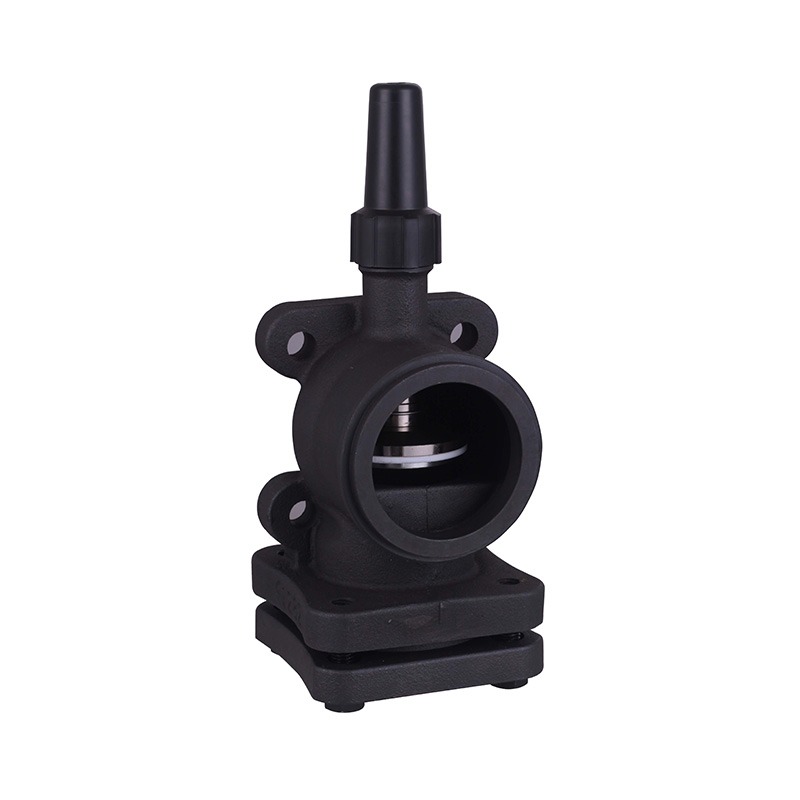 Compressor Refrigeration Cast Iron Shut-Off Vale
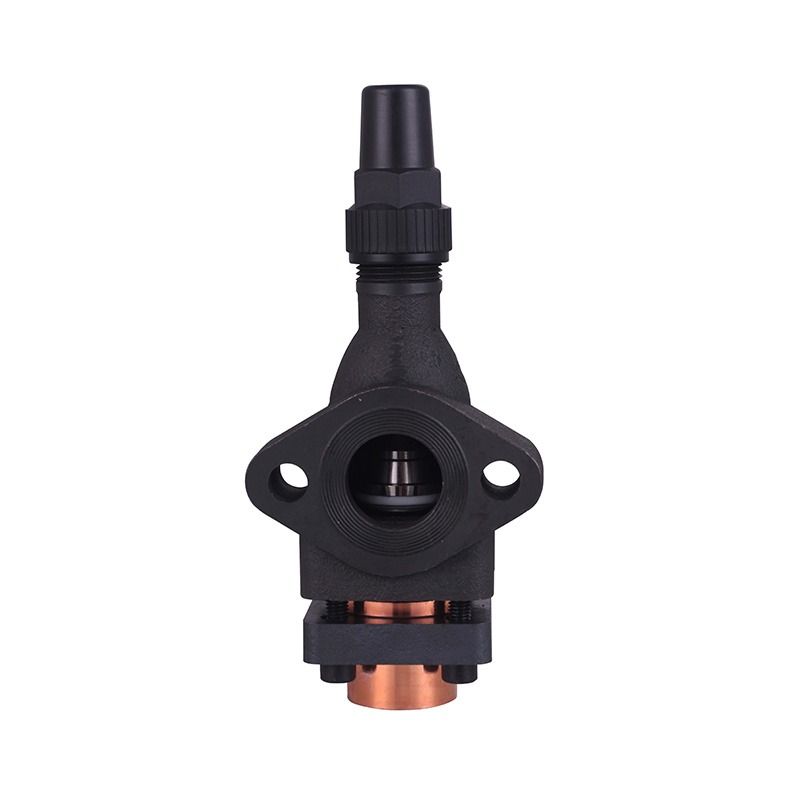 High Quality Refrigeration Cast Iron Shut-Off Vale
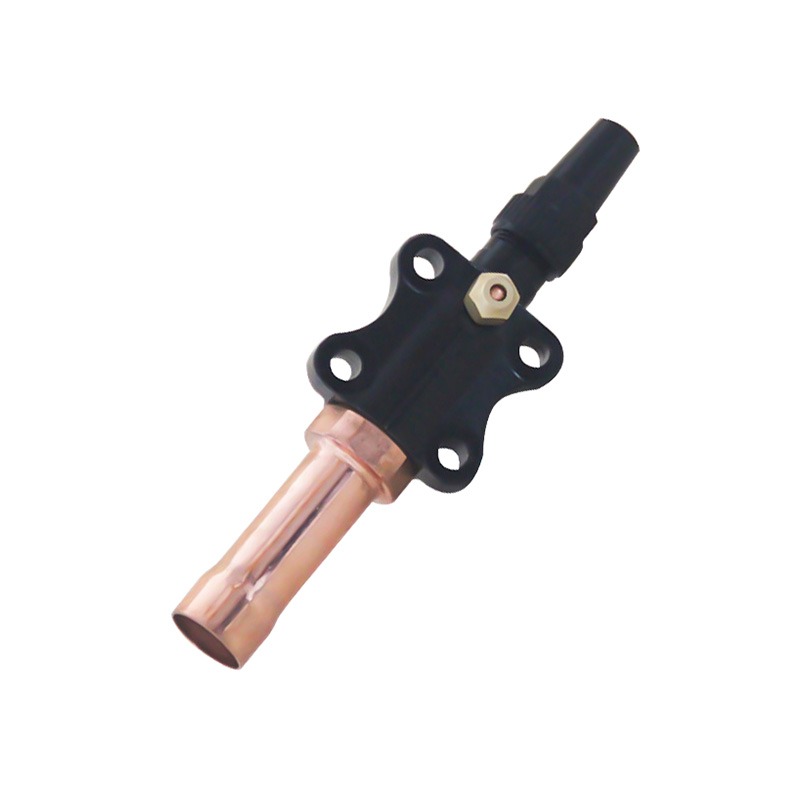 Compressor Refrigeration Copeland Brass Stop Valve
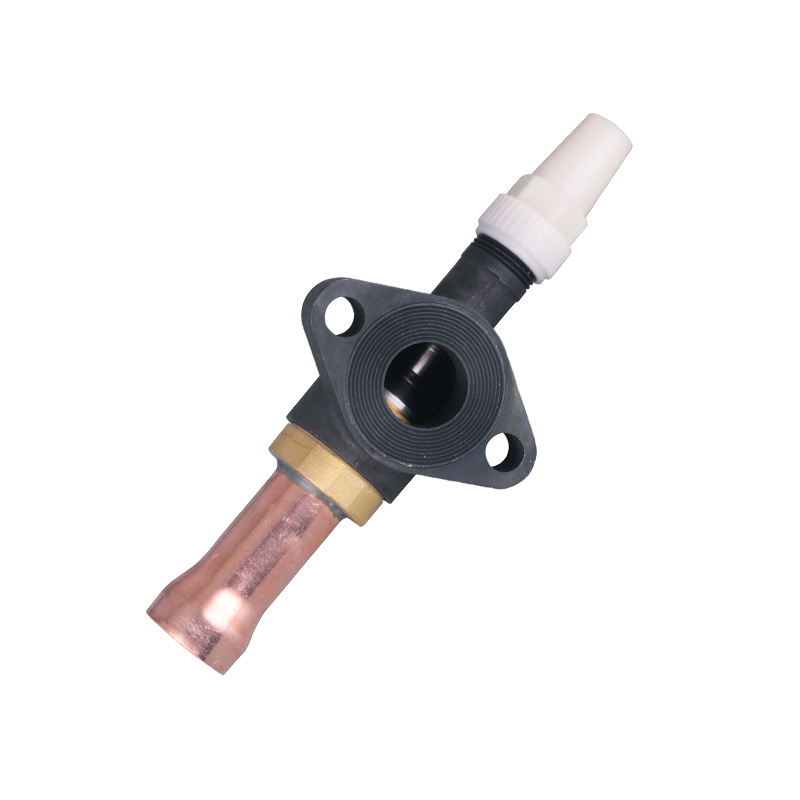 Refrigerant Copeland Brass Stop Valve
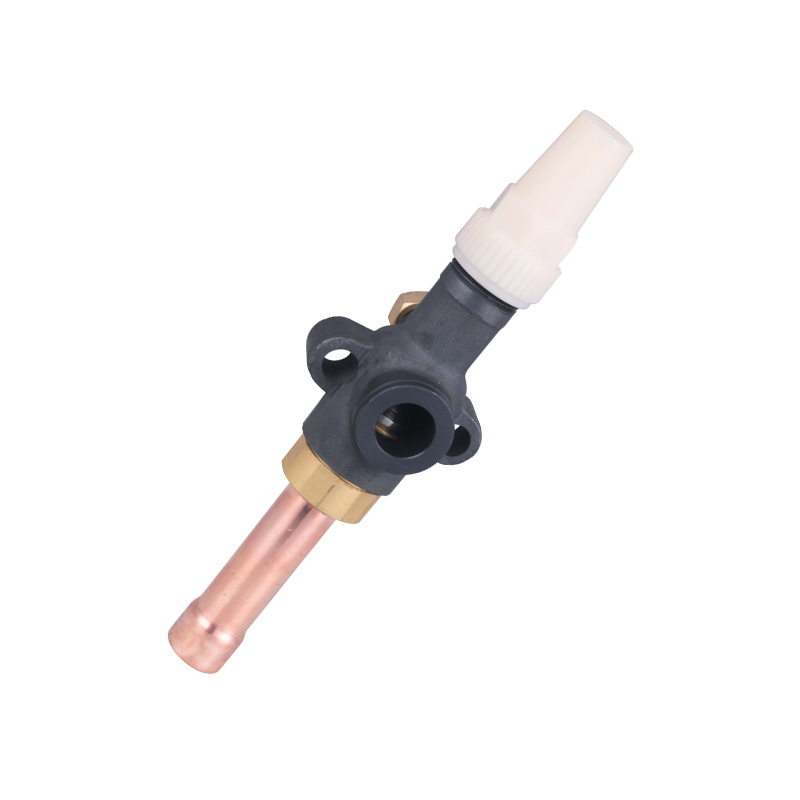 Refrigeration Compressor Copeland Brass Stop Valve
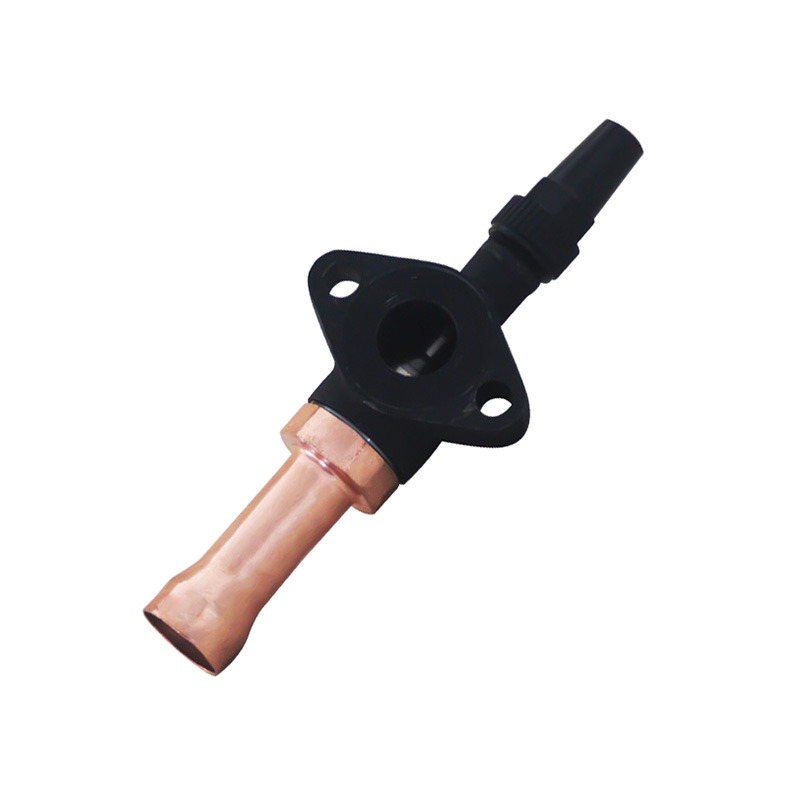 Refrigeration Copeland Brass Stop Valve
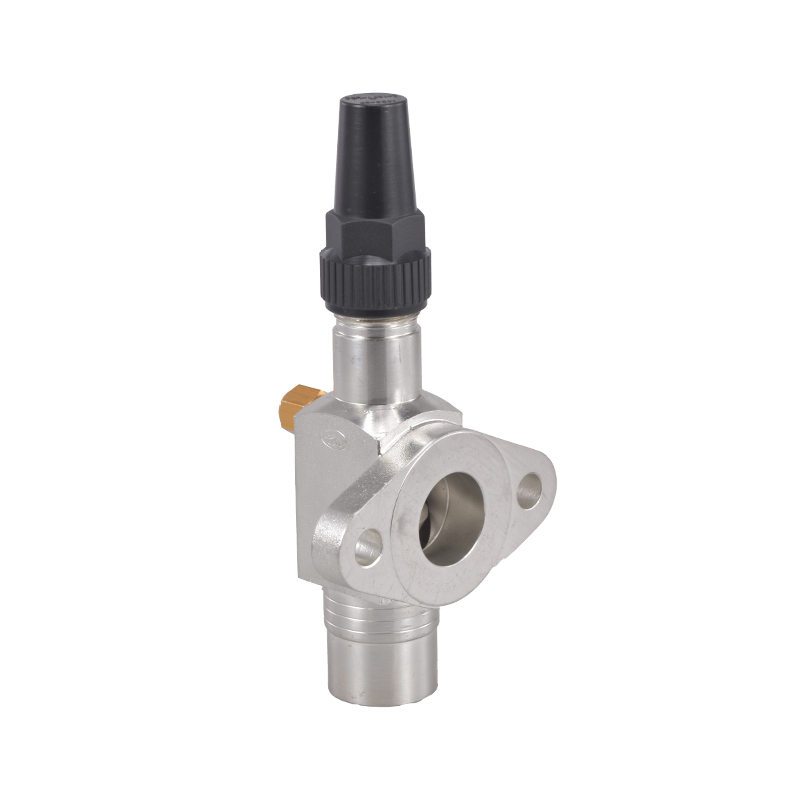 Compressor Refrigeration System Oval Flange
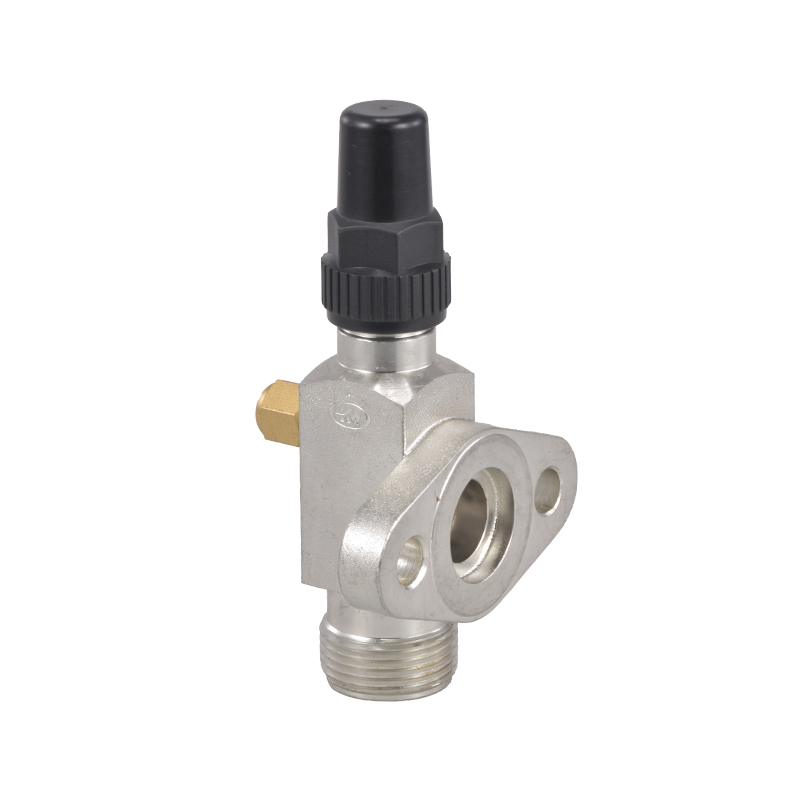 Refrigeration Valve with an Oval Flange




Wholesale Refrigeration Equipment Manufacturer