
 English
 русский
 Deutsch
As infrastructure investment regains momentum across emerging and developed markets, engineering fir...

Vacuum pumps are essential pieces of equipment used in a variety of industries and scientific applications where the creation and maintenance of a vacuum environment is required. These devices remove gas molecules from a sealed volume to create a low-pressure environment, or vacuum. The ability to control and manipulate pressure levels is crucial in many processes, from scientific research to industrial manufacturing.
Vacuum pumps are intricately designed to efficiently remove gases from a sealed system to achieve a vacuum. A vacuum pump consists of many components:
1. Pump Housing: The housing is the outer structure that encloses all the internal parts of the pump. It is typically made of metal or a strong, durable material to withstand the pressure changes within the pump.
2. Pump Mechanism: This is the core of the vacuum pump, which can be a rotary vane, piston, scroll, or other types depending on the pump design. The mechanism is responsible for the actual compression and evacuation of gases.
3. Seals and Gaskets: These components prevent gas leakage and ensure that the vacuum chamber remains sealed during operation. They are often made from materials that can withstand the wear and tear of continuous operation.
4. Valves: Various valves control the flow of gas into and out of the pump. They can be manual or automated and are crucial for maintaining the correct pressure levels.
5. Motor: The motor provides the power necessary to drive the pump mechanism. It can be an electric motor in many cases, but other power sources can be used depending on the specific application.
6. Intake and Exhaust Ports: These are the points where the gas enters the pump and where the compressed gas is expelled. They are designed to handle the specific flow rates and pressure differentials associated with the pump's operation.
The versatility of vacuum pumps is evident in their wide range of applications:
1. Semiconductor Manufacturing: Vacuum pumps are critical in the creation of semiconductors, where they are used to provide a clean, particle-free environment for processes like etching and deposition.
2. Pharmaceutical and Biotechnology: In these industries, vacuum pumps are used for freeze-drying, which is essential for preserving the potency of certain drugs and vaccines.
3. Material Science: Vacuum pumps are used in the study of materials at the molecular level, where they create the necessary environment for experiments involving electron microscopy and other high-vacuum techniques.
4. Food Processing: Vacuum pumps are used in packaging to remove air and extend the shelf life of food products.
The advantages of vacuum pumps include:
1. Controlled Environment: They provide precise control over pressure levels, which is essential for many processes.
2. Efficiency: Modern vacuum pumps are designed for high efficiency, reducing energy consumption and operational costs.
3. Reliability: With proper maintenance, vacuum pumps can offer long service life and reliable performance.
4. Versatility: The variety of vacuum pumps available allows for the selection of the many suitable pump for a specific application.
In conclusion, vacuum pumps are indispensable tools in a variety of industries and scientific fields. Their ability to create and maintain vacuum environments is key to many processes, from the production of high-tech components to the preservation of food products. With the right selection and care, vacuum pumps can provide reliable service for years to come.
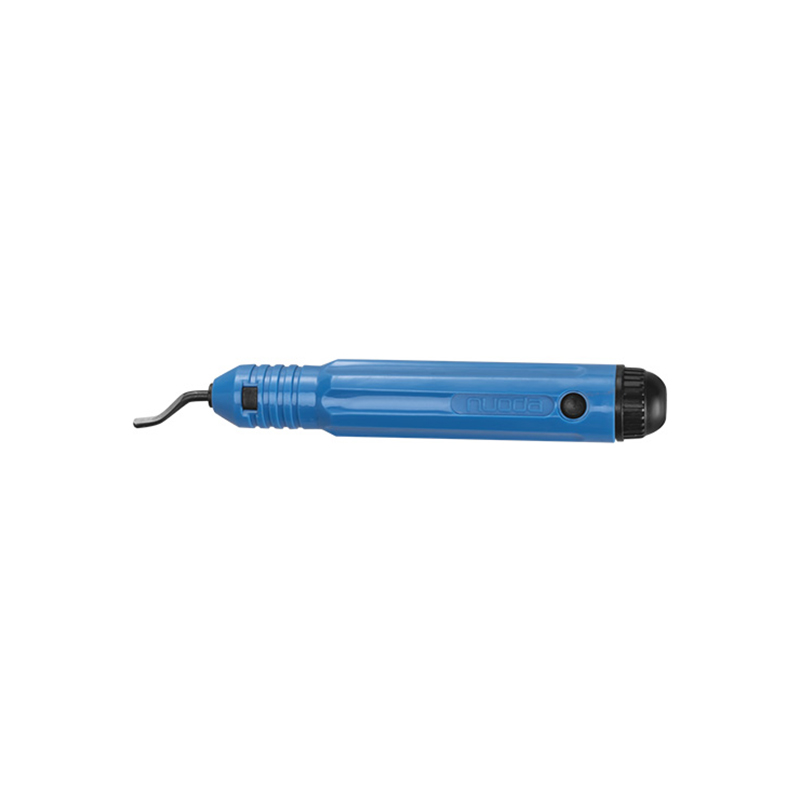
The Sharp Portable Easy to Operate Deburrer is a precision tool d...
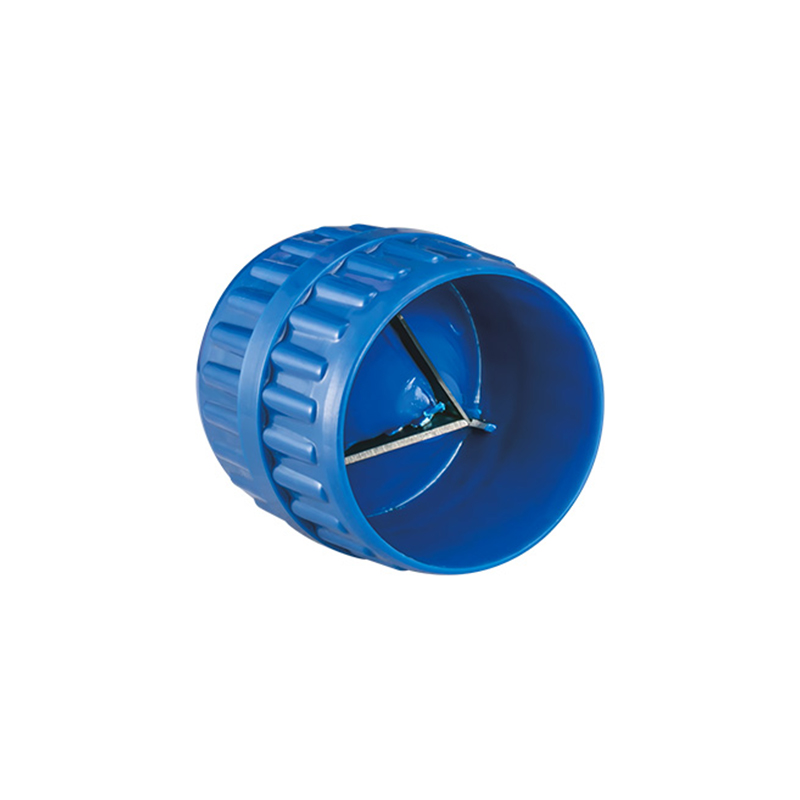
The Inner-Outer Manual Reaming Deburring Apparatus is a specializ...
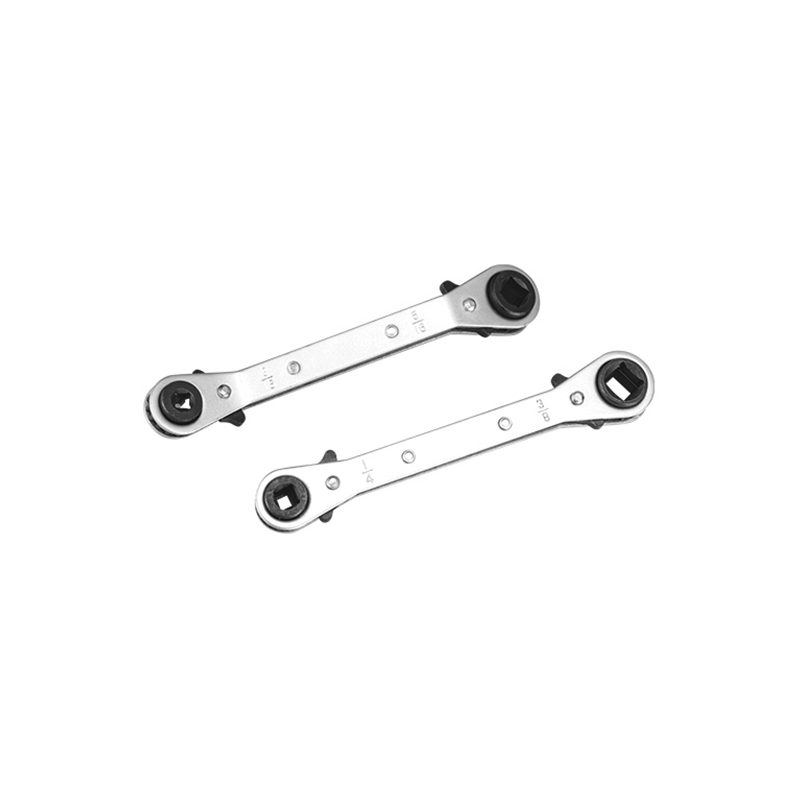
The Outstanding Refrigeration Tool Batchet Wrench is a high-quali...
The Manual Repair Tool Batchet Wrench for Refrigeration is a spec...
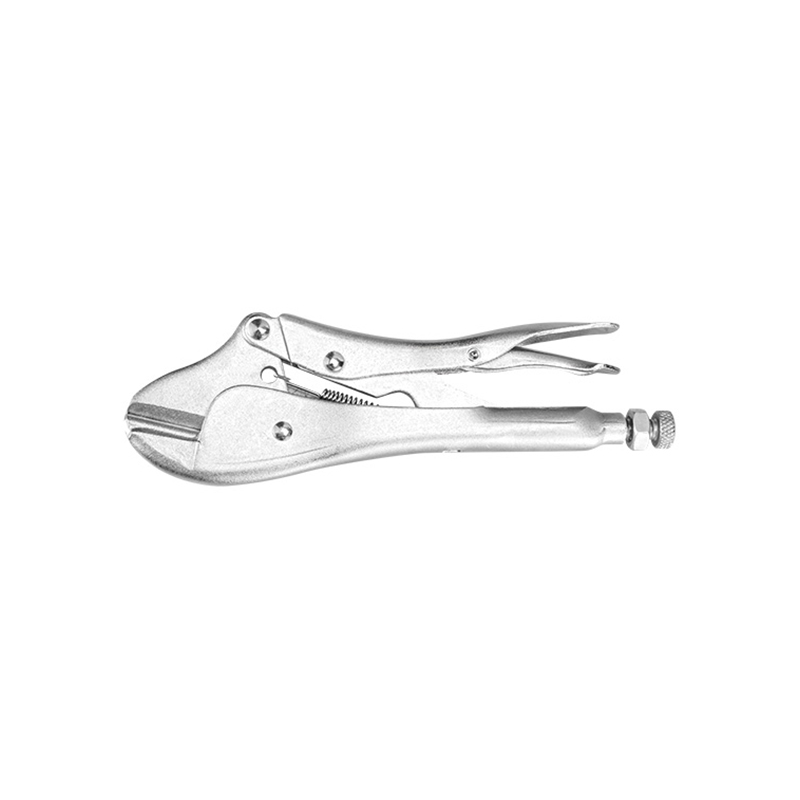
The Refrigerant Tool Easy Sealing Pincn Off Plier is a new tool d...
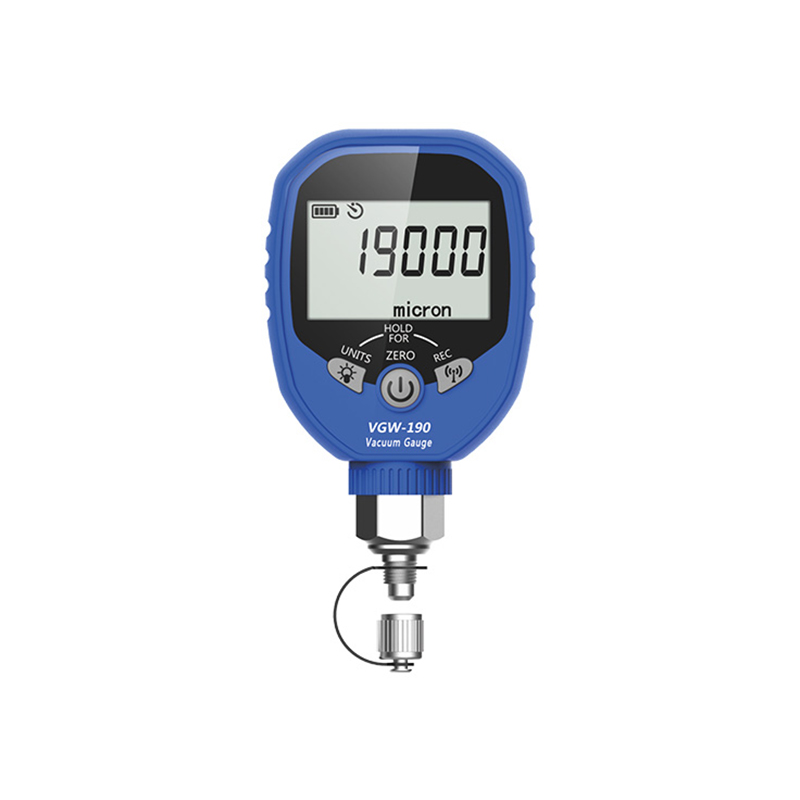
The Professional Refrigerant Wireless Digital Vacuum Gauge is a n...
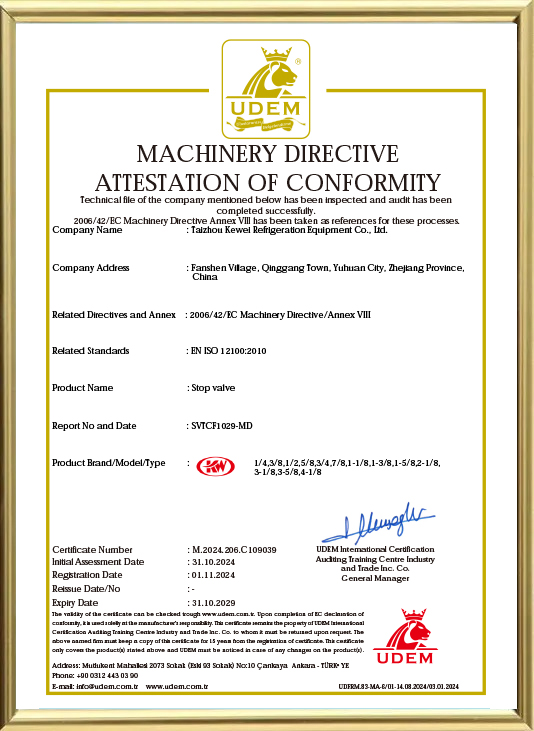


As infrastructure investment regains momentum across emerging and developed markets, engineering fir...
As global industries accelerate toward energy efficiency and automation, the demand for reliable pip...
Across global markets, discussions around water conservation, pipeline safety, and industrial effici...
Across global markets, infrastructure renewal and industrial modernization are frequent topics in en...
As industries worldwide aim to reduce energy consumption and environmental impact, the demand for ef...
Pipeline safety and operational efficiency are becoming increasingly important in industries worldwi...
Across global industrial operations, equipment reliability and operational precision have become top...
In industries ranging from oil and gas to water treatment, precision and reliability in fluid contro...
As global industries move toward automation, energy efficiency, and safer operations, fluid control ...
In today’s global industrial environment, precision, reliability, and energy efficiency are top conc...




Refrigerant Recovery Vacuum Pump