
 English
 русский
 Deutsch
Industry News
Home / News / Industry News / How Do One-Way Stop Valves and Solenoid Valves Improve Modern Fluid Control?

 By Admin
In today’s fast-evolving industrial landscape, efficiency, reliability, and safety are top priorities for system designers and engineers. Among the most discussed components on international engineering forums are the One-Way Stop Valve and the Solenoid Valve, both essential for controlling fluid flow in a wide range of applications. Overseas buyers are increasingly looking for components that offer precision, durability, and adaptability, ensuring consistent operation in complex systems from water treatment plants to automated production lines. The growing emphasis on automation, smart control, and energy efficiency has further elevated the importance of these valves in modern industrial systems.
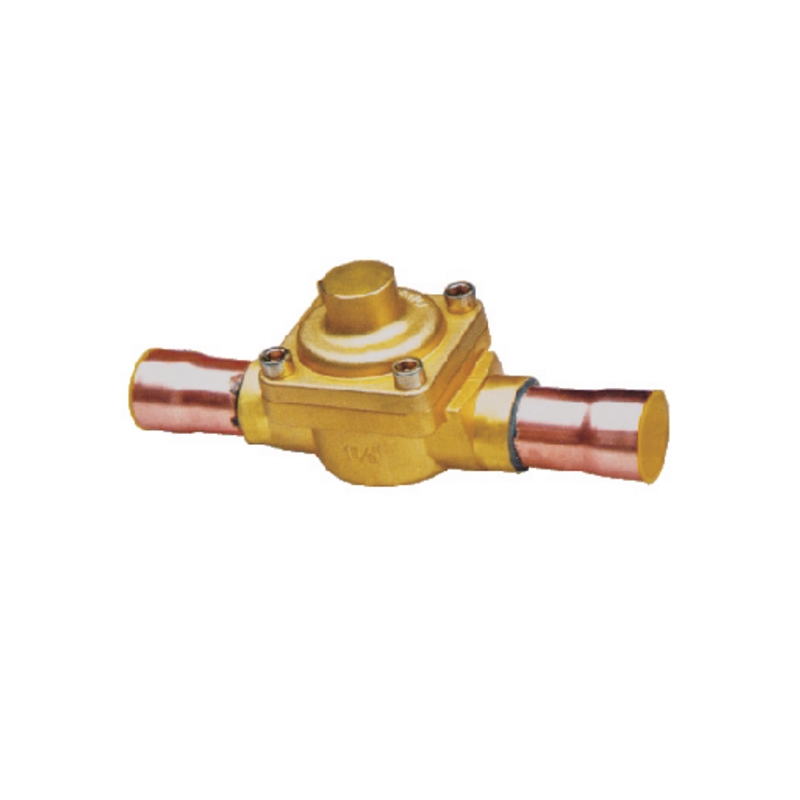
One-way stop valves, also called check valves, prevent reverse flow that can compromise system integrity. They are critical in pipelines, water supply networks, chemical processing lines, and heating systems, where backflow could cause equipment damage or contamination. Buyers worldwide emphasize material quality, leak-proof performance, and long-term reliability. High-performance valves ensure that even under variable pressure or fluctuating flow rates, the system remains stable. Manufacturers that provide clear specifications, rigorous testing, and high-quality materials are preferred in global markets.
Solenoid valves add automation capabilities, enabling precise control over fluid flow through electrical actuation. They are widely adopted in irrigation, HVAC, compressed air systems, chemical dosing, and industrial machinery. Overseas customers value solenoid valves for quick response, energy efficiency, and compatibility with control systems like PLCs or IoT-enabled monitoring solutions. The combination of one-way stop valves and solenoid valves ensures that systems operate smoothly, reduces human error, and allows operators to remotely adjust settings for optimal performance, supporting smarter and more efficient industrial operations.
Industrial systems often expose valves to high pressures, temperature variations, and corrosive fluids. Therefore, material choice is a major consideration. Stainless steel, brass, and high-grade plastics are commonly used to ensure performance and longevity. Manufacturers that offer guidance on material selection based on operating conditions help customers reduce maintenance, prevent downtime, and achieve more reliable system performance. Additionally, surface treatments and precise machining enhance wear resistance and corrosion protection, extending the valve's functional lifespan in demanding applications.
The global demand for high-performance valves is fueled by diverse applications. Water treatment facilities need reliable check valves to prevent contamination and maintain pressure control. HVAC and heating systems rely on solenoid valves for efficient automated flow management. Food, beverage, and pharmaceutical industries require corrosion-resistant valves to meet strict hygiene standards. Chemical plants and manufacturing lines benefit from precise, automated control to maintain consistent production quality. Highlighting these applications helps overseas buyers see the practical advantages of investing in high-quality one-way stop valves and solenoid valves.
Beyond product quality, overseas buyers also assess suppliers based on service, technical support, and customization capabilities. Reliable manufacturers offer OEM solutions, tailored specifications, and responsive customer support. Experienced suppliers can provide design consultations, suggest material upgrades, and optimize flow performance for specific systems. Partnering with knowledgeable suppliers ensures that projects proceed smoothly, systems remain operational, and long-term relationships are maintained, which is especially important for large-scale international projects.
As industries worldwide embrace automation, smart infrastructure, and energy-efficient systems, components like the One-Way Stop Valve and Solenoid Valve are increasingly recognized as essential for safe, efficient, and reliable fluid control. By investing in high-quality valves, engineers and system operators can achieve improved system performance, reduce maintenance, prevent operational disruptions, and enhance overall safety. These valves continue to gain traction in overseas markets, serving as critical elements in modern industrial and commercial applications, and offering long-term value for buyers seeking both reliability and operational efficiency.
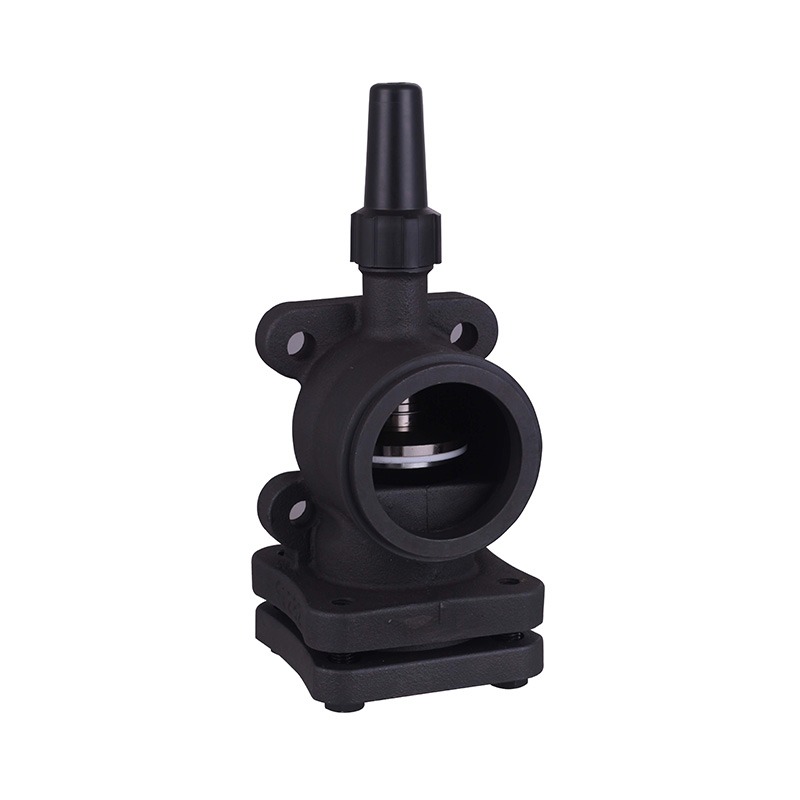 Compressor Refrigeration Cast Iron Shut-Off Vale
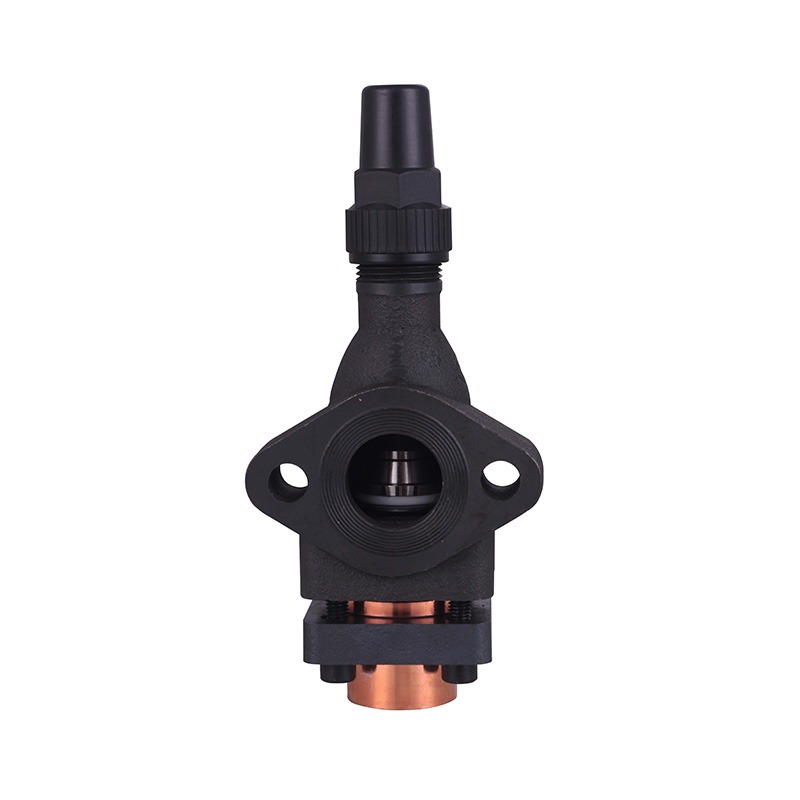 High Quality Refrigeration Cast Iron Shut-Off Vale
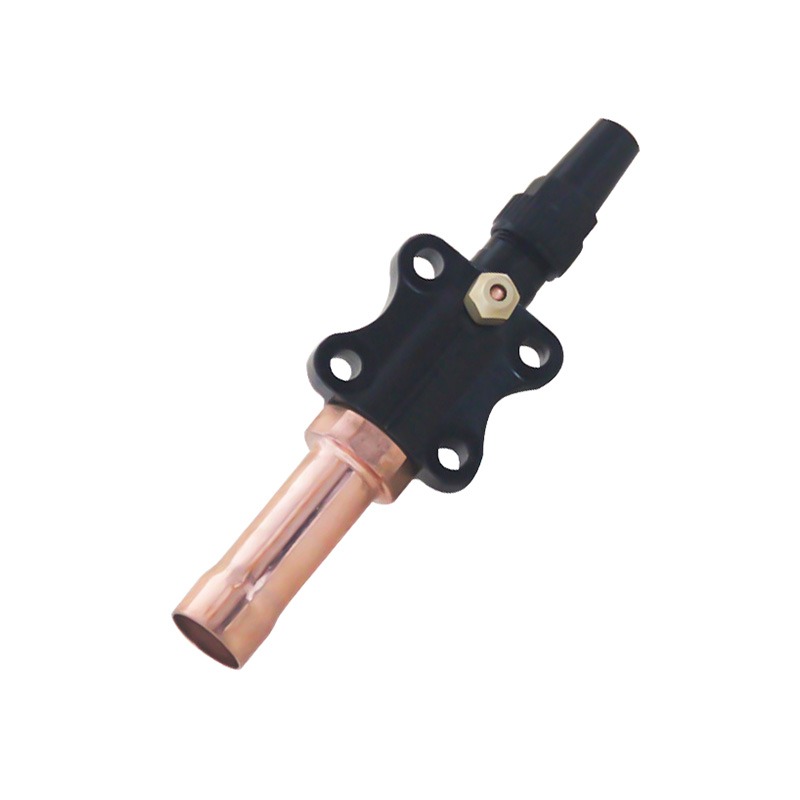 Compressor Refrigeration Copeland Brass Stop Valve
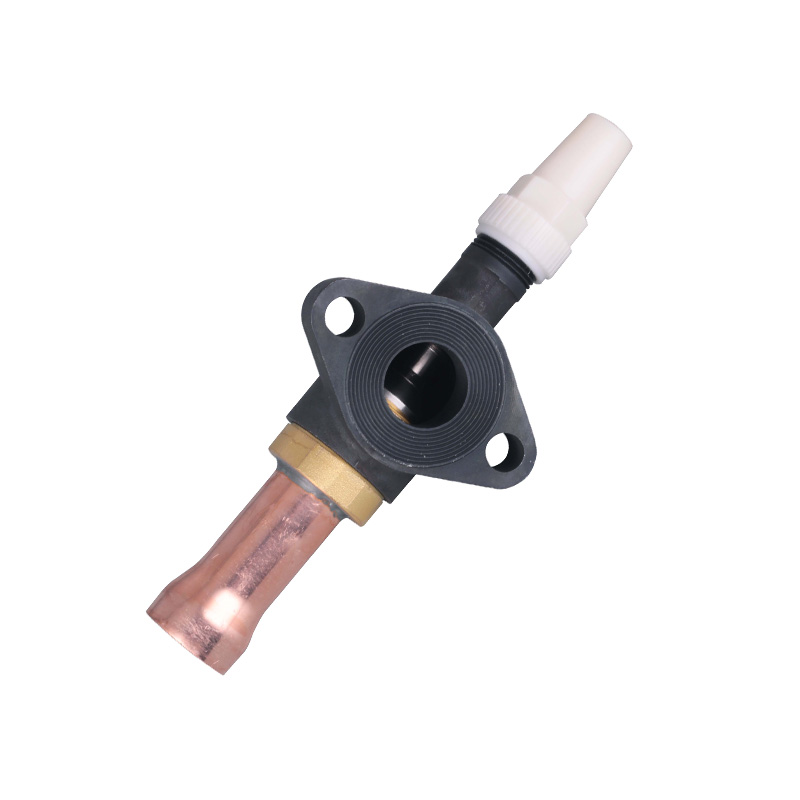 Refrigerant Copeland Brass Stop Valve
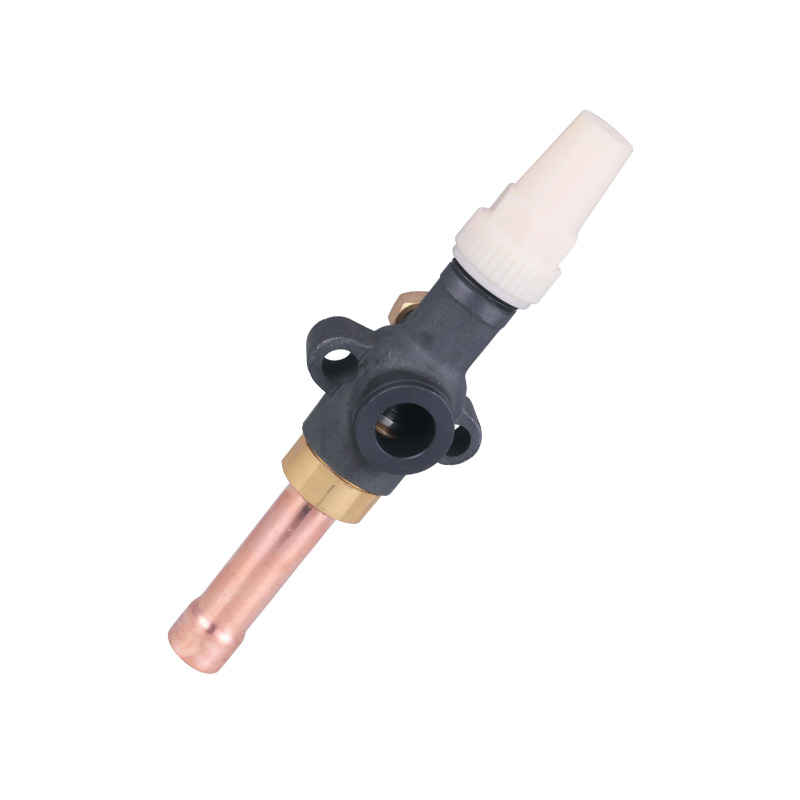 Refrigeration Compressor Copeland Brass Stop Valve
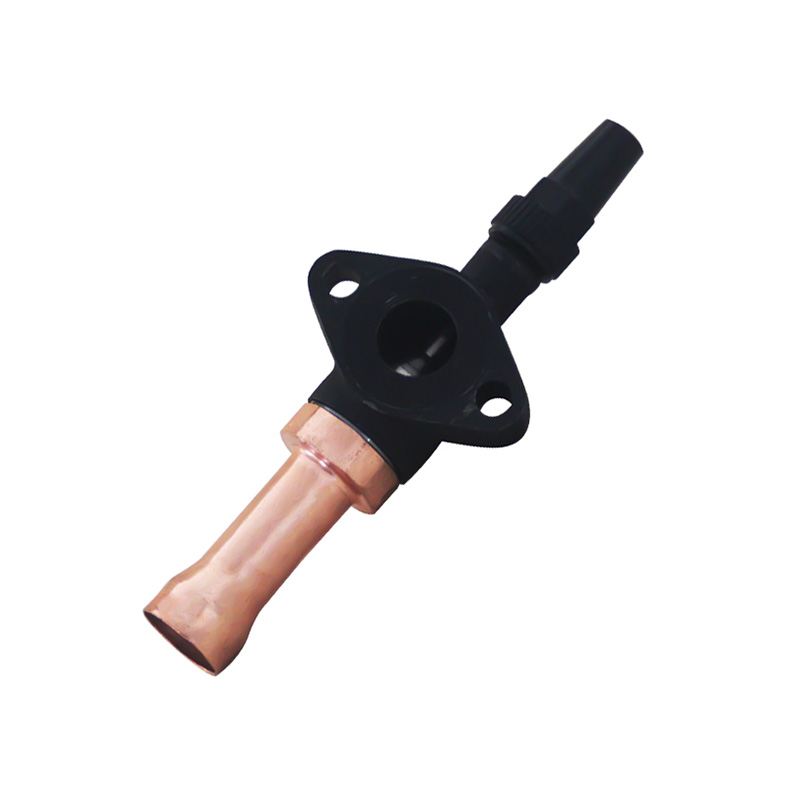 Refrigeration Copeland Brass Stop Valve
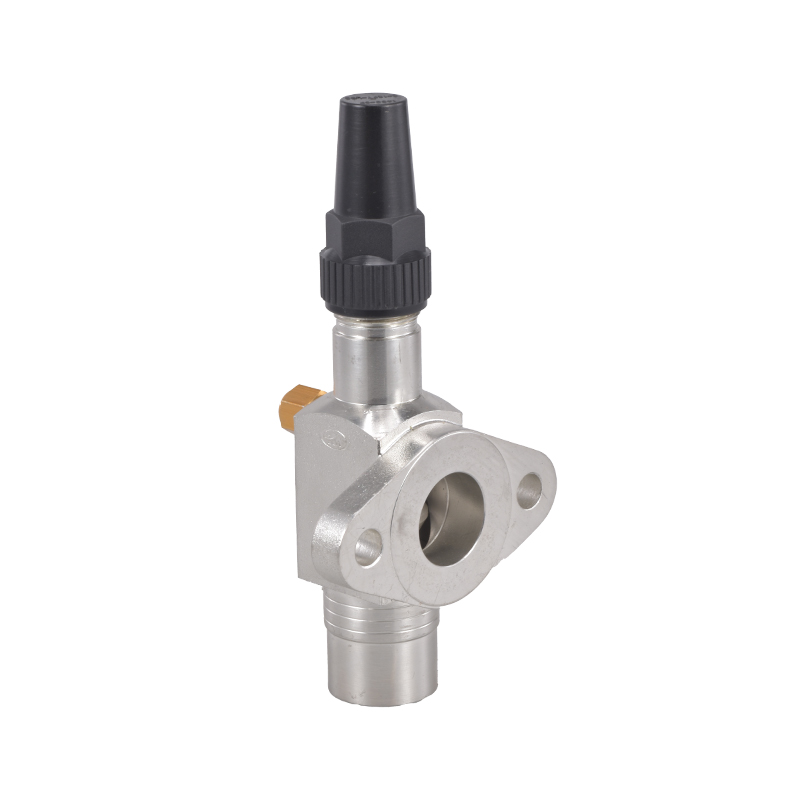 Compressor Refrigeration System Oval Flange
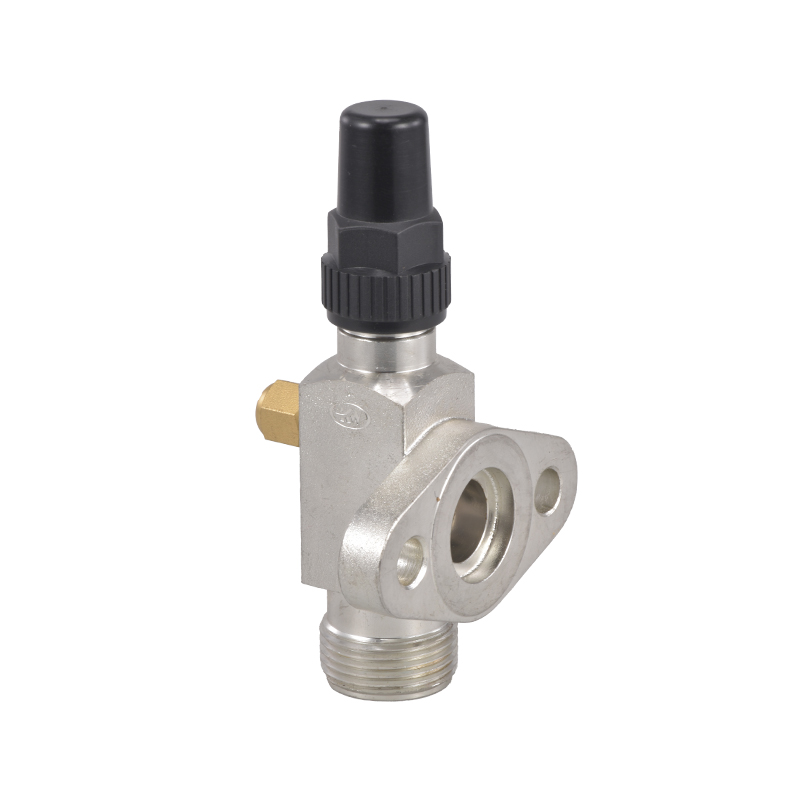 Refrigeration Valve with an Oval Flange




Wholesale Refrigeration Equipment Manufacturer