
 English
 русский
 Deutsch
Industry News
Home / News / Industry News / Why Are Cast Iron Stop Valves Becoming More Visible in Global Infrastructure Discussions Today?

 By Admin
As countries accelerate infrastructure upgrades and modernize essential public systems, a noticeable trend has emerged across engineering communities worldwide: renewed interest in dependable flow-control components such as the Cast Iron Stop Valve and the One-Way Stop Valve. Overseas forums, procurement platforms, and industry-focused social media channels frequently highlight these two categories when discussing long-term system efficiency, stable water management, and sustainable pipeline construction. Their increasing visibility reflects a broader shift toward selecting equipment that supports reliable performance during extended operation, even in challenging environments.
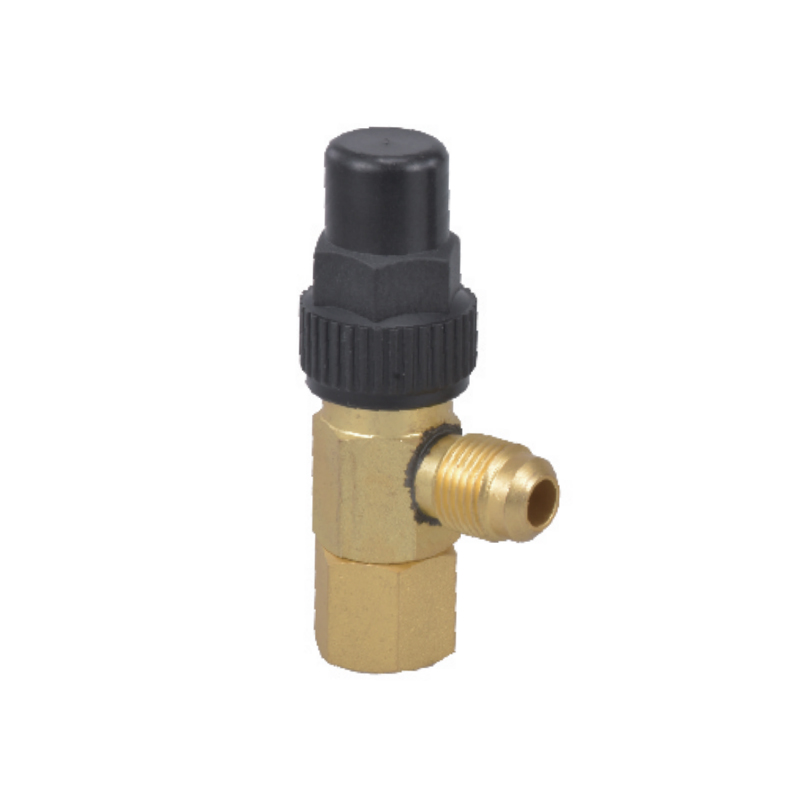
One of the primary reasons cast iron valves are regaining importance is the rapid expansion of global cities. Urbanization brings higher demand for water distribution, municipal pressure regulation, and building service pipelines. Engineers responsible for designing these systems often emphasize the importance of stable shutoff capabilities. Cast iron Stop Valves, known for their reliable structure, are increasingly referenced in relation to long-term urban water stability. Discussions among international consultants often point out that installing robust shutoff solutions early in the process helps reduce future maintenance and ensures smoother network management.
Across professional networks such as LinkedIn and international engineering forums, the topic of maintenance cost control is gaining traction. Facility managers and project supervisors frequently highlight the need for equipment that does not require frequent intervention. While advanced automated valves are valuable in many systems, many projects still prefer mechanical components that offer predictable operation without excessive upkeep. Cast iron Stop Valves are often emphasized for striking a balance between durability and maintenance simplicity—an appealing advantage for overseas buyers managing large facilities or municipal networks.
A major challenge in global infrastructure renovation is the blending of older pipeline materials with newly installed sections. Many cities have partial upgrades, resulting in hybrid systems with pipes of different ages, coatings, or materials. International contractors often mention the importance of selecting valves that can integrate smoothly into these mixed environments. Cast iron models frequently appear in renovation discussions because they are adaptable across various pipe configurations and are considered dependable in systems undergoing phased replacement.
Sustainable engineering is now one of the most talked-about topics on overseas technical platforms. Water conservation initiatives, efficient building certifications, and eco-friendly industrial upgrades all encourage the use of components that support long-term stability. Cast iron valves align with these sustainability goals by contributing to reduced wastage and minimizing unnecessary component replacement. Meanwhile, backflow prevention—an essential part of resource protection—is making the One-Way Stop Valve increasingly relevant in conversations about clean water management, system hygiene, and environmental risk reduction.
Across industrial communities, discussions regarding pipeline safety and pressure balance continue to intensify. Engineers consistently emphasize that reliable shutoff valves play a vital role in preventing system stress and protecting downstream components. Cast iron Stop Valves are often highlighted as stable solutions in heating systems, water networks, and industrial applications that depend on controlled closure. At the same time, the role of One-Way Stop Valves is being discussed more frequently due to their ability to prevent reverse flow—an essential feature for maintaining system integrity in modernized facilities.
In recent years, digital marketplaces have reshaped the way global buyers select industrial components. Procurement teams now have access to broader product information, professional reviews, and comparative presentations. Cast iron valve products have benefited from this transparency, as engineers often share real-world usage experiences that highlight their stability and adaptability. These insights help international buyers make more confident decisions, ultimately contributing to rising interest in sturdy shutoff components for both new projects and upgrades.
As global infrastructure continues to evolve, project leaders are prioritizing components that support resilience and predictable operation. This trend is expected to continue influencing purchasing preferences across municipal construction, industrial processing, and building service sectors. For this reason, the Cast Iron Stop Valve and the One-Way Stop Valve remain highly relevant topics among international decision-makers seeking reliable flow-control solutions.
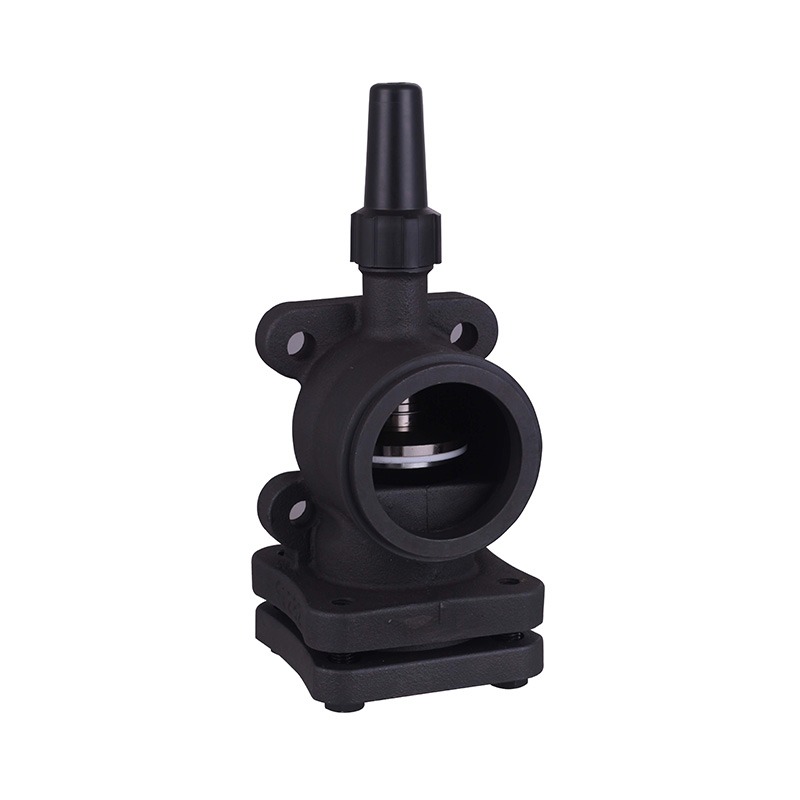 Compressor Refrigeration Cast Iron Shut-Off Vale
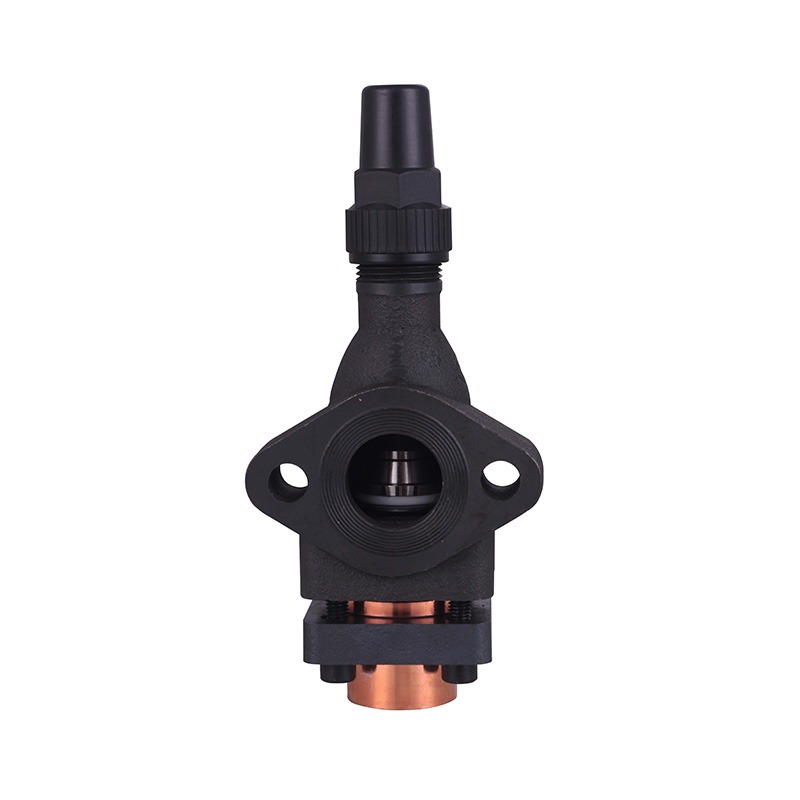 High Quality Refrigeration Cast Iron Shut-Off Vale
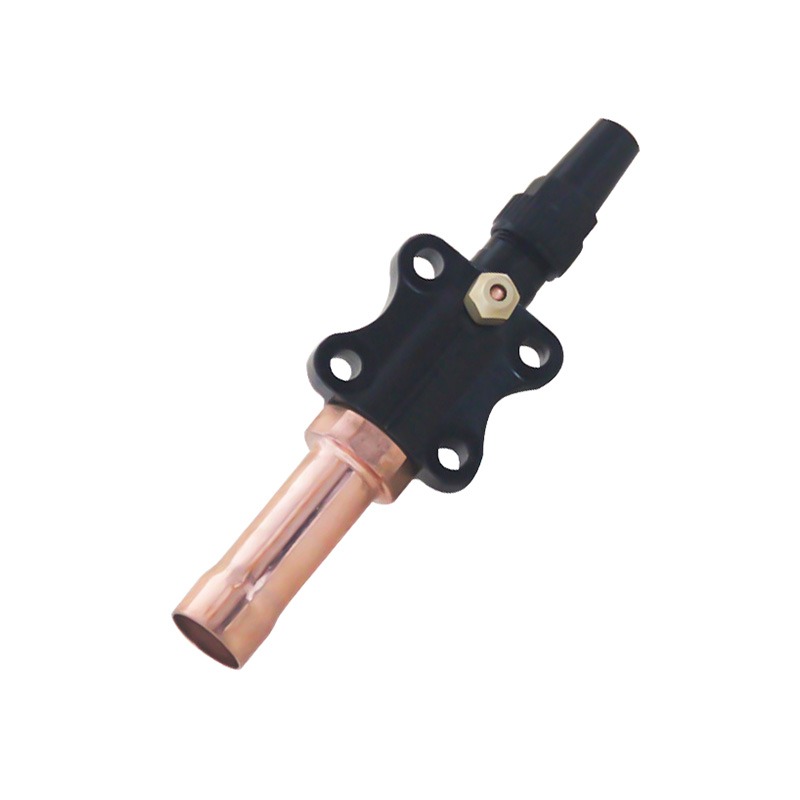 Compressor Refrigeration Copeland Brass Stop Valve
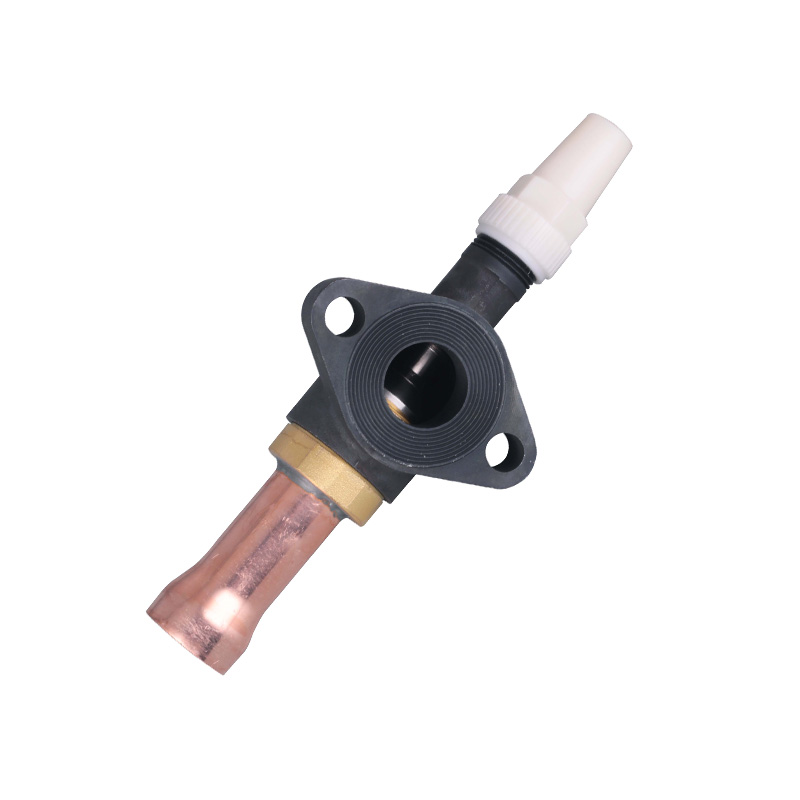 Refrigerant Copeland Brass Stop Valve
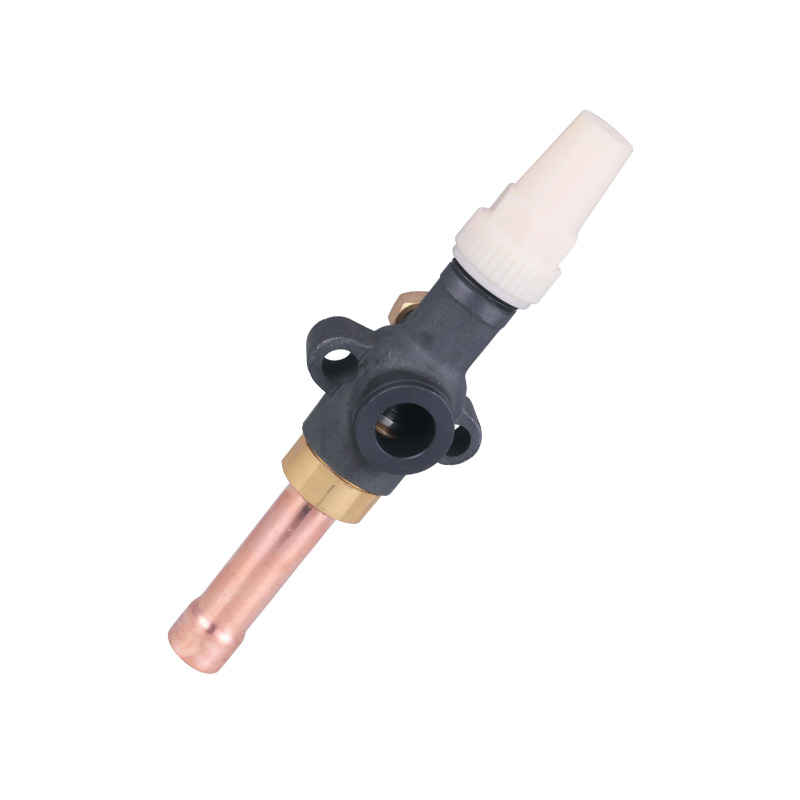 Refrigeration Compressor Copeland Brass Stop Valve
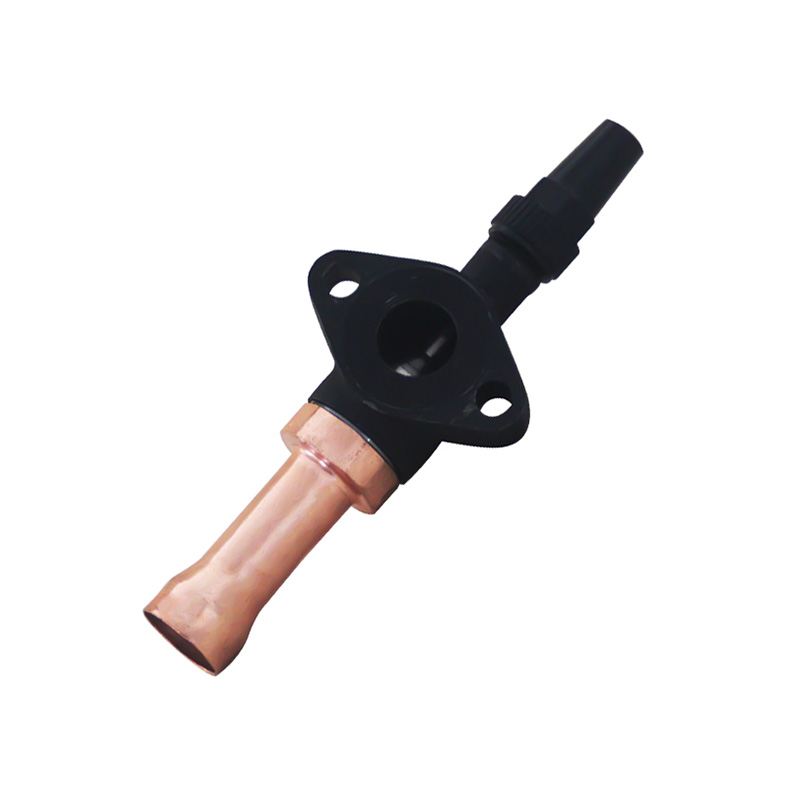 Refrigeration Copeland Brass Stop Valve
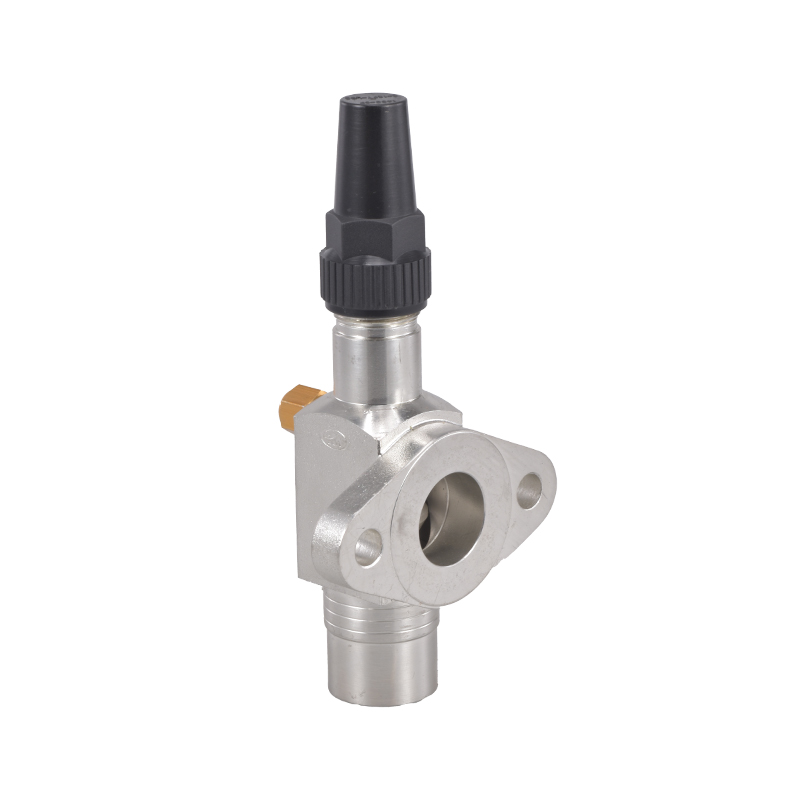 Compressor Refrigeration System Oval Flange
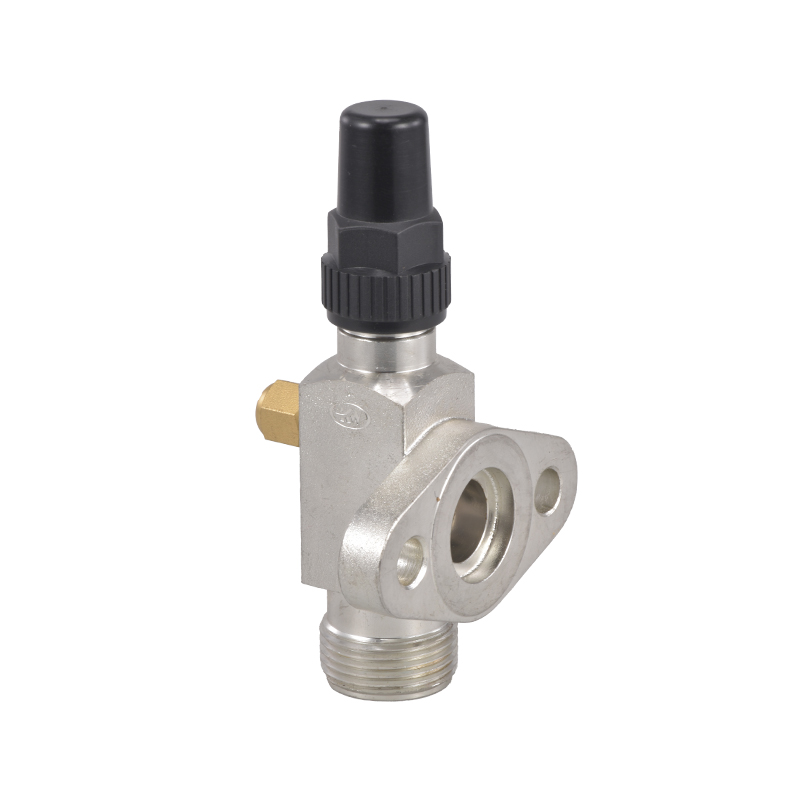 Refrigeration Valve with an Oval Flange




Wholesale Refrigeration Equipment Manufacturer