
 English
 русский
 Deutsch
Industry News
Home / News / Industry News / Why Are Industrial Valves Becoming More Critical in Modern Pipeline Systems?

 By Admin
In industries ranging from oil and gas to water treatment, precision and reliability in fluid control are more important than ever. Among the most widely adopted solutions are the Welded Ball Valve, which offers durability and tight sealing performance, and advanced pipeline configurations that demand consistent operation under high pressure. As social media and technical forums showcase innovative industrial installations, buyers are increasingly focusing on the quality, customization, and long-term reliability of these valves.
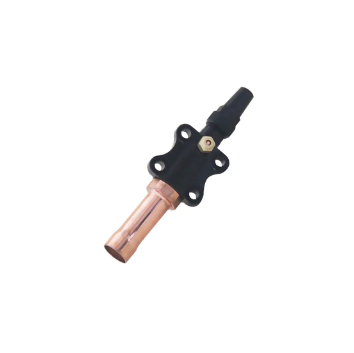
Durability has become a key concern for engineers and procurement managers alike. Modern pipeline systems often operate under high pressure, extreme temperatures, and continuous usage, making robust valves essential. Welded ball valves are praised for their ability to withstand harsh environments while providing precise control, minimizing leaks and operational interruptions.
Investments in long-lasting valves reduce downtime, improve safety, and enhance system efficiency. This focus on durability is increasingly reflected in overseas discussions on professional forums and LinkedIn groups, where buyers compare supplier performance and manufacturing standards.
Material integrity is a decisive factor in valve performance. Stainless steel, carbon steel, and specialized alloys ensure that welded ball valves maintain their structural integrity over extended operational periods. Corrosion resistance is especially critical in chemical, maritime, and water management sectors, where exposure to moisture, chemicals, or saline environments can compromise standard equipment.
Manufacturers offering valves with certified materials and protective coatings are increasingly favored by buyers looking to ensure reliability and safety.
In industrial systems, smooth and precise operation is crucial. Welded ball valves allow for reliable flow control with minimal effort. Their simple quarter-turn operation reduces actuation time while maintaining a tight seal. This feature is particularly valued in systems where precise flow regulation is essential for process stability.
Additionally, engineers value valves that integrate seamlessly into automated systems, providing consistent performance even in complex configurations.
Key Advantages of Modern Valve Selection
When selecting between different valve types, buyers consider several practical factors. The following points summarize the benefits that make welded ball valves an industry standard:
This structured approach is often shared in industry blogs, procurement guides, and online communities, helping buyers make informed decisions for complex installations.
As smart industry and automation technologies advance, valves need to integrate seamlessly with monitoring and control systems. Welded ball valves and similar high-performance components support actuators, sensors, and remote monitoring equipment. Buyers increasingly evaluate compatibility with digital control platforms to ensure seamless system integration.
Automation improves response times, reduces human error, and allows predictive maintenance, which enhances overall system performance and reliability.
Selecting a reliable valve is no longer just about basic flow control; it reflects long-term efficiency, safety, and adaptability. From rigorous material standards to precise operational performance, choosing a high-quality Welded Ball Valve lays the foundation for durable and efficient systems. Complementing these with the versatile One-Way Stop Valve ensures reliable fluid direction management, reducing backflow risks and supporting modern pipeline performance requirements.
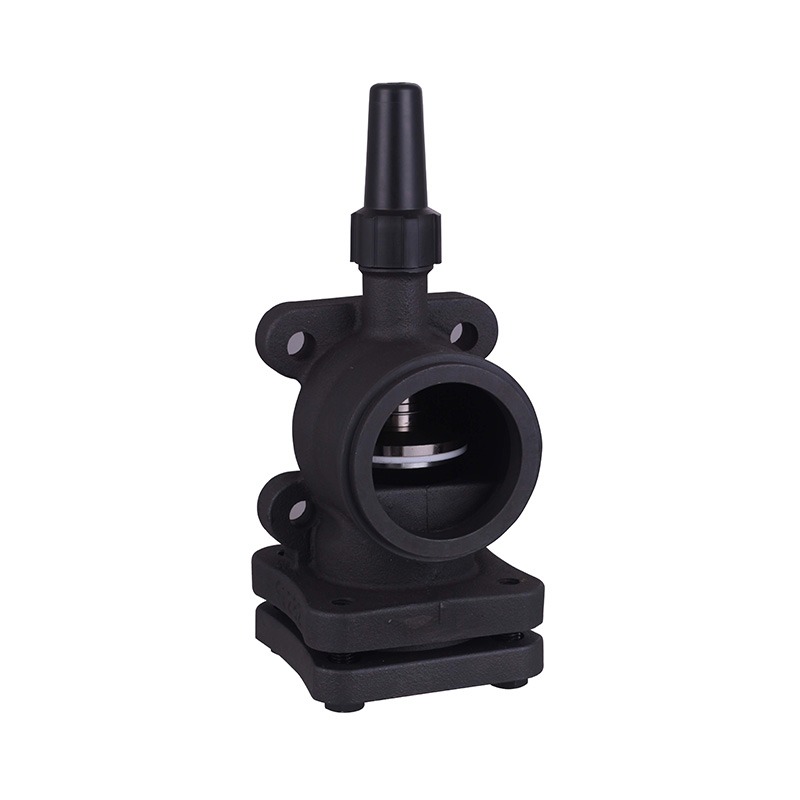 Compressor Refrigeration Cast Iron Shut-Off Vale
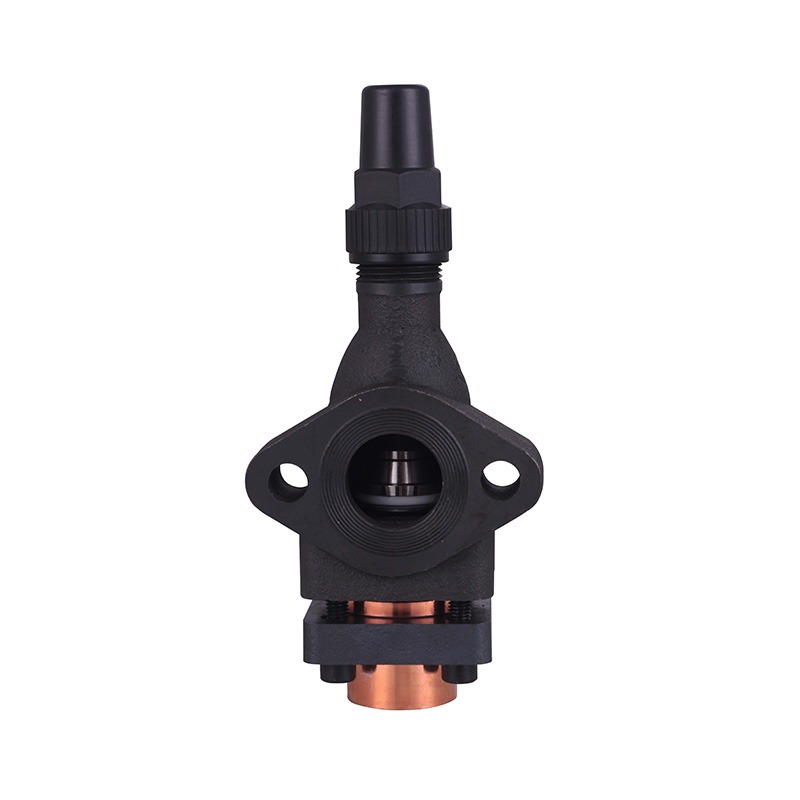 High Quality Refrigeration Cast Iron Shut-Off Vale
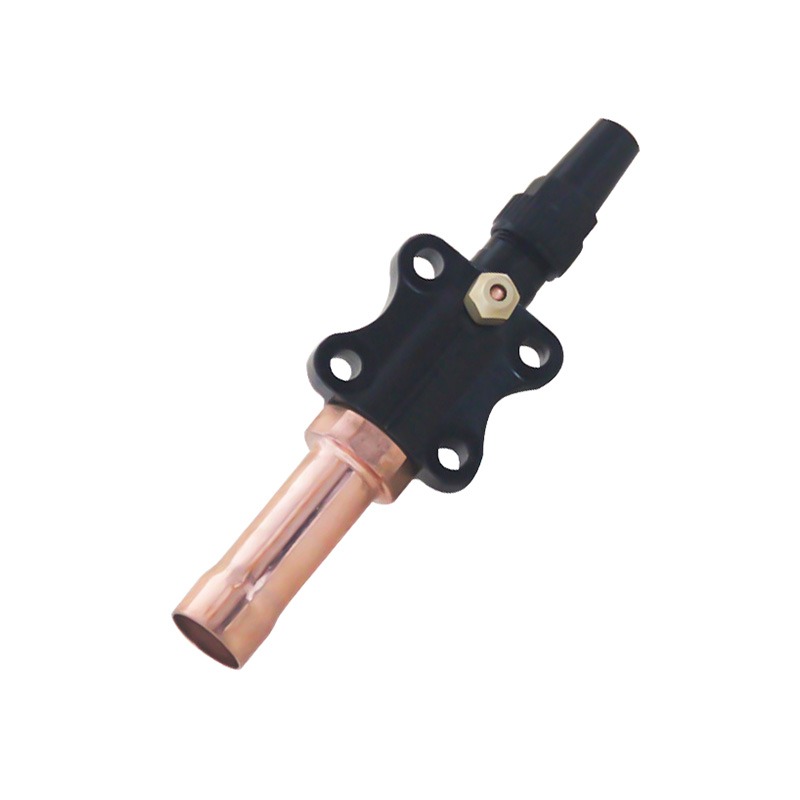 Compressor Refrigeration Copeland Brass Stop Valve
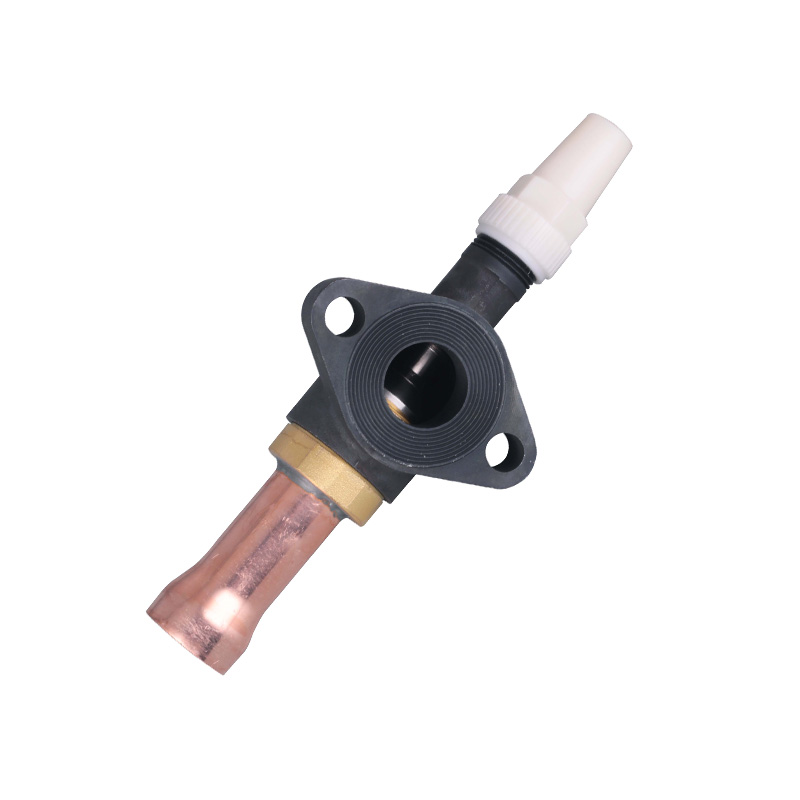 Refrigerant Copeland Brass Stop Valve
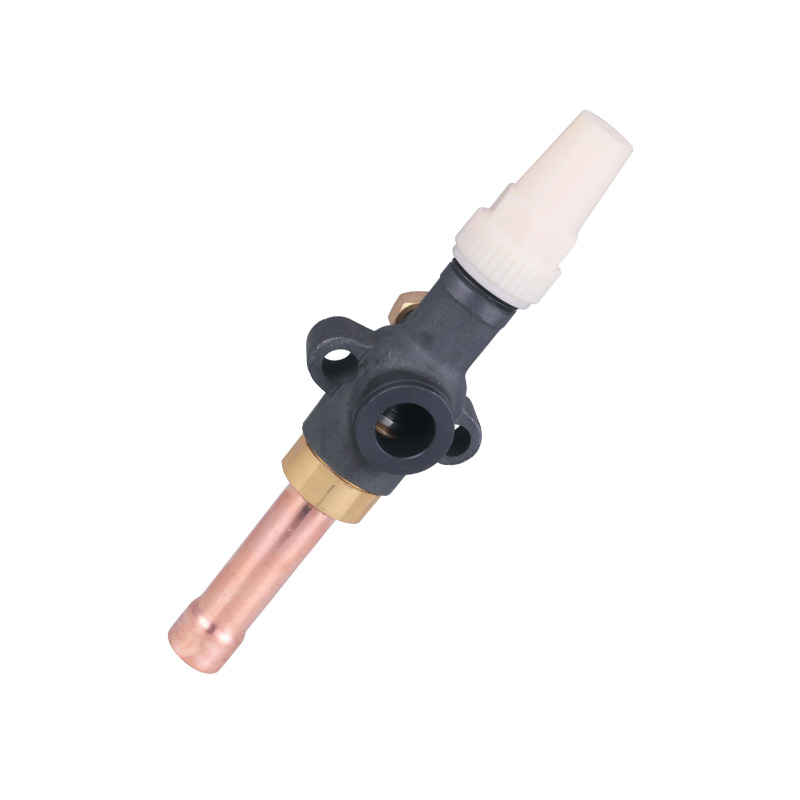 Refrigeration Compressor Copeland Brass Stop Valve
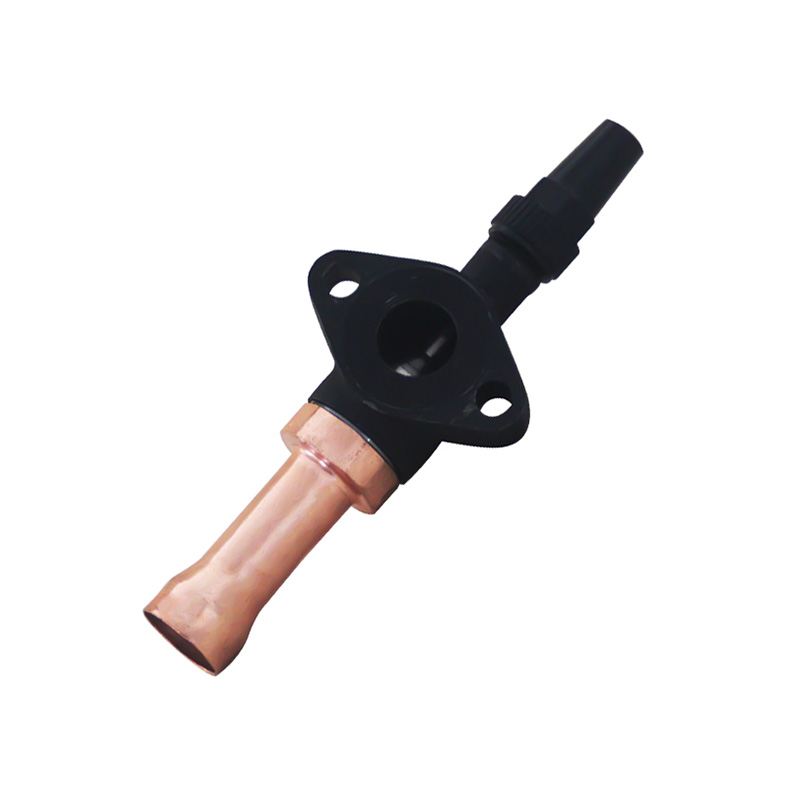 Refrigeration Copeland Brass Stop Valve
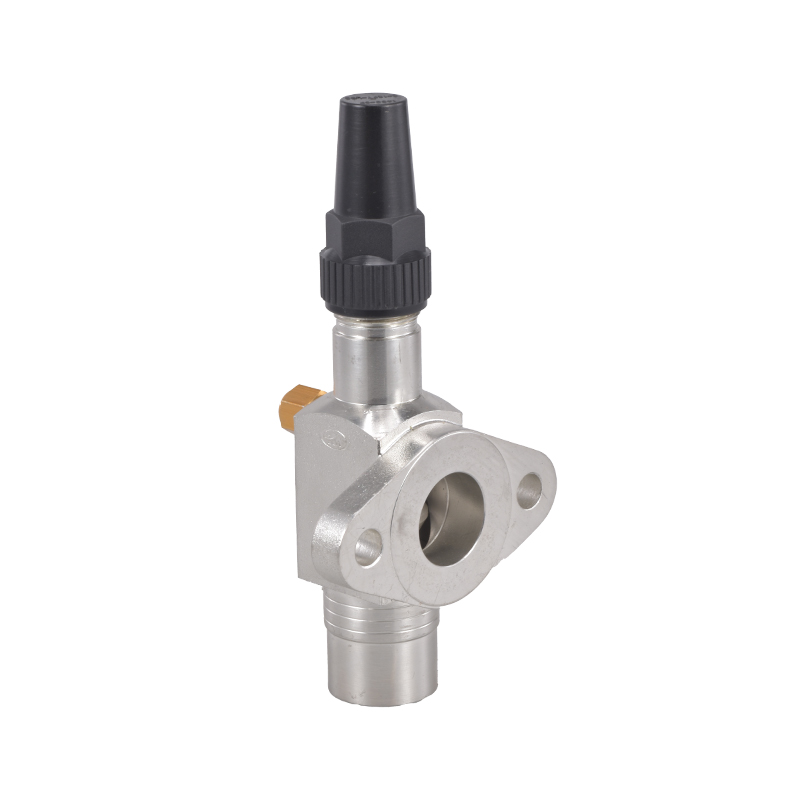 Compressor Refrigeration System Oval Flange
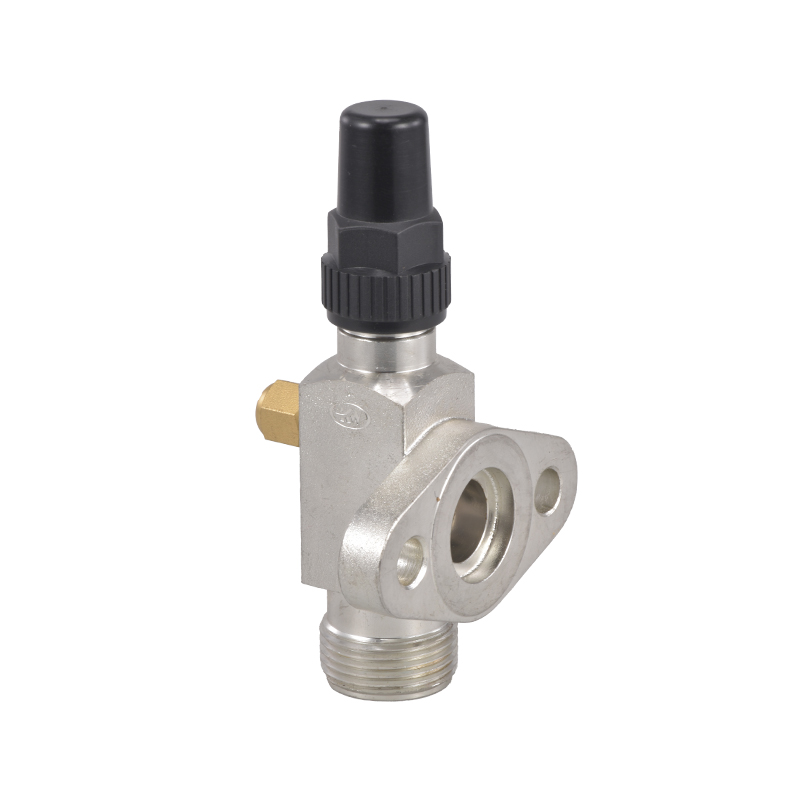 Refrigeration Valve with an Oval Flange




Wholesale Refrigeration Equipment Manufacturer