
 English
 русский
 Deutsch
Industry News
Home / News / Industry News / Why Are One-Way Stop Valves and Solenoid Valves Becoming Core Components in Smart Industrial Systems?

 By Admin
As global industries move toward automation, energy efficiency, and safer operations, fluid control components are receiving renewed attention. Among them, the One-Way Stop Valve and Solenoid Valve are frequently discussed across overseas engineering communities, industrial forums, and professional social platforms. Buyers today are no longer focused solely on basic functionality; they are increasingly concerned with long-term reliability, compatibility with automated systems, and adaptability to diverse working environments.
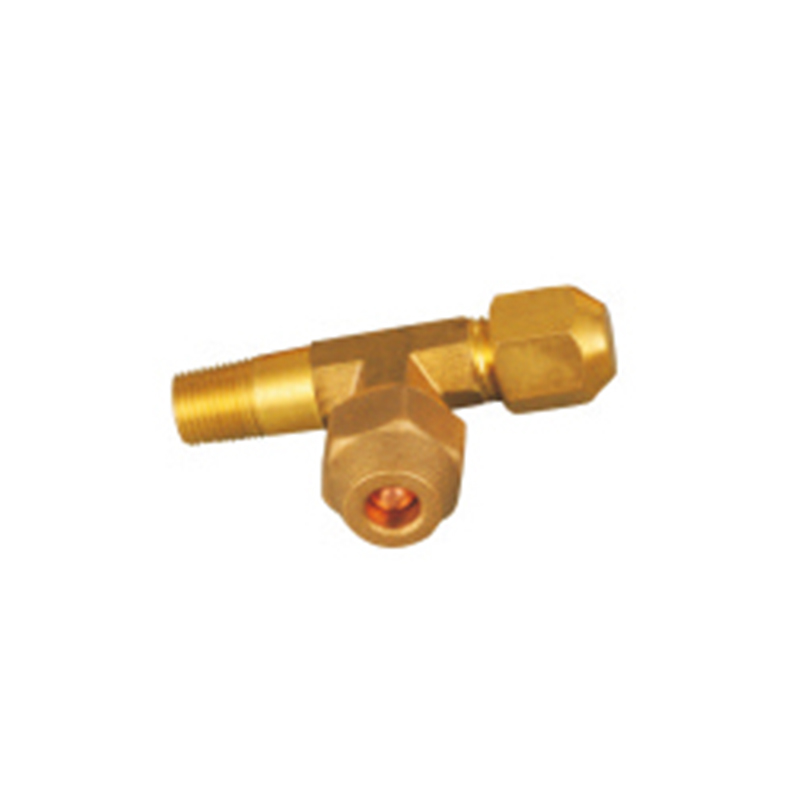
Modern industrial systems require precise control over liquids and gases to maintain stability and efficiency. One-way stop valves play a critical role by allowing flow in a single direction while preventing reverse pressure that could damage equipment. Solenoid valves, on the other hand, enable fast and responsive control through electrical signals, making them ideal for automated processes. Together, these valves form a foundation for smarter, safer, and more responsive fluid systems.
Safety remains a major topic in overseas discussions, especially in sectors such as water treatment, energy, and chemical processing. One-way stop valves help isolate pressure zones and prevent contamination caused by backflow. Their simple yet effective structure makes them highly reliable in continuous operation. When paired with solenoid valves, systems gain an additional layer of controlled shutoff, allowing operators to respond quickly to abnormal conditions without manual intervention.
With the growing adoption of PLC-controlled and IoT-enabled equipment, solenoid valves are increasingly expected to integrate seamlessly into digital control networks. Buyers are paying close attention to response time, voltage compatibility, and stability during frequent switching. Solenoid valves that maintain consistent performance under repeated cycles are highly valued, particularly in automated production lines, irrigation systems, and HVAC installations.
Material selection directly influences valve performance and lifespan. Stainless steel and brass valves are often preferred for high-pressure or corrosive environments, while engineered plastics may be chosen for lightweight or cost-sensitive applications. International buyers are also interested in valves that perform reliably across temperature variations and fluctuating flow conditions. Manufacturers that emphasize material traceability and consistent quality control gain stronger trust in global markets.
The versatility of one-way stop valves and solenoid valves makes them suitable for a wide range of applications. In water supply and wastewater systems, they help maintain pressure balance and prevent backflow. In industrial automation, they support precise dosing and flow regulation. In energy and HVAC systems, they contribute to efficient thermal management. Highlighting these application scenarios helps buyers better understand how the right valve selection can enhance overall system performance.
Beyond product specifications, overseas customers increasingly evaluate suppliers based on technical expertise and service capability. A reliable manufacturer offers not only standard valve models but also customization options tailored to specific system requirements. Clear communication, stable production capacity, and consistent quality assurance are key factors influencing purchasing decisions in the global valve market.
As industries continue to evolve, the importance of dependable flow control solutions becomes even more evident. The One-Way Stop Valve and Solenoid Valve remain essential components for achieving safe, automated, and efficient operations. By focusing on quality, compatibility, and application-driven design, these valves support the growing demand for smarter industrial systems and long-term operational stability in international markets.
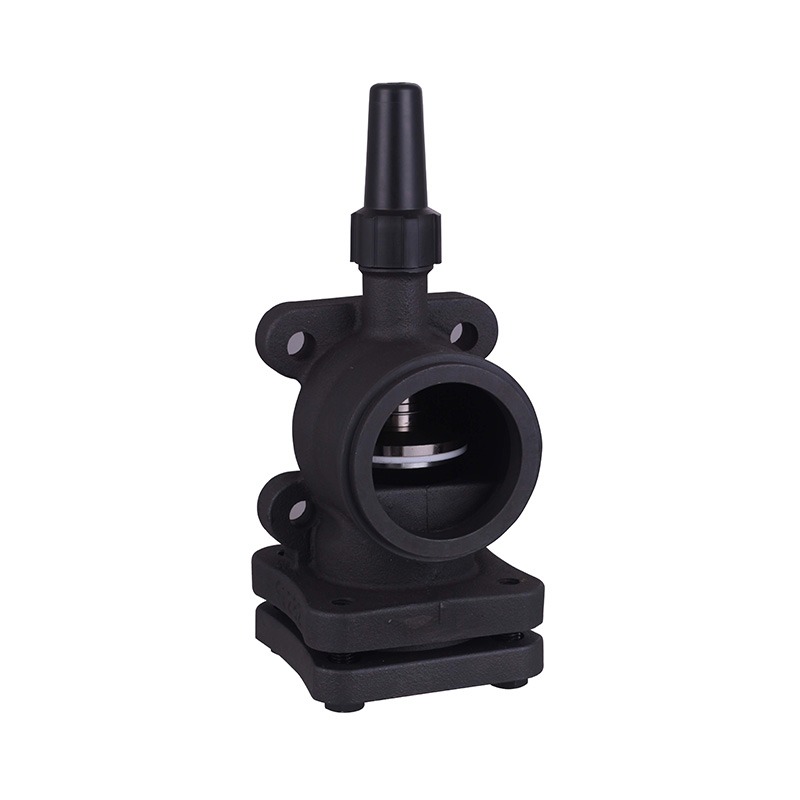 Compressor Refrigeration Cast Iron Shut-Off Vale
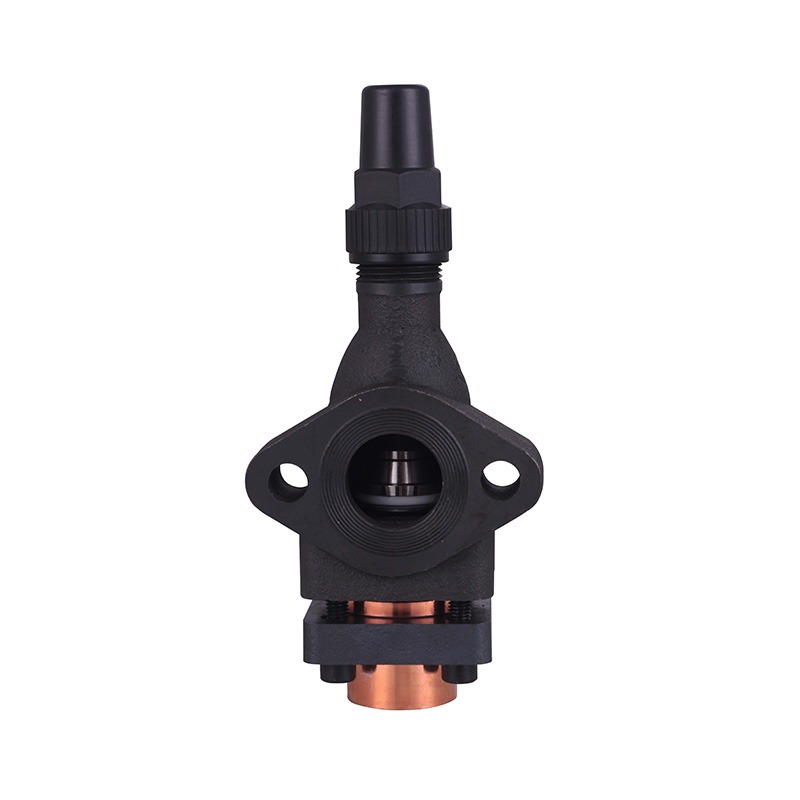 High Quality Refrigeration Cast Iron Shut-Off Vale
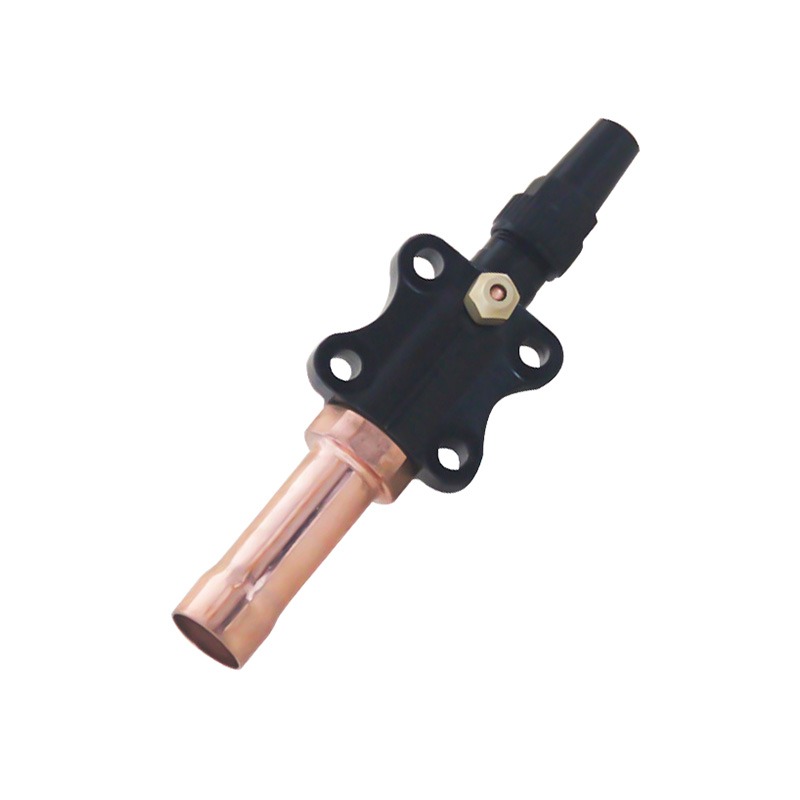 Compressor Refrigeration Copeland Brass Stop Valve
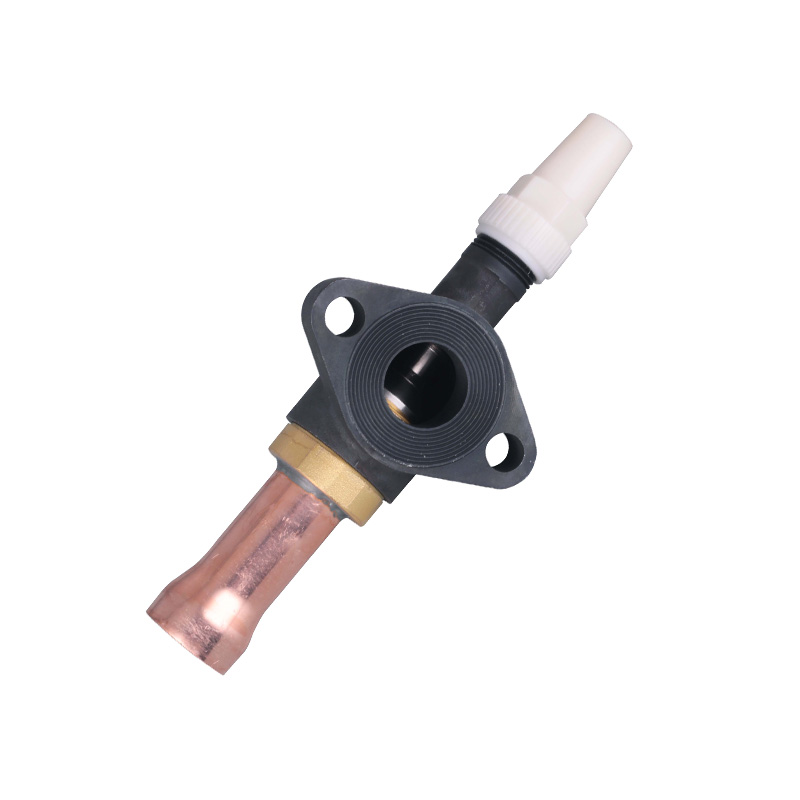 Refrigerant Copeland Brass Stop Valve
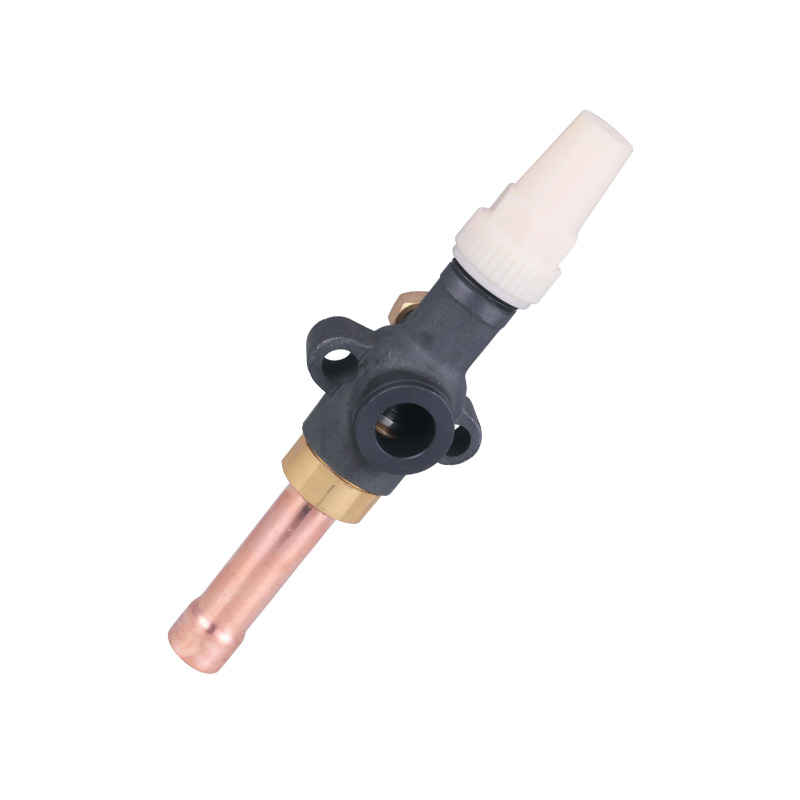 Refrigeration Compressor Copeland Brass Stop Valve
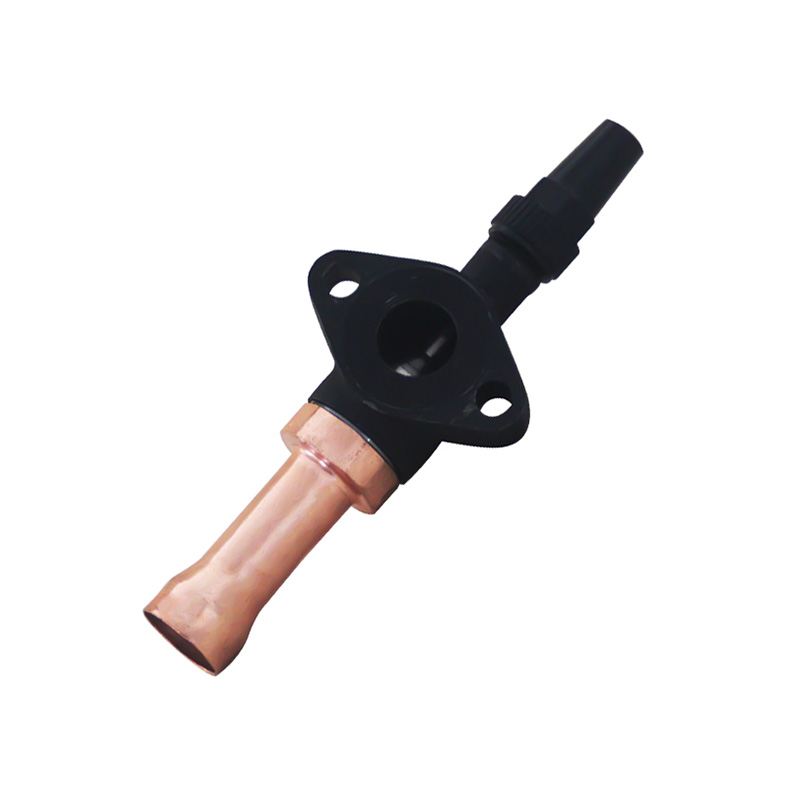 Refrigeration Copeland Brass Stop Valve
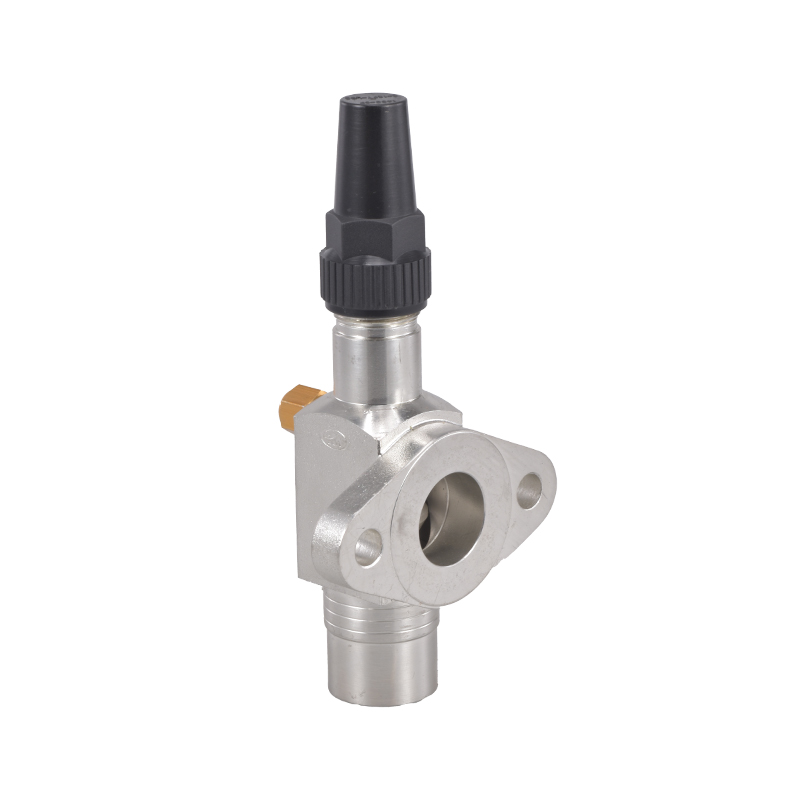 Compressor Refrigeration System Oval Flange
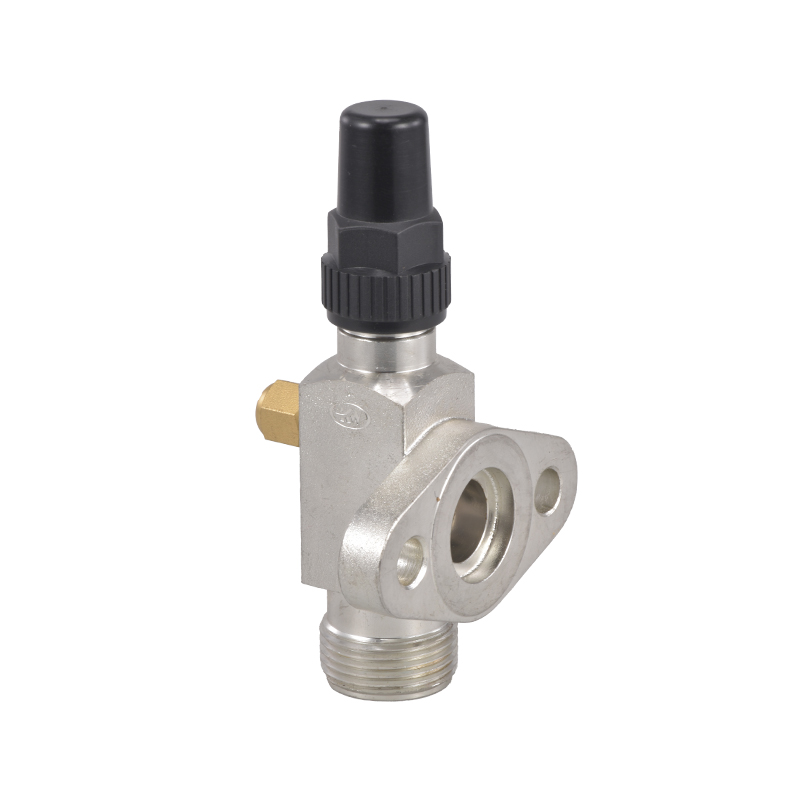 Refrigeration Valve with an Oval Flange




Wholesale Refrigeration Equipment Manufacturer