


 English
 русский
 Deutsch
Industry News
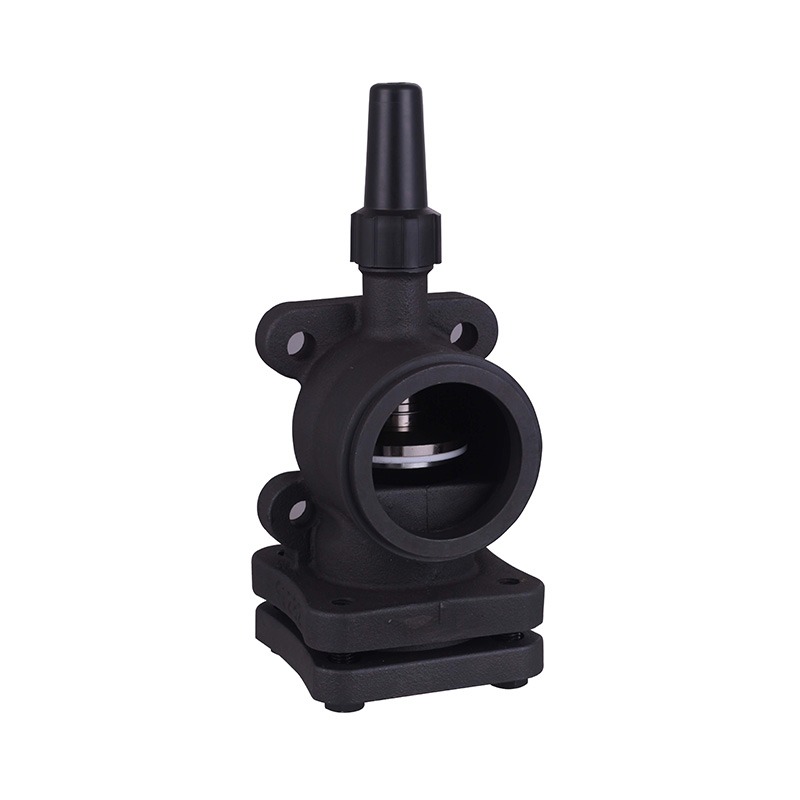
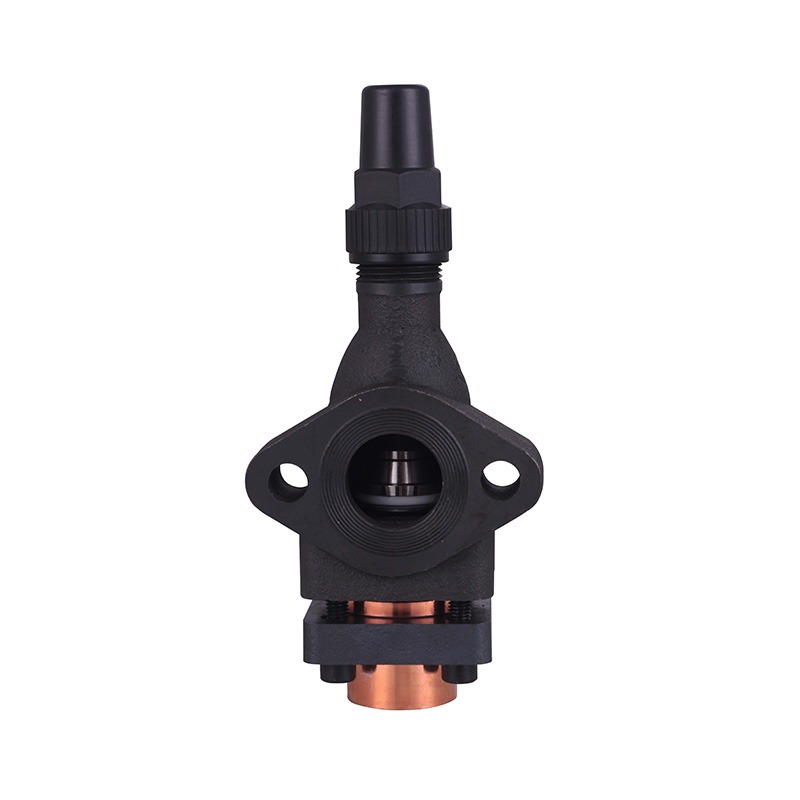
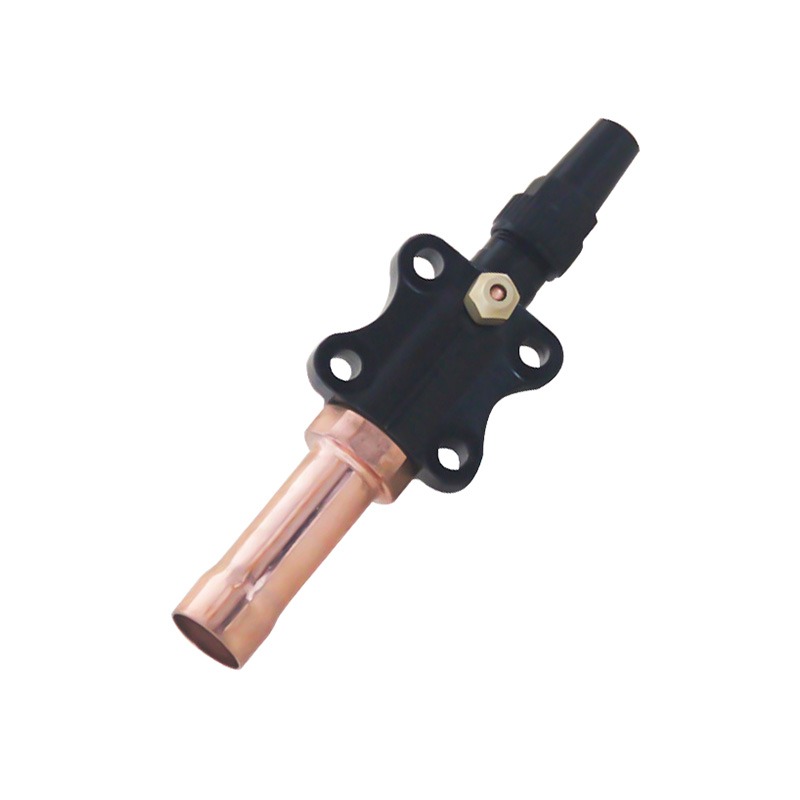
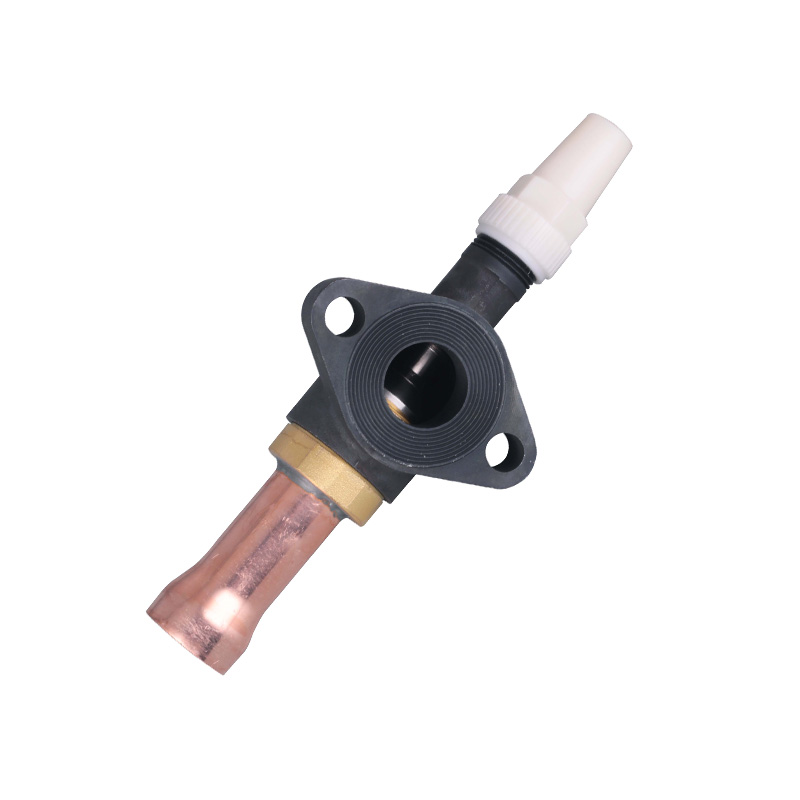
How Can a Cast Iron Stop Valve Transform Industrial Fluid Systems?
 By Admin
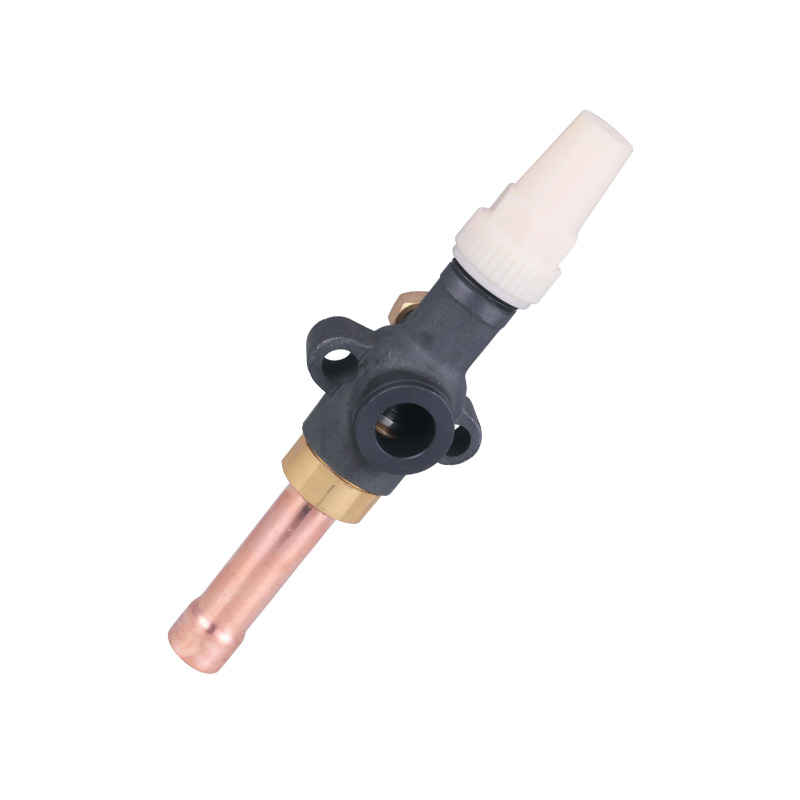
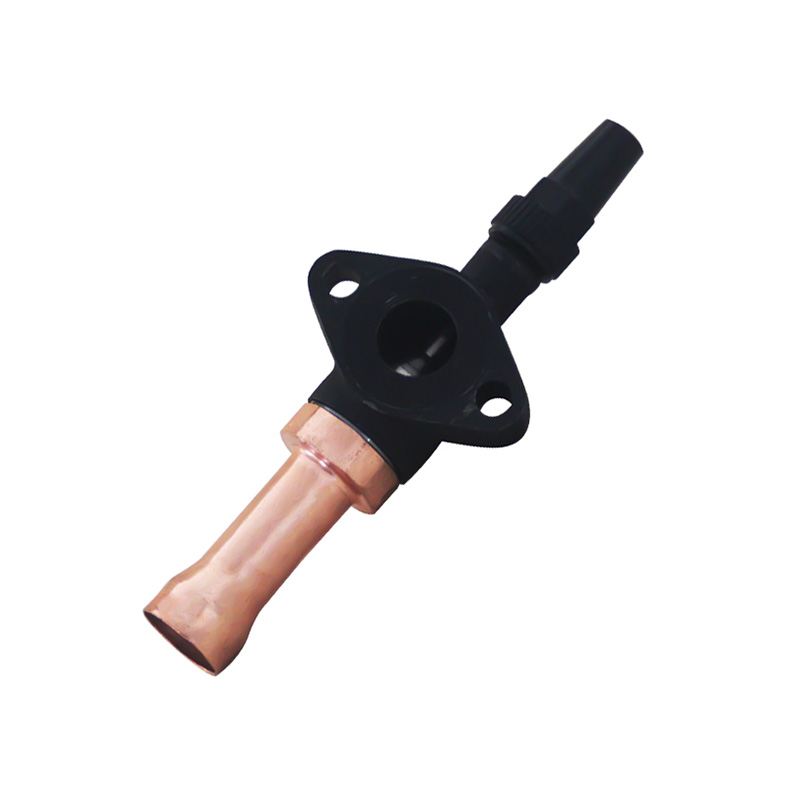
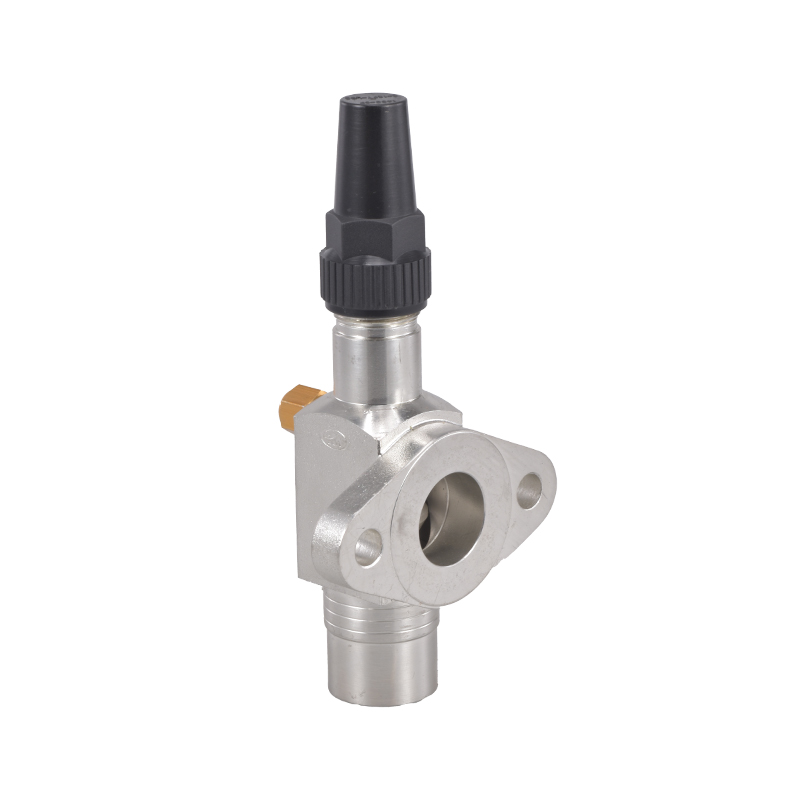
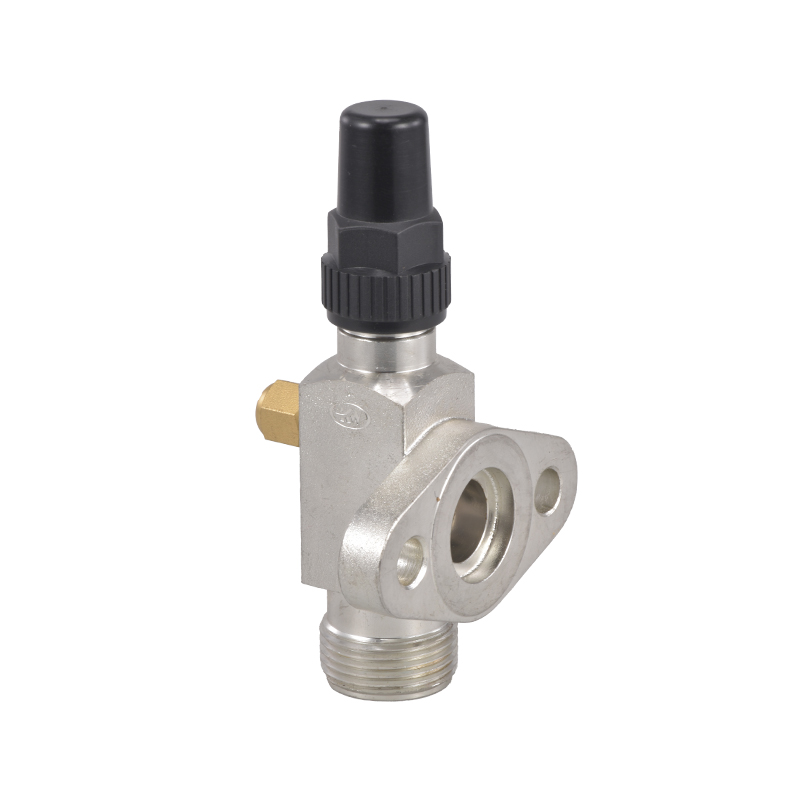
In industrial operations, the Cast Iron Stop Valve is becoming a critical component for controlling fluid flow with reliability and precision. Engineers and maintenance professionals increasingly discuss its role in reducing system failures and ensuring continuous operation on global forums and LinkedIn groups. Its popularity stems from the combination of durability, cost-effectiveness, and adaptability to various fluid systems. Across industries such as water management, oil and gas, and chemical processing, buyers are looking for components that guarantee long-term stability, which highlights the growing importance of robust valve solutions in modern infrastructure projects.
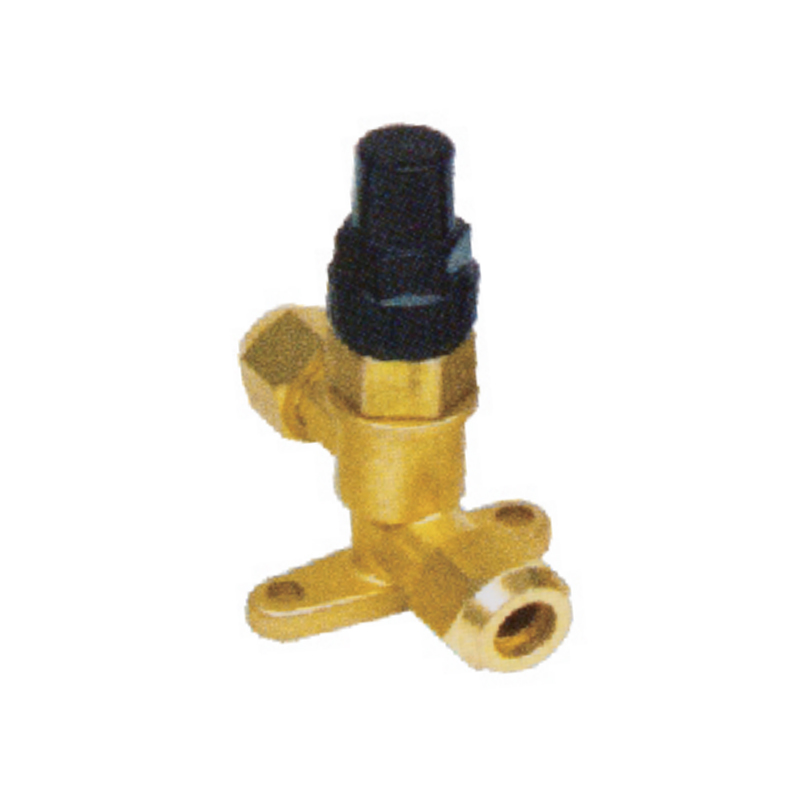
Strength and Longevity in Harsh Environments
Cast iron stop valves are favored for their excellent resistance to corrosion and mechanical wear. In challenging industrial environments, these valves withstand high pressures, temperature variations, and exposure to various liquids without compromising functionality. Manufacturers enhance durability with advanced finishing techniques and precision engineering, ensuring that each valve meets global quality standards. Long-term performance is a primary factor influencing buyer decisions, as organizations seek to minimize downtime and replacement costs.
Operational Safety as a Priority
Industrial safety standards increasingly emphasize controlled fluid flow and emergency shutdown capabilities. A Cast Iron Stop Valve enables precise isolation of equipment, preventing accidents and reducing risks in high-pressure pipelines. Facility managers in international markets recognize the importance of reliable stop valves, as they help maintain regulatory compliance while protecting personnel and equipment. The valve’s design must balance performance and ease of maintenance, making it a preferred choice in demanding industrial environments.
Boosting Efficiency in Fluid Systems
Efficiency is a growing concern in global industries, particularly as energy costs rise and sustainability becomes a priority. Stop valves with smooth internal surfaces and optimized flow paths reduce energy losses, ensuring that pumping and circulation systems operate with minimal strain. Social media discussions among engineers and industrial communities increasingly highlight efficiency improvements as a key factor when selecting valves, reinforcing the value of high-quality Cast Iron Stop Valve products in modern infrastructure projects.
Versatility Across Applications
A notable advantage of Cast Iron Stop Valves is their adaptability. With standardized fittings, various connection types, and compatibility with automation, these valves fit a wide range of applications, from municipal water supply systems to industrial processing plants. Buyers across regions appreciate flexible designs that can integrate seamlessly into existing infrastructure while meeting local regulatory requirements.
Industry Insights from Online Communities
Global professional networks, online expos, and video demonstrations provide buyers with in-depth knowledge about stop valve performance. Technical content shared on platforms like YouTube, LinkedIn, and engineering forums allows users to evaluate product reliability, maintenance ease, and installation efficiency. These resources influence purchasing decisions, enabling buyers to select valves that meet both operational and strategic objectives.
Emerging Market Demand
Industrial growth in Asia, the Middle East, and Latin America continues to expand the need for reliable valve solutions. Water treatment plants, energy facilities, and chemical industries require products that ensure stable, leak-free operations. Companies that can deliver consistent quality and robust support for Cast Iron Stop Valves gain a competitive edge in these fast-growing markets.
Ensuring Flow Control Reliability
For critical fluid systems, pairing a durable Cast Iron Stop Valve with a complementary One-Way Stop Valve provides complete control and prevents backflow, ensuring consistent directional flow. Together, these valves enhance system reliability, safety, and efficiency, meeting the demands of global industries that prioritize dependable fluid management.