
 English
 русский
 Deutsch
Industry News
Home / News / Industry News / Why Are Refrigeration Systems Facing More Pressure From Energy Costs and Maintenance Failures?

 By Admin
Cold chain industries are expanding rapidly, but so are the operational challenges behind them. From food distribution centers to pharmaceutical warehouses, refrigeration systems are now expected to run continuously with higher efficiency and lower downtime. At the same time, rising electricity costs and stricter temperature-control requirements are pushing facility operators to rethink how system reliability is managed.
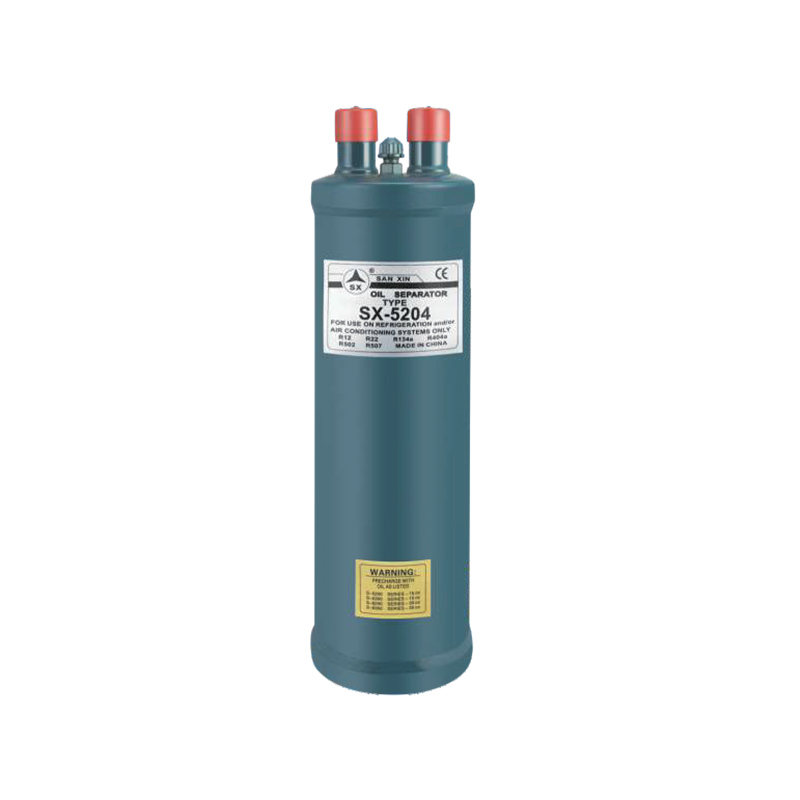
Many failures no longer come from large equipment breakdowns alone. Small component instability, poor sealing performance, and long-term wear inside refrigeration systems are becoming major causes of energy loss and maintenance pressure.
Stable cooling performance is critical in refrigerated environments. However, many facilities experience gradual temperature fluctuation during continuous operation.
Common causes include:
These issues not only affect stored products but also increase energy consumption over time.
To reduce these risks, many facilities continue using durable Cast Iron Stop Valve solutions for stable flow control and long-term operational reliability.
Unlike standard industrial systems, refrigeration infrastructure often operates around the clock. Long running hours place constant pressure on pipelines, valves, compressors, and sealing systems.
Typical long-term issues include:
These problems become more serious in large-scale logistics centers and industrial refrigeration environments.
Recent industry discussions across logistics and cold chain sectors increasingly focus on storage reliability and temperature consistency. Buyers are paying closer attention to equipment durability because even small temperature deviations may affect product quality.
Operators now commonly prioritize:
Because of this trend, demand for dependable Cold Storage Equipment continues rising in food processing, healthcare logistics, and frozen storage applications.
Energy consumption has become one of the biggest operational concerns for cold storage operators. Poor system stability often forces refrigeration systems to work harder than necessary.
This can result in:
Facility managers are now looking for components that support smoother system operation while helping reduce long-term energy pressure.
Flow control components play a much larger role in refrigeration performance than many operators initially expect. Poor-quality valves can gradually create instability across the entire system.
Common problems include:
For industrial refrigeration projects, reliable Cast Iron Stop Valve products remain important because of their structural durability and stable operation under demanding conditions.
Cold chain facilities today operate under tighter delivery schedules and stricter storage requirements than before. Equipment downtime can quickly disrupt logistics planning and increase operational costs.
This is why buyers increasingly evaluate:
High-quality Cold Storage Equipment is becoming less about basic cooling and more about long-term operational stability.
As global cold chain demand continues growing, refrigeration systems are expected to deliver stable performance under increasingly demanding conditions. Facility operators are no longer focusing only on installation cost. Reliability, maintenance efficiency, and energy stability are becoming more important in purchasing decisions.
Manufacturers capable of providing dependable refrigeration solutions through durable Cast Iron Stop Valve systems and stable Cold Storage Equipment are becoming stronger partners for global buyers seeking long-term operational performance.
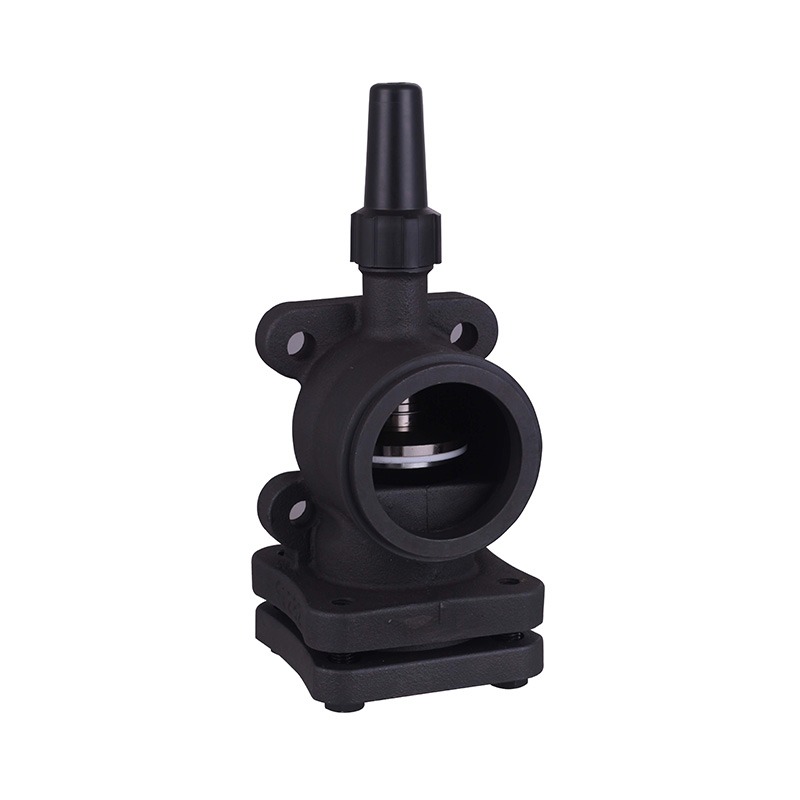 Compressor Refrigeration Cast Iron Shut-Off Vale
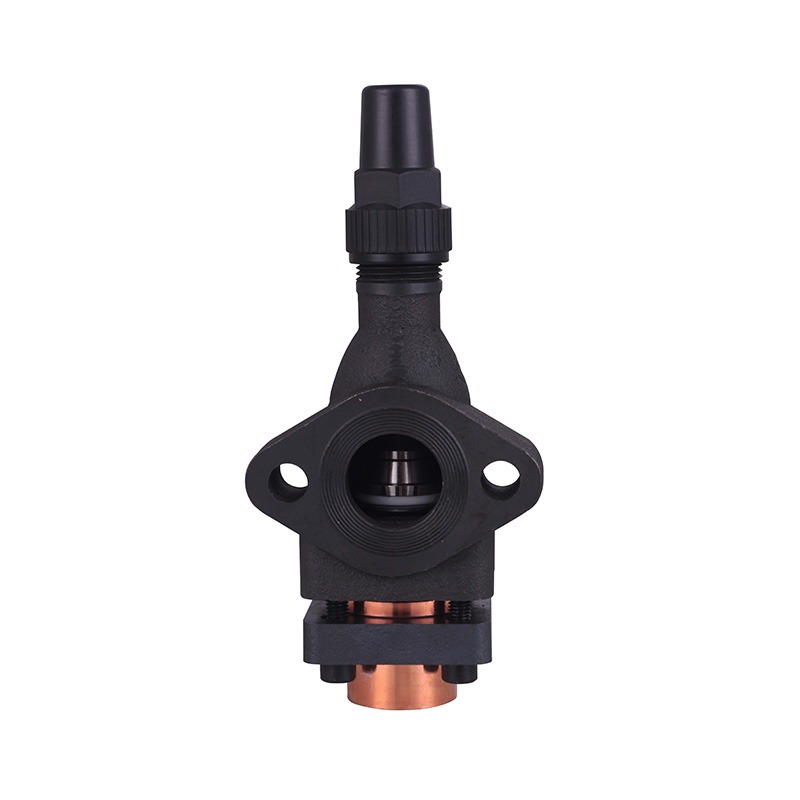 High Quality Refrigeration Cast Iron Shut-Off Vale
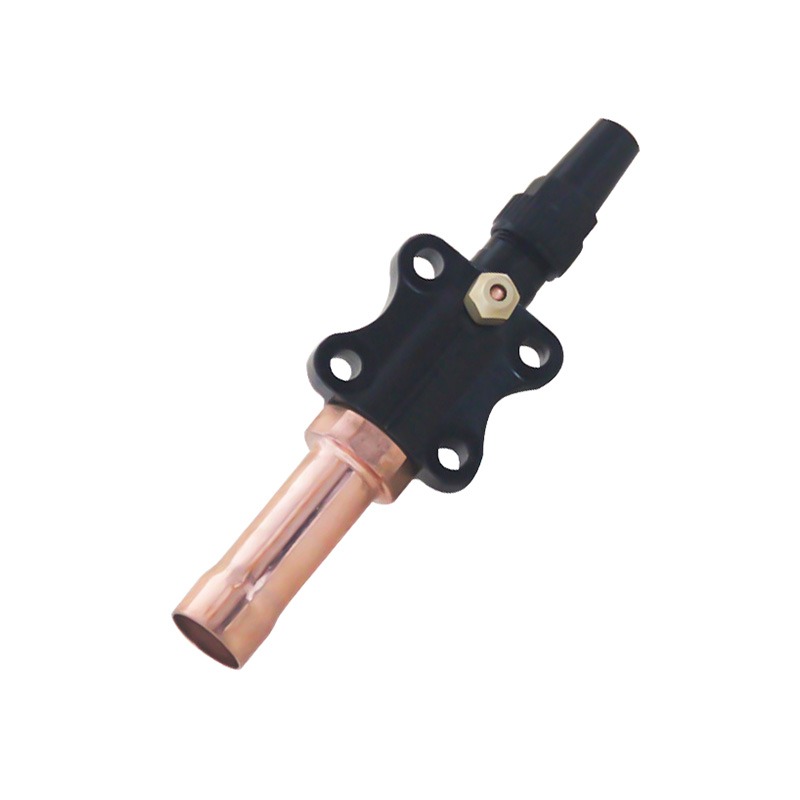 Compressor Refrigeration Copeland Brass Stop Valve
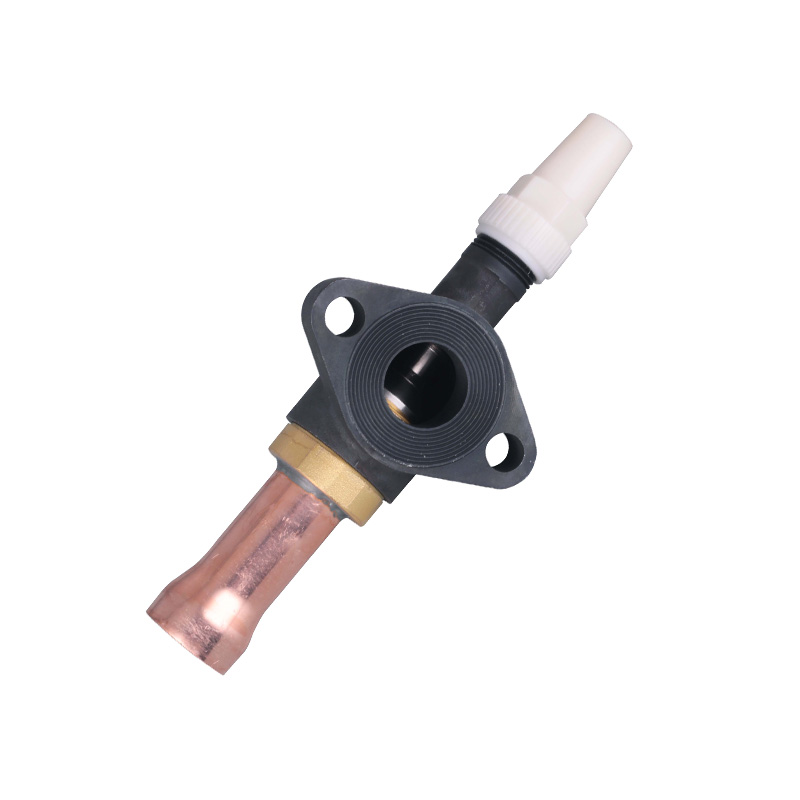 Refrigerant Copeland Brass Stop Valve
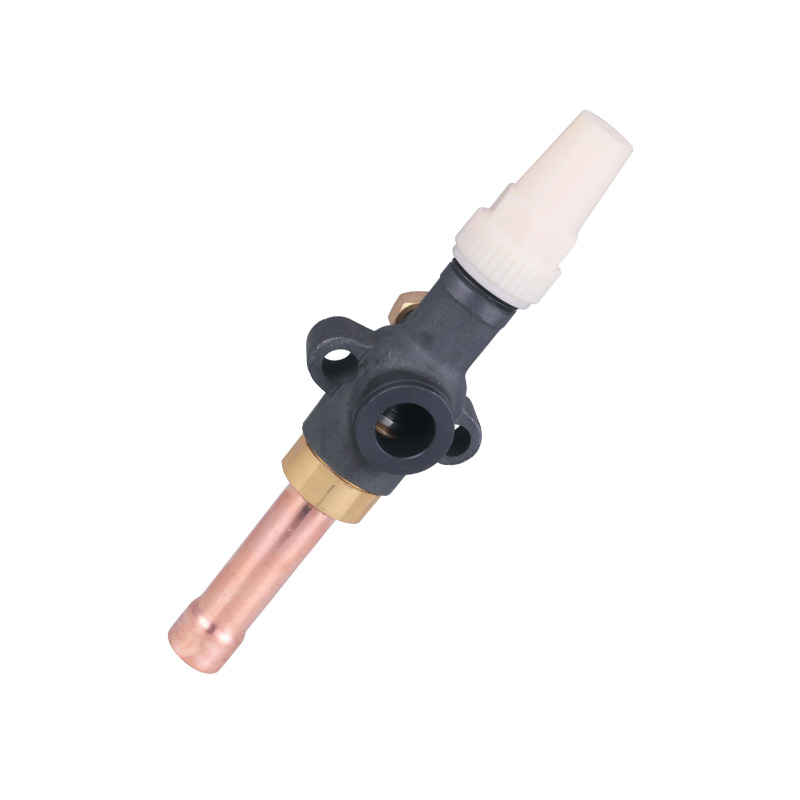 Refrigeration Compressor Copeland Brass Stop Valve
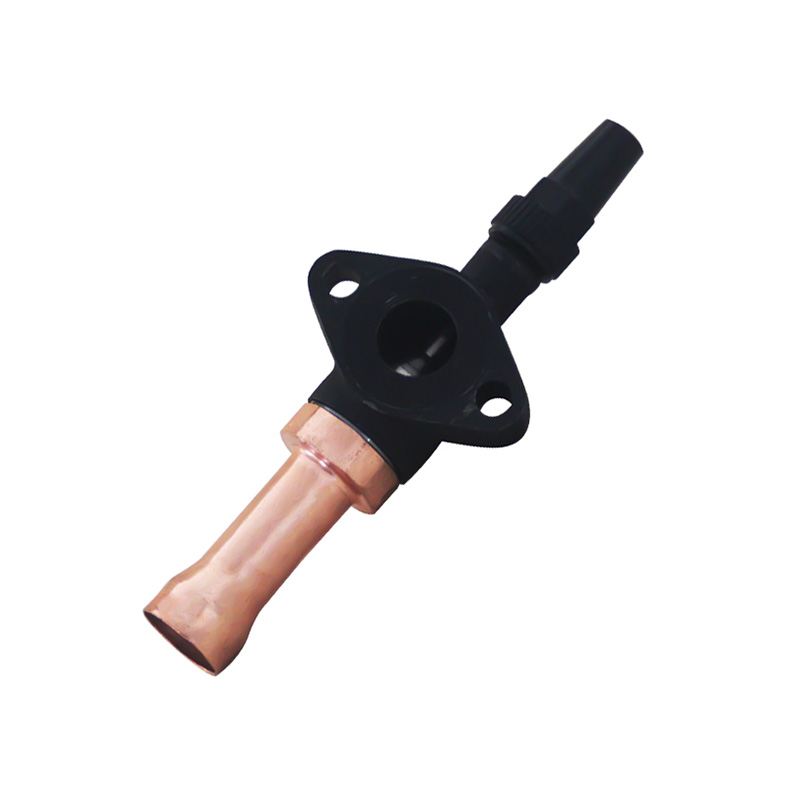 Refrigeration Copeland Brass Stop Valve
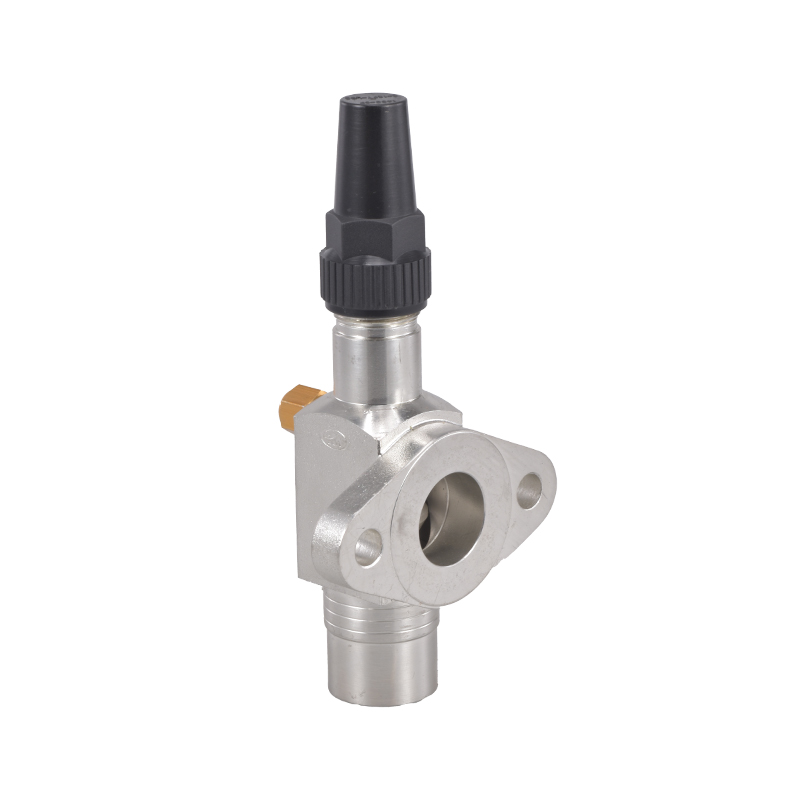 Compressor Refrigeration System Oval Flange
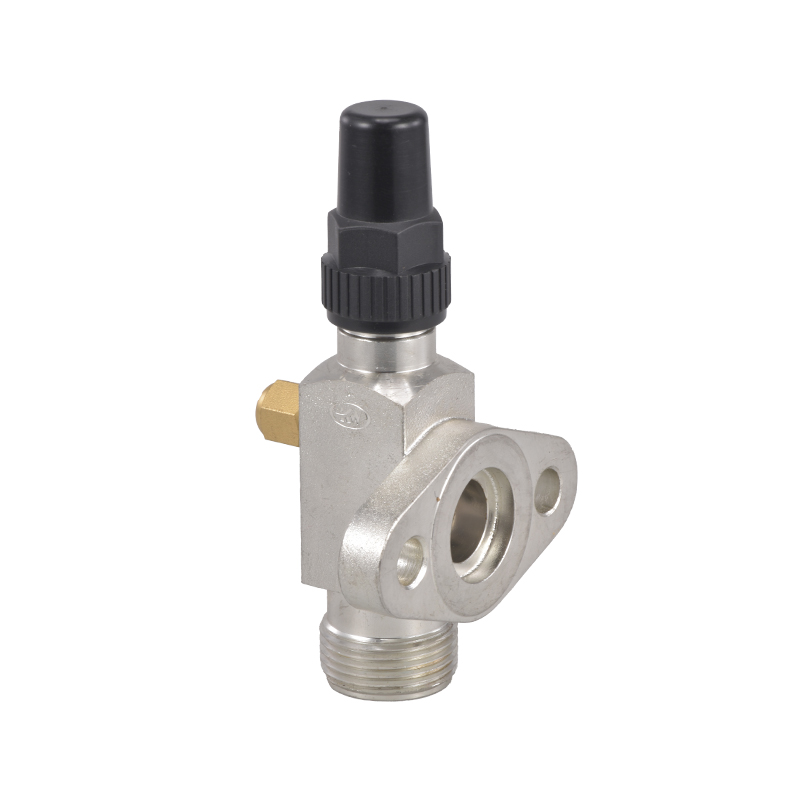 Refrigeration Valve with an Oval Flange




Wholesale Refrigeration Equipment Manufacturer