
 English
 русский
 Deutsch
Industry News
Home / News / Industry News / How Can Cold Storage Facilities Reduce Unexpected Refrigeration Downtime?

 By Admin
Cold storage operators are under increasing pressure to keep refrigeration systems running without interruption. Whether handling frozen food, pharmaceuticals, seafood, or agricultural products, even a short temperature fluctuation can create product risk, delivery delays, and rising operating costs.
In recent industry discussions, many facility managers have pointed out the same challenge: refrigeration systems often appear stable during installation but develop small operational problems after long-term use. These issues usually begin with pressure instability, internal leakage, or component wear that gradually affects overall cooling performance.
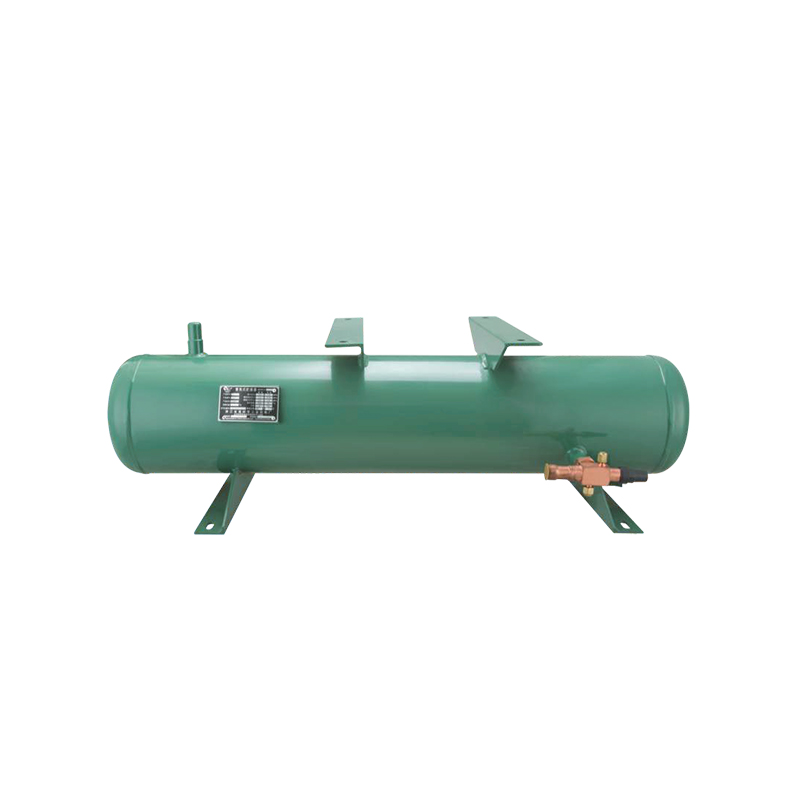
One of the most common causes of refrigeration instability is minor leakage inside the pipeline system. At first, these leaks may seem insignificant, but over time they reduce pressure stability and increase compressor workload.
Common warning signs include:
In many industrial systems, durable Cast Iron Stop Valve products are used to improve sealing reliability and reduce long-term leakage risk.
Cold storage systems constantly shift between operating states depending on product movement, loading schedules, and environmental conditions. Repeated temperature cycling creates stress on pipelines, valves, and internal sealing structures.
Typical long-term effects include:
These problems are especially common in high-humidity refrigeration environments.
The rapid growth of frozen food delivery, pharmaceutical logistics, and temperature-sensitive storage has increased the workload on refrigeration systems. Warehouses today often operate continuously with larger storage capacity and faster loading cycles.
Facility managers now prioritize:
Because of this shift, high-performance Cold Storage Equipment is becoming increasingly important in large-scale logistics projects.
Rising electricity costs are pushing operators to examine refrigeration efficiency more closely. In many cases, energy loss is not caused by the compressor alone but by instability throughout the cooling system.
This may include:
Improving system stability can help facilities reduce unnecessary energy consumption over time.
In older refrigeration layouts, maintenance work often requires partial shutdowns or difficult component access. This increases repair time and affects warehouse operation schedules.
Buyers now increasingly evaluate:
Reliable Cast Iron Stop Valve designs help simplify maintenance while supporting long-term operational stability.
Cold storage facilities operate in environments with constant moisture exposure and temperature variation. Over time, corrosion becomes one of the main threats to equipment reliability.
Common risk areas include:
Manufacturers supplying industrial Cold Storage Equipment are therefore focusing more on material durability and protective surface treatment.
As cold chain industries continue expanding globally, refrigeration systems are expected to operate longer, more efficiently, and with fewer interruptions. Facility operators are moving away from short-term purchasing decisions and focusing more on long-term reliability.
Manufacturers that provide dependable Cast Iron Stop Valve solutions together with durable Cold Storage Equipment are better positioned to support modern refrigeration facilities seeking stable operation, lower maintenance pressure, and improved energy efficiency.
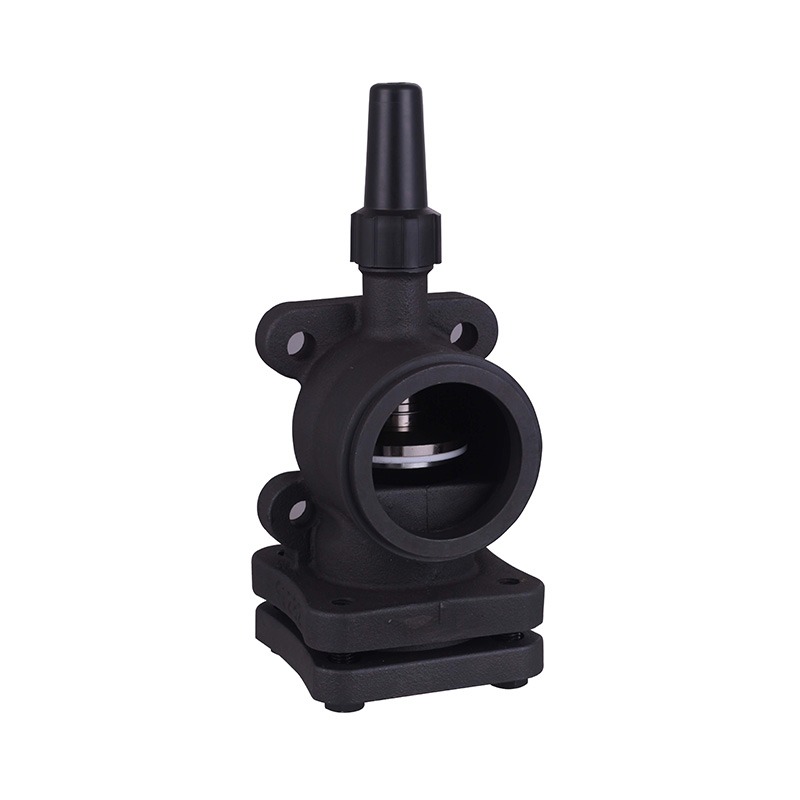 Compressor Refrigeration Cast Iron Shut-Off Vale
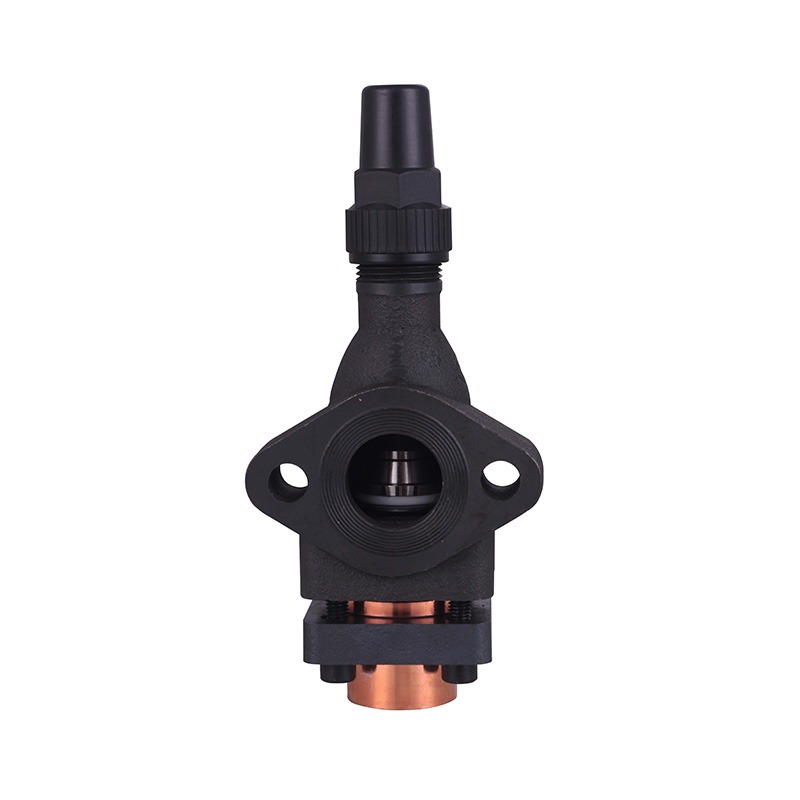 High Quality Refrigeration Cast Iron Shut-Off Vale
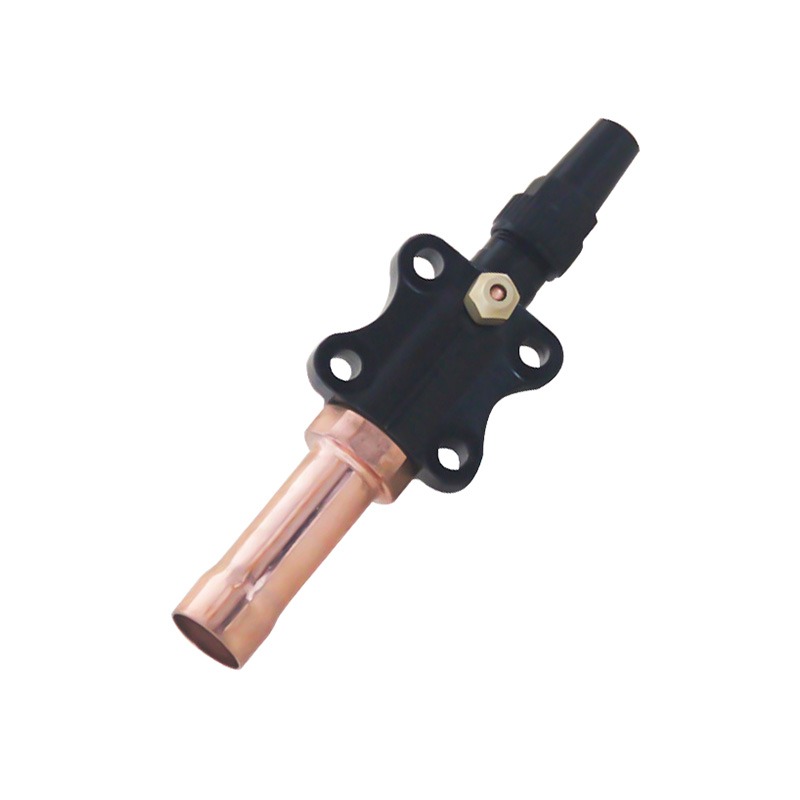 Compressor Refrigeration Copeland Brass Stop Valve
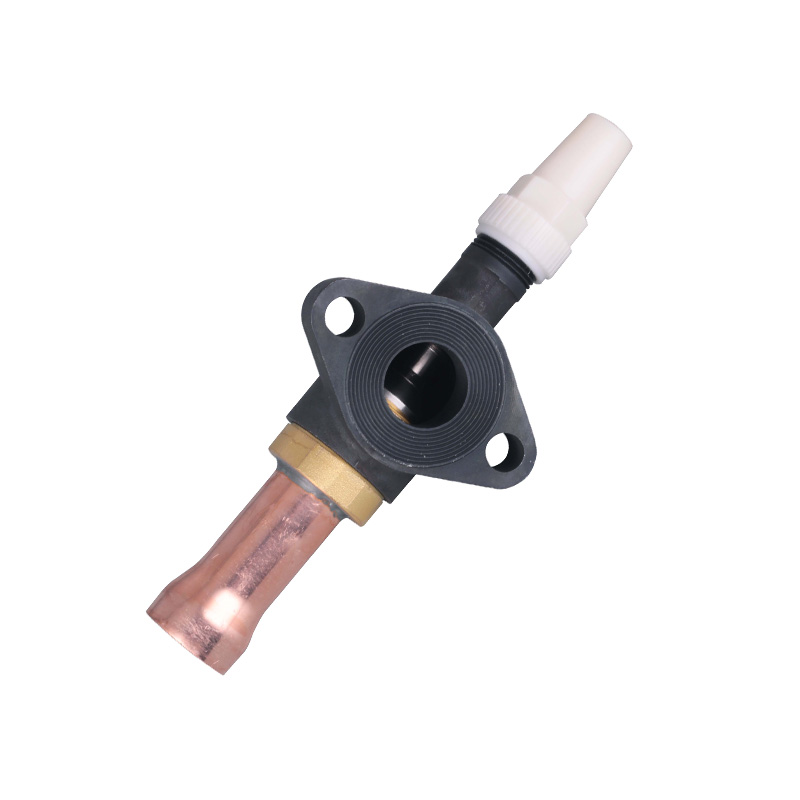 Refrigerant Copeland Brass Stop Valve
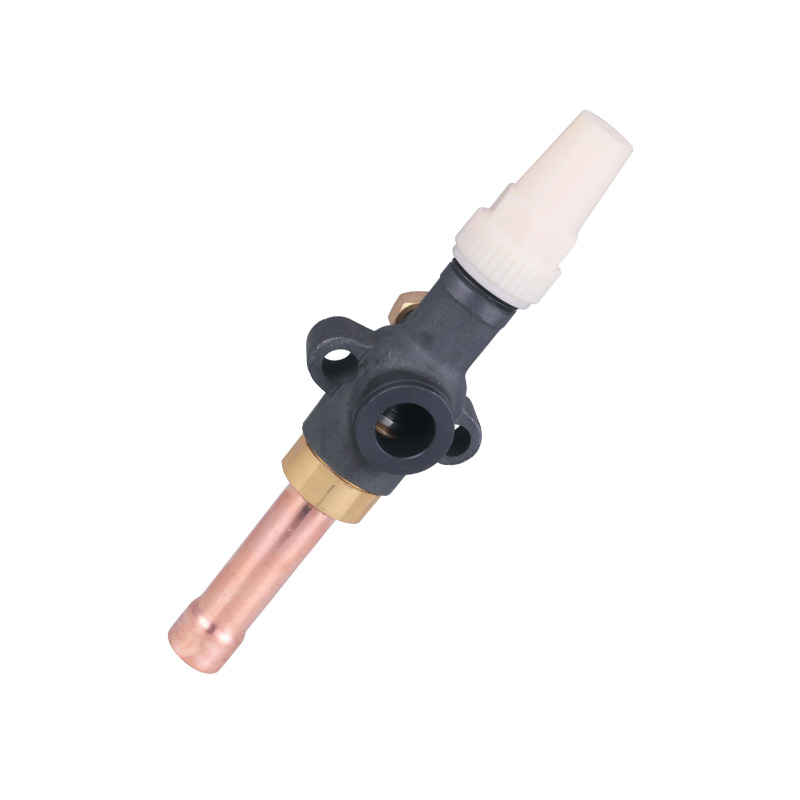 Refrigeration Compressor Copeland Brass Stop Valve
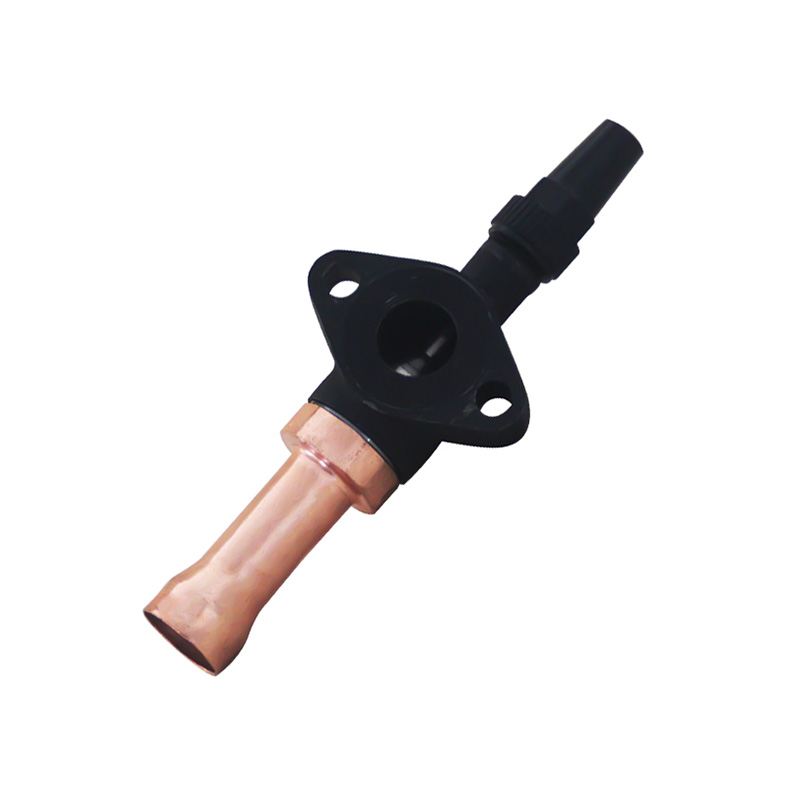 Refrigeration Copeland Brass Stop Valve
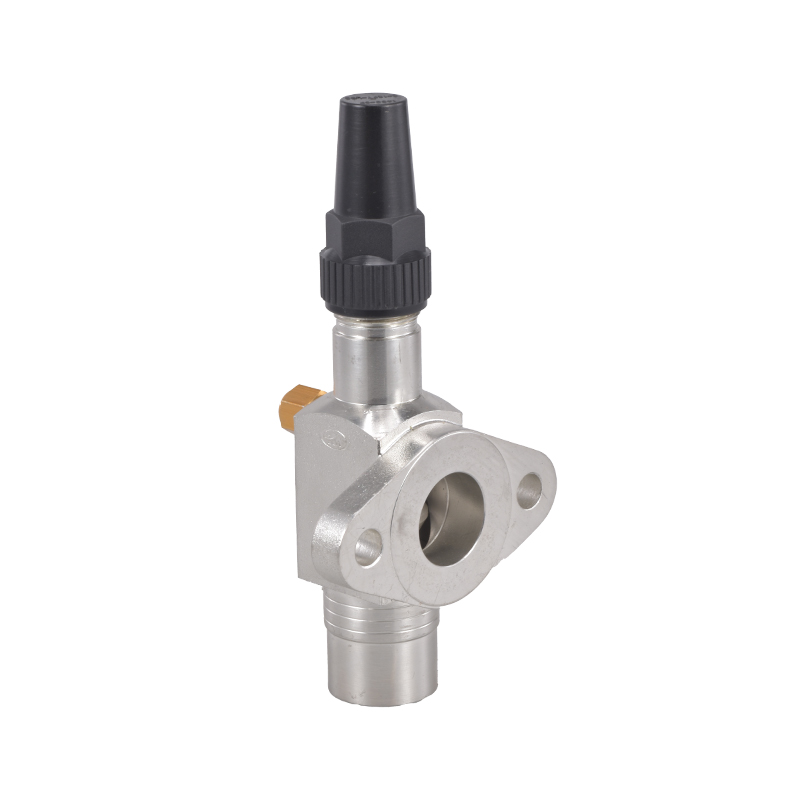 Compressor Refrigeration System Oval Flange
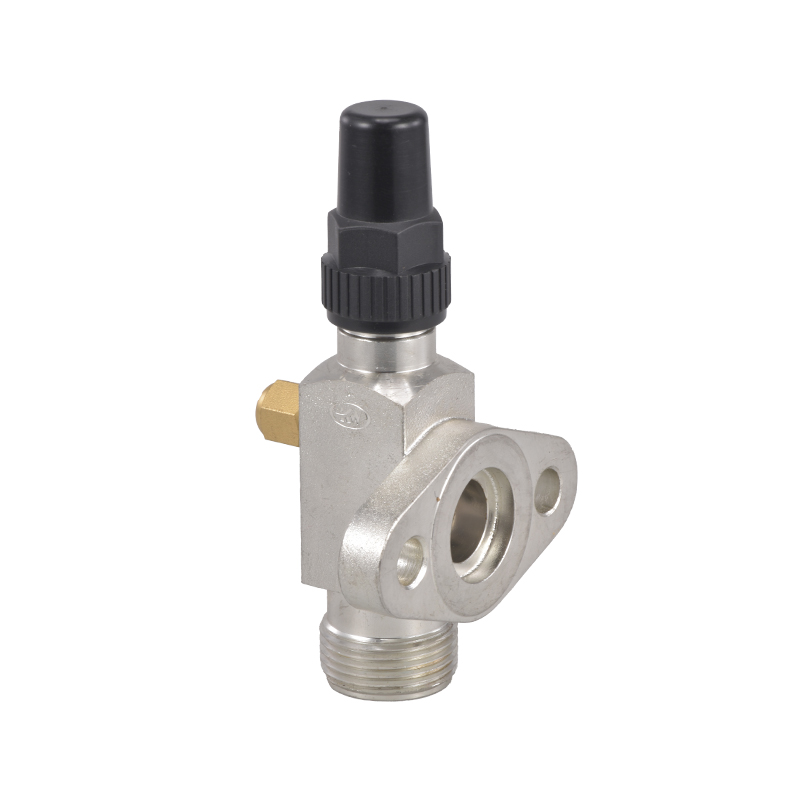 Refrigeration Valve with an Oval Flange




Wholesale Refrigeration Equipment Manufacturer