
 English
 русский
 Deutsch
Industry News
Home / News / Industry News / How Are Refrigeration Control Systems Adapting to Modern Industrial Cooling Demands?

 By Admin
As global demand for temperature-sensitive logistics and energy-efficient refrigeration systems continues to grow, industrial cooling infrastructure is undergoing significant technological upgrades. From food preservation and pharmaceutical storage to cold-chain transportation and industrial processing, buyers are increasingly focusing on equipment reliability, pressure control performance, and long-term operational stability. In today’s market, refrigeration components are no longer viewed as simple accessories but as critical parts of integrated cooling systems that directly affect efficiency and safety.
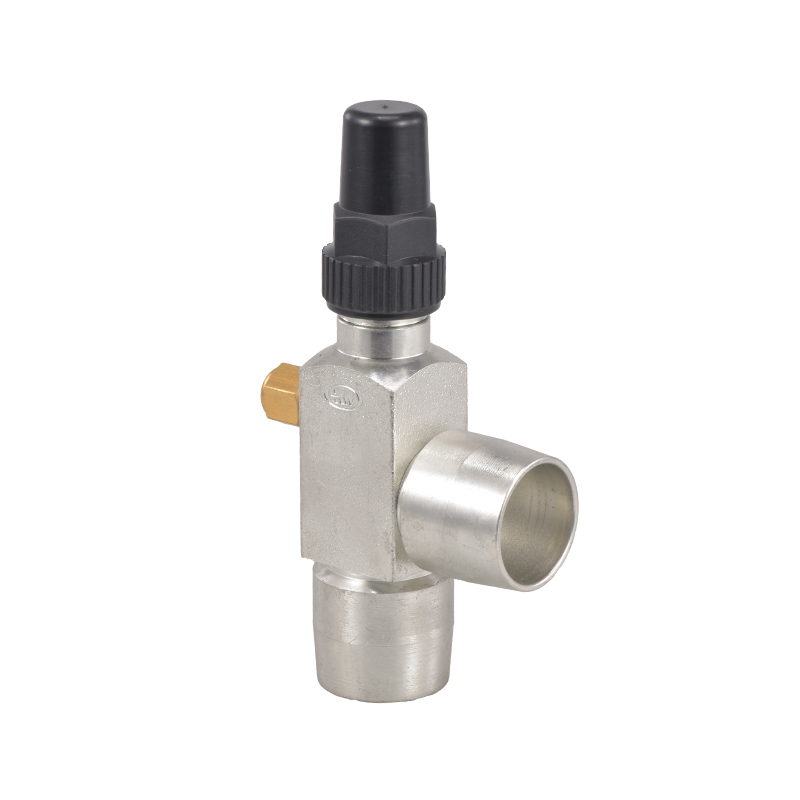
Recent industry discussions surrounding cold-chain logistics and sustainable refrigeration solutions show rising investment in intelligent flow control systems and durable refrigeration fittings capable of operating under continuous low-temperature conditions.
The expansion of e-commerce grocery delivery, pharmaceutical transportation, and large-scale food processing facilities has accelerated demand for advanced refrigeration systems worldwide. Cold storage infrastructure is rapidly developing across Southeast Asia, the Middle East, and Europe, where temperature-controlled logistics are becoming increasingly important.
In these systems, stable refrigerant flow regulation and pressure management are essential for maintaining operational consistency. Industrial buyers are placing more emphasis on components capable of supporting long-duration operation while reducing maintenance frequency and energy loss.
Reliable valve systems are essential for regulating refrigerant flow and isolating equipment during maintenance or emergency shutdown situations. Stop valves are widely used in compressor units, condensers, evaporators, and refrigeration pipelines to maintain safe and controlled operation.
Key functional advantages include:
For industrial refrigeration projects, long-term sealing reliability is particularly important because even minor refrigerant leakage can affect cooling efficiency and operational costs.
Material selection plays a critical role in refrigeration component performance. Cast iron remains widely used in industrial valve manufacturing due to its mechanical strength, wear resistance, and stable structural performance under fluctuating temperature conditions.
Modern production processes typically involve precision casting, CNC machining, and pressure testing to improve dimensional accuracy and sealing consistency. Surface treatment and anti-corrosion coatings are also increasingly important in humid or coastal operating environments.
Taizhou Kewei Refrigeration Equipment Co., Ltd., located in Yuhuan, Zhejiang, has focused on refrigeration fittings manufacturing for many years. With specialized production systems and testing equipment, the company continues to support overseas refrigeration projects across Europe, the Middle East, and Southeast Asia.
Industrial refrigeration systems are now widely applied in:
As global cold-chain infrastructure expands, engineering contractors increasingly prioritize refrigeration components that support both operational reliability and simplified maintenance procedures.
For refrigeration equipment manufacturers, strict testing procedures are essential to ensure stable performance under demanding operating conditions. Production processes generally include:
These quality control measures help ensure that components maintain stable performance under continuous low-temperature and high-pressure operation.
Proper installation and maintenance directly affect refrigeration system efficiency and service life. Engineers generally recommend:
Preventive maintenance helps reduce unexpected downtime and supports stable refrigeration performance in industrial applications.
The refrigeration industry is moving toward higher efficiency, lower environmental impact, and smarter system integration. With stricter environmental regulations and growing demand for sustainable cooling technologies, manufacturers are focusing on improving sealing performance, reducing refrigerant loss, and enhancing system energy efficiency.
At the same time, global buyers are increasingly interested in suppliers capable of providing customized refrigeration fittings and reliable OEM support for specialized cold-chain projects.
In conclusion, modern refrigeration infrastructure requires components that combine durability, sealing reliability, and operational efficiency. As cold-chain logistics and industrial cooling systems continue to expand worldwide, demand for high-performance Cold Storage Equipment and dependable Cast Iron Stop Valve solutions is expected to remain strong across global industrial markets.
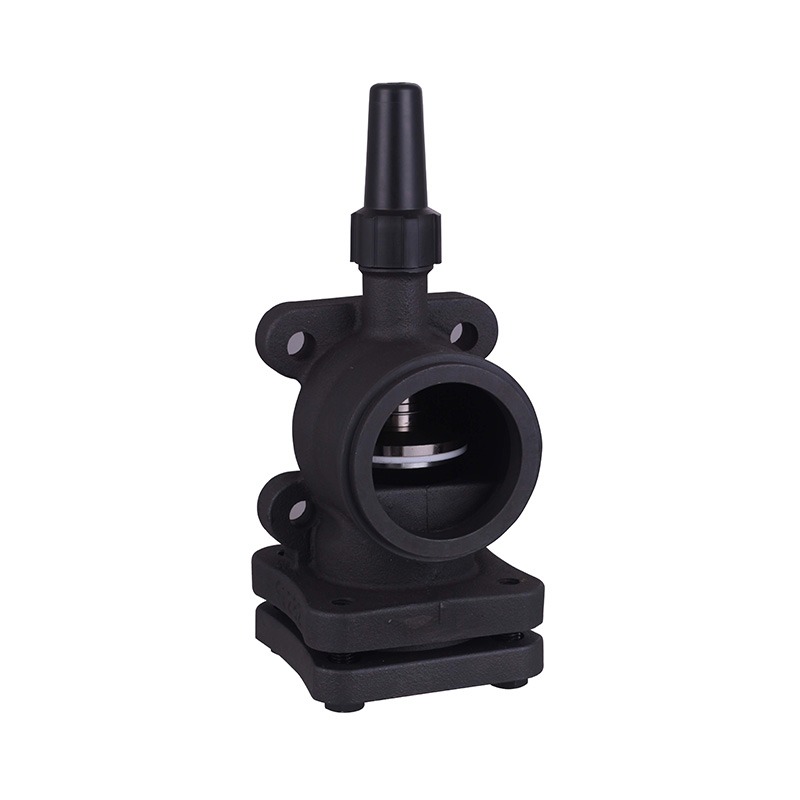 Compressor Refrigeration Cast Iron Shut-Off Vale
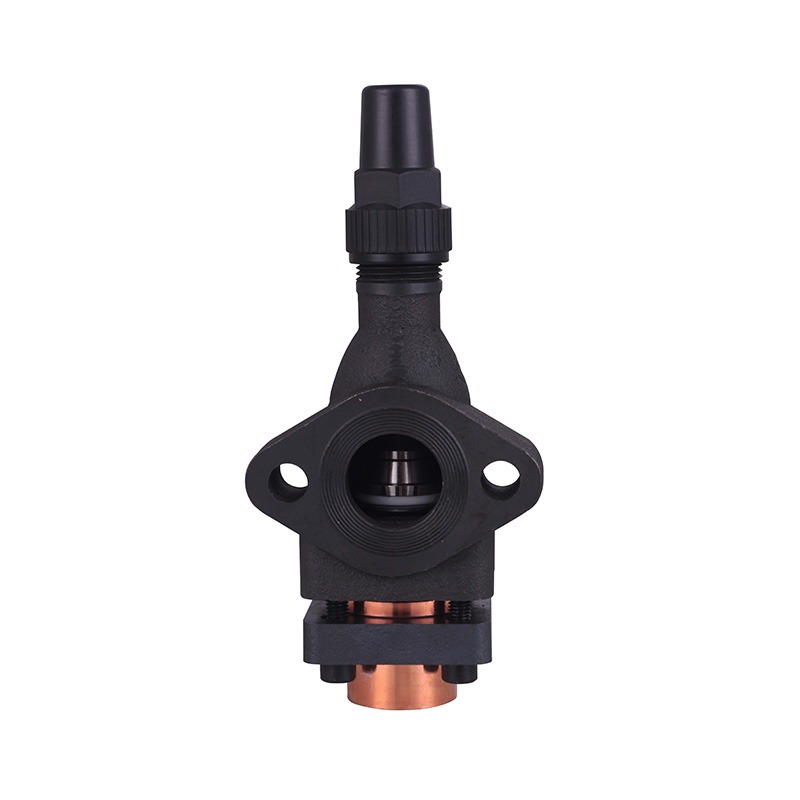 High Quality Refrigeration Cast Iron Shut-Off Vale
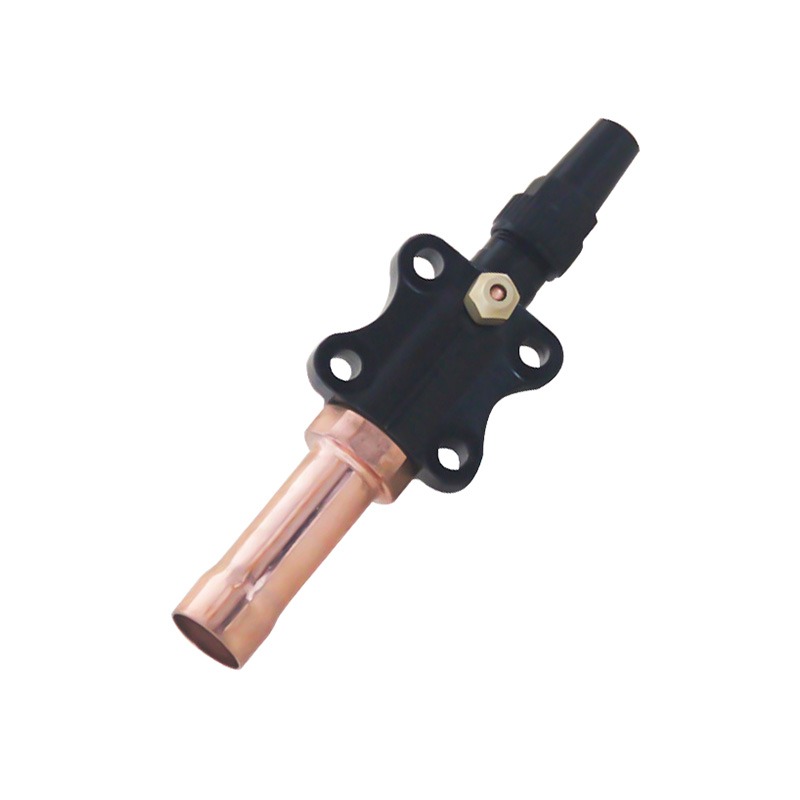 Compressor Refrigeration Copeland Brass Stop Valve
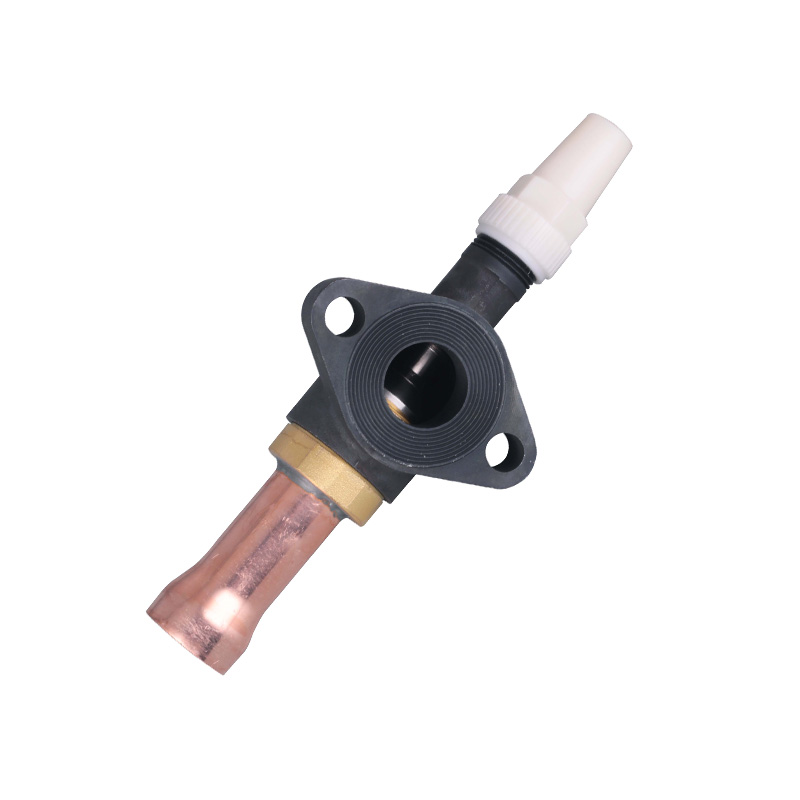 Refrigerant Copeland Brass Stop Valve
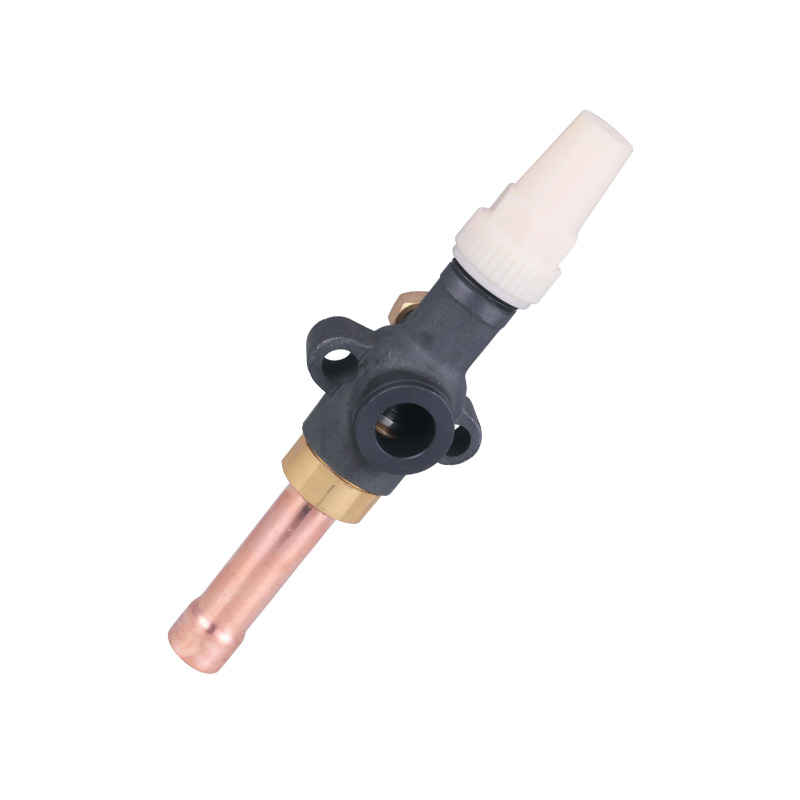 Refrigeration Compressor Copeland Brass Stop Valve
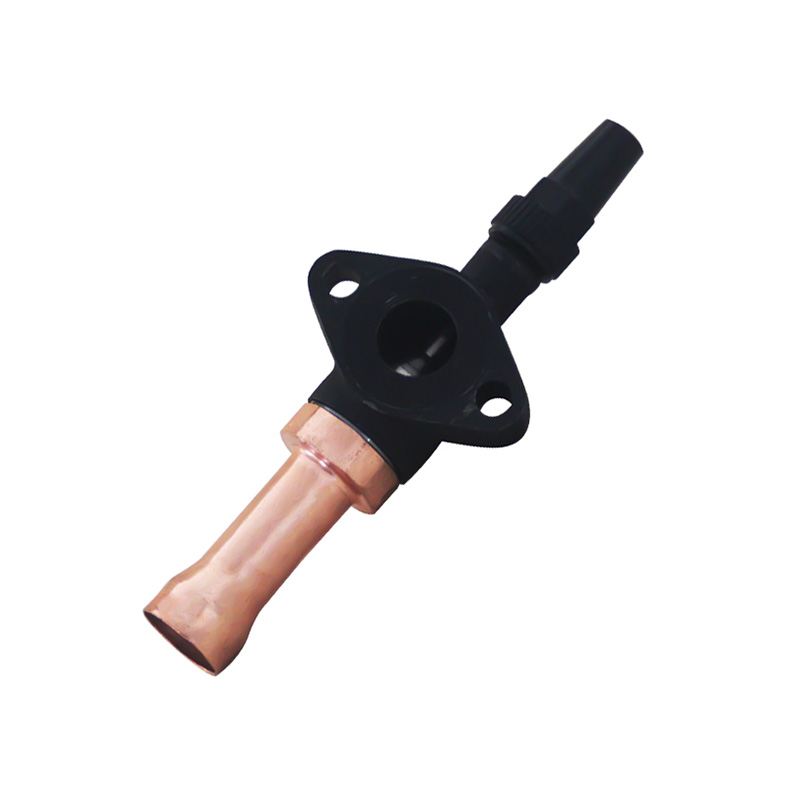 Refrigeration Copeland Brass Stop Valve
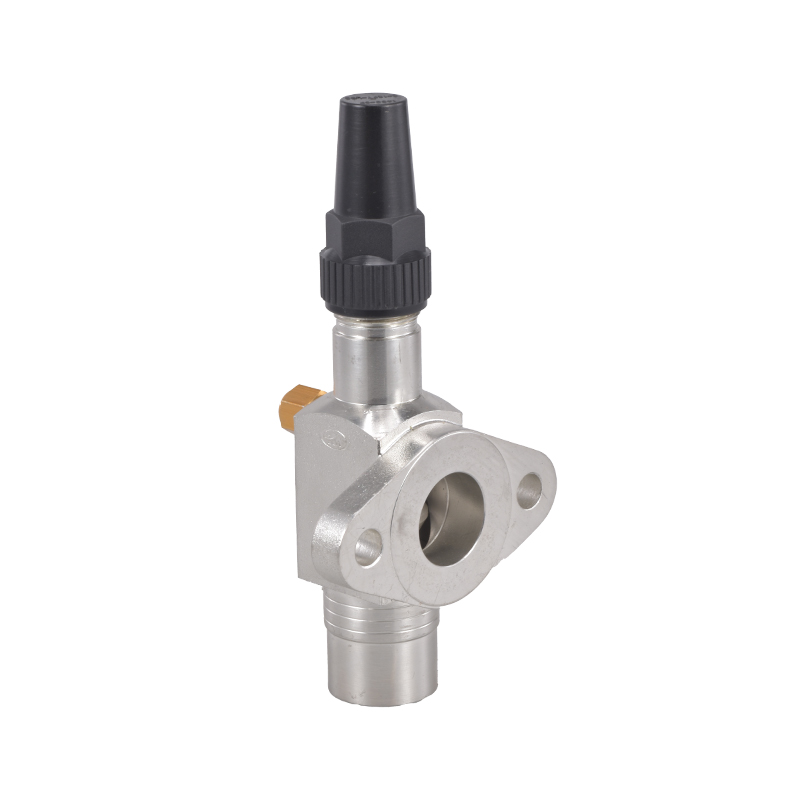 Compressor Refrigeration System Oval Flange
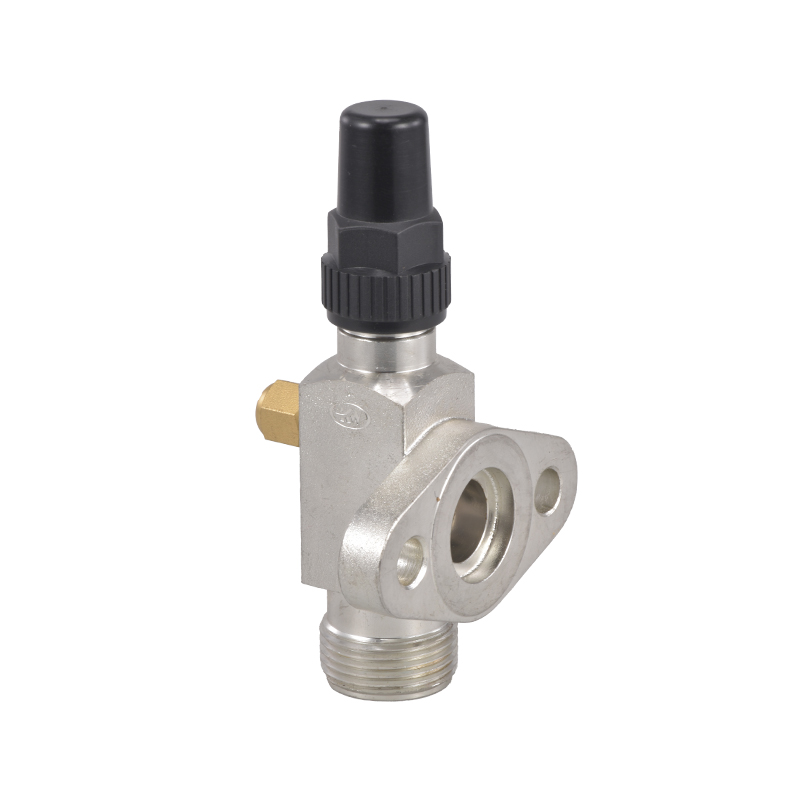 Refrigeration Valve with an Oval Flange




Wholesale Refrigeration Equipment Manufacturer