
 English
 русский
 Deutsch
Industry News
Home / News / Industry News / Why Are Modern Refrigeration Systems Demanding Smarter Flow Control Solutions?

 By Admin
With the rapid expansion of global cold chain logistics, food processing, pharmaceutical storage, and supermarket refrigeration systems, demand for stable and energy-efficient cooling infrastructure continues to grow. Engineers and procurement teams are increasingly focused on system reliability, temperature accuracy, and reduced maintenance downtime. In this context, the Solenoid Valve has become a key component in refrigeration control systems, especially as operators look for more precise and responsive flow regulation in complex cooling environments.
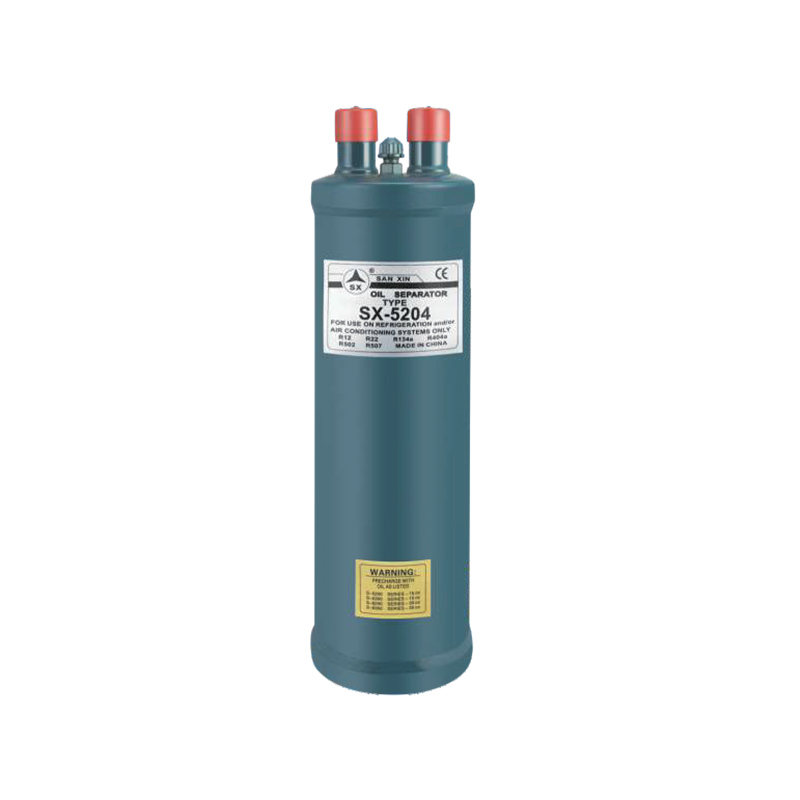
Recent industry discussions across engineering forums and procurement platforms show strong interest in improving energy efficiency, reducing refrigerant leakage risks, and enhancing system responsiveness under variable load conditions.
Cold storage systems are responsible for preserving perishable goods across transportation, warehousing, and retail distribution. Even small temperature fluctuations can affect product quality and shelf life.
Buyers are prioritizing systems that ensure:
This has increased demand for precise flow control components that can respond quickly and reliably.
Energy consumption remains one of the largest operational costs in refrigeration systems. With rising electricity prices and sustainability requirements, system designers are optimizing every component for efficiency.
Key procurement considerations include:
Efficient control components are now seen as essential for long-term operational cost reduction.
Refrigeration systems often operate continuously for long periods, especially in food storage and pharmaceutical environments. Any failure can lead to significant product loss and operational disruption.
Engineering teams are evaluating:
Reliability is no longer optional—it is a core requirement in system design.
Modern cold storage systems are increasingly integrating automation and smart monitoring technologies. This allows operators to improve efficiency and reduce manual intervention.
Common trends include:
These advancements require highly responsive components that can work seamlessly with electronic control systems.
Maintenance costs and system downtime are major concerns for facility operators. Refrigeration systems that require frequent servicing can significantly increase operational expenses.
Buyers are looking for:
Minimizing maintenance frequency improves both operational efficiency and system reliability.
As a manufacturer supplying refrigeration control components, we observe increasing demand for precision-engineered products that support both efficiency and system stability. Buyers are shifting toward long-term performance value rather than short-term cost advantages.
Common OEM and project requirements include:
This reflects a broader trend toward smarter and more integrated refrigeration system design.
As cold chain logistics and temperature-sensitive industries continue to expand, refrigeration system performance is becoming more dependent on precision control and energy efficiency. Buyers are increasingly focused on reliability, responsiveness, and long-term operational stability.
For engineers and procurement teams upgrading modern refrigeration systems, a well-designed Cold Storage Equipment control solution plays a critical role in ensuring stable performance, energy optimization, and consistent cooling quality across demanding applications.
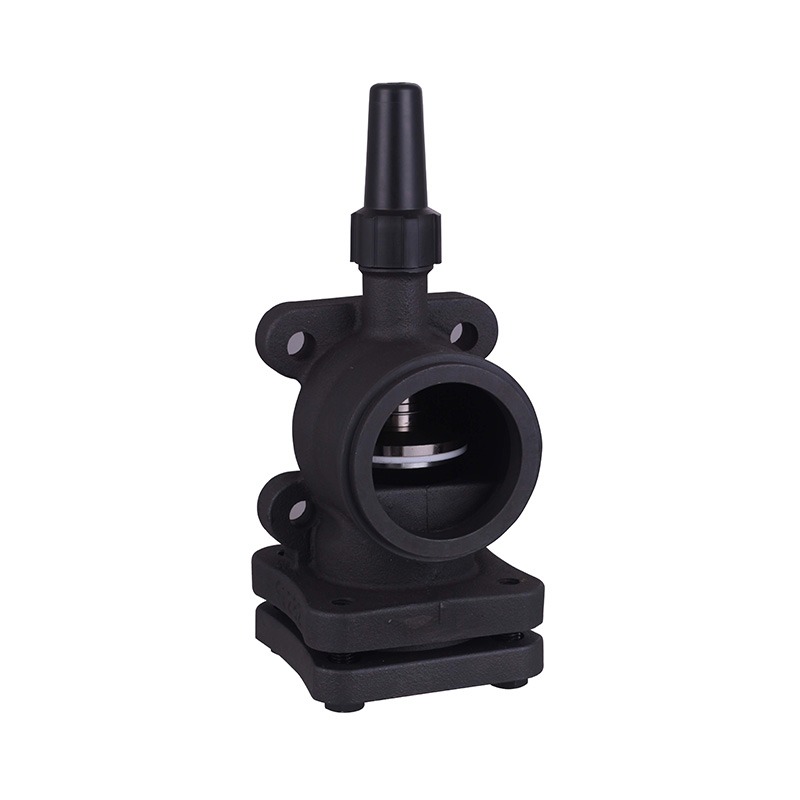 Compressor Refrigeration Cast Iron Shut-Off Vale
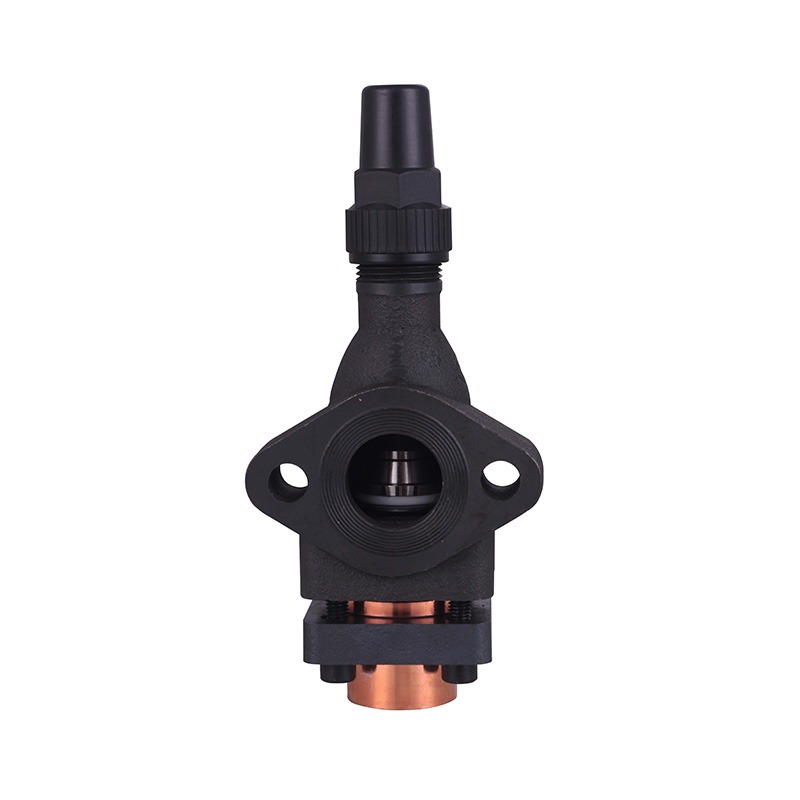 High Quality Refrigeration Cast Iron Shut-Off Vale
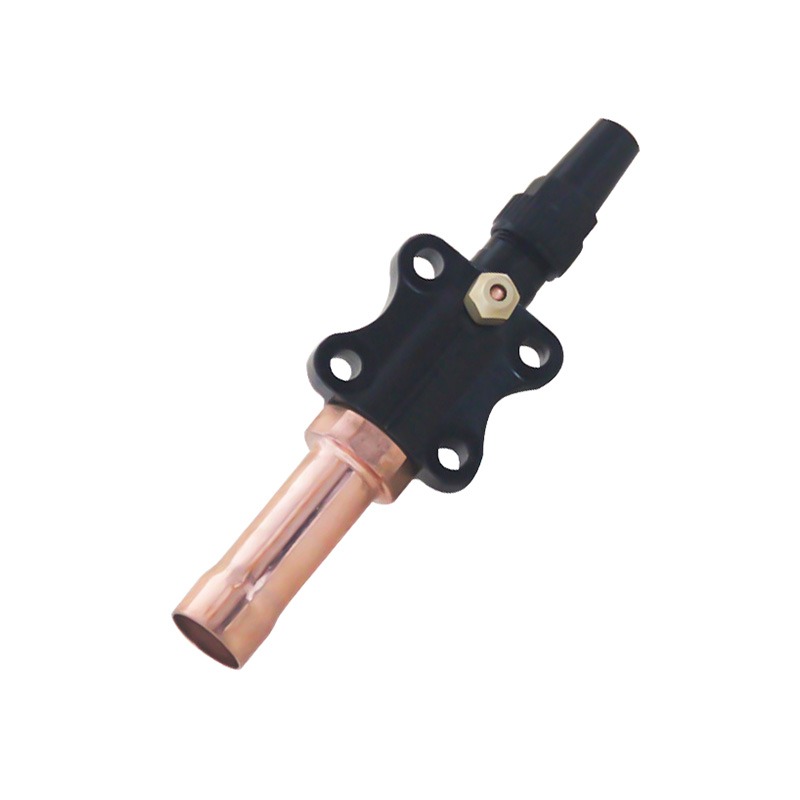 Compressor Refrigeration Copeland Brass Stop Valve
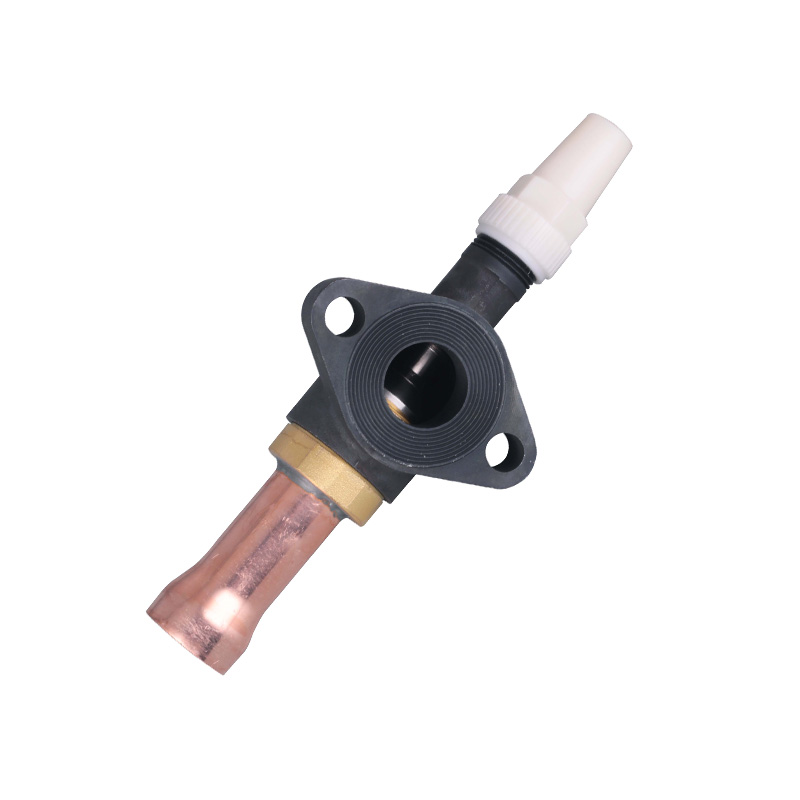 Refrigerant Copeland Brass Stop Valve
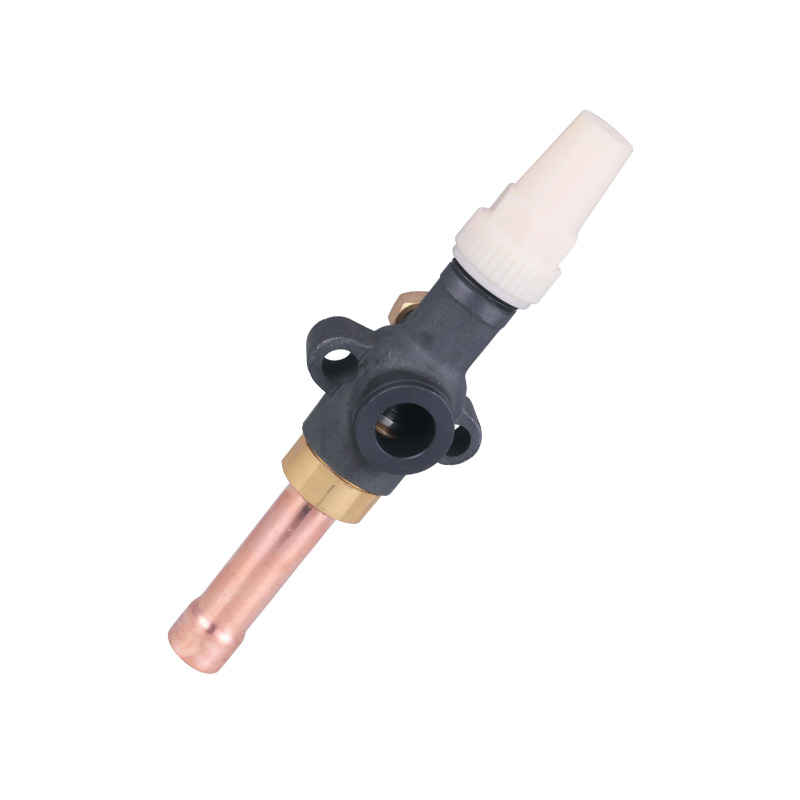 Refrigeration Compressor Copeland Brass Stop Valve
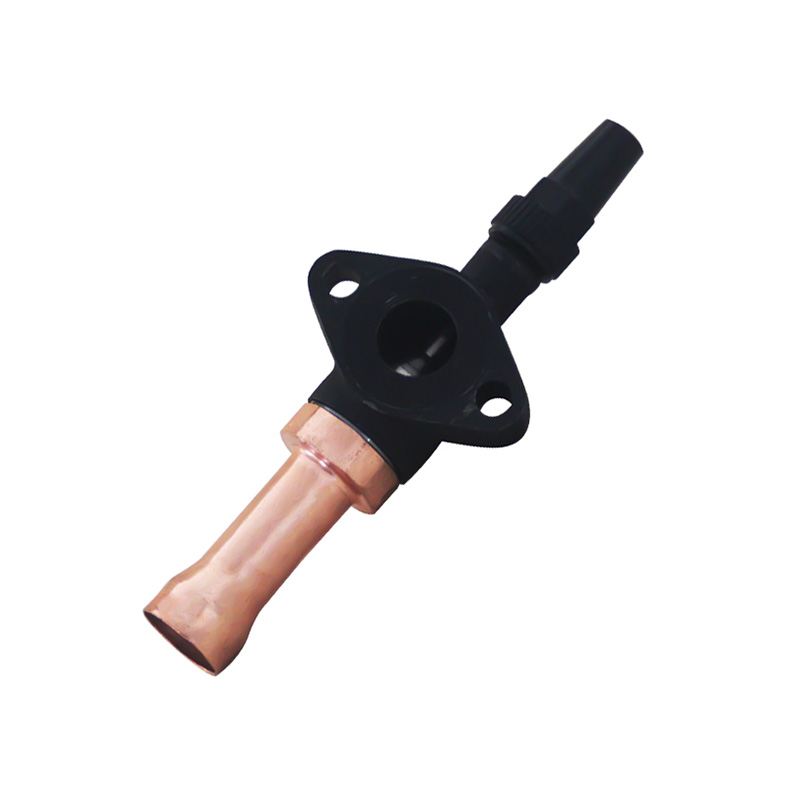 Refrigeration Copeland Brass Stop Valve
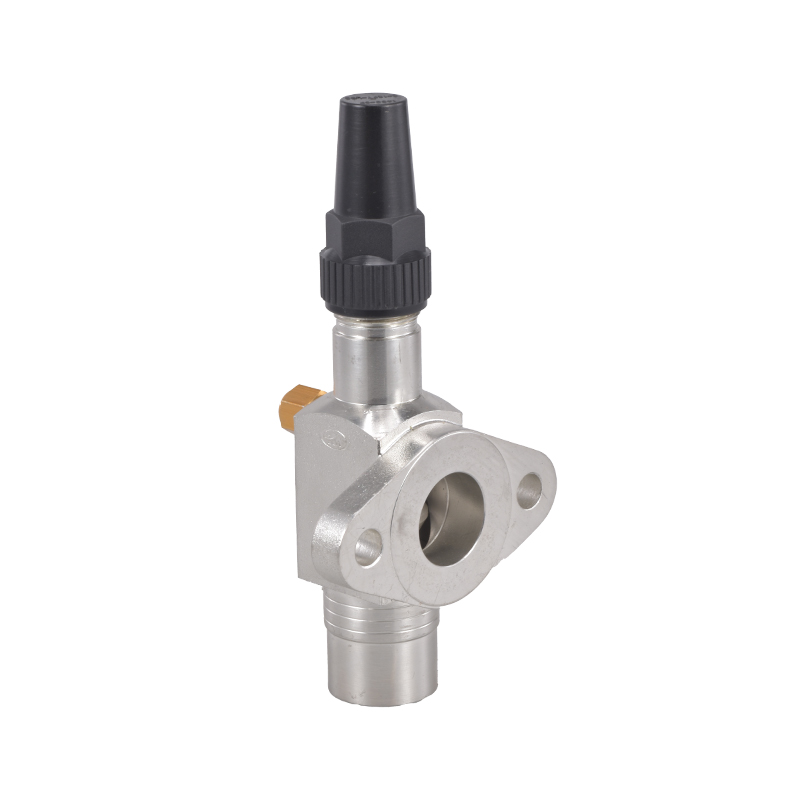 Compressor Refrigeration System Oval Flange
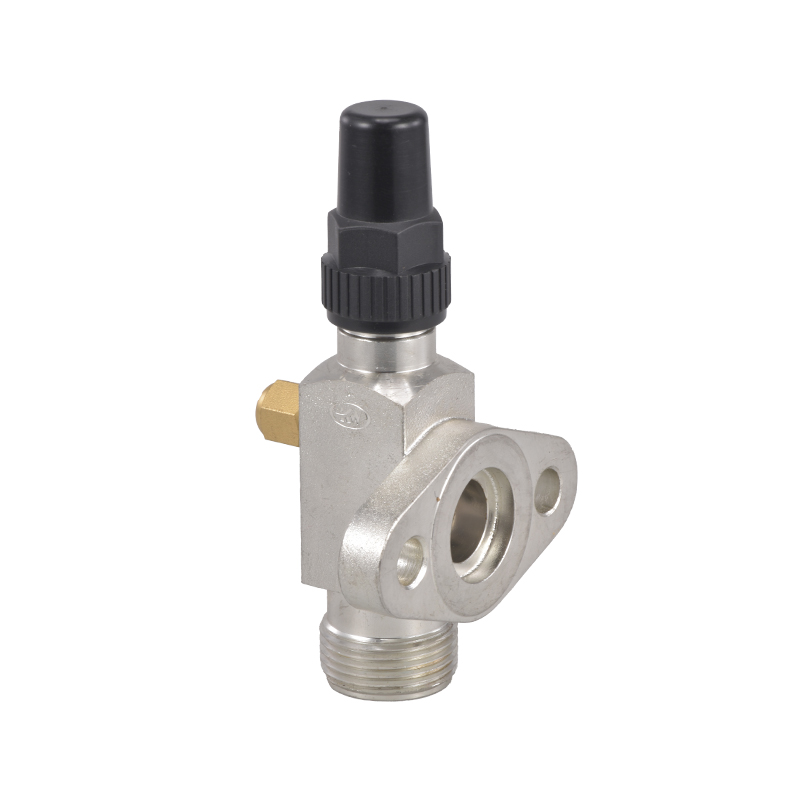 Refrigeration Valve with an Oval Flange




Wholesale Refrigeration Equipment Manufacturer