
 English
 русский
 Deutsch
Industry News
Home / News / Industry News / Are Refrigeration Systems Entering a New Phase of Intelligent Flow Control?

 By Admin
Global demand for cold chain logistics, frozen food distribution, and pharmaceutical storage continues to grow, pushing refrigeration system designers to rethink efficiency, stability, and long-term operational cost control. In many recent procurement discussions, engineers and buyers are paying closer attention to how small components impact overall system performance. One of the most frequently discussed components is the Solenoid Valve, especially in systems requiring precise refrigerant control and fast response under variable load conditions.
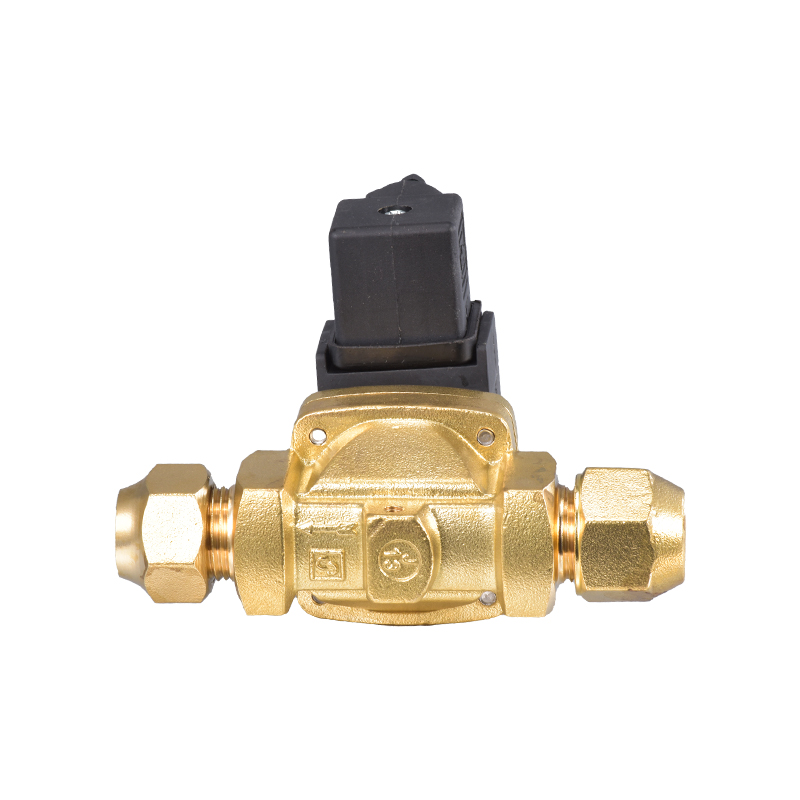
Instead of focusing only on compressor capacity or cooling power, buyers are now evaluating system-level optimization and component reliability as key purchasing factors.
Energy consumption is one of the highest operational costs in refrigeration systems. As electricity prices fluctuate and sustainability regulations tighten in many regions, companies are actively seeking ways to improve energy performance.
Key efficiency goals include:
This has increased interest in control components that help systems operate more intelligently rather than continuously at full capacity.
The global cold chain industry is expanding beyond traditional food storage into pharmaceuticals, biotechnology, and e-commerce delivery systems. Each application has stricter temperature control requirements and less tolerance for fluctuation.
Buyers are now prioritizing:
This expansion is pushing refrigeration systems toward more advanced and responsive control architectures.
In modern refrigeration design, system failure is far more costly than initial installation expenses. A single malfunction can lead to product spoilage, logistics disruption, and financial loss.
Engineering teams are focusing on:
Reliable components are now considered essential for protecting long-term system investment.
Automation is becoming a standard feature in commercial refrigeration systems. From supermarkets to large-scale warehouses, operators are integrating smart controls to improve efficiency and reduce manual management.
Common automation trends include:
These systems require fast and precise mechanical response from core components.
Facility operators are increasingly evaluating total lifecycle cost instead of just initial equipment price. Maintenance downtime directly affects operational continuity, especially in industries dealing with perishable goods.
Procurement teams are looking for:
This shift is encouraging manufacturers to design more durable and service-friendly components.
As a manufacturer working with refrigeration system integrators, we see a clear trend toward precision-focused and energy-aware design requirements. Buyers are not only sourcing parts—they are building optimized systems.
Common expectations include:
This reflects a broader transition toward smarter and more connected refrigeration ecosystems.
As cold chain industries continue to expand globally, refrigeration systems are becoming more complex and more efficiency-driven. Buyers are focusing on reliability, energy optimization, and intelligent control rather than simple cooling output.
For modern system designers and procurement teams, integrating high-performance components such as Cold Storage Equipment solutions is becoming a practical way to improve system stability, reduce operational costs, and support the growing demands of global temperature-controlled logistics.
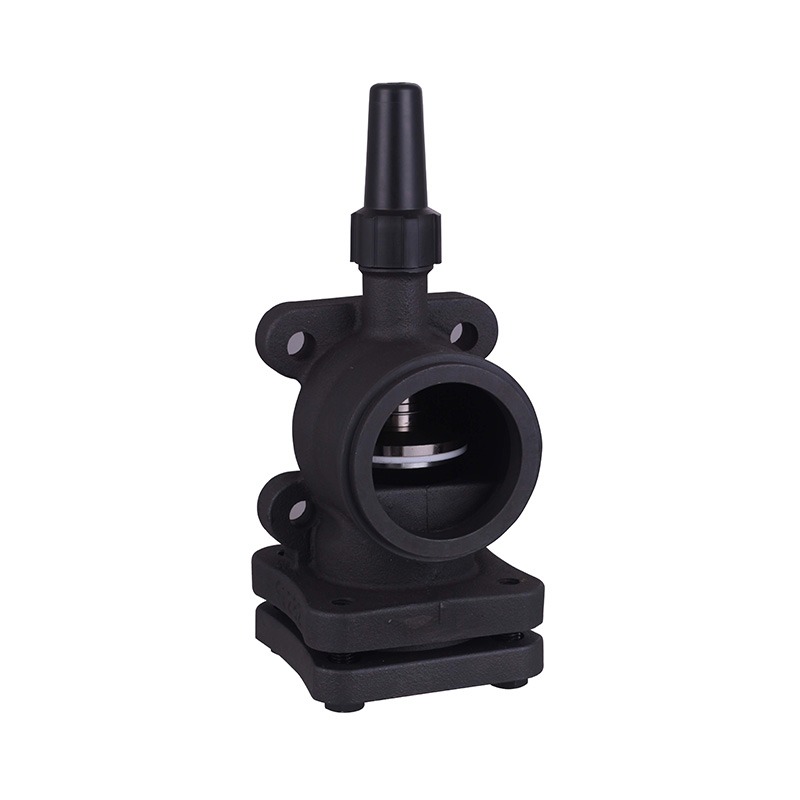 Compressor Refrigeration Cast Iron Shut-Off Vale
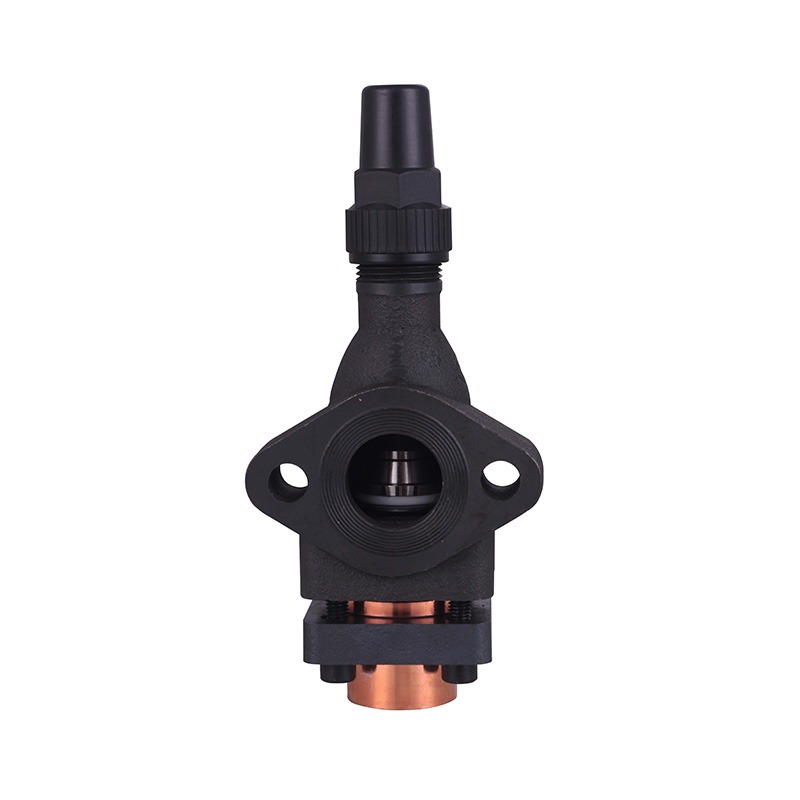 High Quality Refrigeration Cast Iron Shut-Off Vale
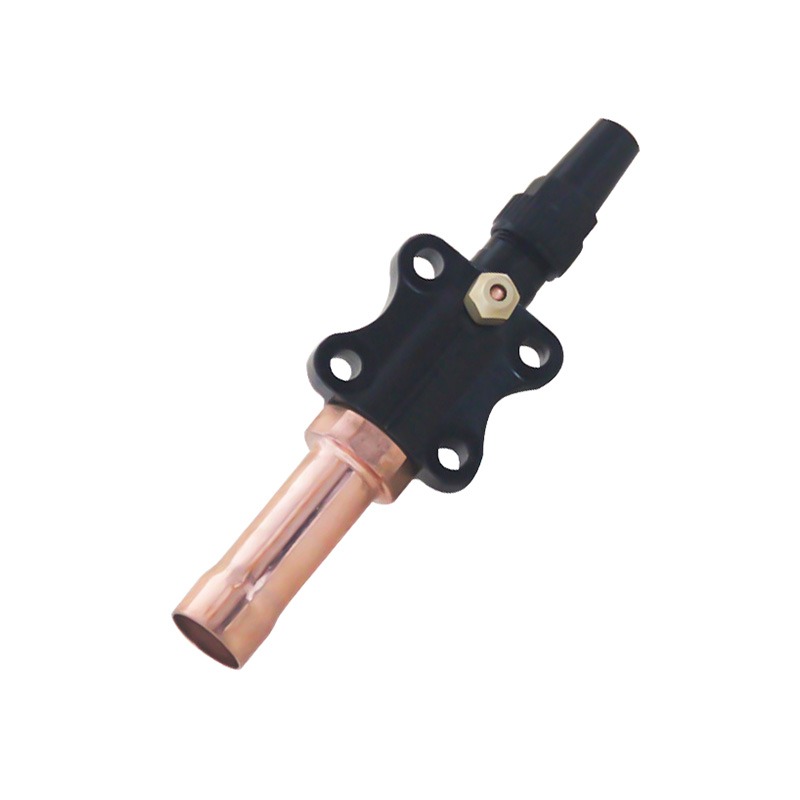 Compressor Refrigeration Copeland Brass Stop Valve
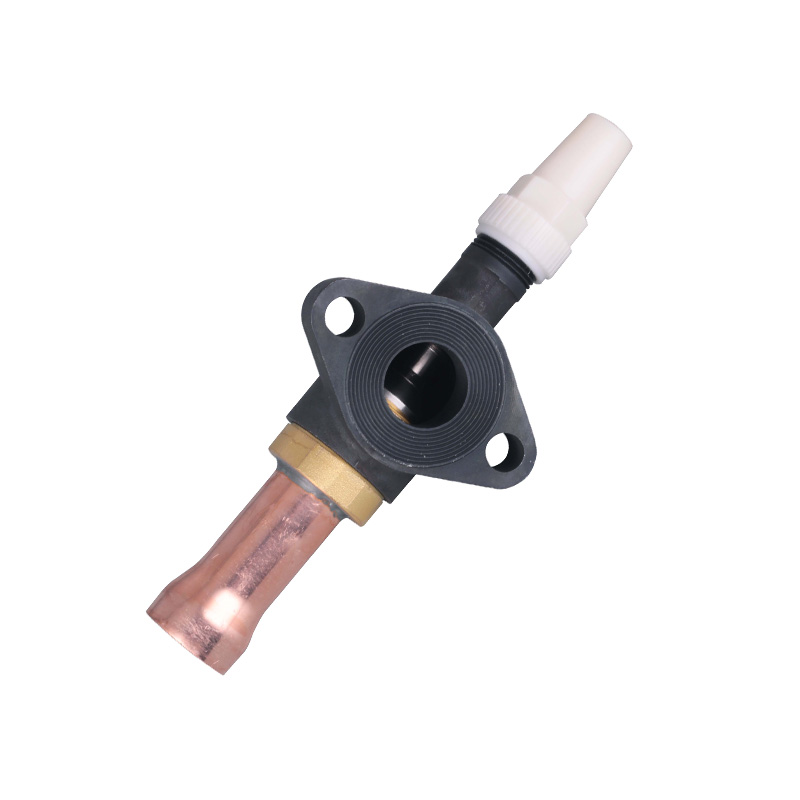 Refrigerant Copeland Brass Stop Valve
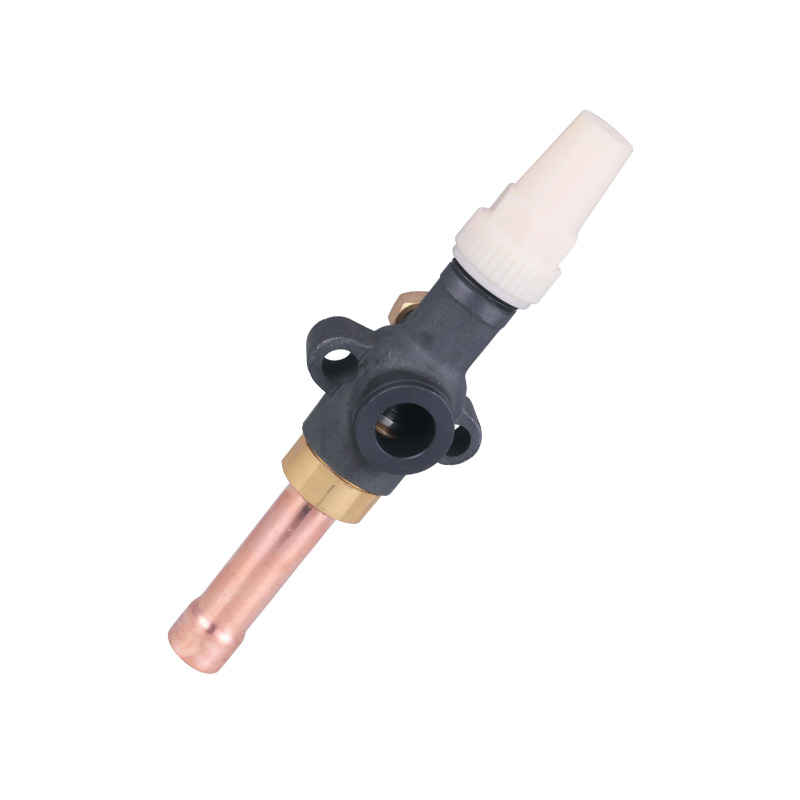 Refrigeration Compressor Copeland Brass Stop Valve
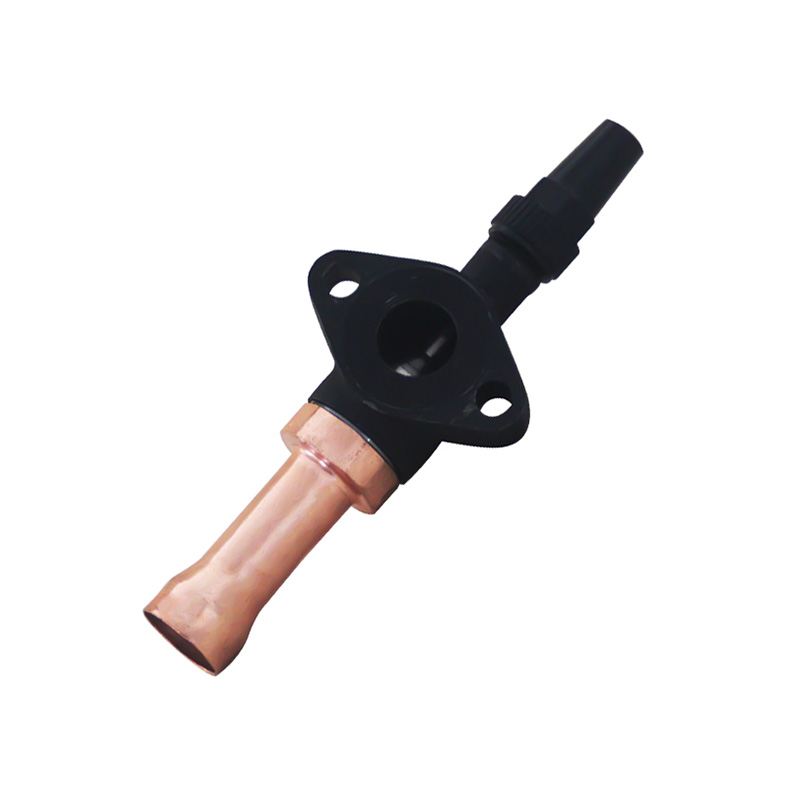 Refrigeration Copeland Brass Stop Valve
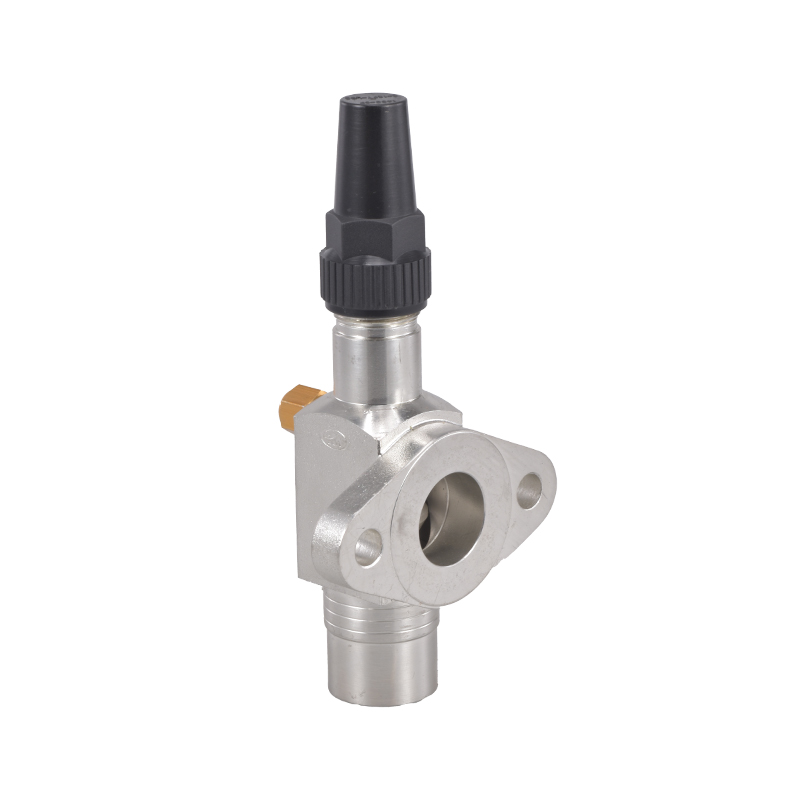 Compressor Refrigeration System Oval Flange
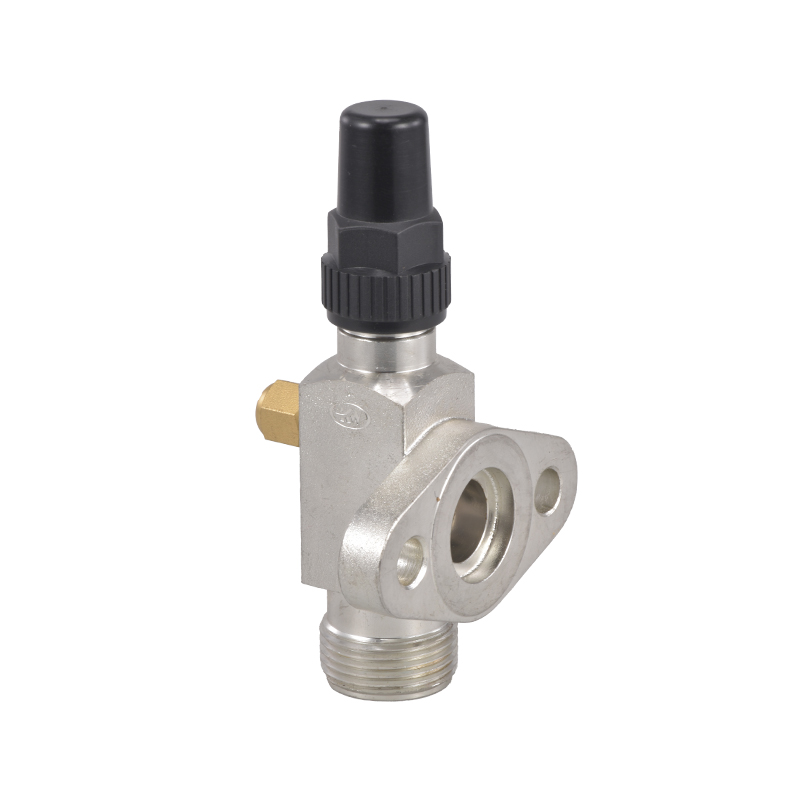 Refrigeration Valve with an Oval Flange




Wholesale Refrigeration Equipment Manufacturer