
 English
 русский
 Deutsch
Industry News
Home / News / Industry News / Could Hidden Refrigeration Components Be the Reason Your Cold Storage System Is Losing Efficiency?

 By Admin
As global demand for temperature-controlled logistics continues to grow, warehouse operators, food processors, pharmaceutical distributors, and refrigeration contractors are paying closer attention to the components that keep cooling systems running efficiently. While compressors and evaporators often receive the most attention, many system performance issues can be traced back to smaller but critical control components.
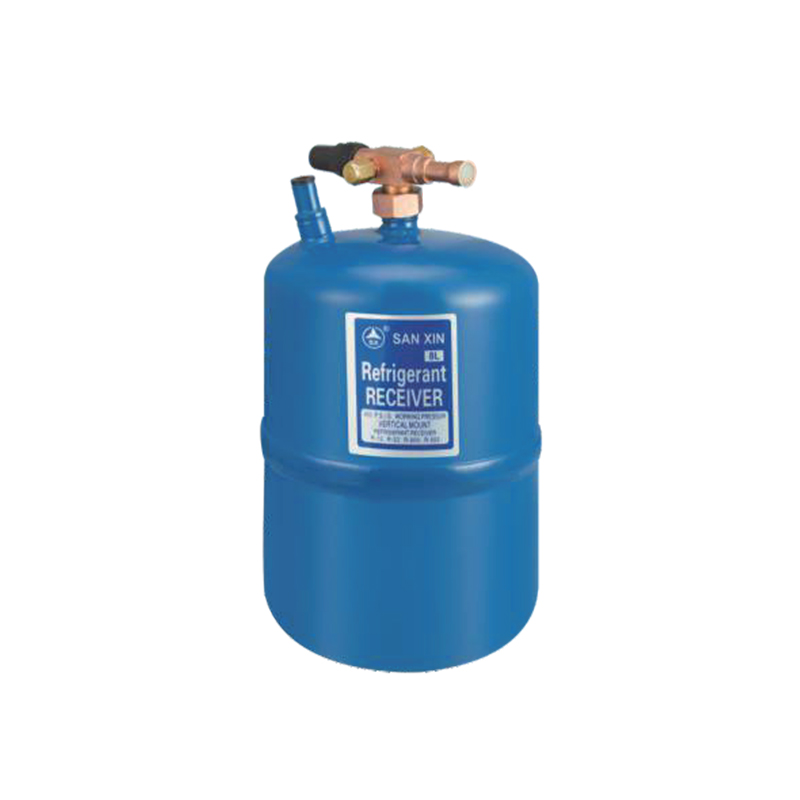
Recent industry searches show increasing interest in topics such as “refrigeration system energy loss,” “cold room temperature fluctuation causes,” and “reliable valve solutions for industrial refrigeration.” These trends reflect a growing awareness that optimizing system control can be just as important as upgrading major equipment. For companies investing in Solenoid Valve solutions, understanding these challenges has become a key part of improving refrigeration performance.
Whether storing frozen foods, fresh produce, pharmaceuticals, or chemical products, maintaining consistent temperature conditions is essential. Even minor fluctuations can affect product quality, inventory safety, and operational efficiency.
Common causes of temperature instability include:
As cold storage facilities become larger and more automated, precise refrigerant control is becoming increasingly important.
Energy consumption remains one of the largest operational expenses for refrigeration facilities. Rising electricity prices in many regions have pushed facility managers to seek practical ways to improve efficiency without replacing entire systems.
Key optimization priorities include:
Many operators are finding that upgrading control components can deliver meaningful operational improvements while avoiding major capital investment.
In modern refrigeration systems, precise refrigerant management is critical for maintaining stable operating conditions. Poor flow control can lead to uneven cooling, increased energy consumption, and unnecessary strain on major equipment.
Engineers typically focus on:
This is why high-quality control valves continue to play an important role in industrial refrigeration projects.
The rapid growth of smart warehouses and automated cold chain logistics is changing how refrigeration systems are designed and monitored.
Current industry trends include:
As automation expands, every component within the refrigeration network must provide consistent and predictable performance to support system-wide reliability.
Unexpected downtime can create serious challenges for businesses handling temperature-sensitive products. Procurement teams are increasingly prioritizing equipment reliability when selecting refrigeration components.
Important evaluation factors include:
Key Purchasing Considerations
Manufacturers that focus on consistent product quality and rigorous testing are becoming preferred partners for industrial refrigeration projects.
Environmental responsibility continues to shape refrigeration system development worldwide. Facility operators are looking for ways to reduce energy use while maintaining required cooling performance.
This trend has increased interest in:
The goal is not only lower operating costs but also improved long-term sustainability across the entire cold chain.
As global cold chain infrastructure expands, operators will continue seeking solutions that improve efficiency, reliability, and temperature consistency. Smart system design is increasingly focused on enhancing control accuracy rather than simply increasing cooling capacity.
For this reason, demand for high-performance Solenoid Valve products continues to grow among refrigeration professionals. At the same time, modern Cold Storage Equipment is evolving toward more intelligent, energy-conscious, and maintenance-friendly designs that help facilities meet the growing demands of food, pharmaceutical, and logistics industries worldwide.
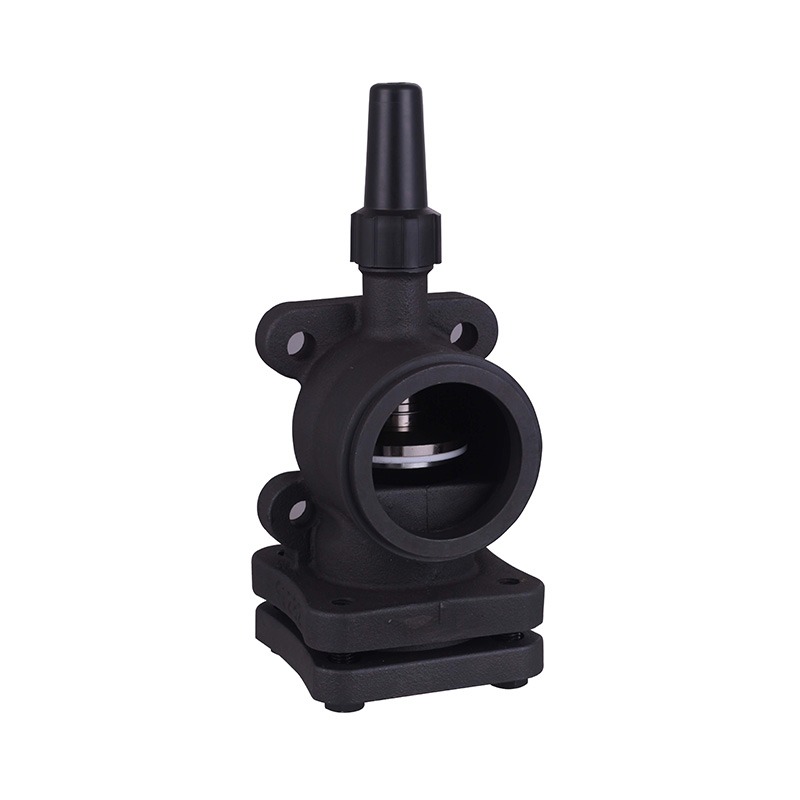 Compressor Refrigeration Cast Iron Shut-Off Vale
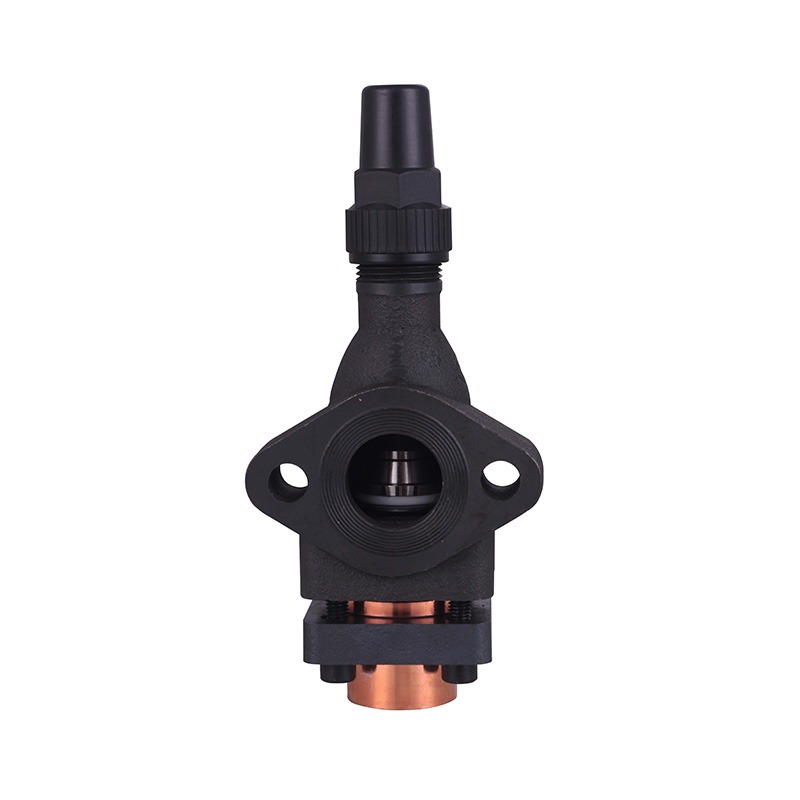 High Quality Refrigeration Cast Iron Shut-Off Vale
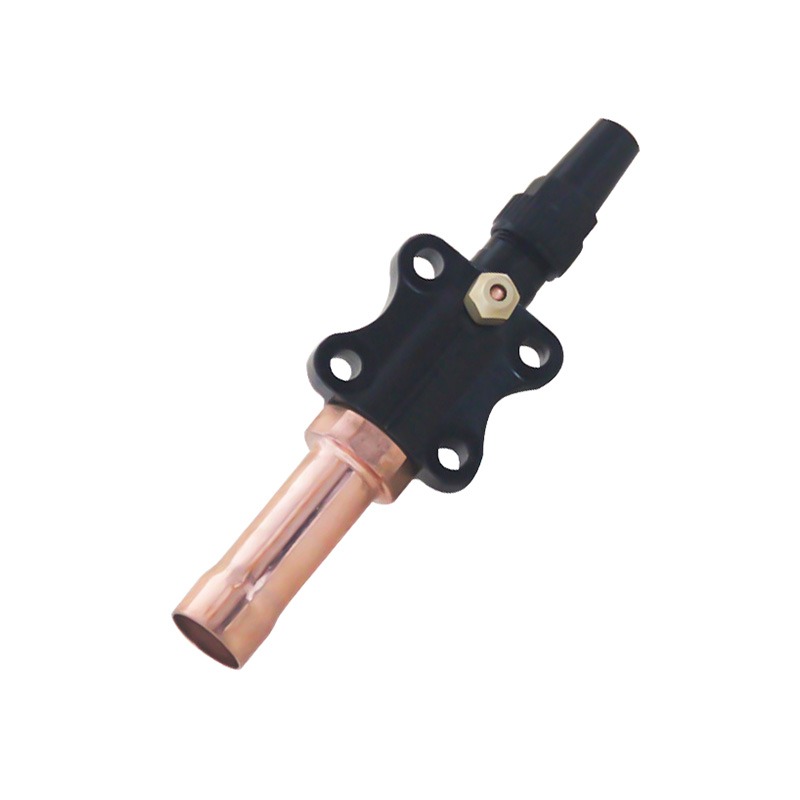 Compressor Refrigeration Copeland Brass Stop Valve
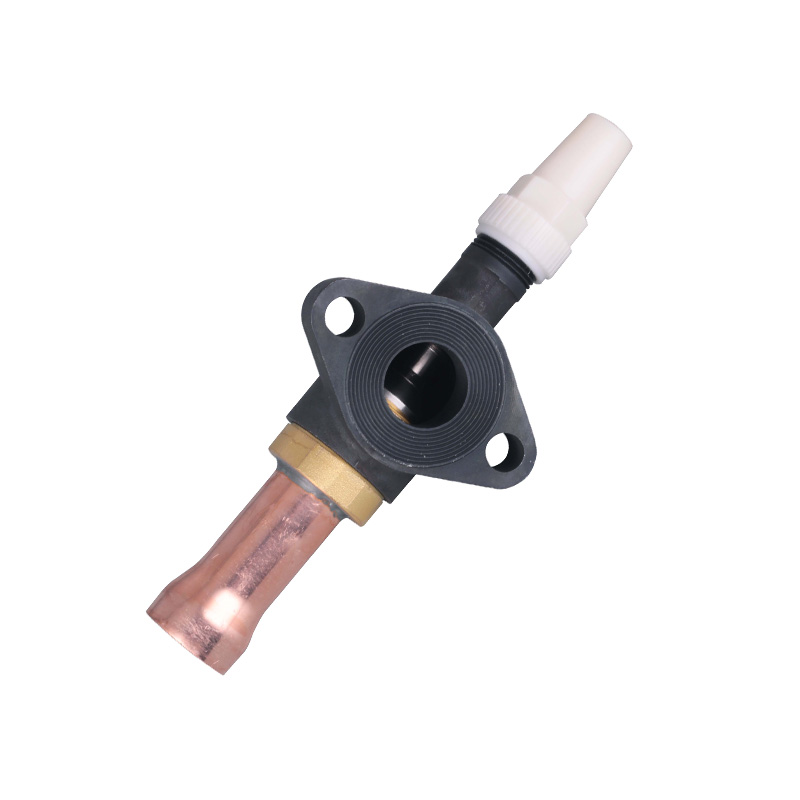 Refrigerant Copeland Brass Stop Valve
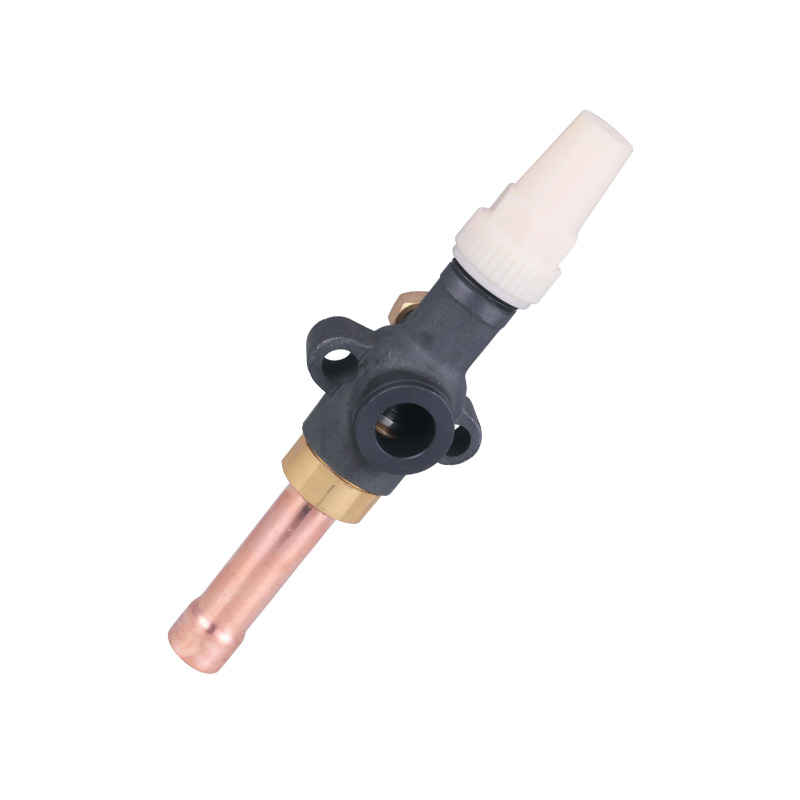 Refrigeration Compressor Copeland Brass Stop Valve
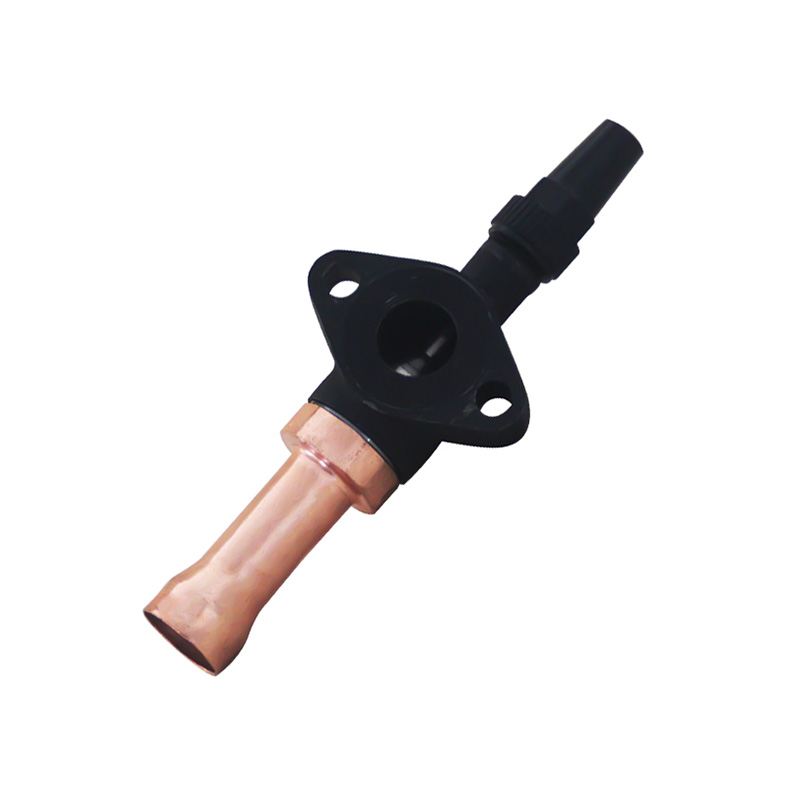 Refrigeration Copeland Brass Stop Valve
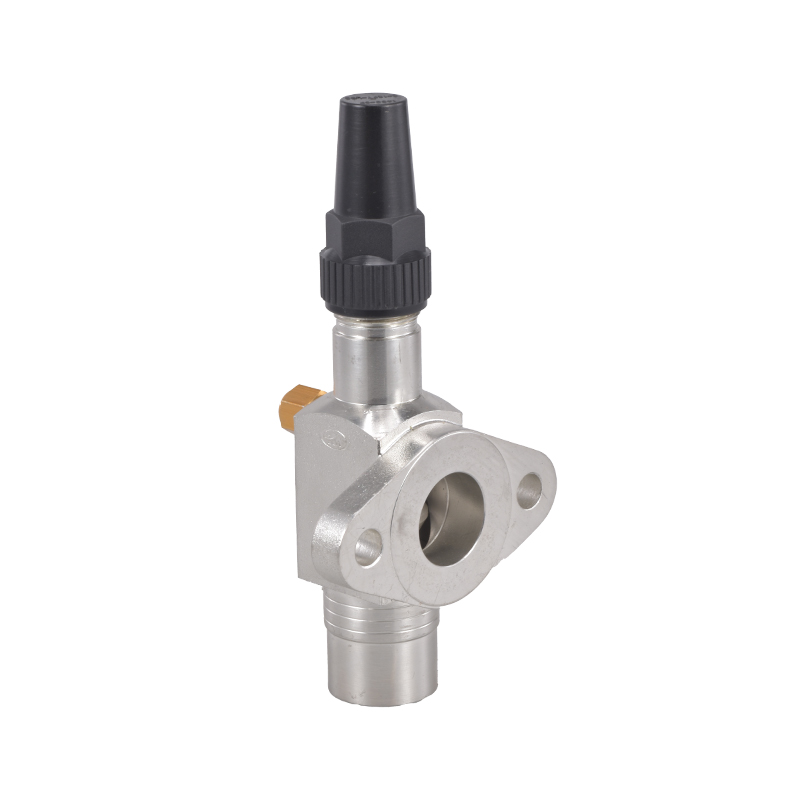 Compressor Refrigeration System Oval Flange
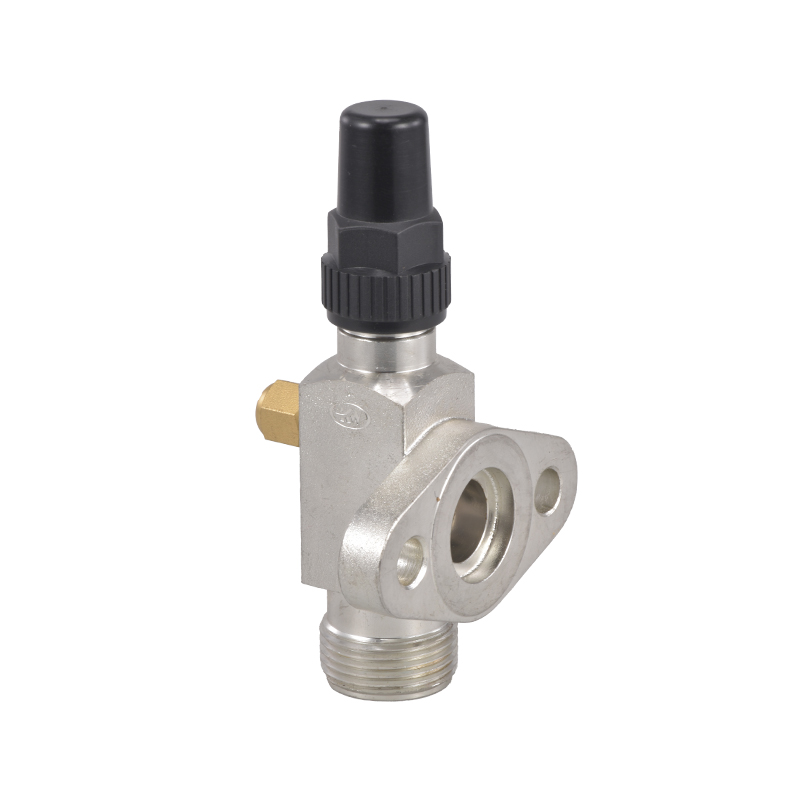 Refrigeration Valve with an Oval Flange




Wholesale Refrigeration Equipment Manufacturer