
 English
 русский
 Deutsch
Industry News
Home / News / Industry News / Which Refrigeration Upgrades Are Helping Businesses Reduce Energy Costs and Protect Product Quality?

 By Admin
Rising energy prices, stricter food safety regulations, and expanding cold-chain logistics are changing how businesses invest in temperature-controlled facilities. Whether serving food processing, pharmaceuticals, agriculture, or logistics, buyers are searching for solutions that balance operational efficiency with long-term reliability. Recent industry discussions and online searches increasingly focus on energy-efficient cold room solutions, smart temperature monitoring, modular cold storage warehouse, industrial cooling systems, and Refrigeration System. These trends show that companies are no longer purchasing cooling equipment based solely on capacity—they are evaluating lifetime operating performance and system flexibility.
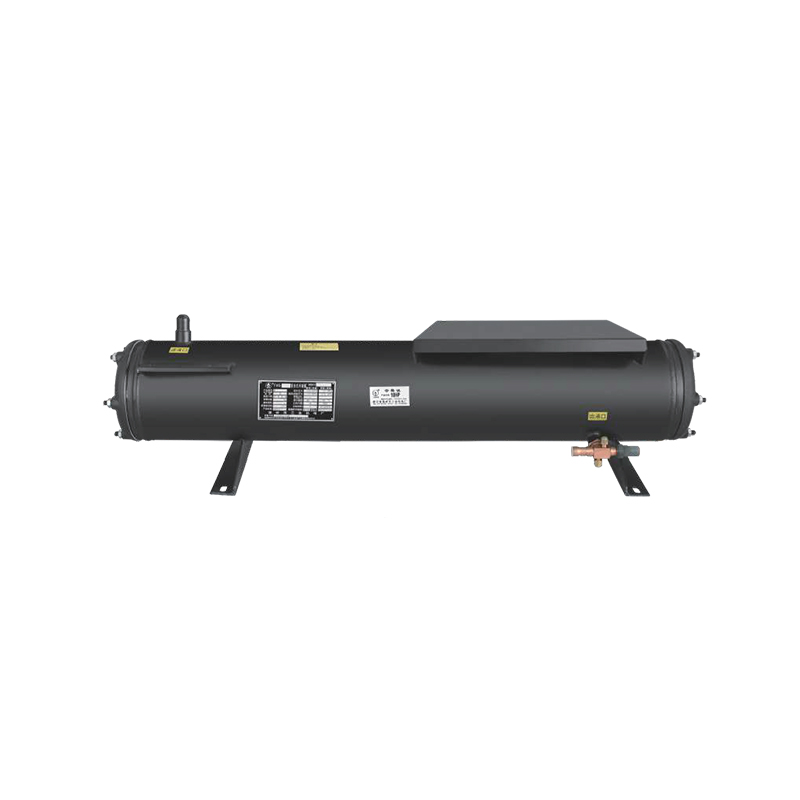
Electricity remains one of the largest operating costs for cold storage facilities. Even modest improvements in system efficiency can contribute to lower operating expenses over time, making energy performance an important factor during procurement.
Today's buyers typically prioritize equipment that offers:
Rather than simply choosing larger equipment, companies are increasingly looking for systems that deliver cooling capacity more efficiently.
Digital technology is becoming an essential part of modern refrigeration projects. Facility managers want greater visibility into operating conditions without relying entirely on manual inspections.
Common features attracting buyer attention include:
These functions help operators improve product protection while simplifying day-to-day management.
Professional procurement teams understand that refrigeration projects involve much more than selecting compressors or evaporators. Long-term system reliability depends on the complete engineering solution.
Their purchasing checklist often includes:
Comprehensive planning helps reduce operational interruptions after installation.
Businesses increasingly require refrigeration facilities that can adapt as production volumes or storage requirements change. Modular solutions provide greater flexibility than fixed designs.
Advantages of modular systems include:
This adaptability is particularly valuable for food distribution centers and growing manufacturing operations.
As a manufacturer, we recognize that dependable refrigeration equipment results from precise engineering, careful component integration, and strict production management.
Our manufacturing philosophy emphasizes:
By combining engineering knowledge with manufacturing consistency, we help customers build refrigeration systems designed for long-term performance.
Modern refrigeration technology supports far more industries than traditional food preservation. Temperature-controlled storage has become an essential part of many supply chains.
Typical application areas include:
Each application requires carefully designed temperature control to protect product quality and maintain operational efficiency.
As global supply chains continue to expand and sustainability becomes a greater priority, businesses are investing in refrigeration technologies that combine efficiency, intelligent monitoring, and flexible system design. Manufacturers capable of delivering reliable engineering support and consistent production quality will continue to play a vital role in this transformation.
For contractors, distributors, food processors, and industrial facility operators, selecting the right Cold Storage Equipment supplier is a long-term investment rather than a one-time purchase. A professionally engineered Refrigeration System not only helps maintain product quality but also supports more efficient operations, making advanced Cold Storage Equipment an essential foundation for modern cold-chain infrastructure.
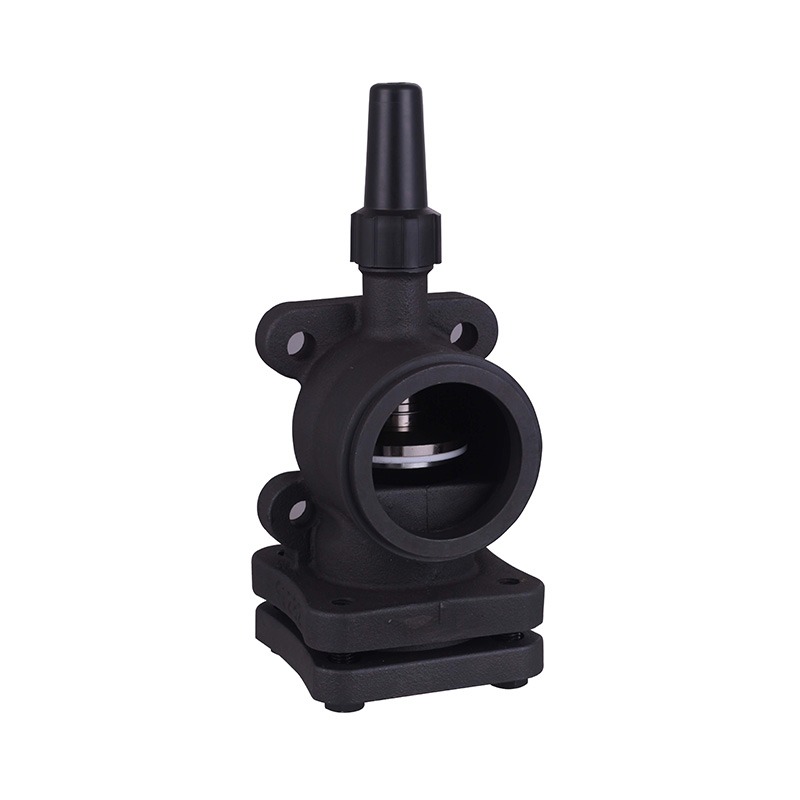 Compressor Refrigeration Cast Iron Shut-Off Vale
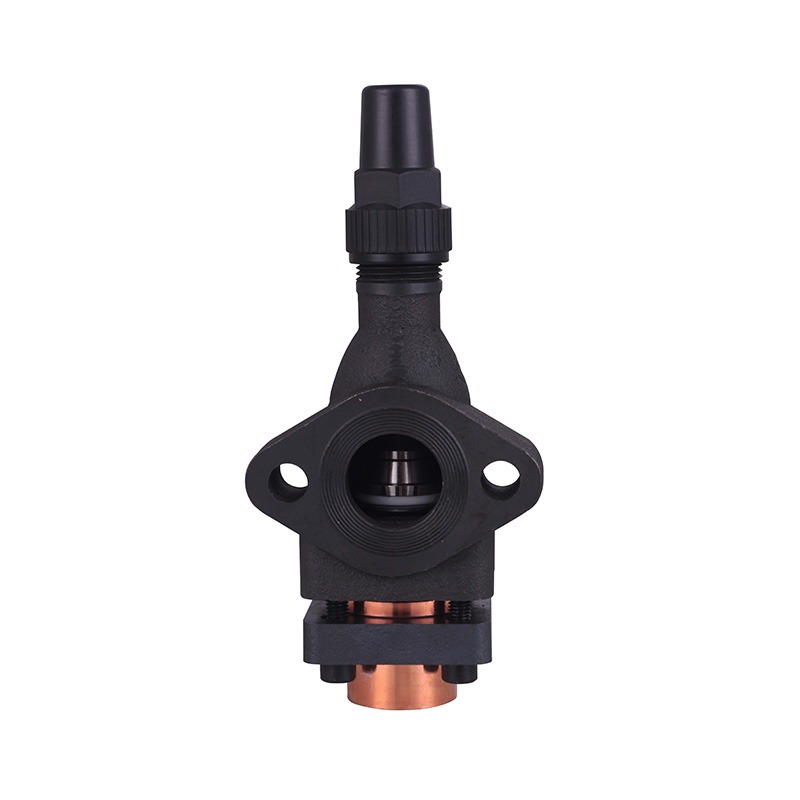 High Quality Refrigeration Cast Iron Shut-Off Vale
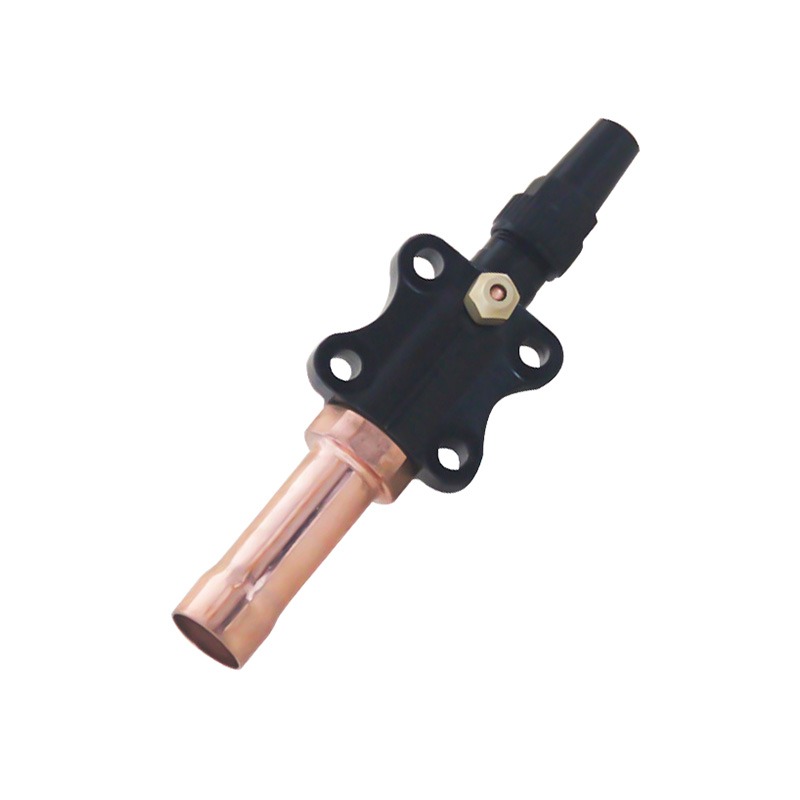 Compressor Refrigeration Copeland Brass Stop Valve
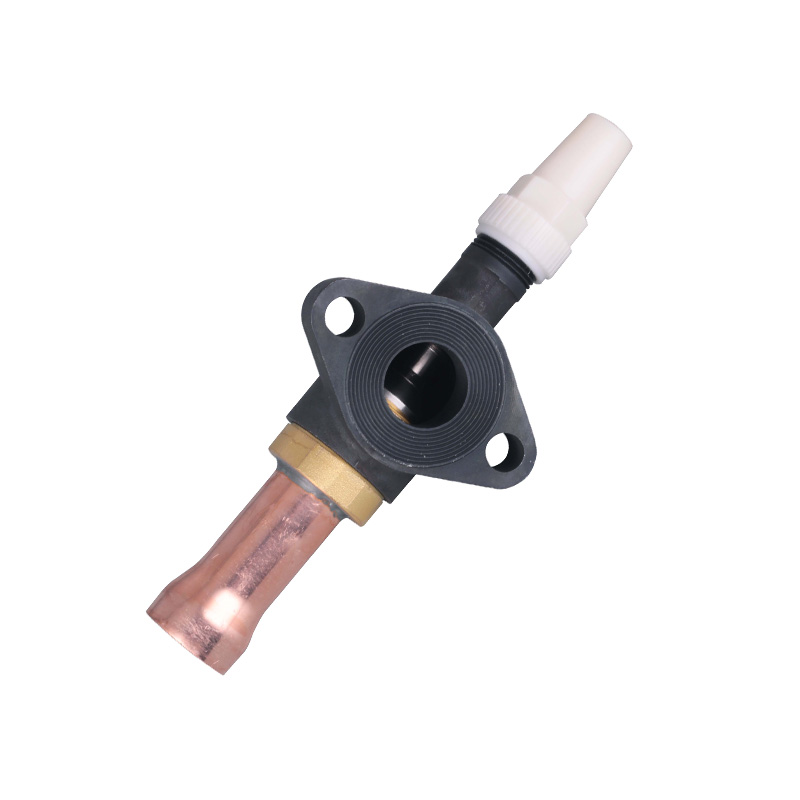 Refrigerant Copeland Brass Stop Valve
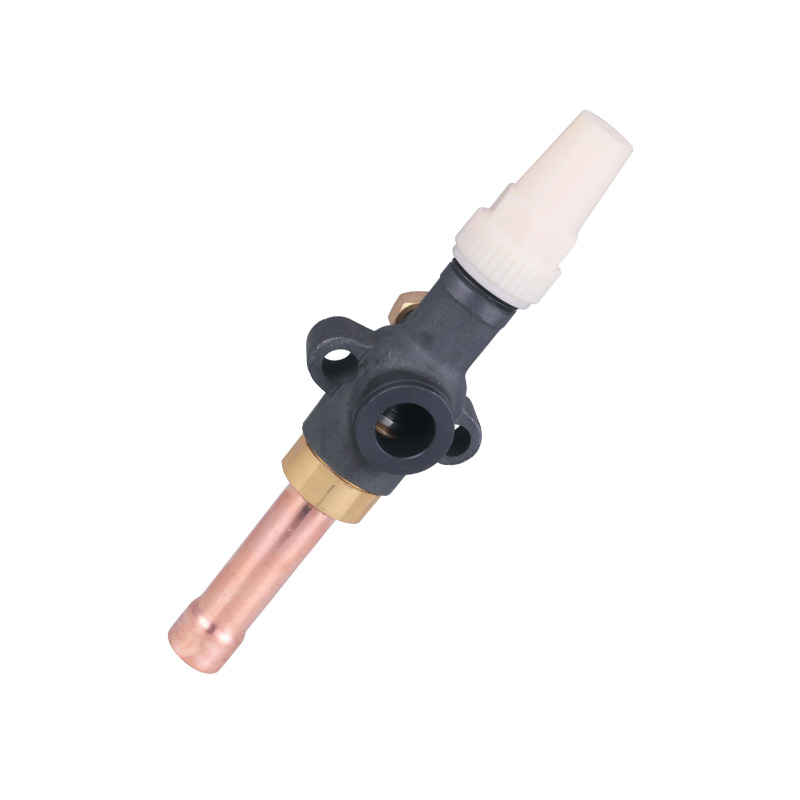 Refrigeration Compressor Copeland Brass Stop Valve
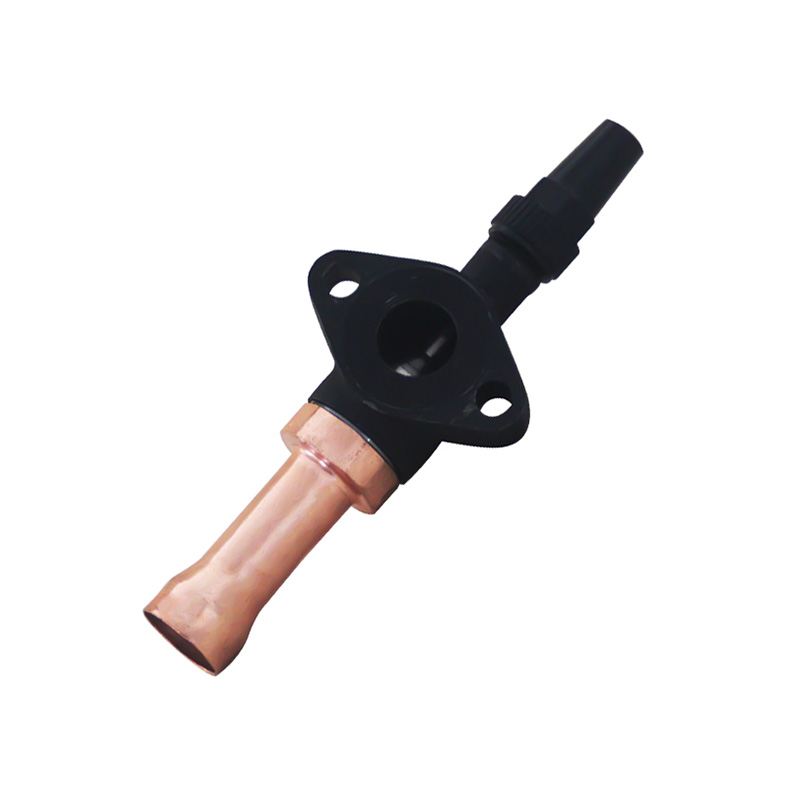 Refrigeration Copeland Brass Stop Valve
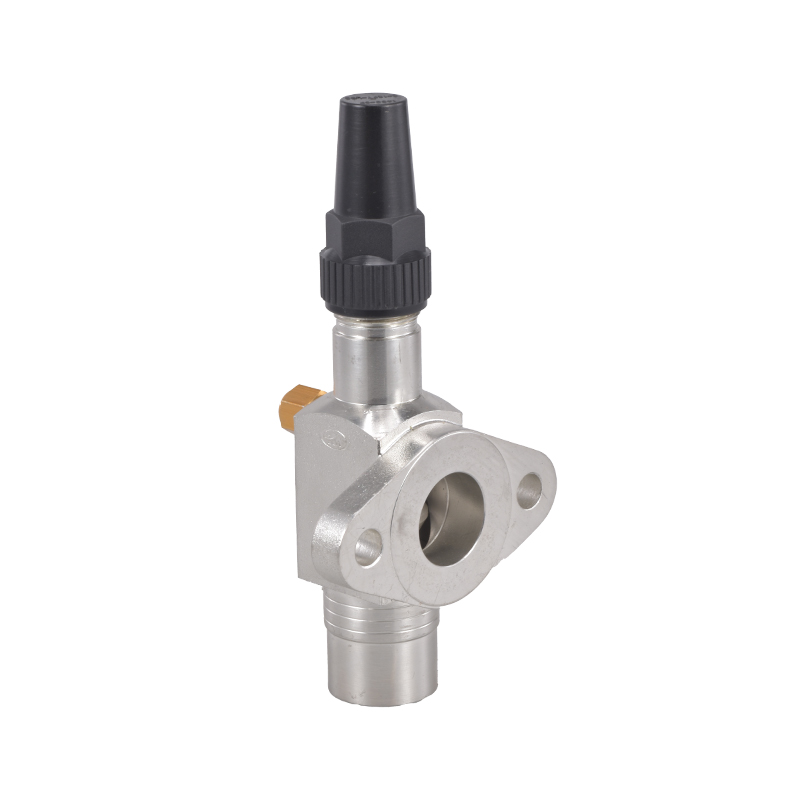 Compressor Refrigeration System Oval Flange
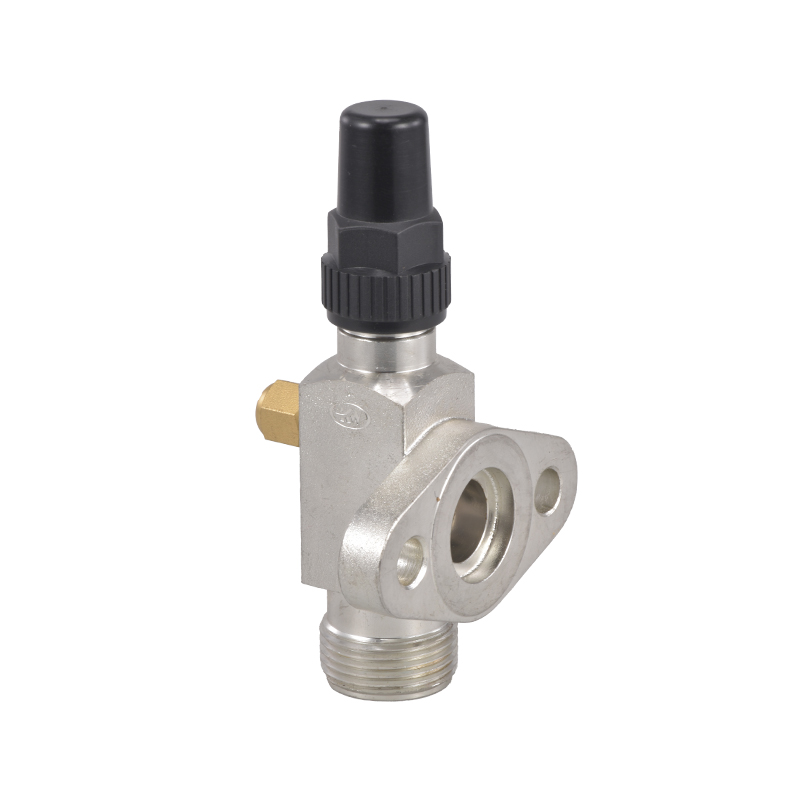 Refrigeration Valve with an Oval Flange




Wholesale Refrigeration Equipment Manufacturer