
 English
 русский
 Deutsch
Industry News
Home / News / Industry News / Are Modern Refrigeration Projects Moving Toward Smarter, More Stable Control Systems?

 By Admin
As global cold chain logistics, food processing, and pharmaceutical storage continue to expand, refrigeration system design is shifting toward higher precision and better energy management. Engineers and procurement teams are no longer focusing only on cooling capacity—they are paying closer attention to stability, response speed, and long-term operating efficiency. In this context, the Solenoid Valve has become a key component in modern refrigeration control systems, especially where accurate refrigerant flow regulation is required under continuous and variable working conditions.
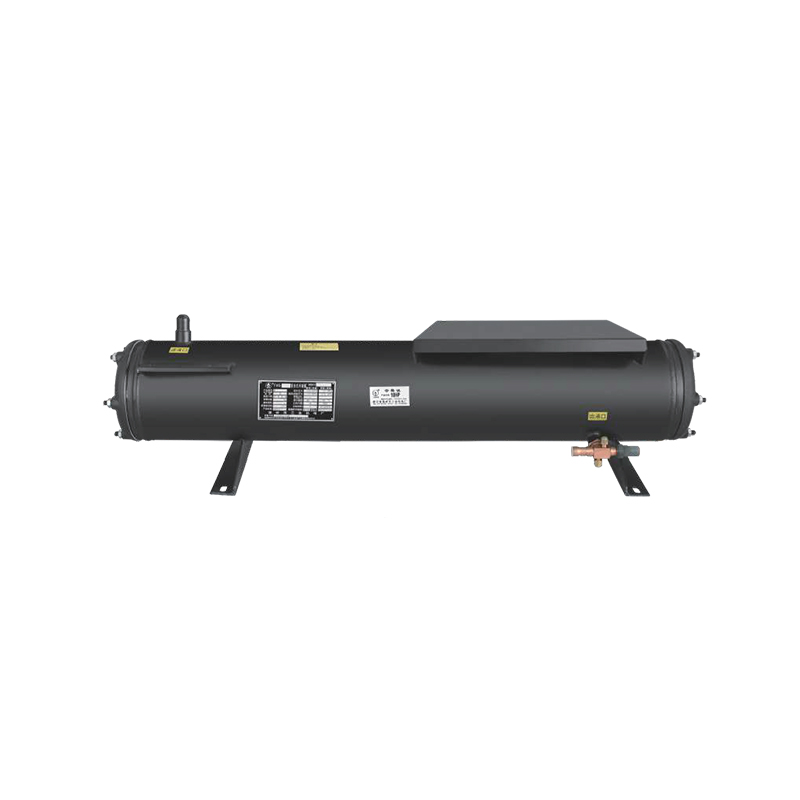
Recent industry discussions show that buyers are increasingly searching for ways to reduce energy loss, improve system responsiveness, and minimize unexpected downtime in cold environments.
Modern refrigeration systems are expected to maintain extremely stable temperature conditions, especially in food storage and pharmaceutical applications. Even small fluctuations can affect product quality and compliance standards.
Engineers are prioritizing systems that can:
This has increased demand for more accurate and responsive flow control components.
Energy efficiency has become one of the most important evaluation factors in refrigeration projects. Facility operators are under pressure to reduce operating costs while meeting environmental standards.
Key optimization goals include:
These requirements are pushing manufacturers to integrate more precise control elements into system architecture.
Refrigeration systems often operate continuously for long periods, especially in industrial cold storage and logistics hubs. Any failure can lead to product loss and operational disruption.
Buyers are increasingly concerned about:
Reliability is now considered a core design requirement rather than an optional feature.
With the rise of smart buildings and digital logistics systems, refrigeration equipment is becoming more automated and data-driven. This improves operational efficiency and reduces manual intervention.
Common trends include:
These developments require fast and precise response from core control components.
In large-scale cold storage operations, maintenance downtime can directly affect product safety and logistics performance. As a result, buyers are prioritizing systems that are easier to maintain and service.
Procurement teams are focusing on:
Efficient maintenance design is now closely linked to operational competitiveness.
As a manufacturer supplying refrigeration control components, we observe a clear shift toward system-level thinking. Buyers are not only selecting individual parts—they are designing integrated, energy-efficient systems.
Common requirements include:
This reflects the ongoing evolution toward smarter refrigeration infrastructure.
As global cold chain demand continues to rise, refrigeration systems are becoming more complex and more performance-sensitive. Buyers are increasingly focused on efficiency, reliability, and intelligent control rather than simple cooling output.
In this environment, integrating high-quality components such as Cold Storage Equipment solutions is becoming an important step for improving system stability, reducing energy consumption, and supporting the long-term development of modern refrigeration applications.
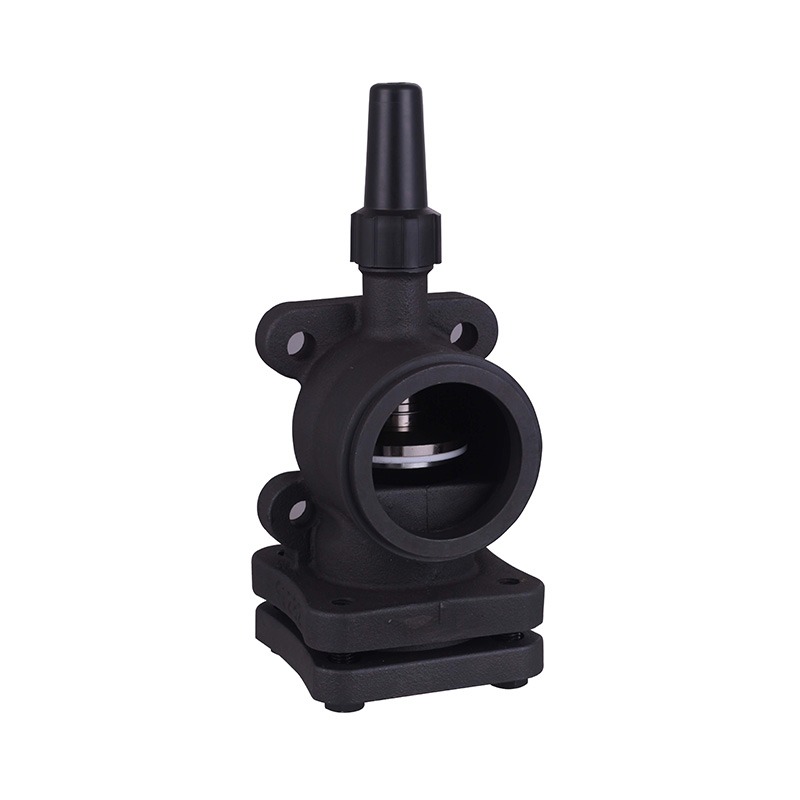 Compressor Refrigeration Cast Iron Shut-Off Vale
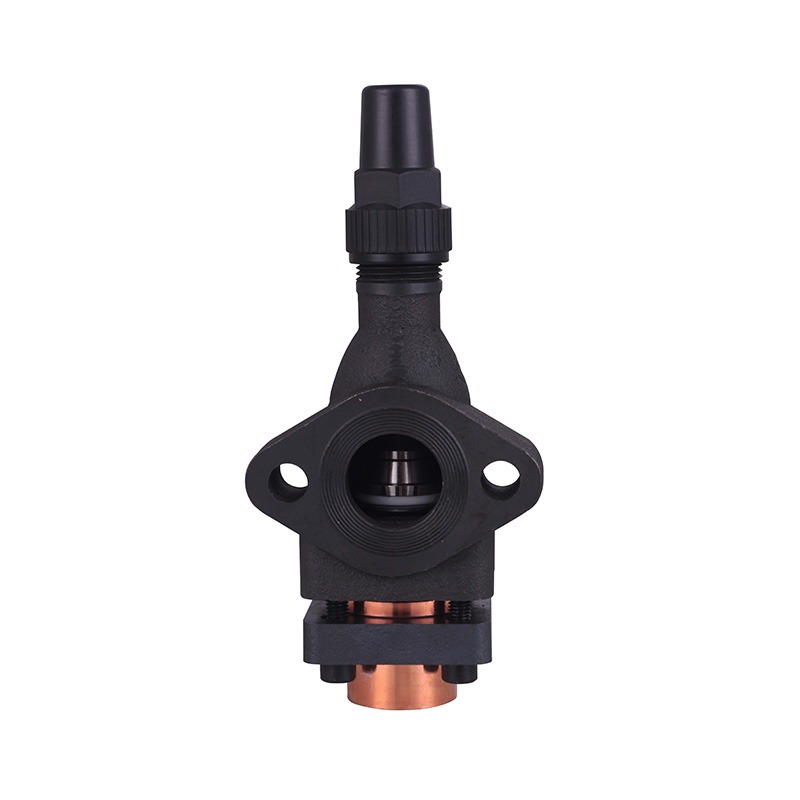 High Quality Refrigeration Cast Iron Shut-Off Vale
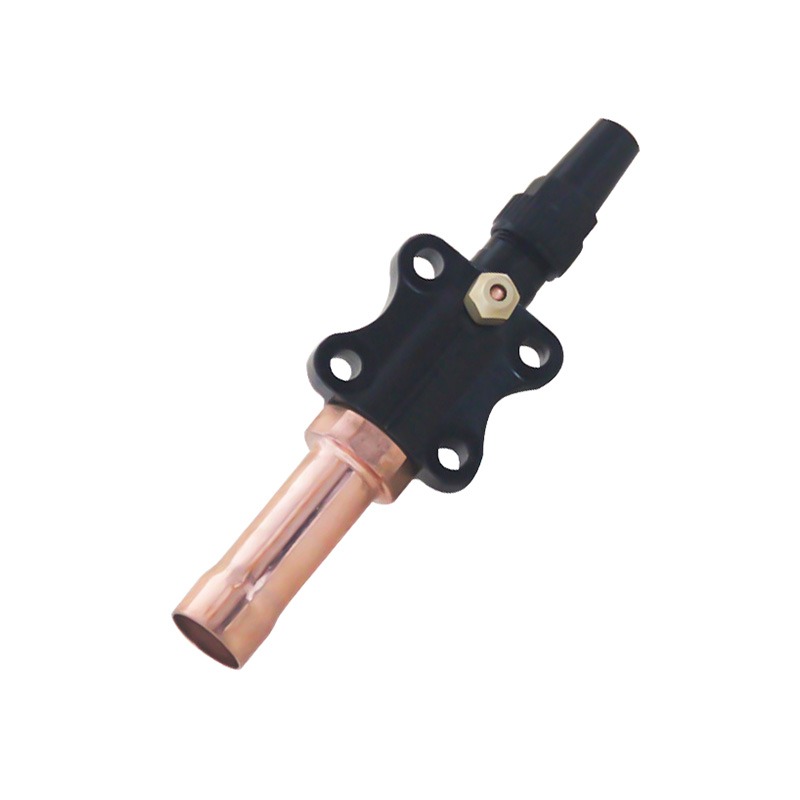 Compressor Refrigeration Copeland Brass Stop Valve
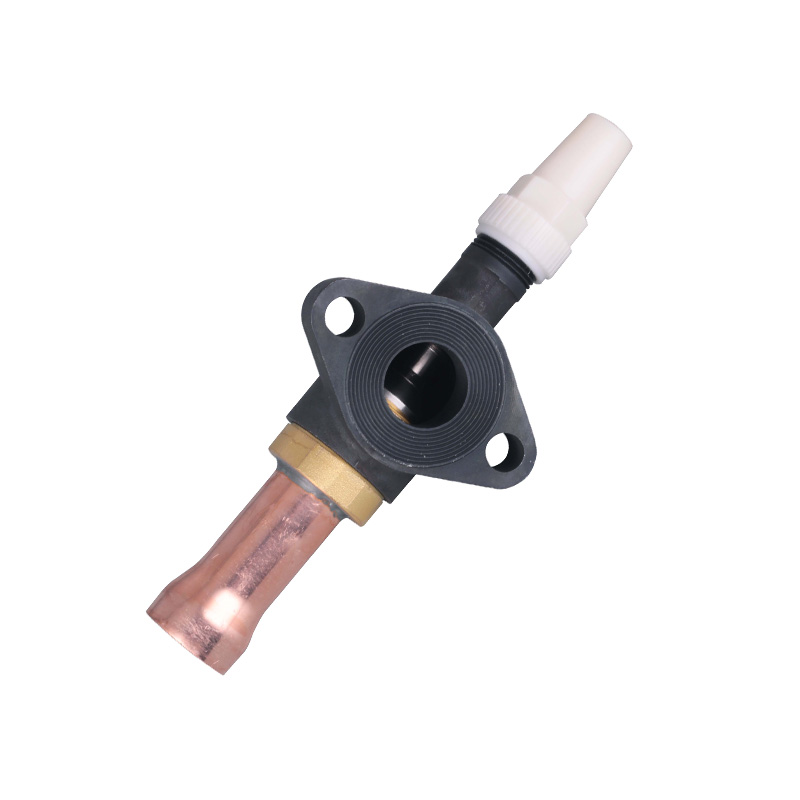 Refrigerant Copeland Brass Stop Valve
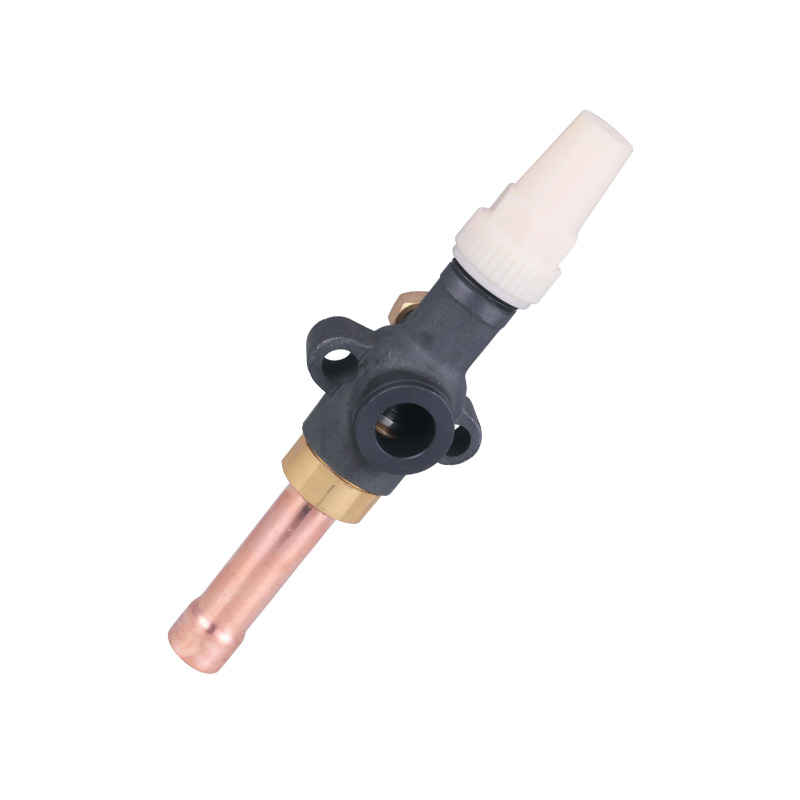 Refrigeration Compressor Copeland Brass Stop Valve
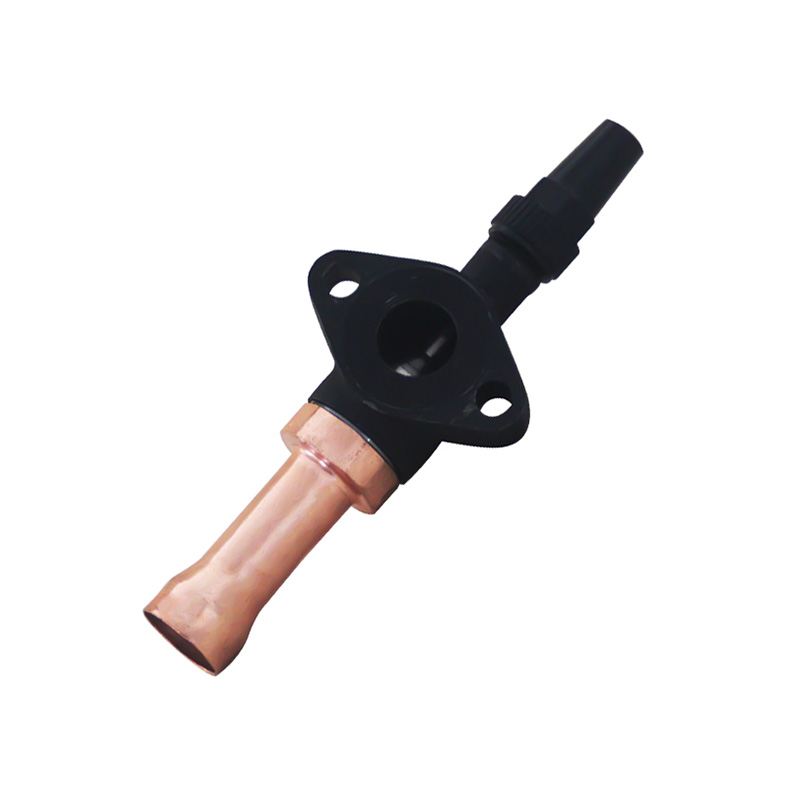 Refrigeration Copeland Brass Stop Valve
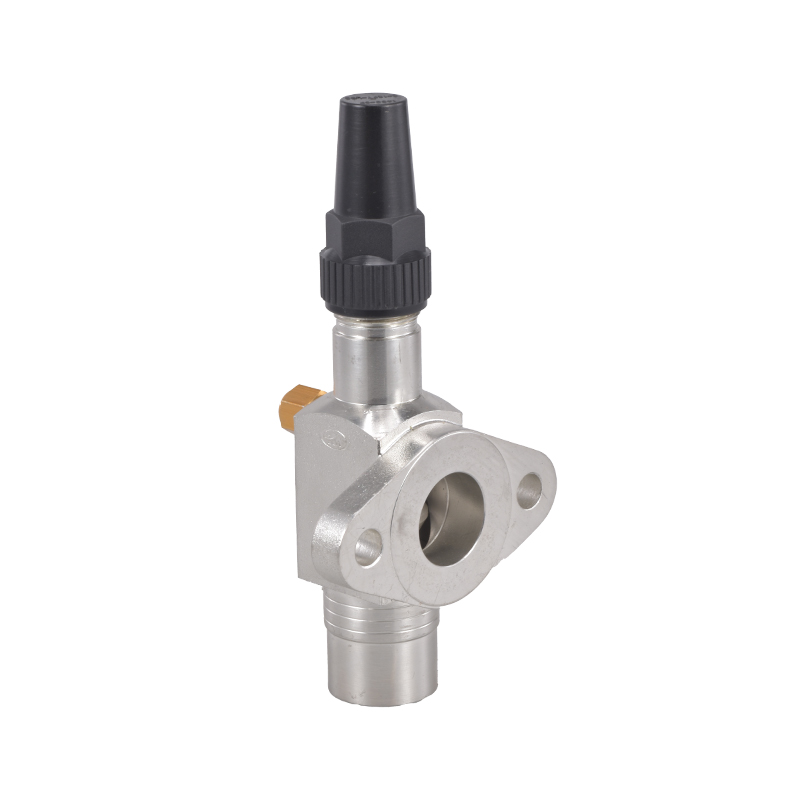 Compressor Refrigeration System Oval Flange
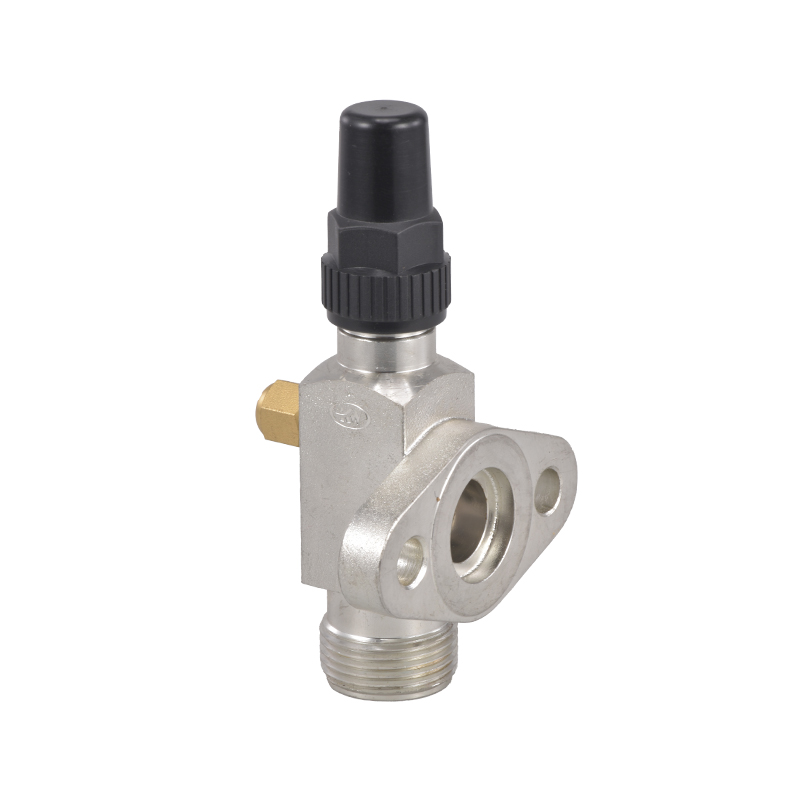 Refrigeration Valve with an Oval Flange




Wholesale Refrigeration Equipment Manufacturer