
 English
 русский
 Deutsch
Industry News
Home / News / Industry News / How Are Modern Cold Chain Demands Reshaping Industrial Refrigeration System Design?

 By Admin
In global food logistics, pharmaceuticals, agriculture, and chemical storage industries, the demand for stable, energy-efficient, and intelligent temperature control is increasing rapidly. Recent search behaviors such as energy efficient cold room refrigeration system design, cold storage temperature fluctuation problem solution, industrial freezer system ammonia vs freon comparison, and Refrigeration System show that buyers are focusing on system stability, energy consumption control, and long-term operational reliability rather than basic cooling capacity alone.
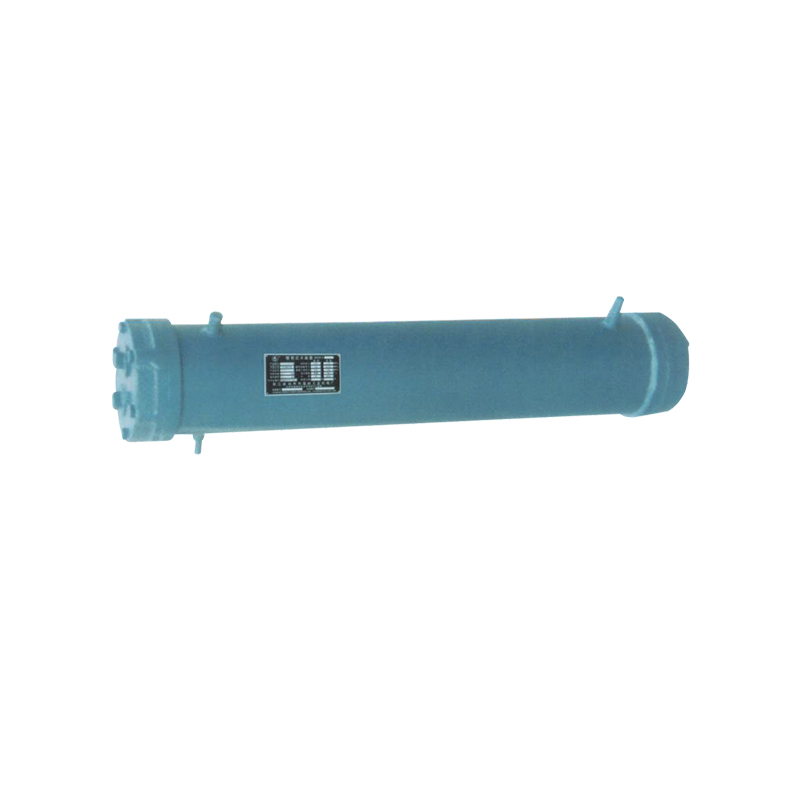
In modern cold chain operations, even small temperature fluctuations can cause product degradation, compliance risks, and financial loss. This has made system stability a top procurement priority.
Key operational challenges include:
These issues are driving upgrades toward more advanced refrigeration architectures.
Energy consumption is one of the largest operating costs in cold storage facilities, making efficiency optimization a key engineering focus.
Key system improvements include:
These technologies help reduce long-term operating expenses significantly.
Different industries require different temperature ranges, humidity levels, and storage stability conditions, making customized system design essential.
Typical application-specific requirements include:
This has increased demand for customized system engineering.
Digital monitoring technology is now widely integrated into modern cold storage equipment to improve safety and operational control.
Key smart system features include:
These features help reduce operational risks and downtime.
Global procurement teams now evaluate suppliers based on system reliability, efficiency performance, and long-term service capability.
Key purchasing considerations include:
These factors directly impact investment decisions in industrial projects.
Cold chain infrastructure continues to expand across multiple industries, increasing demand for advanced refrigeration solutions.
Common application areas include:
Each sector requires different levels of precision and system customization.
As global energy efficiency regulations tighten and supply chain complexity increases, refrigeration systems are evolving toward smarter control, lower energy consumption, and higher operational transparency. Future development will focus on AI-based temperature optimization, greener refrigerants, and fully integrated cold chain monitoring systems.
For engineering teams, distributors, and project developers, selecting a reliable Refrigeration System is becoming a strategic decision that directly affects operational stability, energy cost control, and long-term cold chain performance.
At the same time, high-quality Cold Storage Equipment will remain a foundational requirement for ensuring product safety, regulatory compliance, and efficient global logistics operations.
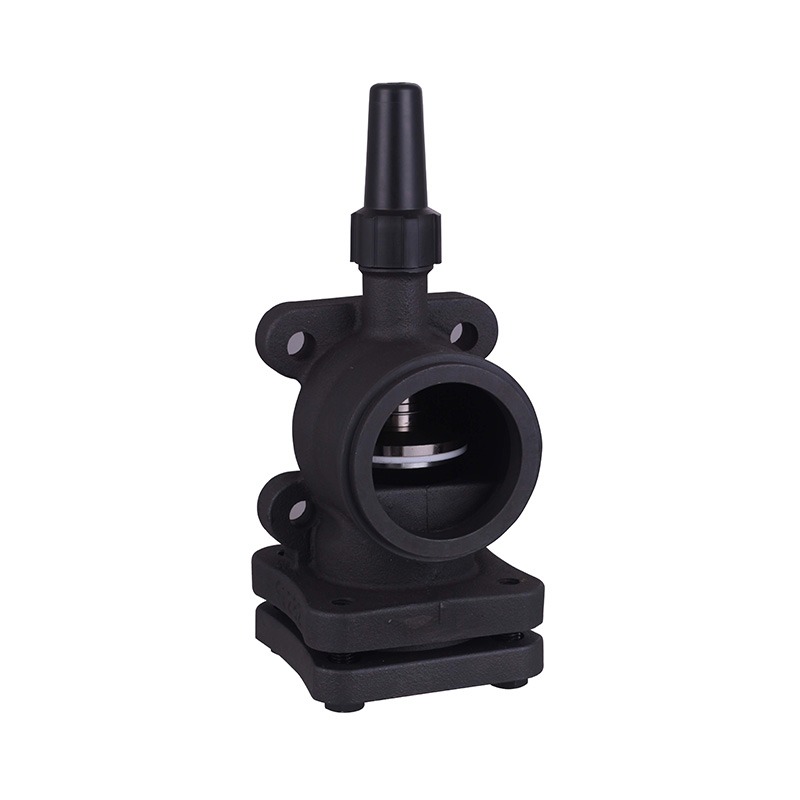 Compressor Refrigeration Cast Iron Shut-Off Vale
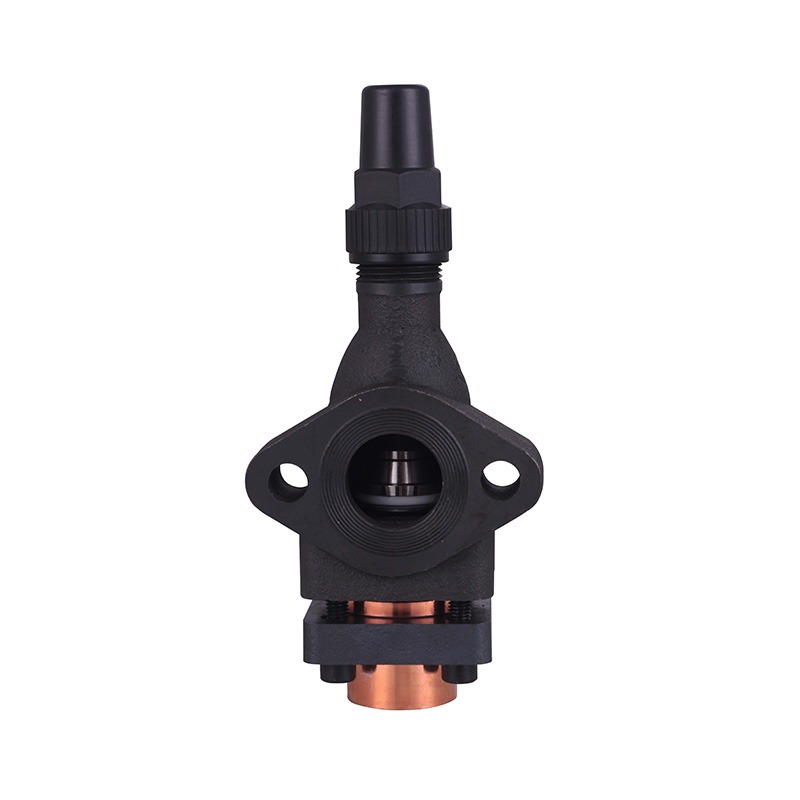 High Quality Refrigeration Cast Iron Shut-Off Vale
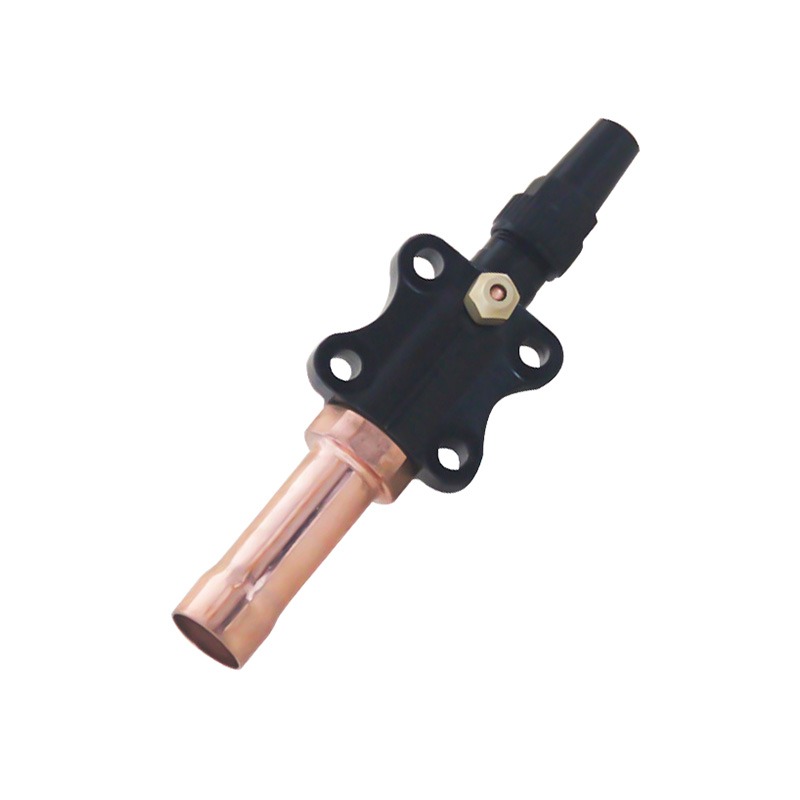 Compressor Refrigeration Copeland Brass Stop Valve
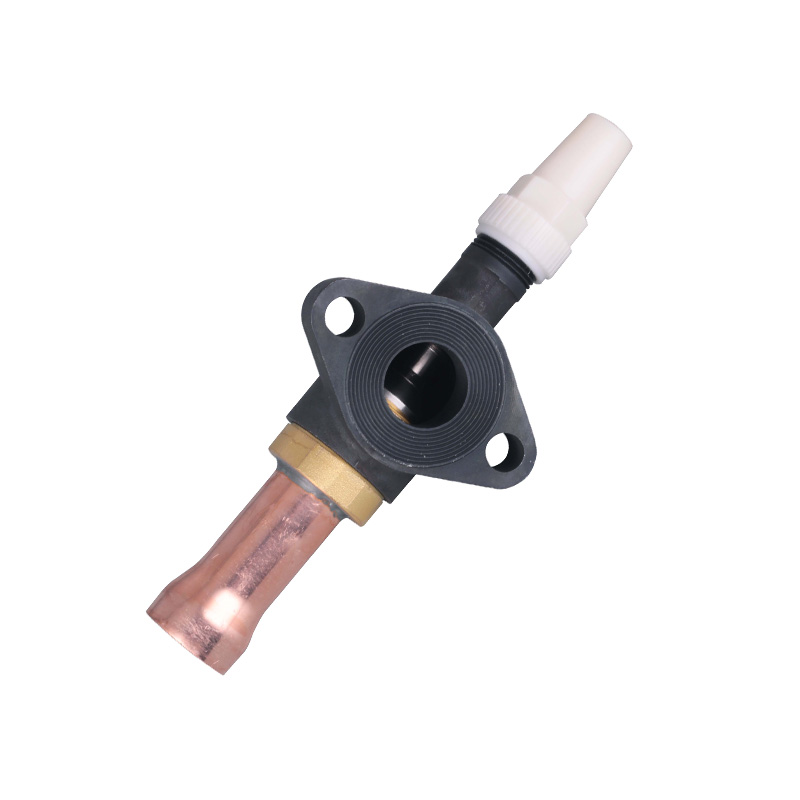 Refrigerant Copeland Brass Stop Valve
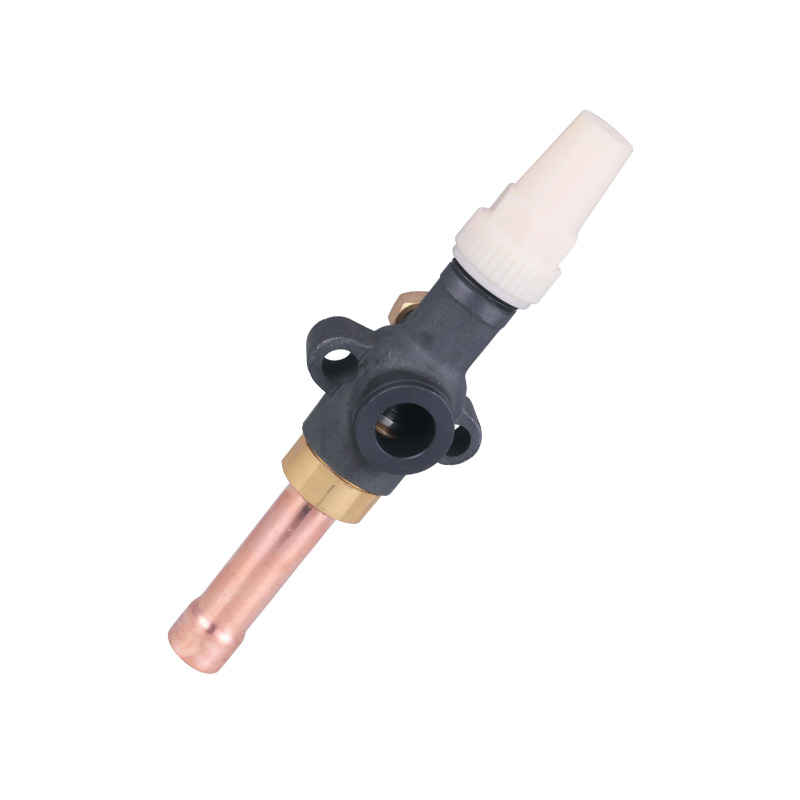 Refrigeration Compressor Copeland Brass Stop Valve
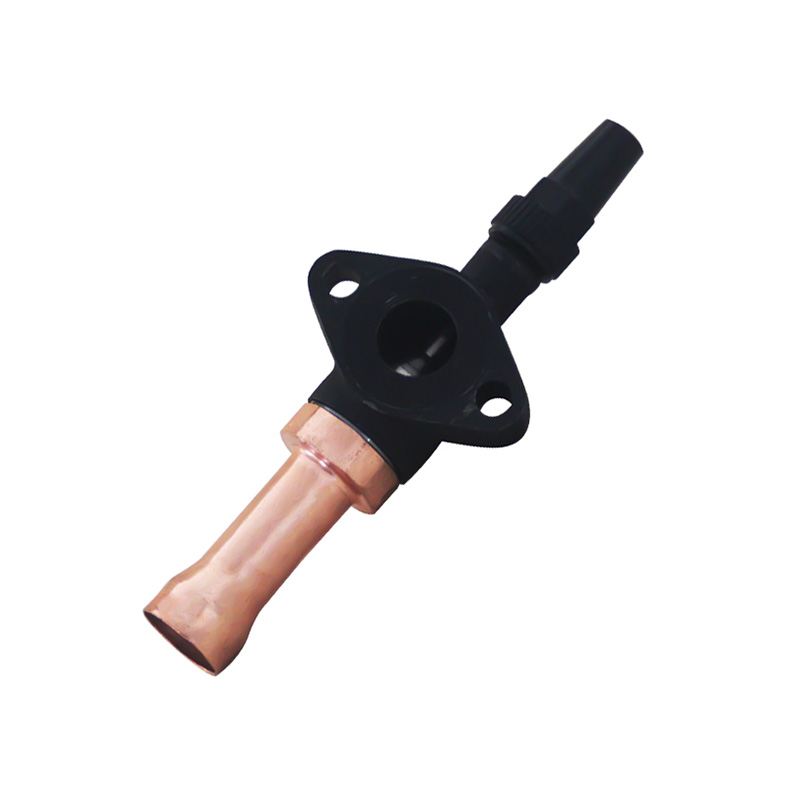 Refrigeration Copeland Brass Stop Valve
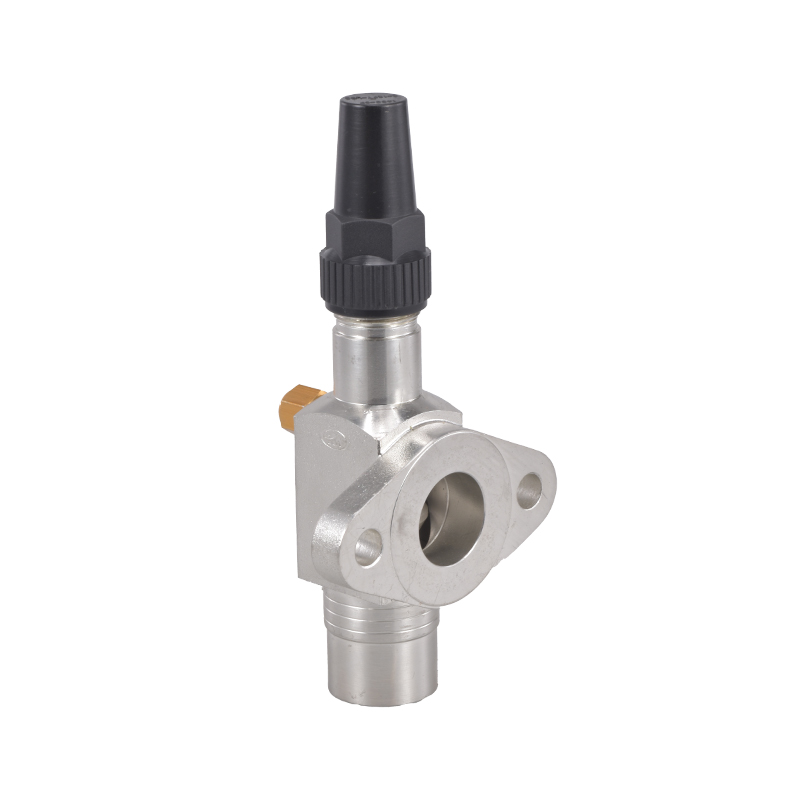 Compressor Refrigeration System Oval Flange
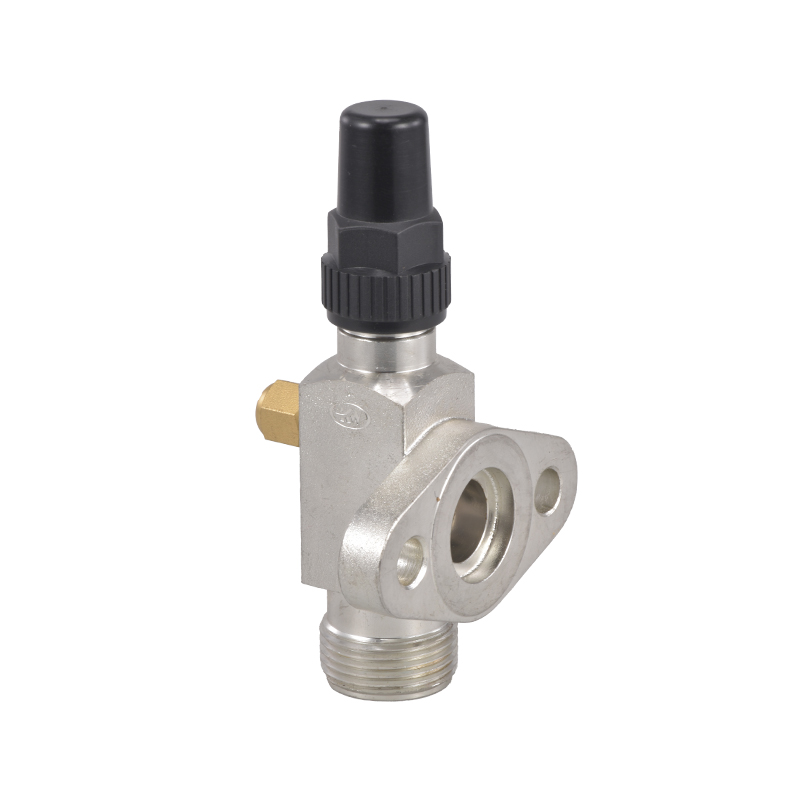 Refrigeration Valve with an Oval Flange




Wholesale Refrigeration Equipment Manufacturer