


 English
 русский
 Deutsch
Industry News
What Causes Pressure Instability in Industrial Refrigeration Systems?
 By Admin
Industrial refrigeration systems are expected to maintain stable cooling performance around the clock, but many facilities still experience pressure fluctuation after long periods of operation. In food processing plants, frozen warehouses, and pharmaceutical storage centers, unstable pressure can affect cooling efficiency, increase energy use, and create unexpected maintenance issues.
For many operators, the challenge is not a complete system failure. The bigger problem is gradual instability that slowly reduces refrigeration performance while increasing operational costs.
Pressure Fluctuation Often Starts With Flow Control Problems
In many refrigeration systems, pressure instability begins with uneven refrigerant flow inside the pipeline network. Small changes in flow control can affect the balance of the entire cooling cycle.
Common symptoms include:
- inconsistent cooling response during peak operation
- unstable pressure readings across different zones
- compressors running more frequently than expected
- delayed temperature recovery after loading activity
These issues become more noticeable in large cold storage facilities with continuous operating schedules.
Long-Term Low-Temperature Exposure Accelerates Component Fatigue
Refrigeration equipment works under constant low-temperature conditions. Over time, repeated cooling cycles place stress on valves, seals, and internal metal components.
Typical long-term problems include:
- seal hardening under low temperatures
- reduced flexibility in moving components
- gradual wear inside valve structures
- increased leakage risk during pressure changes
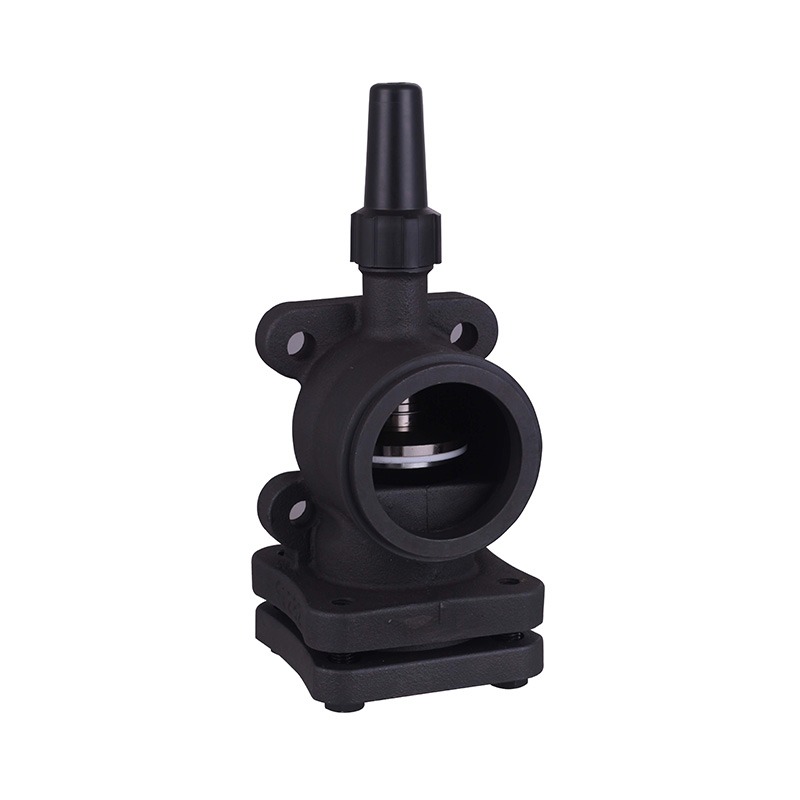
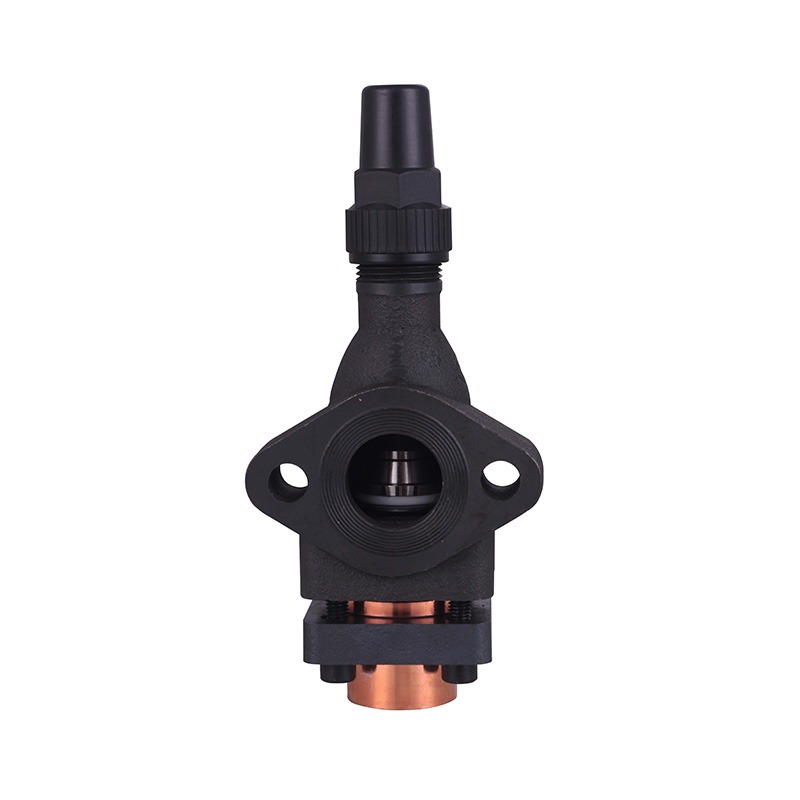
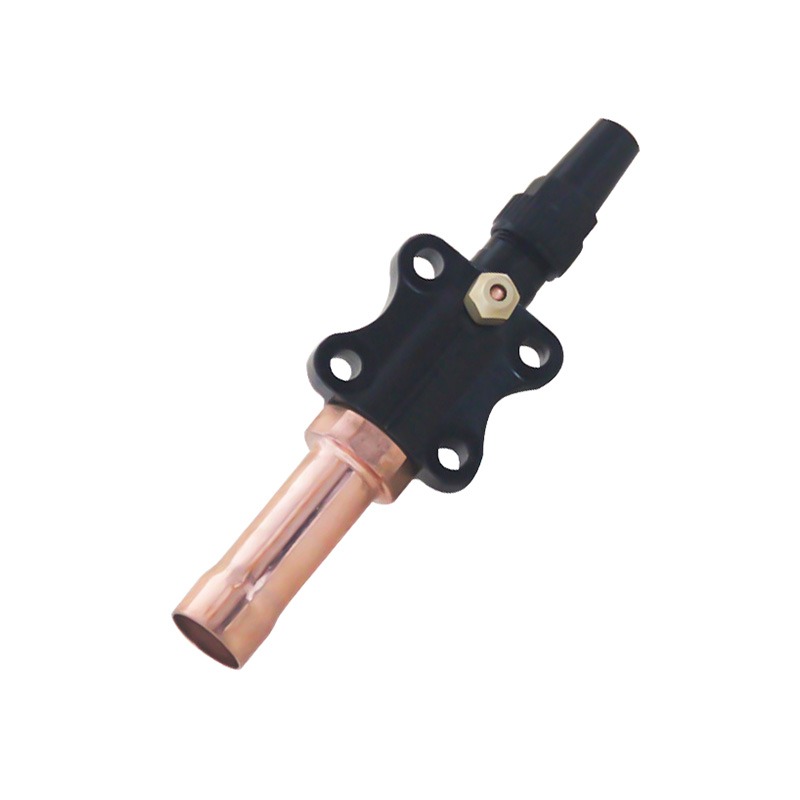
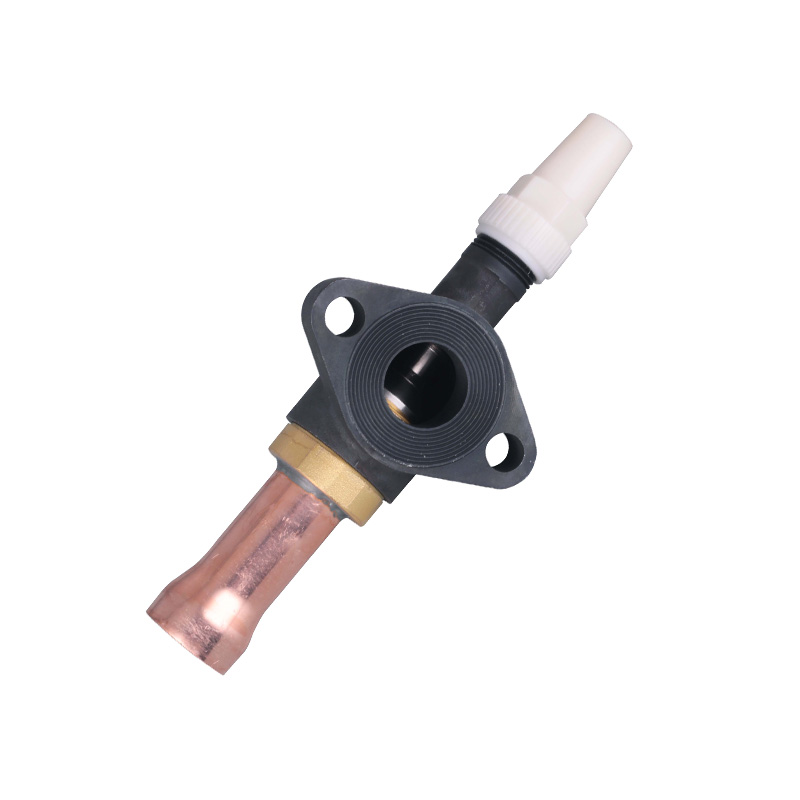
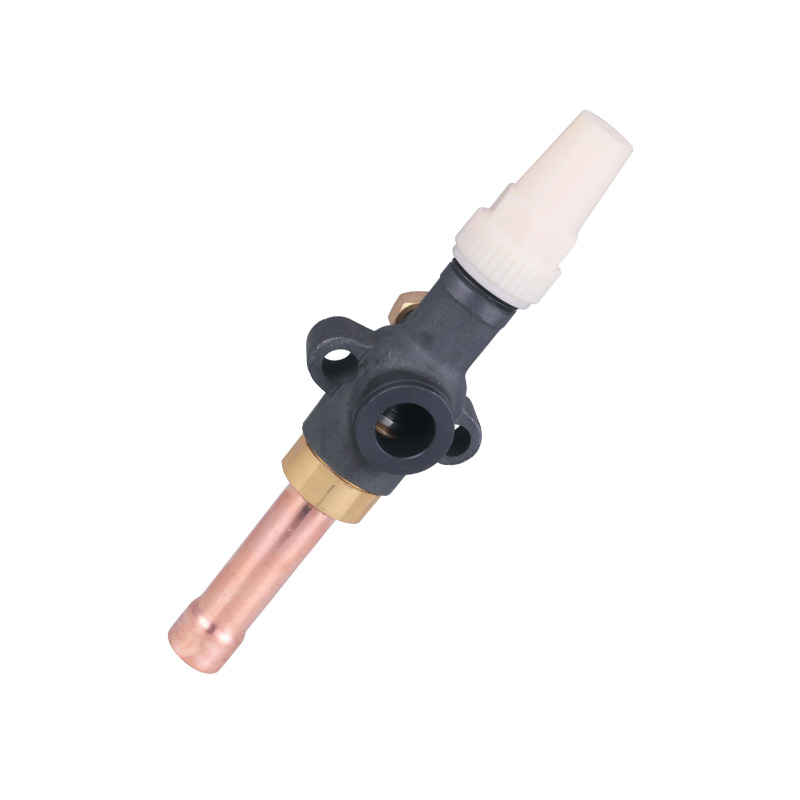
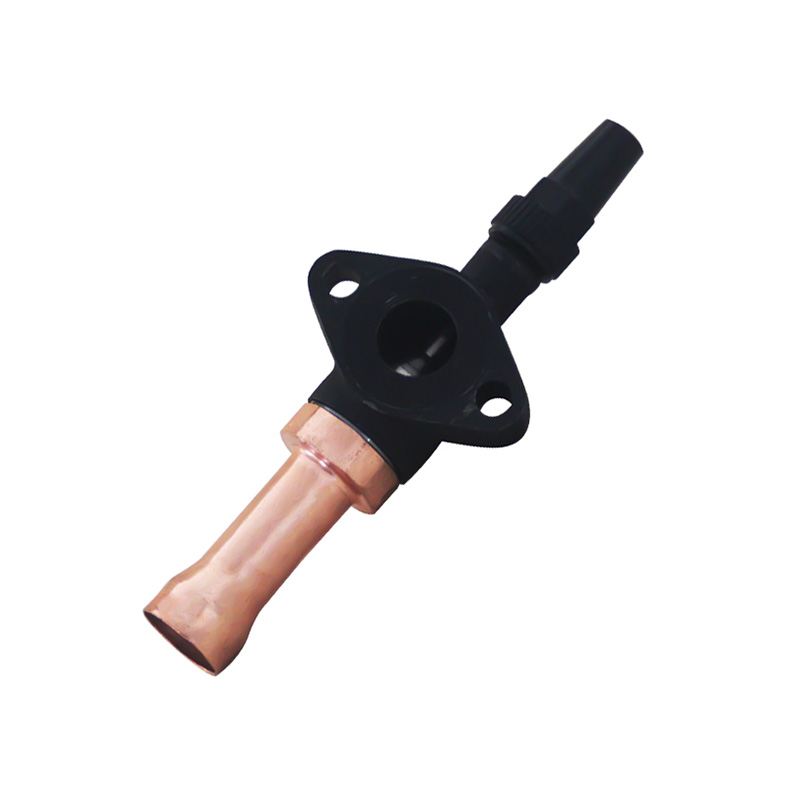
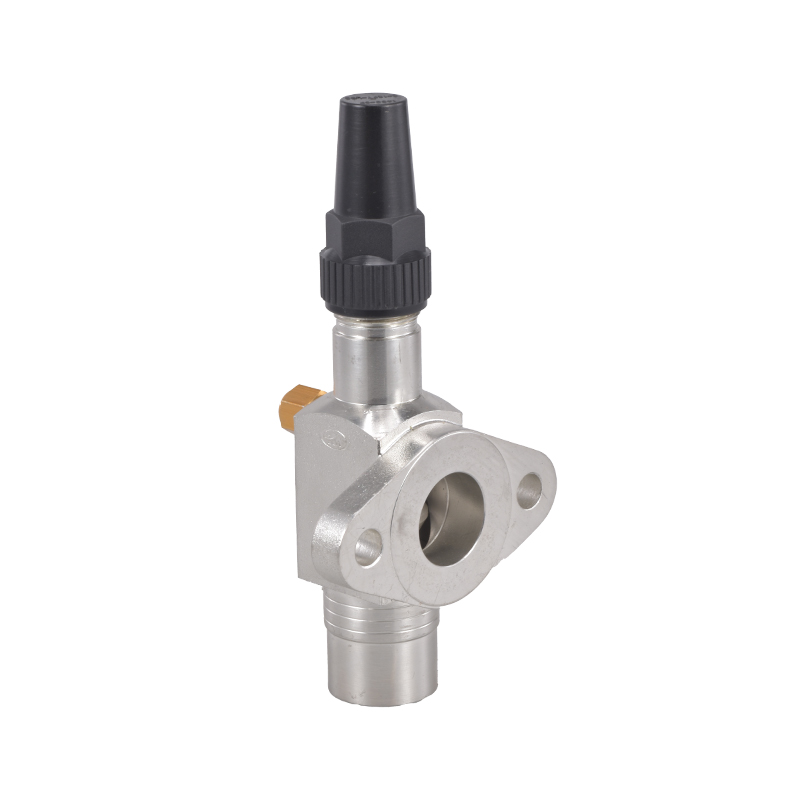
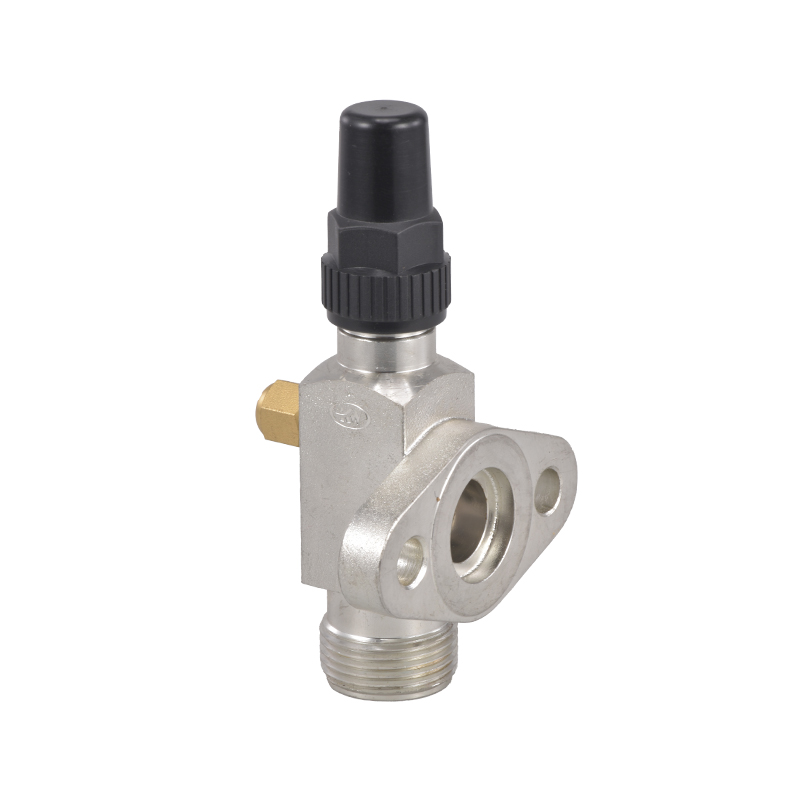
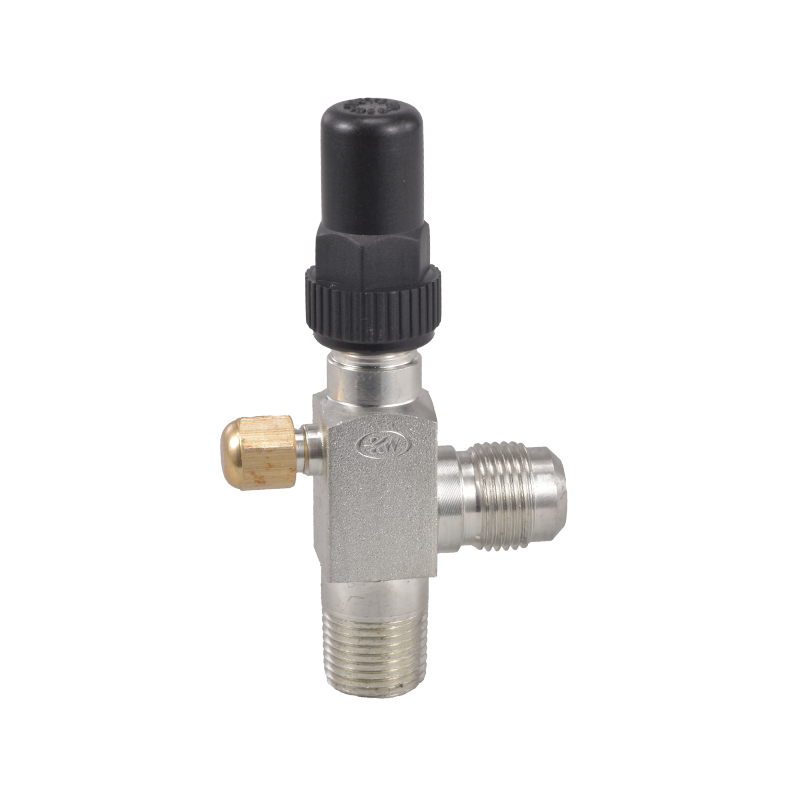
To improve durability under these conditions, many facilities continue using reliable Cast Iron Stop Valve systems for stable flow control and long-term sealing performance.
Frequent Door Opening Creates Additional Cooling Stress
Modern cold storage warehouses experience constant product movement throughout the day. Frequent door opening changes internal temperature balance and forces refrigeration systems to respond more aggressively.
This often leads to:
- rapid pressure variation during recovery cycles
- heavier compressor workload
- unstable refrigerant circulation
- increased energy consumption during peak hours
Facilities with unstable system control may struggle to maintain consistent cooling efficiency under these conditions.
Corrosion Is Still a Major Hidden Risk
Cold storage environments naturally contain high humidity and condensation. Over time, moisture exposure can gradually damage pipelines and metal components.
Common corrosion-related issues include:
- weakened sealing surfaces
- rust around valve connections
- internal pipeline contamination
- reduced operational reliability over time
Because of these risks, industrial buyers increasingly evaluate corrosion resistance when sourcing Cold Storage Equipment for long-term use.
Maintenance Delays Often Increase Downtime Costs
In many facilities, small pressure problems are ignored until cooling performance is visibly affected. However, delayed maintenance often leads to larger operational disruptions later.
Typical consequences include:
- unexpected refrigeration shutdowns
- emergency repair costs
- unstable product storage temperatures
- interrupted warehouse operations
Preventive maintenance strategies are becoming more common as operators focus on reducing long-term downtime risk.
Buyers Are Prioritizing Reliability Over Low Initial Cost
Global procurement teams are becoming more cautious when selecting refrigeration components. Instead of focusing only on purchase price, many buyers now prioritize operational stability and maintenance efficiency.
Key evaluation factors include:
- pressure resistance under continuous operation
- sealing reliability in low-temperature conditions
- maintenance accessibility
- compatibility with industrial refrigeration systems
Reliable Cast Iron Stop Valve products are increasingly valued for their structural durability and stable long-term performance.
Stable Cooling Performance Depends on System Consistency
As global cold chain industries continue expanding, refrigeration systems must operate under higher workloads and stricter storage requirements. Small component instability can gradually affect the efficiency of the entire cooling network.
Manufacturers capable of supplying dependable Cold Storage Equipment together with durable Cast Iron Stop Valve solutions are becoming important partners for facilities seeking lower maintenance pressure, stable cooling performance, and long-term operational reliability.