
 English
 русский
 Deutsch
Industry News
Home / News / Industry News / How Is Digital Monitoring Transforming Cold Storage Operation Reliability in Global Supply Chains?

 By Admin
In recent years, cold chain logistics has shifted from manual temperature checking to fully data-driven operation systems. Across overseas procurement searches such as cold storage IoT monitoring system alarm solution, refrigeration compressor predictive maintenance vibration analysis, real-time temperature tracking cold room cloud platform, and Refrigeration System, it is clear that buyers are increasingly concerned about operational transparency, failure prevention, and system traceability rather than only cooling performance. This shift is especially strong in pharmaceutical logistics, frozen food export, and high-value agricultural supply chains where even short system downtime can lead to product loss.
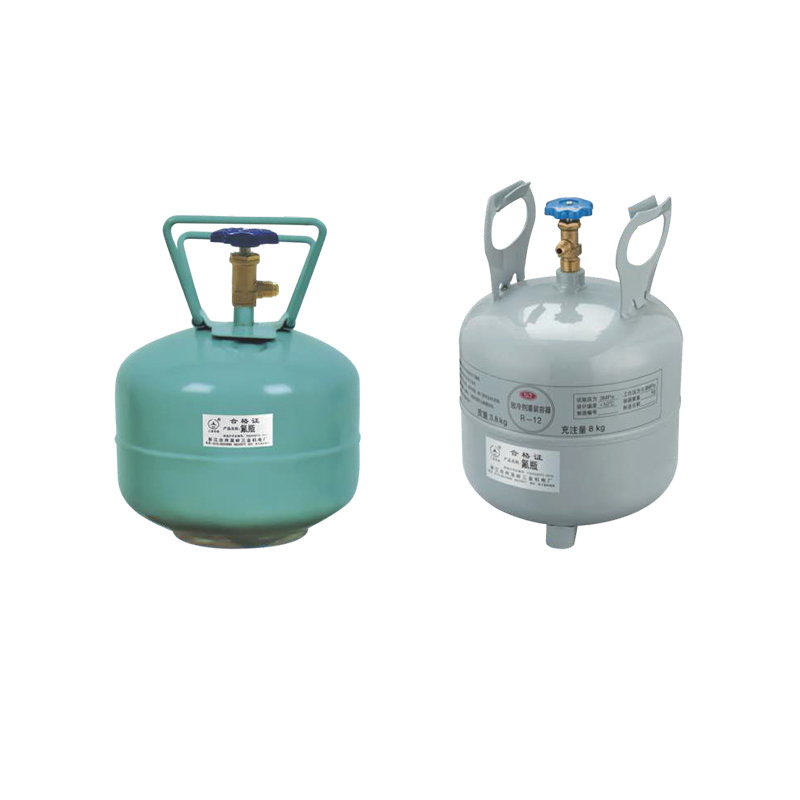
Traditional cold storage operation methods rely heavily on manual inspection and periodic recording, which creates significant blind spots in real-time control.
Key operational limitations include:
These gaps increase both operational risk and maintenance cost over time.
Modern refrigeration infrastructure is increasingly built around IoT-based monitoring architecture, enabling real-time data flow across all system components.
Key digital capabilities include:
This allows operators to manage systems with far greater accuracy and speed.
Instead of waiting for breakdowns, modern cold storage systems are moving toward predictive maintenance based on data analysis and operational patterns.
Key predictive technologies include:
This approach reduces unexpected downtime and improves system lifecycle stability.
Even with advanced monitoring, physical engineering quality remains the foundation of system stability. Digital tools can only enhance, not replace, mechanical design integrity.
Key engineering considerations include:
Without proper design, monitoring systems cannot fully prevent inefficiencies.
Procurement teams are increasingly evaluating suppliers based on digital capability as well as mechanical performance.
Key decision factors include:
These expectations are reshaping global procurement standards.
Smart cold storage systems are expanding rapidly across industries where precision and traceability are essential.
Common applications include:
Each sector requires stronger monitoring accuracy and system reliability.
The future of cold storage lies in fully integrated digital ecosystems combining IoT, predictive analytics, and automated control systems. These technologies will enable real-time optimization of energy usage, temperature stability, and maintenance scheduling.
For global engineering buyers and system developers, investing in a reliable Refrigeration System is becoming a strategic infrastructure decision rather than a simple equipment purchase.
At the same time, advanced Cold Storage Equipment will continue to serve as the physical backbone supporting next-generation intelligent cold chain networks worldwide.
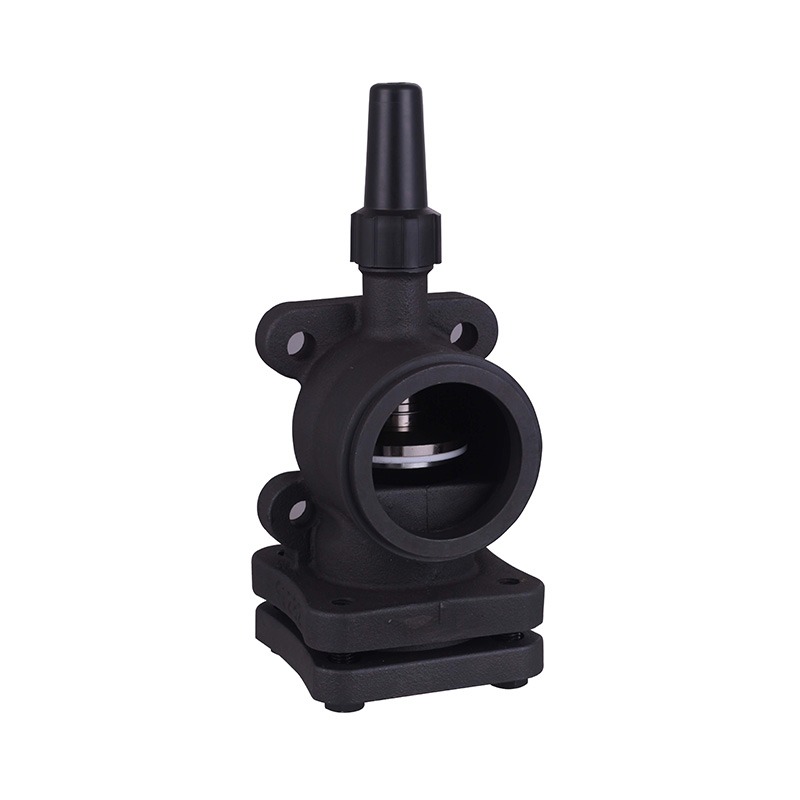 Compressor Refrigeration Cast Iron Shut-Off Vale
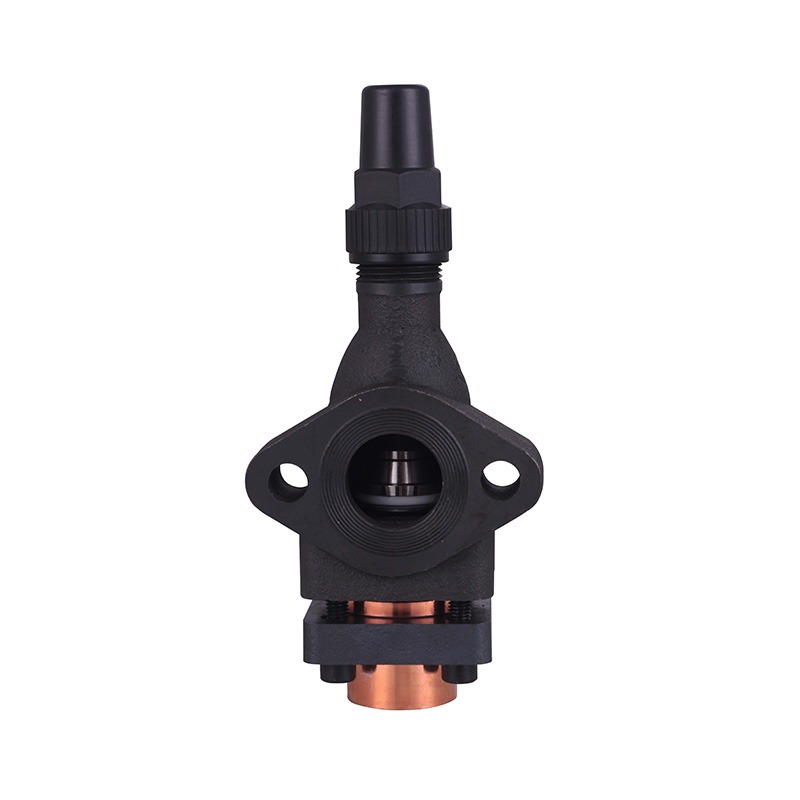 High Quality Refrigeration Cast Iron Shut-Off Vale
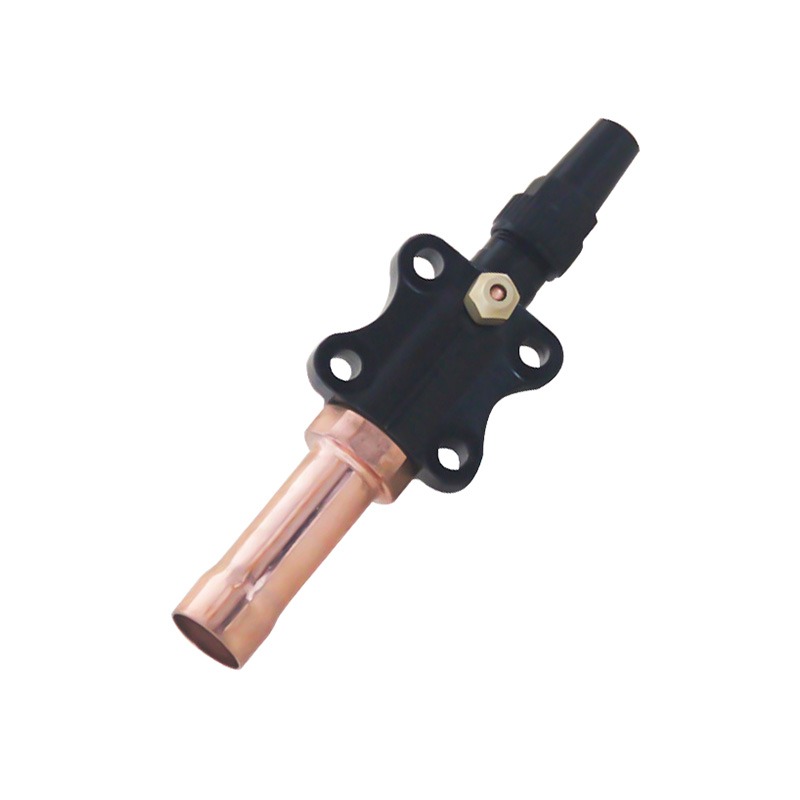 Compressor Refrigeration Copeland Brass Stop Valve
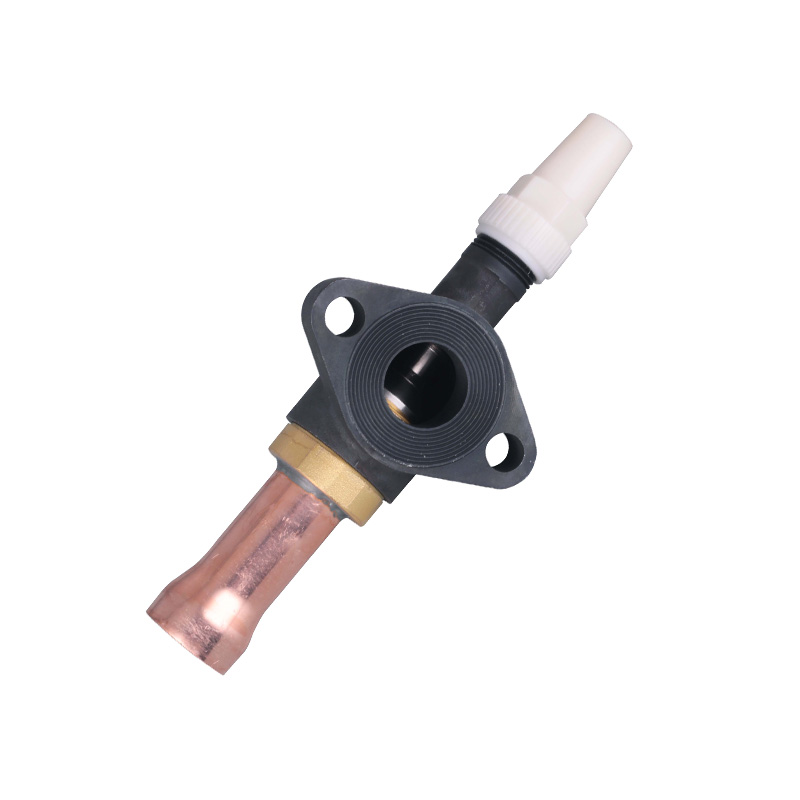 Refrigerant Copeland Brass Stop Valve
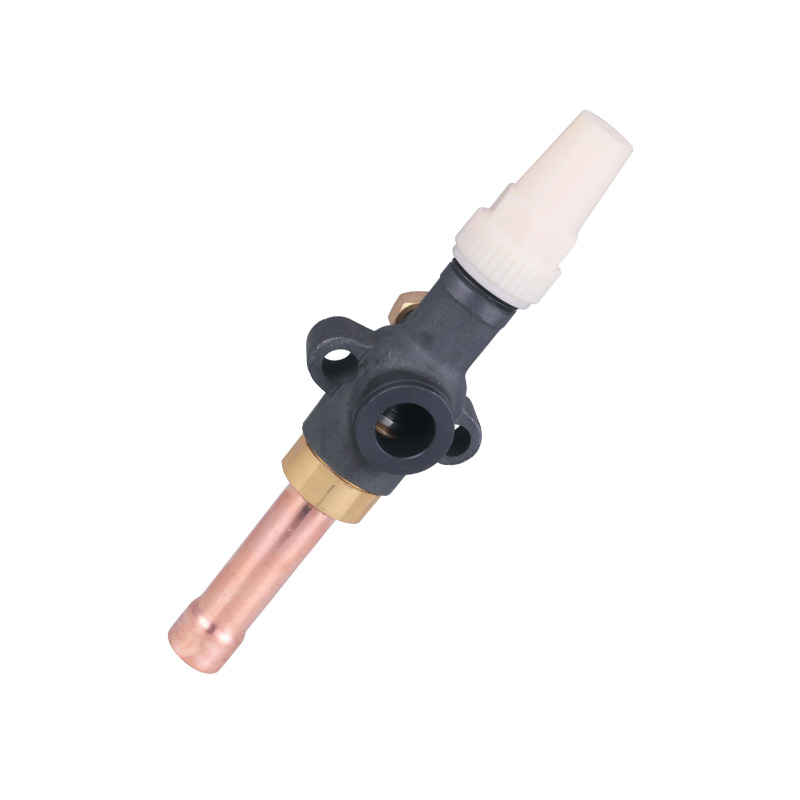 Refrigeration Compressor Copeland Brass Stop Valve
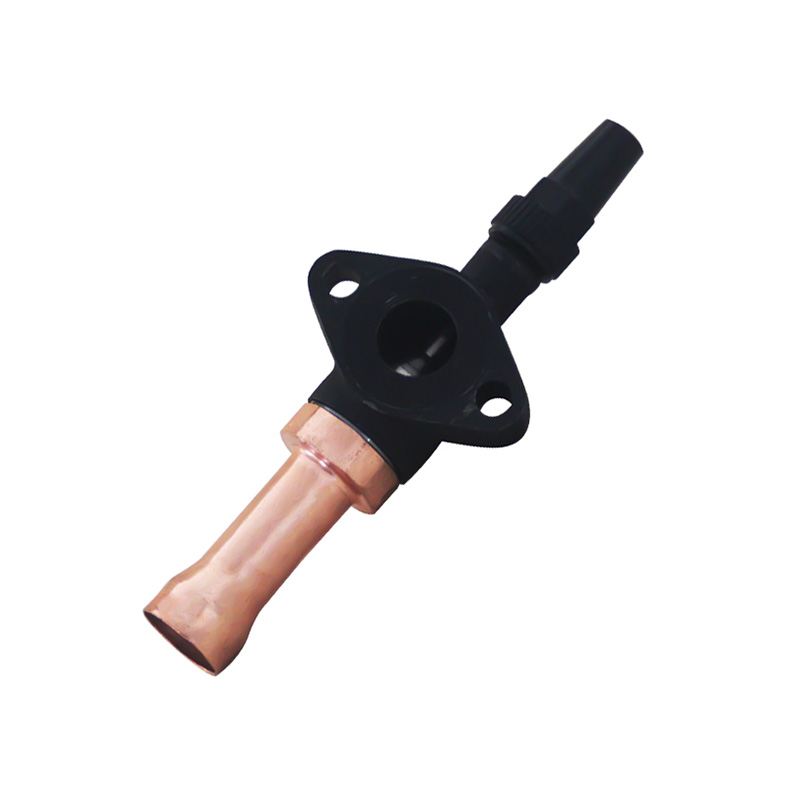 Refrigeration Copeland Brass Stop Valve
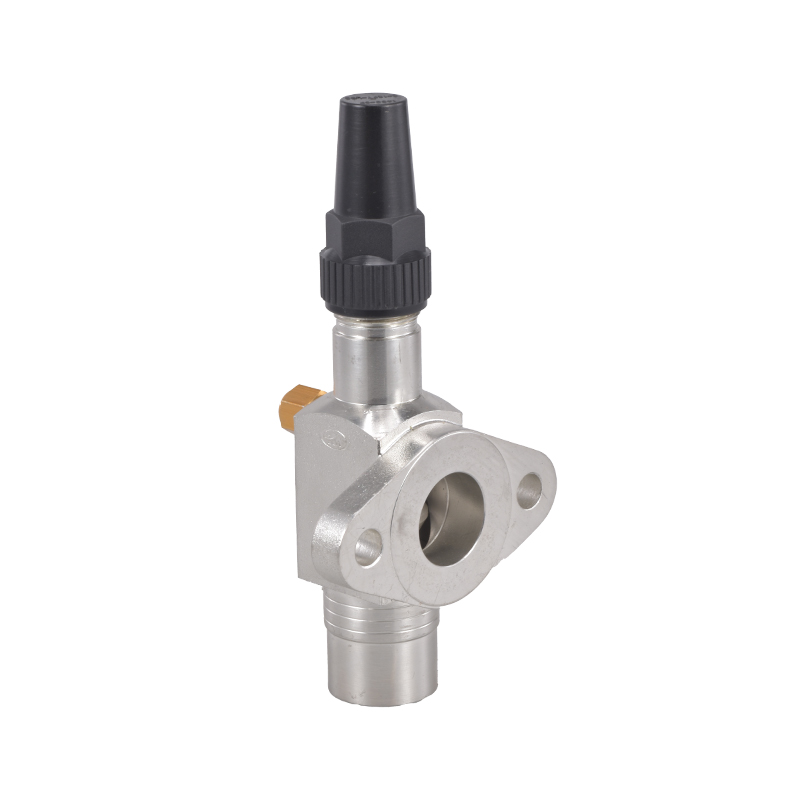 Compressor Refrigeration System Oval Flange
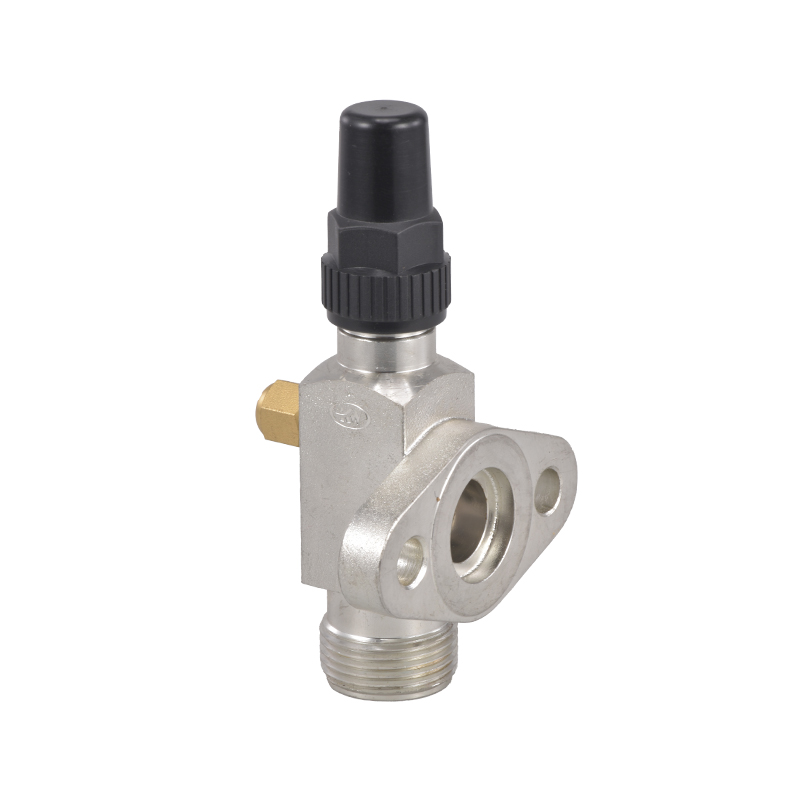 Refrigeration Valve with an Oval Flange




Wholesale Refrigeration Equipment Manufacturer