
 English
 русский
 Deutsch
Industry News
Home / News / Industry News / What Are the Key Engineering Challenges in Large-Scale Cold Storage Design Projects?

 By Admin
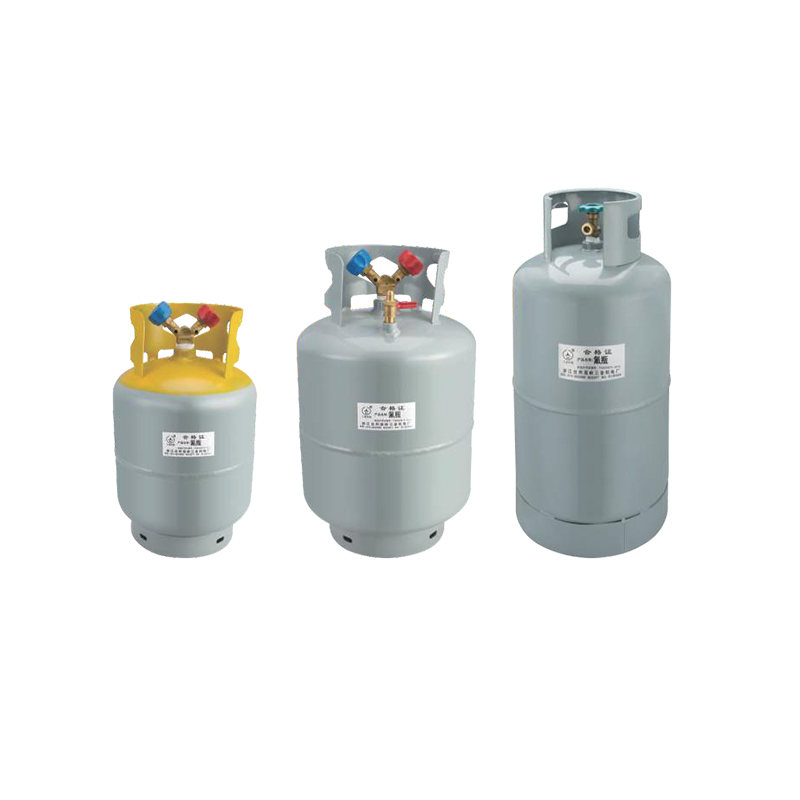
Unlike small refrigeration rooms, large industrial cold storage facilities face multiple structural and environmental challenges that directly affect performance.
Common engineering difficulties include:
These issues require system-level engineering rather than component-level fixes.
Air circulation is one of the most critical elements in large cold storage environments. Poor airflow design often leads to temperature inconsistency even when refrigeration capacity is sufficient.
Key airflow optimization strategies include:
Proper airflow engineering ensures consistent cooling across all storage areas.
Thermal insulation is not just a material selection issue—it directly determines energy consumption and system efficiency over time.
Key insulation design considerations include:
Without proper insulation, energy loss increases significantly.
Large refrigeration systems must handle fluctuating cooling demands across different zones and time periods.
Key load management improvements include:
This ensures long-term operational reliability and reduces equipment wear.
For large-scale cold storage projects, procurement decisions are highly engineering-driven and long-term focused.
Key evaluation factors include:
Large cold storage systems are widely used in global supply chains where temperature stability is critical.
Common application scenarios include:
Each application requires tailored engineering design strategies.
The industry is moving toward modular cold storage architecture that allows flexible expansion, faster installation, and improved scalability. This approach reduces construction complexity while improving long-term operational adaptability.
For global engineering buyers and project developers, selecting a reliable Refrigeration System is a strategic infrastructure decision that affects efficiency, scalability, and operational stability.
At the same time, advanced Cold Storage Equipment continues to serve as the physical foundation supporting modern global cold chain logistics networks.
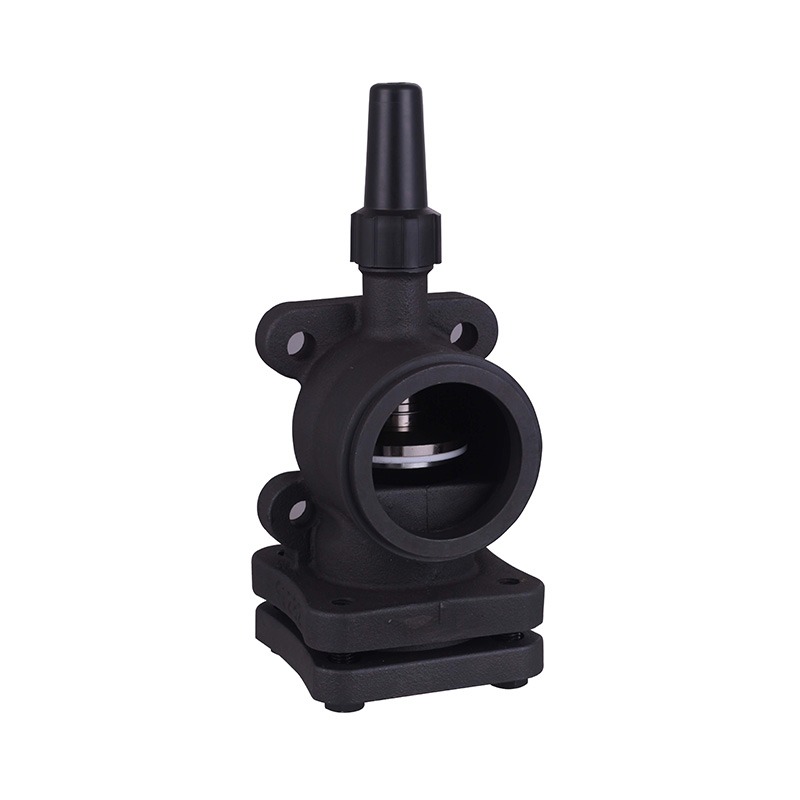 Compressor Refrigeration Cast Iron Shut-Off Vale
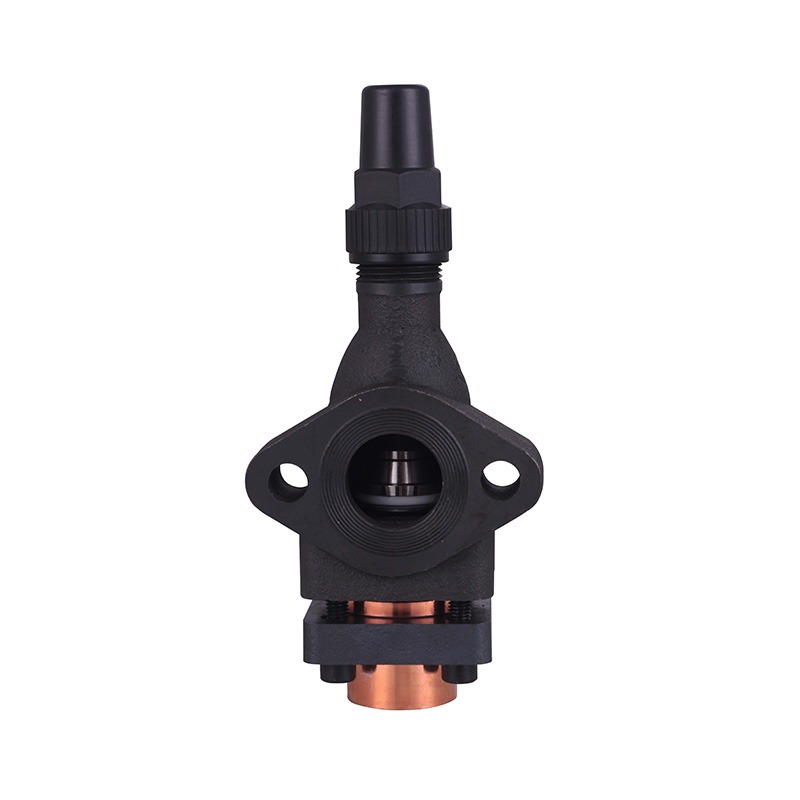 High Quality Refrigeration Cast Iron Shut-Off Vale
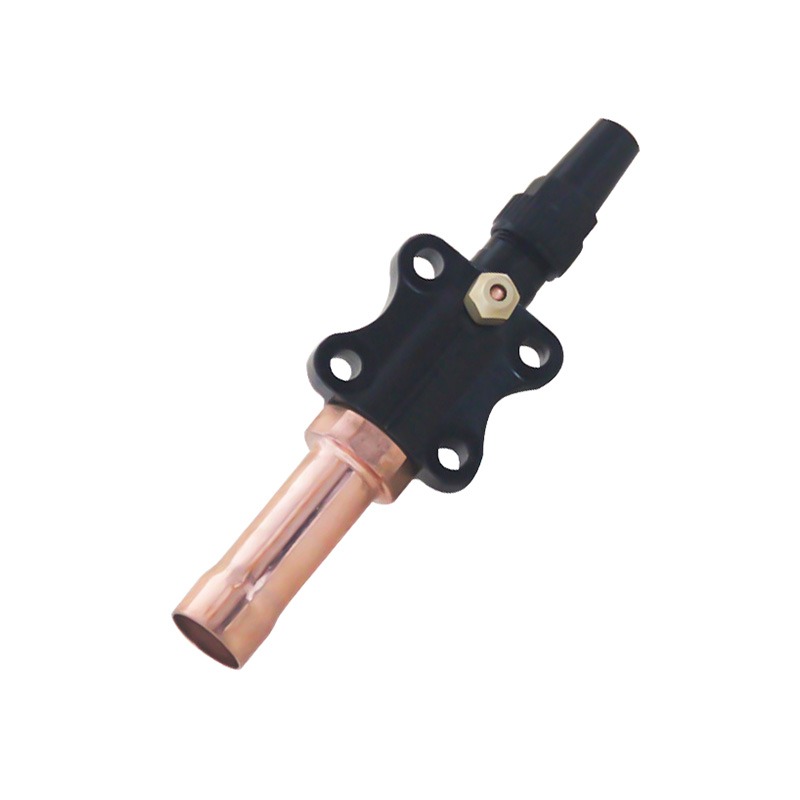 Compressor Refrigeration Copeland Brass Stop Valve
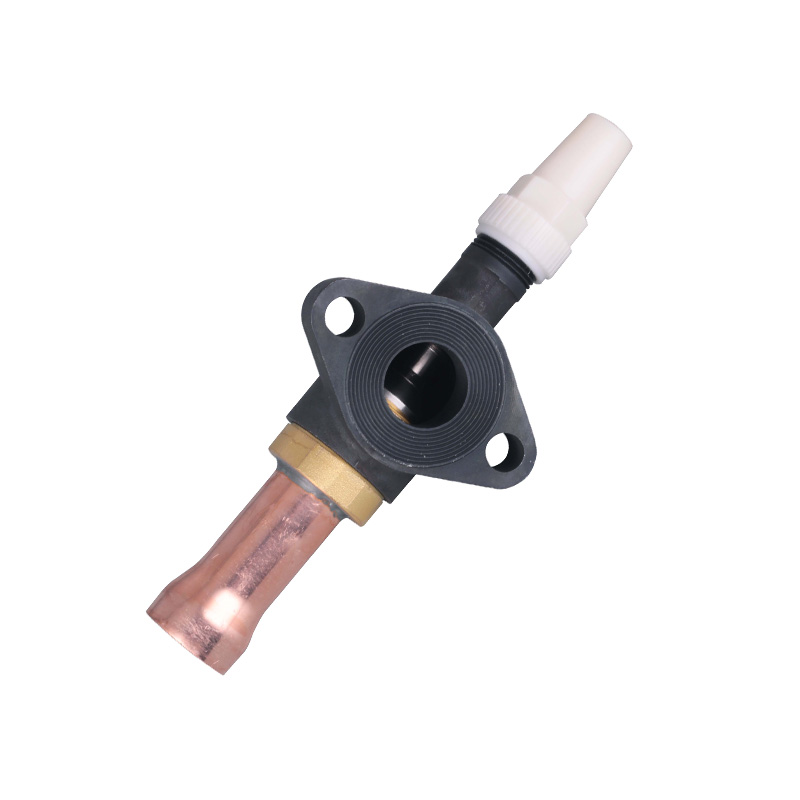 Refrigerant Copeland Brass Stop Valve
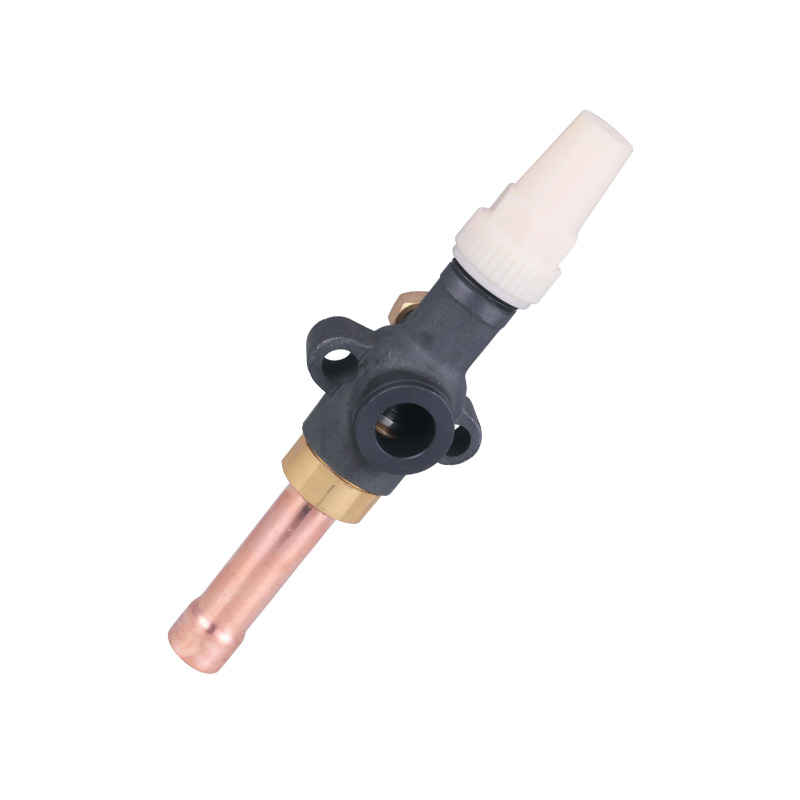 Refrigeration Compressor Copeland Brass Stop Valve
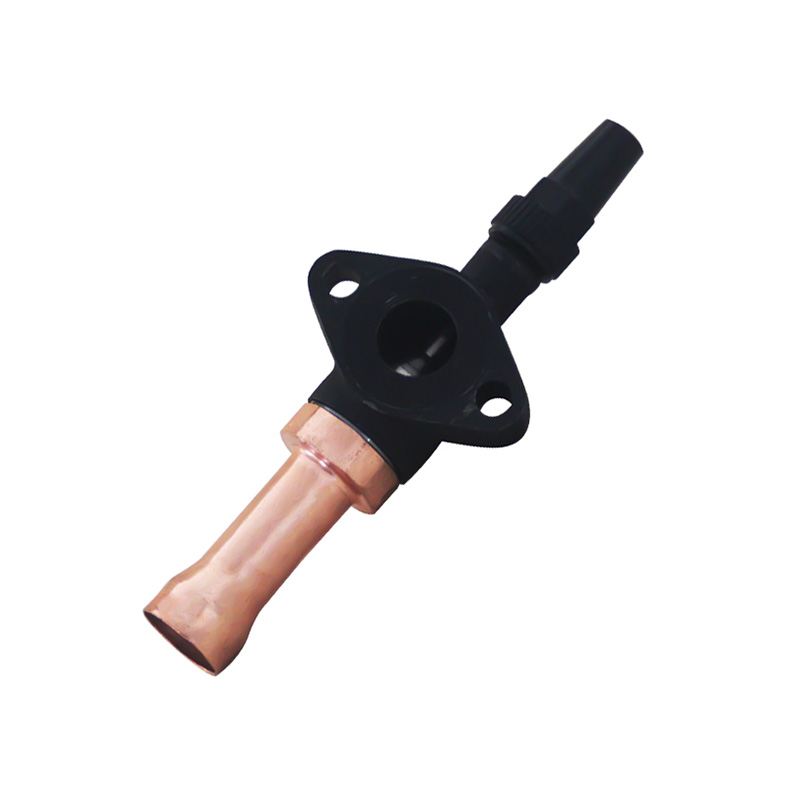 Refrigeration Copeland Brass Stop Valve
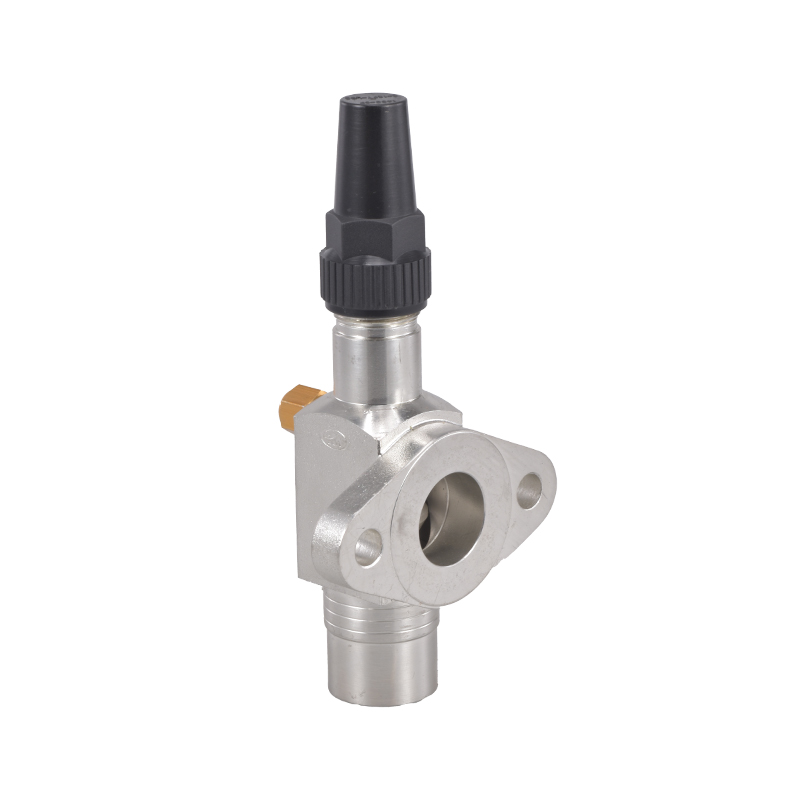 Compressor Refrigeration System Oval Flange
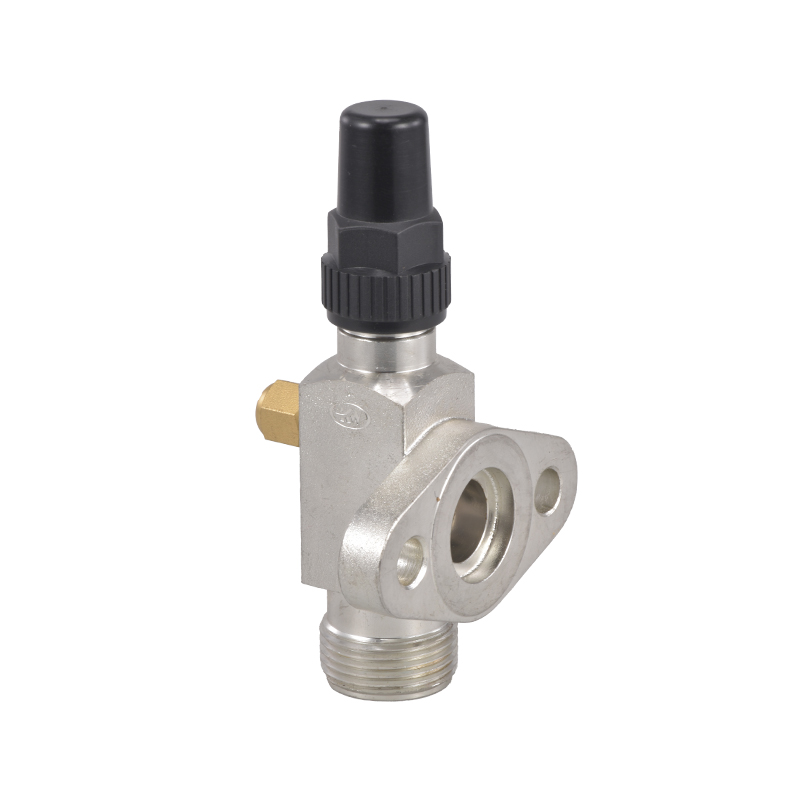 Refrigeration Valve with an Oval Flange




Wholesale Refrigeration Equipment Manufacturer