
 English
 русский
 Deutsch
Industry News
Home / News / Industry News / Why Is Energy Efficiency Becoming the Core Upgrade Direction for Modern Cold Storage Projects?

 By Admin
In today’s global food logistics, pharmaceutical distribution, and industrial preservation sectors, energy consumption has become one of the most discussed operational cost factors. Recent search behavior such as industrial cold room electricity saving solutions, refrigeration system CO2 vs ammonia efficiency comparison, cold storage compressor energy optimization methods, and Refrigeration System shows that overseas buyers are no longer only focused on cooling capacity, but are paying closer attention to long-term energy efficiency, system stability, and lifecycle operating cost control. In many new projects, engineering teams are already shifting procurement priorities toward low-energy, digitally controlled systems rather than traditional fixed-speed cooling units.
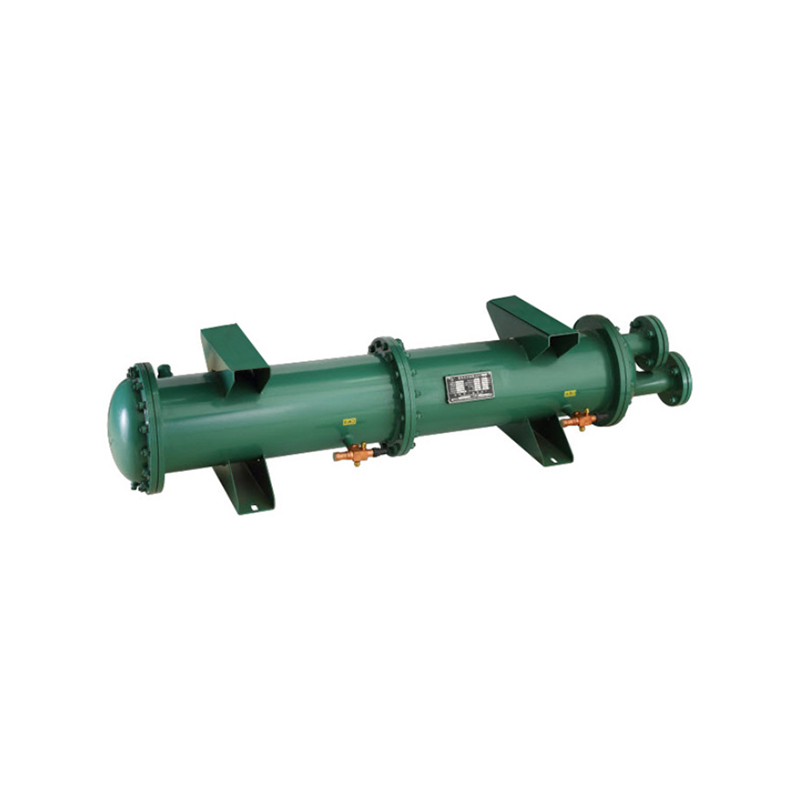
Cold storage facilities operate continuously, which means electricity consumption directly affects long-term profitability. In some logistics centers, refrigeration can account for a major portion of total energy usage.
Key operational challenges include:
These issues are pushing owners to rethink system architecture instead of only upgrading components.
Modern systems are no longer static cooling setups—they are dynamic energy-controlled platforms designed to adapt to real-time storage demand.
Key engineering improvements include:
These technologies help reduce unnecessary energy waste while maintaining stable temperature conditions across storage zones.
Energy efficiency and temperature stability are now deeply connected. A system that saves energy but fails to maintain stable temperature is no longer acceptable in regulated industries.
Common stability-related issues include:
Modern system design addresses both efficiency and precision at the same time.
Digital transformation is one of the most important trends in cold chain engineering. Operators are increasingly adopting smart monitoring technologies to improve visibility and control.
Key smart system functions include:
These tools allow operators to shift from reactive maintenance to proactive system management.
Procurement decisions are becoming more technical and engineering-driven. Buyers are no longer comparing only price lists—they are evaluating system design logic and lifecycle performance.
Key purchasing expectations include:
These expectations are shaping global supplier competition.
The demand for efficient refrigeration is expanding across multiple sectors that rely on strict temperature control.
Common application scenarios include:
Each application requires different engineering design priorities.
The refrigeration industry is moving toward intelligent, low-carbon, and fully optimized energy systems. Future development will focus on AI-assisted temperature regulation, environmentally friendly refrigerants, and fully integrated digital cold chain monitoring ecosystems.
For engineering teams and global procurement managers, selecting a reliable Refrigeration System is no longer just a technical choice—it is a long-term operational cost strategy.
At the same time, advanced Cold Storage Equipment will continue to serve as the physical foundation ensuring stability, safety, and efficiency in global cold chain infrastructure.
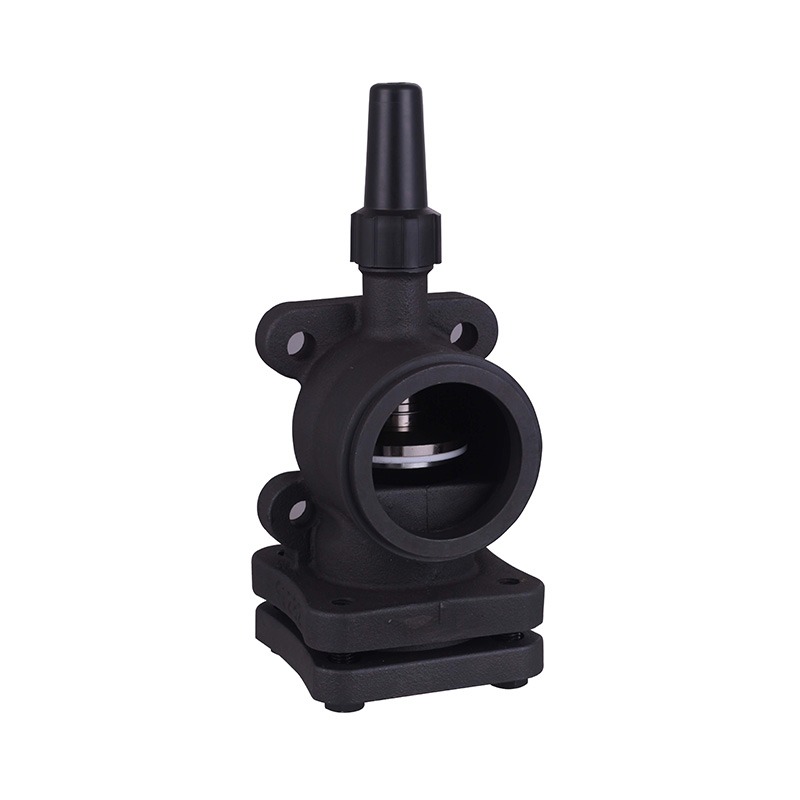 Compressor Refrigeration Cast Iron Shut-Off Vale
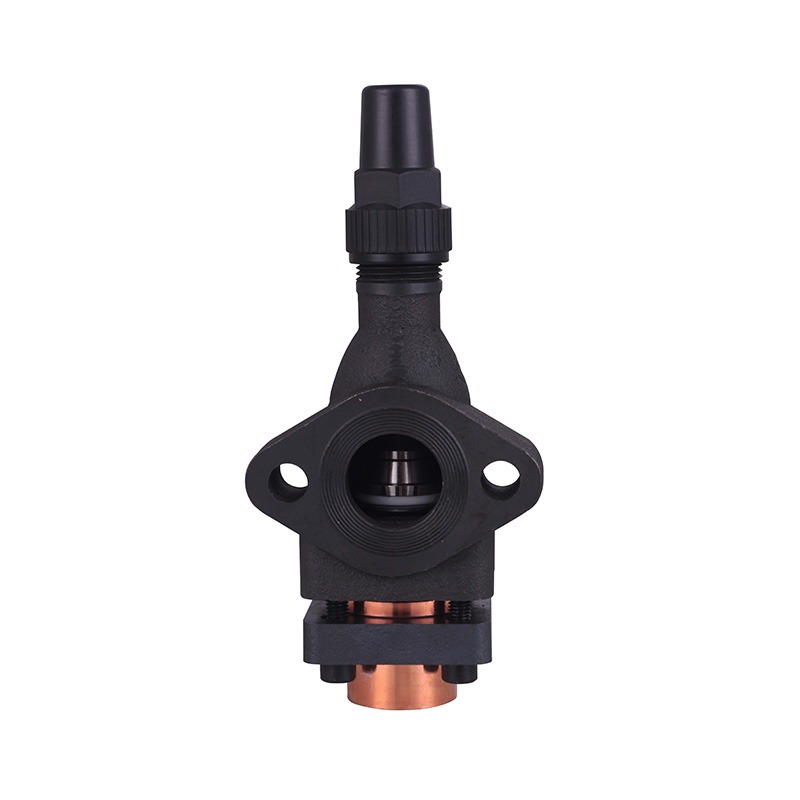 High Quality Refrigeration Cast Iron Shut-Off Vale
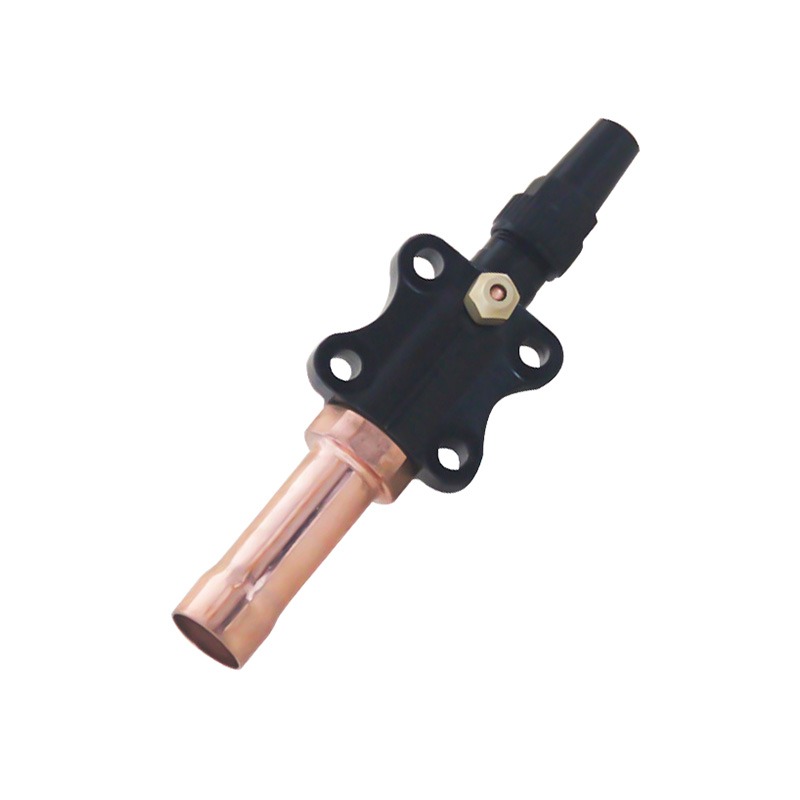 Compressor Refrigeration Copeland Brass Stop Valve
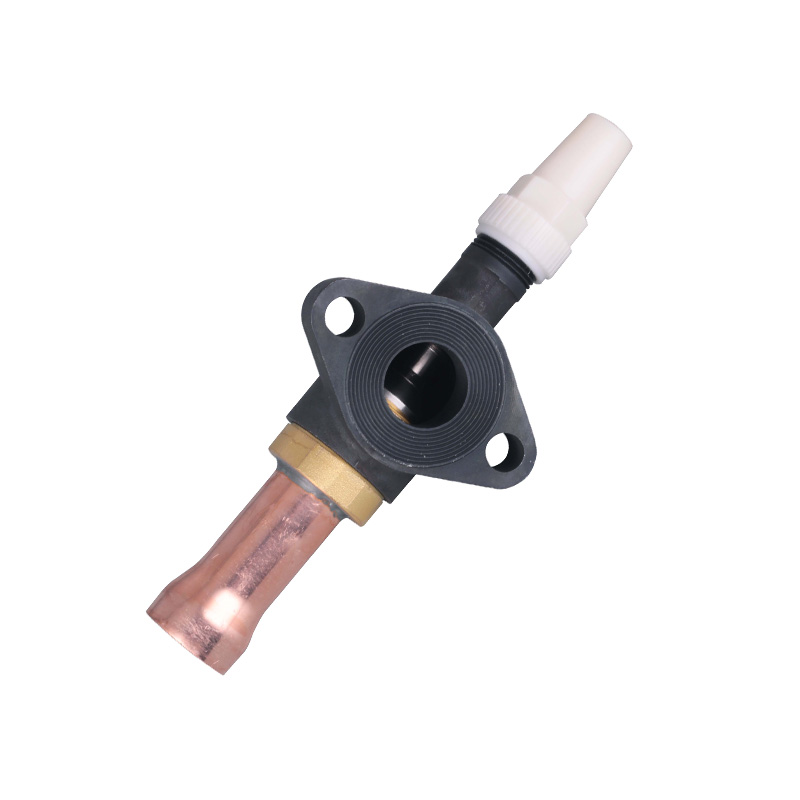 Refrigerant Copeland Brass Stop Valve
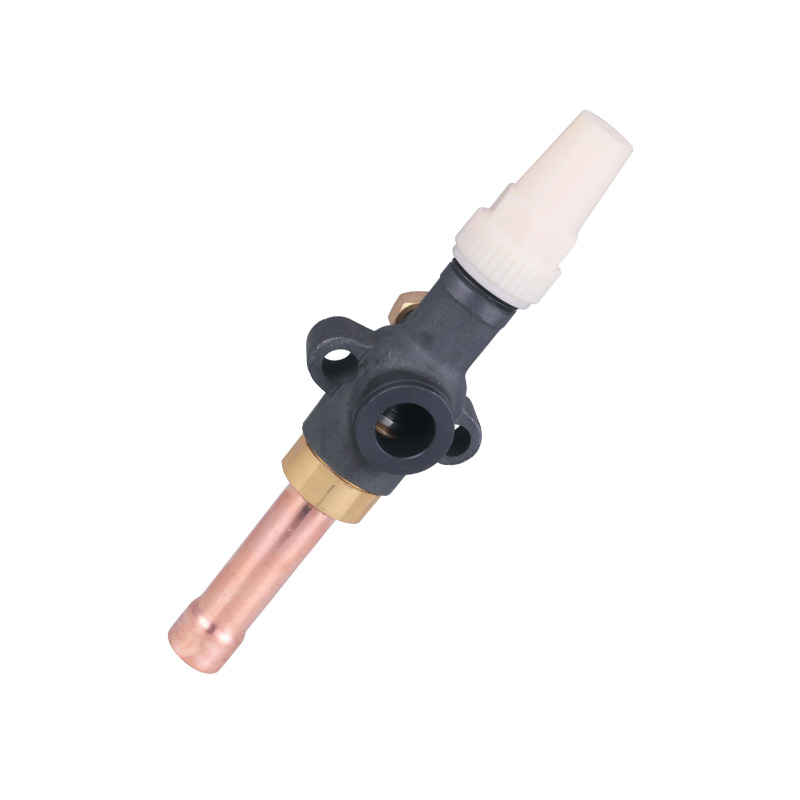 Refrigeration Compressor Copeland Brass Stop Valve
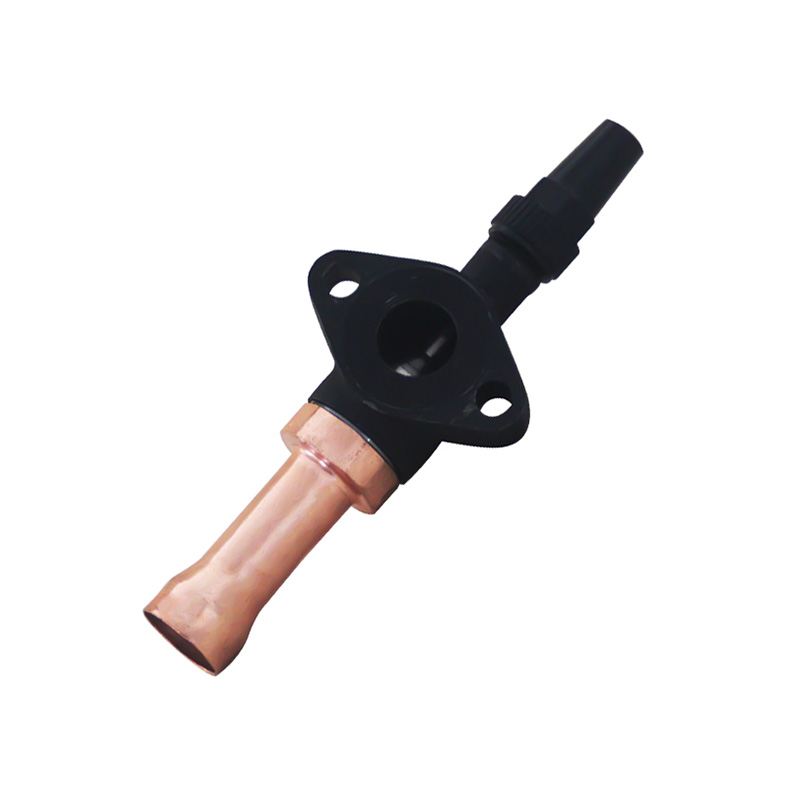 Refrigeration Copeland Brass Stop Valve
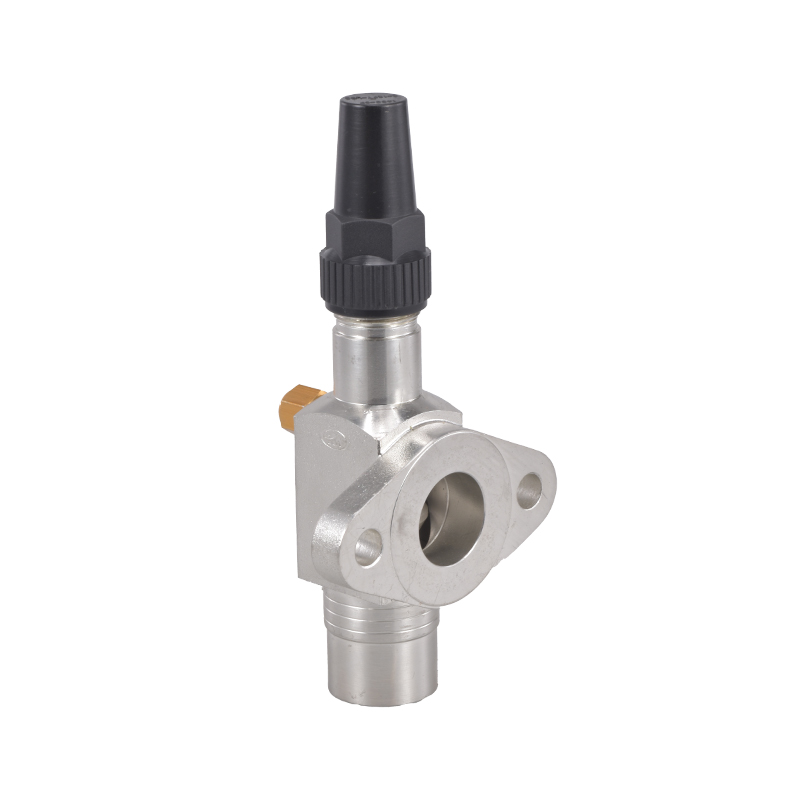 Compressor Refrigeration System Oval Flange
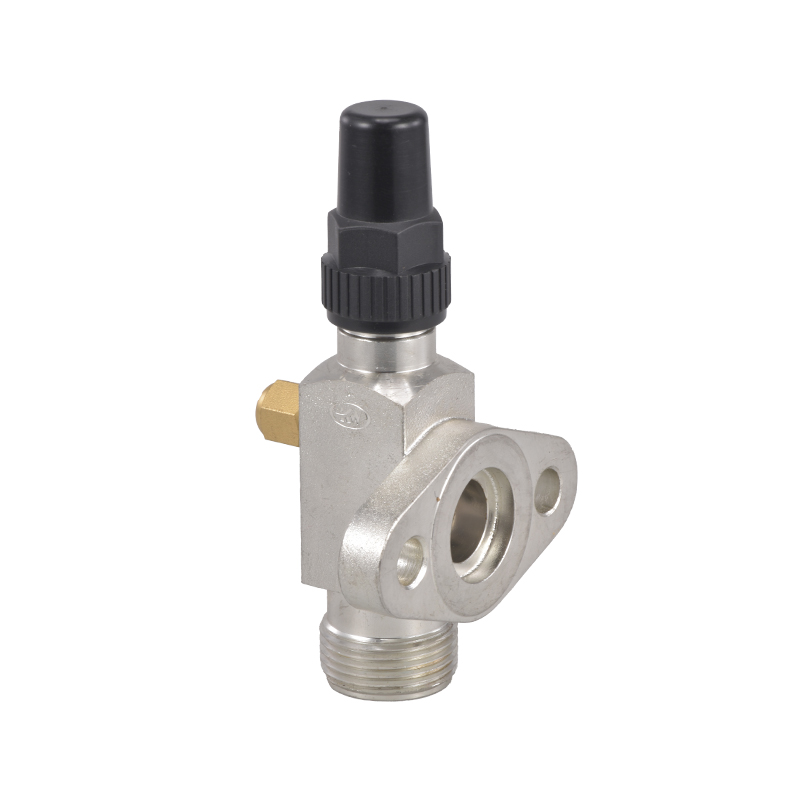 Refrigeration Valve with an Oval Flange




Wholesale Refrigeration Equipment Manufacturer