
 English
 русский
 Deutsch
Industry News
Home / News / Industry News / Are Industrial Valves Ready for Harsh Environments and Long-Term Reliability?

 By Admin
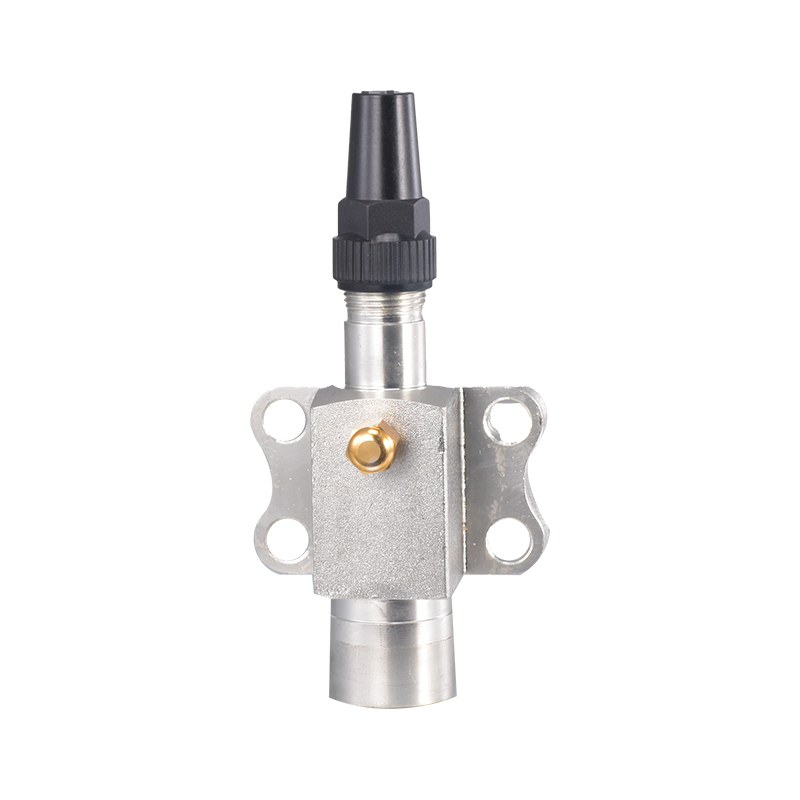
Across global industries—from oil & gas to water infrastructure—equipment durability is under closer scrutiny than ever before. Buyers are no longer satisfied with short-term performance; they want components that can withstand aggressive media, temperature fluctuations, and continuous operation. In this context, the Cast Iron Stop Valve remains a dependable choice for many medium-duty applications, offering a practical balance between mechanical strength and cost efficiency. But how do modern valve solutions truly perform in harsh environments?
Harsh operating conditions are not limited to extreme temperatures. In real-world industrial settings, valves may face:
Understanding these factors is critical when selecting the right valve type, as improper choices often lead to leakage, downtime, or increased maintenance costs.
Cast iron has long been used in valve manufacturing due to its structural stability and affordability. While it may not match the corrosion resistance of stainless steel, it performs reliably in controlled environments such as water systems, HVAC networks, and non-aggressive industrial fluids.
From a manufacturing standpoint, improvements in casting precision and protective coatings have enhanced its usability. Epoxy coatings, for example, can significantly improve resistance to moisture and mild chemical exposure, making cast iron valves more adaptable than before.
In applications where leakage cannot be tolerated, welded valve structures are gaining wider adoption. By eliminating bolted connections and potential weak points, welded designs create a more unified and robust body.
This approach offers several advantages:
Reduced risk of external leakage
Improved resistance to vibration and mechanical stress
Greater suitability for buried or hard-to-access pipelines
Such characteristics are particularly valuable in energy transportation and district heating systems, where long-term reliability is essential.
When selecting valves for demanding environments, experienced buyers typically assess multiple technical aspects:
Rather than focusing on a single parameter, a holistic evaluation ensures better alignment with real operating conditions.
Recent industry discussions highlight how different sectors approach valve selection:
Water infrastructure projects often prioritize cost-effective durability with minimal maintenance
Energy pipelines demand higher sealing integrity and resistance to pressure variations
Industrial manufacturing plants require consistent performance to avoid production interruptions
Each application scenario reinforces the importance of choosing valves that match both environmental conditions and operational expectations.
From a manufacturer’s experience, proper usage plays a major role in long-term performance. Consider the following best practices:
These measures can significantly extend service life and reduce unexpected failures.
As global buyers become more quality-conscious, the demand for reliable, well-engineered valve solutions continues to grow. Manufacturers must not only deliver consistent product quality but also provide technical guidance and application support.
For projects operating in challenging environments, combining proven materials with advanced structural designs is key. By integrating dependable Cast Iron Stop Valve solutions alongside robust Welded Ball Valve options, buyers can achieve a balanced approach to durability, safety, and long-term operational efficiency.
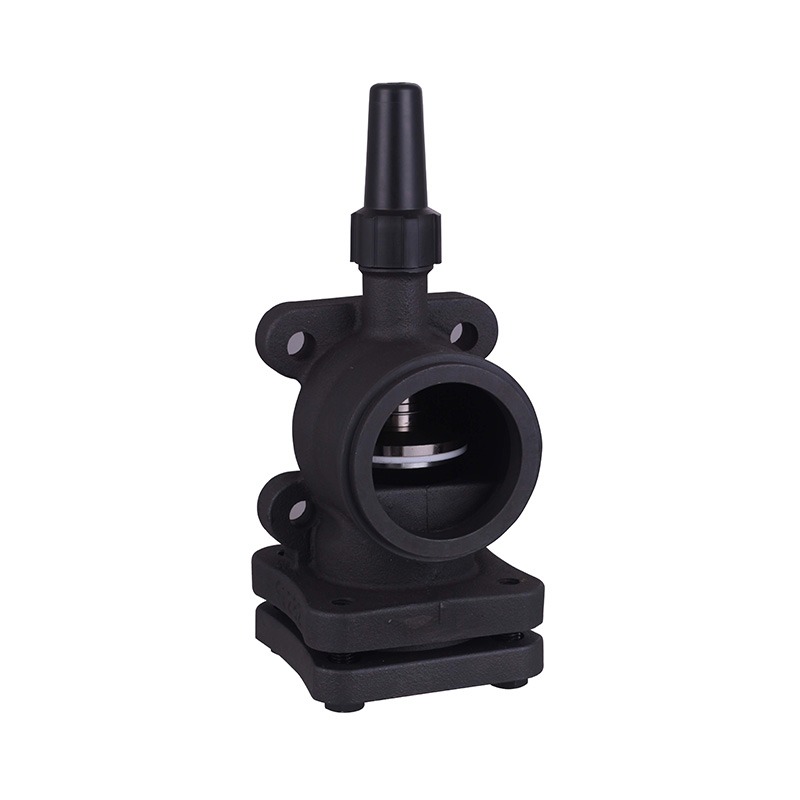 Compressor Refrigeration Cast Iron Shut-Off Vale
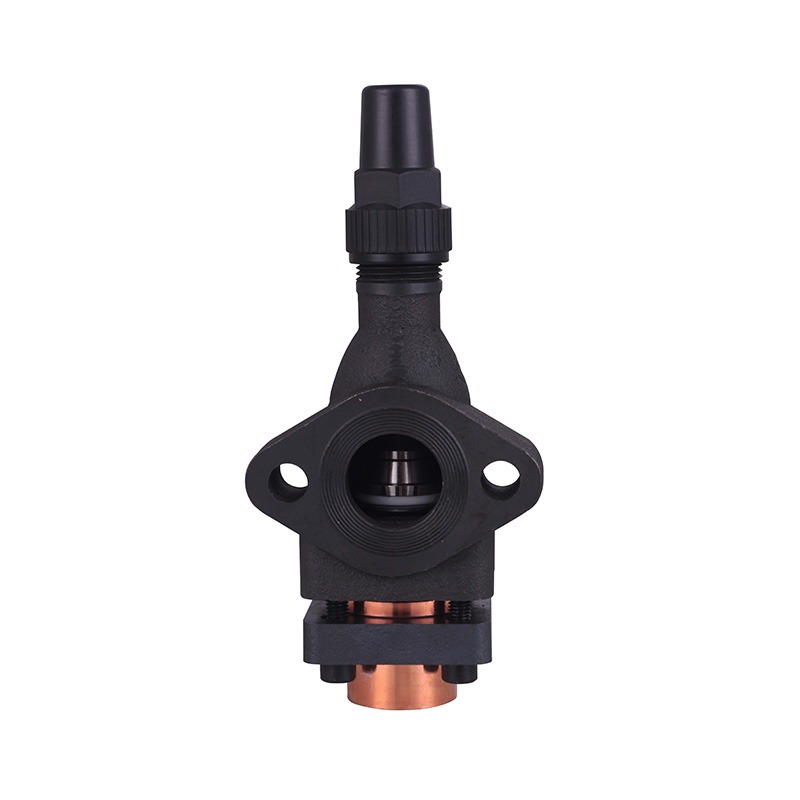 High Quality Refrigeration Cast Iron Shut-Off Vale
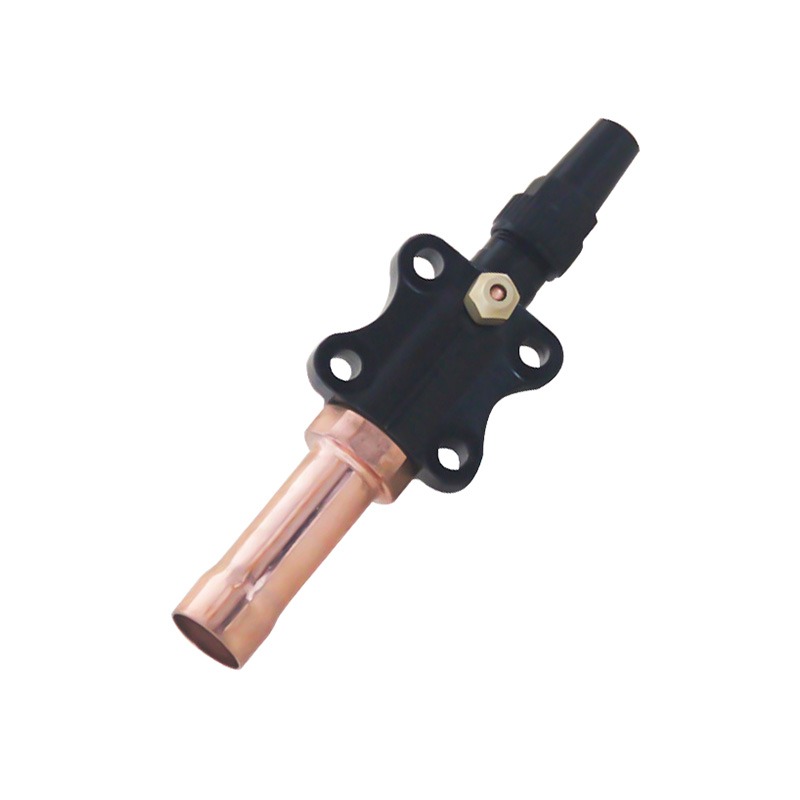 Compressor Refrigeration Copeland Brass Stop Valve
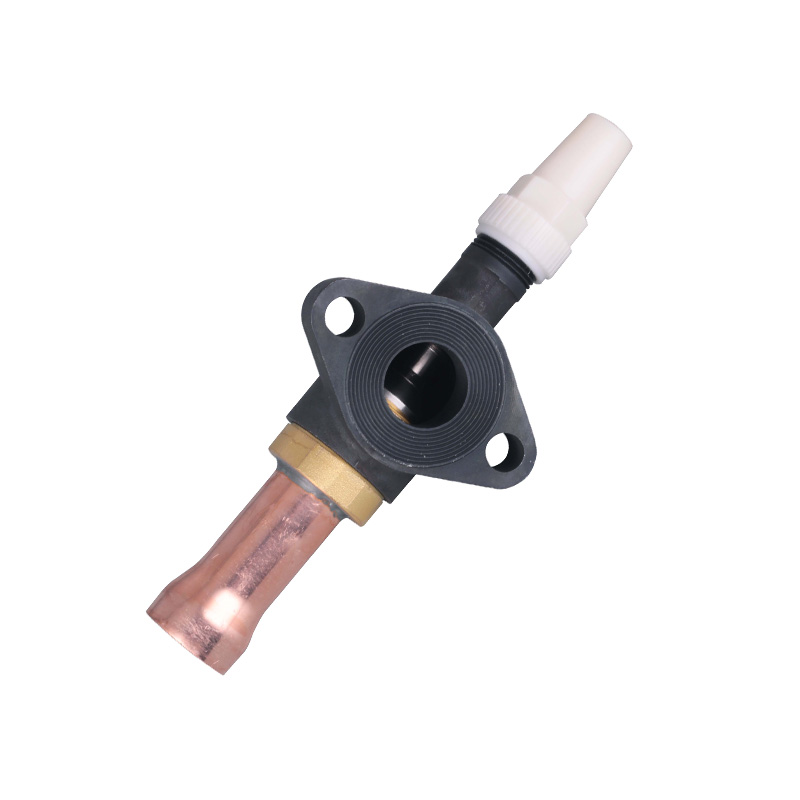 Refrigerant Copeland Brass Stop Valve
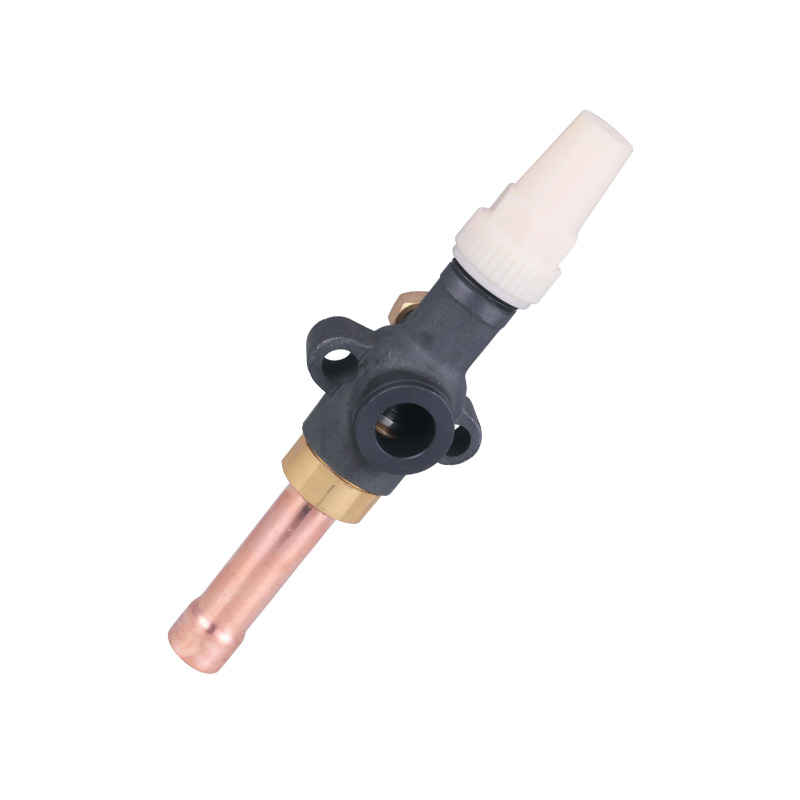 Refrigeration Compressor Copeland Brass Stop Valve
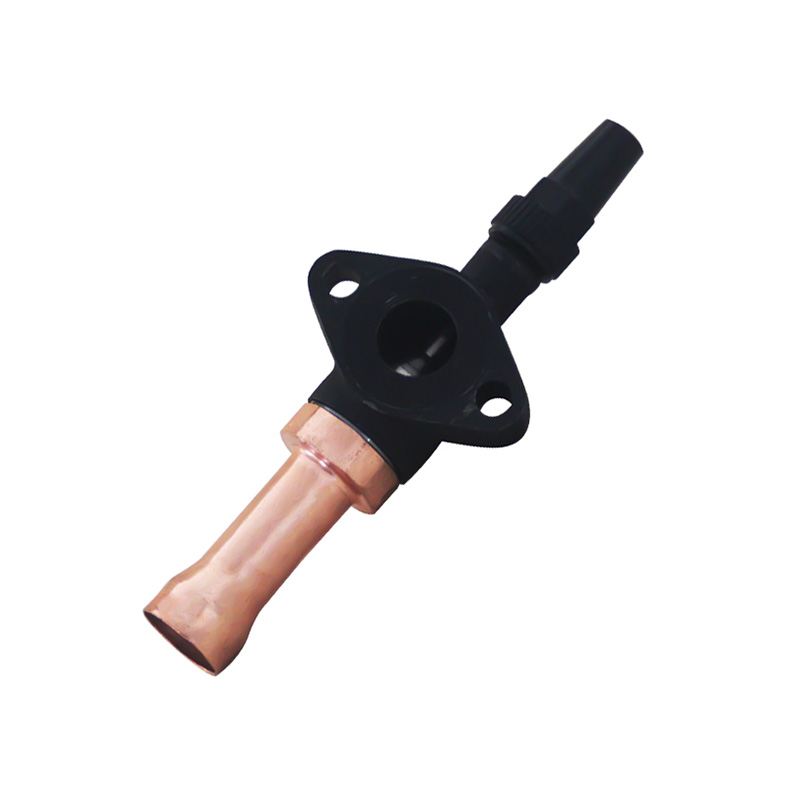 Refrigeration Copeland Brass Stop Valve
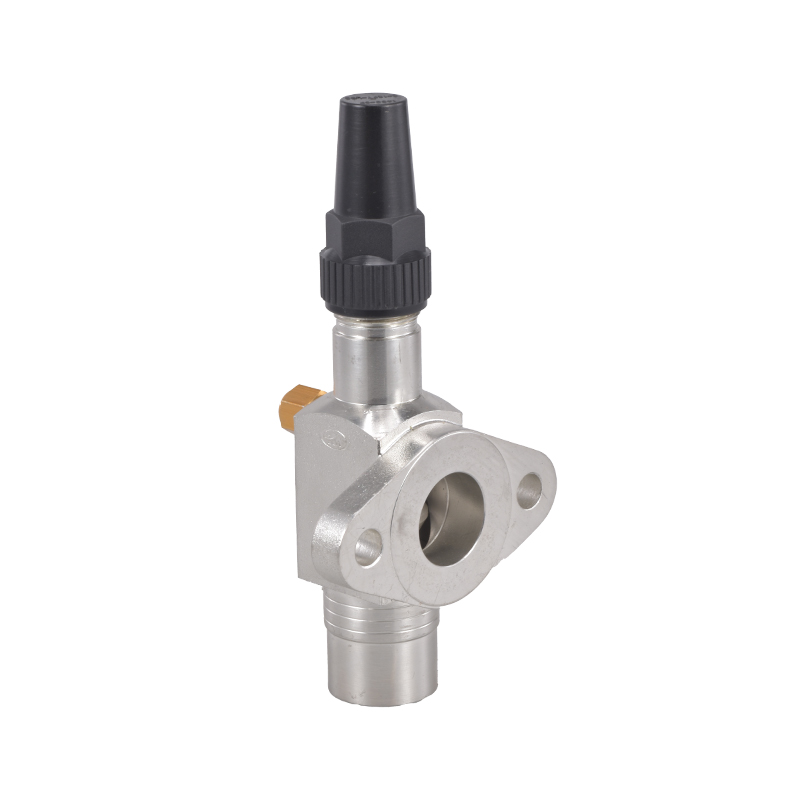 Compressor Refrigeration System Oval Flange
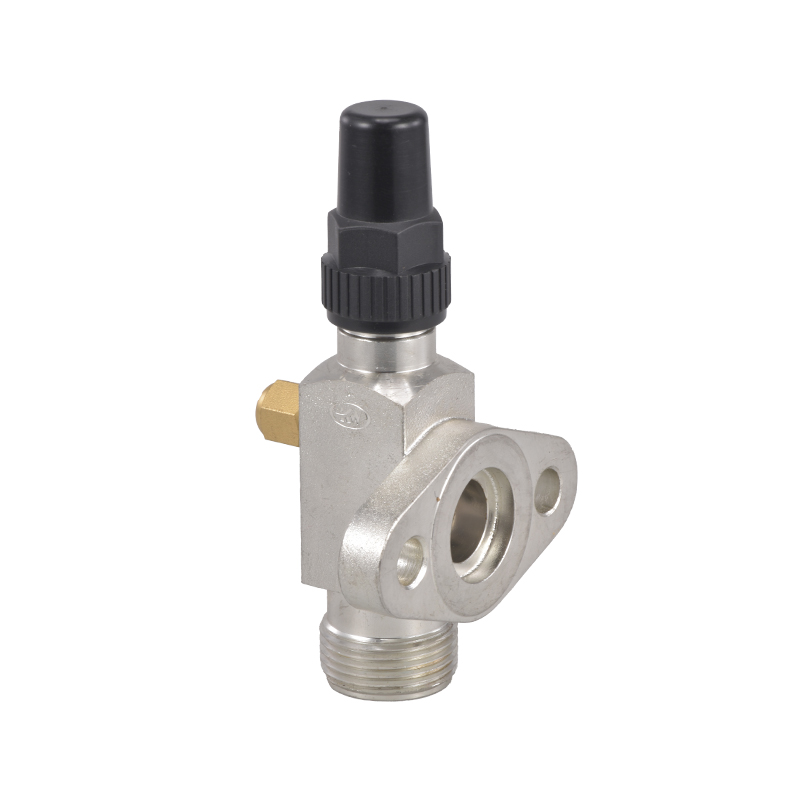 Refrigeration Valve with an Oval Flange




Wholesale Refrigeration Equipment Manufacturer