


 English
 русский
 Deutsch
Industry News
Can Valve Design Influence Energy Efficiency in Industrial Pipelines?
 By Admin
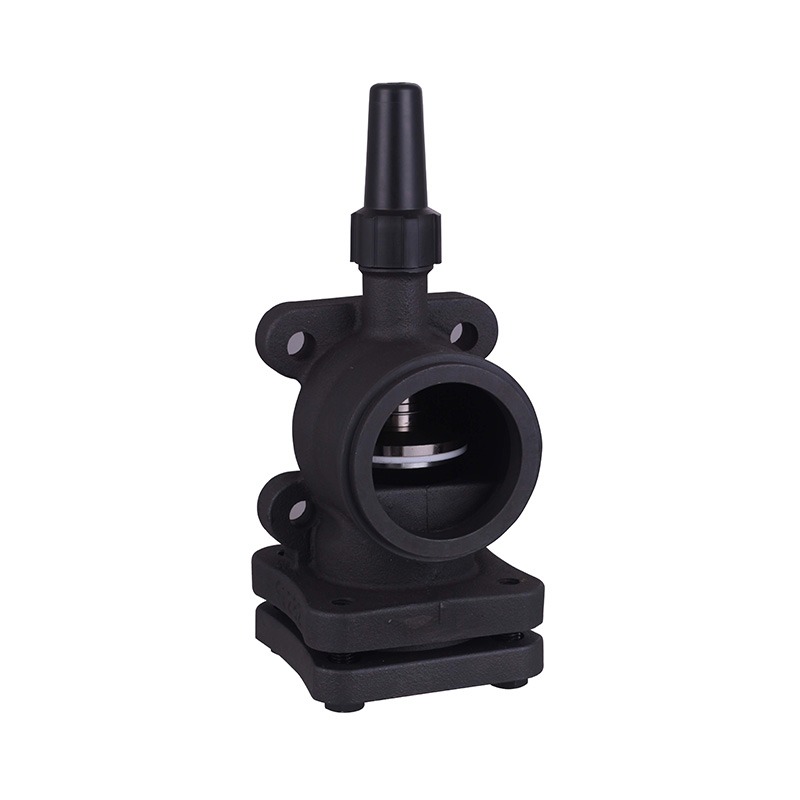
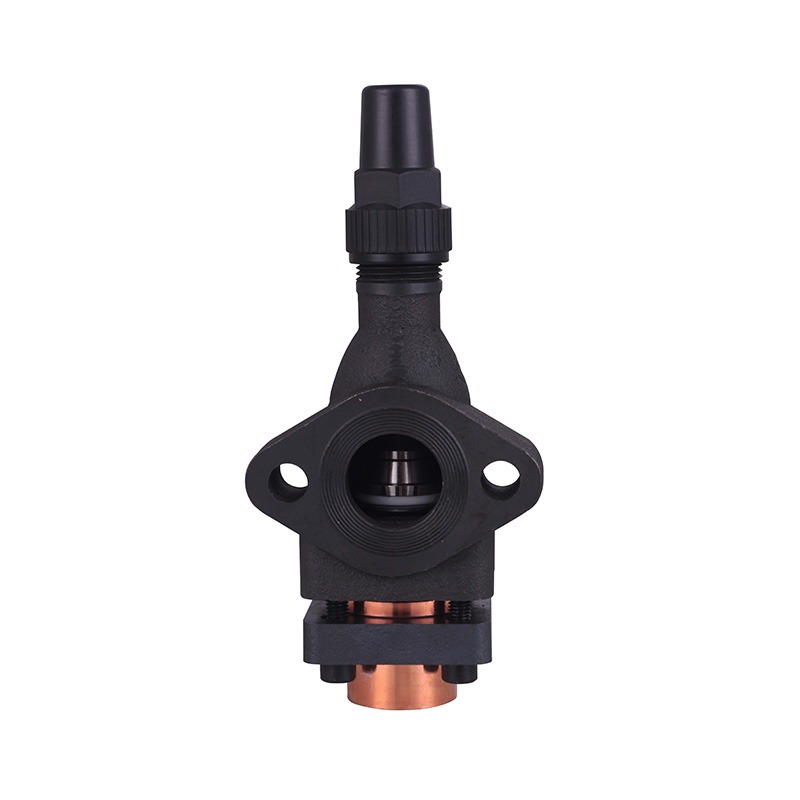
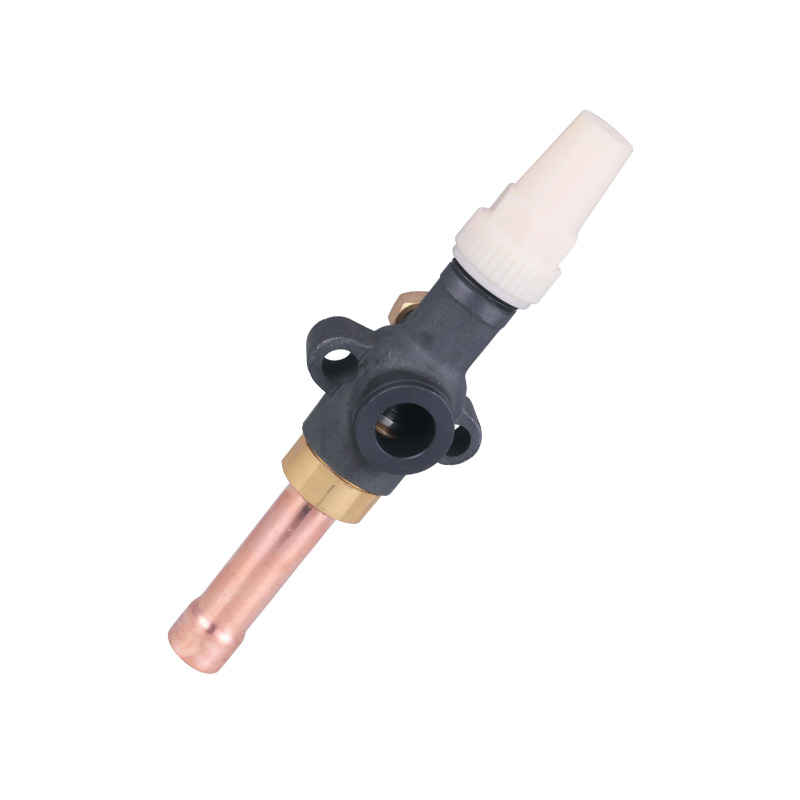
As global industries place increasing emphasis on energy conservation and system optimization, valve design is no longer just about flow control—it plays a measurable role in operational efficiency. The Cast Iron Stop Valve, widely used in water systems and general industrial pipelines, is now being reconsidered through the lens of energy loss, sealing performance, and lifecycle cost. For overseas buyers and engineers, understanding how valve selection impacts energy consumption is becoming a key factor in procurement decisions.
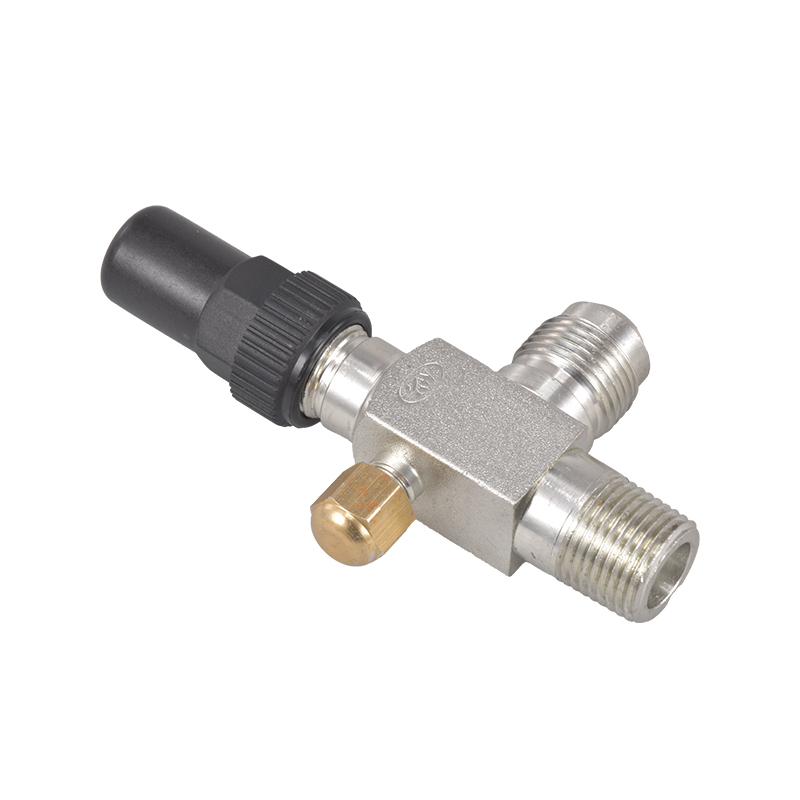
The Link Between Flow Control and Energy Efficiency
In many pipeline systems, energy loss occurs due to friction, leakage, and inefficient flow regulation. Valves that fail to provide tight sealing or smooth flow paths can increase pressure drop, forcing pumps and compressors to work harder.
Modern stop valves are being optimized to reduce turbulence and ensure more stable flow regulation. This is particularly relevant in HVAC systems and water distribution networks, where even small efficiency gains can translate into meaningful cost savings over time.
How Material Choice Impacts Performance
Material selection directly affects both durability and energy performance. Cast iron remains a preferred option in many applications due to its balance of strength and affordability.
For systems operating under moderate pressure and temperature conditions, cast iron offers:
- Stable structural integrity over long service periods
- Adequate resistance to wear and deformation
- Cost control for large infrastructure projects
At the same time, improvements in coating technologies are helping enhance corrosion resistance, extending valve lifespan in demanding environments.
Welded Structures and Their Role in Reducing Loss
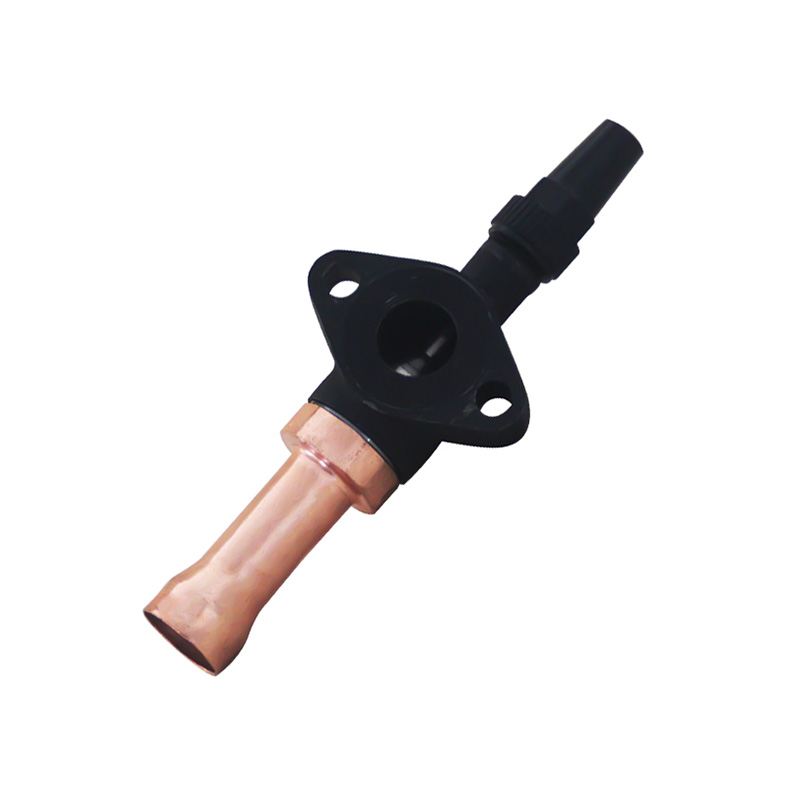
A key trend in pipeline engineering is the shift toward fully integrated components. Welded valve designs are gaining popularity because they minimize connection points, which are often sources of leakage and inefficiency.
Compared to traditional assembled valves, welded designs offer:
- Reduced risk of fluid or gas leakage
- Improved sealing reliability under pressure fluctuations
- Lower maintenance frequency
These characteristics make them particularly suitable for long-distance pipelines and underground installations, where maintenance access is limited.
Real-World Applications Driving Demand
Energy-conscious valve solutions are increasingly востребованы across multiple sectors:
District heating systems: Efficient valves help maintain stable temperature distribution
Industrial processing lines: Consistent flow control improves production accuracy
Water treatment facilities: Reduced leakage contributes to resource conservation
As sustainability regulations tighten in regions such as Europe and North America, buyers are placing greater emphasis on components that support energy-saving objectives.
Installation Best Practices for Optimal Efficiency
Even the most advanced valve design requires proper installation to achieve its full potential. From a manufacturer’s experience, several factors are often overlooked:
Alignment with pipeline axis to avoid unnecessary stress
Correct torque application during installation
Selection of compatible sealing materials
Routine inspection schedules
These steps not only improve efficiency but also help prevent premature wear or failure.
What Overseas Buyers Are Prioritizing Today
Procurement trends indicate a shift toward value-driven purchasing decisions. Instead of focusing solely on upfront cost, buyers are evaluating:
- Total cost of ownership
- Expected service life
- Ease of maintenance
- Compatibility with existing systems
Manufacturers that can provide technical documentation, customization options, and consistent production quality are better positioned to meet these expectations.
Smarter Valve Choices for Modern Systems
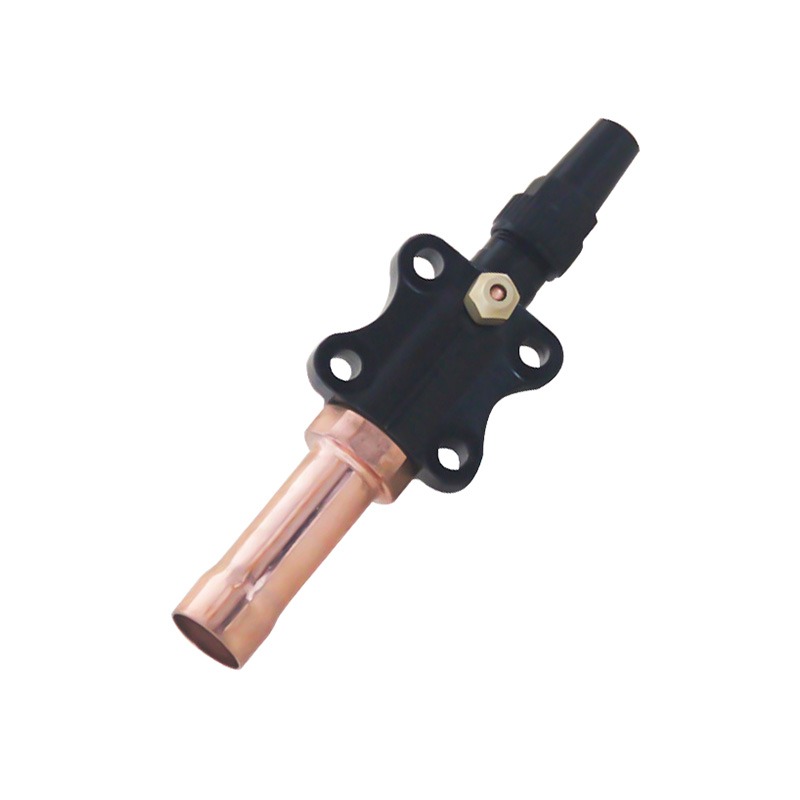
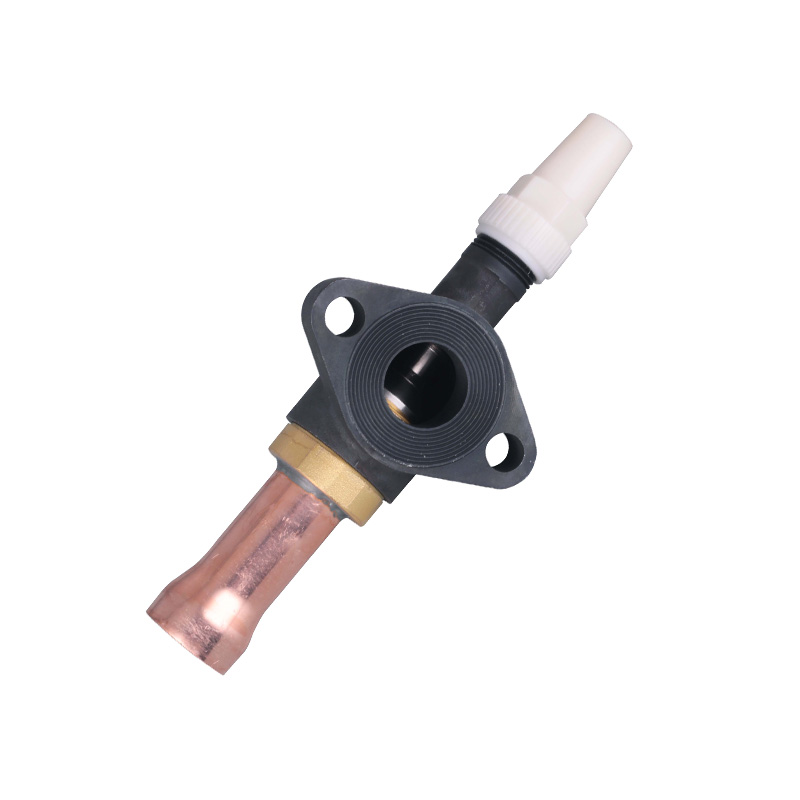
As industries continue to evolve, the integration of efficient, durable, and low-maintenance components will define competitive advantage. For engineers and buyers seeking to improve system performance while managing costs, combining traditional solutions with modern innovations is essential. Incorporating both Cast Iron Stop Valve options and advanced Welded Ball Valve designs into pipeline systems can help achieve a practical balance between reliability, efficiency, and long-term operational stability.