
 English
 русский
 Deutsch
Industry News
Home / News / Industry News / Are Industrial Buyers Rethinking Valve Choices in 2026? Here’s Why It Matters

 By Admin
In today’s rapidly evolving industrial landscape, the selection of reliable flow control components is becoming a strategic decision rather than a routine purchase. Among these, the Cast Iron Stop Valve continues to attract attention from global buyers seeking durability, cost-efficiency, and stable performance in medium-pressure systems. As infrastructure upgrades, energy optimization, and sustainability trends dominate overseas markets, procurement managers and engineers are re-evaluating how valve materials and designs can improve long-term operational outcomes.
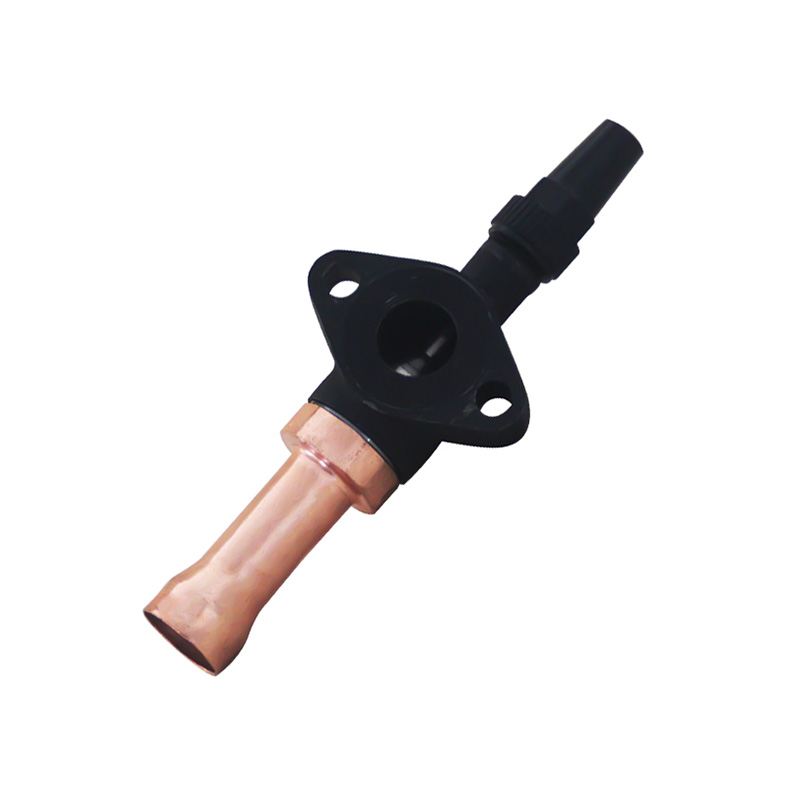
Stop valves remain essential in controlling fluid flow across water supply networks, HVAC systems, and industrial pipelines. Their primary function—regulating or completely stopping flow—makes them indispensable in maintenance and emergency scenarios.
From a manufacturer’s perspective, cast iron variants are particularly suitable for applications where corrosion resistance and structural strength must be balanced with cost control. Compared to more expensive alloys, cast iron provides a practical solution for municipal and commercial systems without compromising basic mechanical reliability.
As industries move toward more integrated and leak-resistant systems, welded ball valves are increasingly favored. Their fully welded body structure eliminates potential leakage points typically found in bolted connections, making them ideal for gas distribution, district heating, and chemical processing pipelines.
Engineers appreciate their ability to maintain tight sealing performance even under fluctuating temperatures and pressures. This is especially relevant in regions where energy efficiency standards are tightening and system integrity is closely monitored.
The demand for these valves is closely linked to several global industry trends:
In each of these scenarios, valve performance directly impacts system safety, efficiency, and maintenance frequency.
From a production standpoint, material selection and manufacturing processes define product performance:
Cast Iron Stop Valves:
Strong compressive strength
Good wear resistance
Cost-effective for large-scale deployment
Welded Ball Valves:
Fully welded construction reduces leakage risk
Compact design with fewer external joints
Suitable for buried or long-term installations
Our manufacturing process emphasizes controlled casting quality, precision machining, and strict sealing tests to ensure consistency across batches.
Proper installation and operation are critical to maximizing valve lifespan. Buyers and engineers should consider:
These practical steps help reduce downtime and extend service intervals.
Recent discussions across professional platforms and industry forums show a growing preference for valves that offer long-term reliability over short-term savings. Buyers are prioritizing:
Manufacturers who can provide stable supply, consistent quality, and technical support are more likely to build lasting partnerships in overseas markets.
As global industries continue to modernize, the importance of selecting the right valve solution cannot be overstated. Whether for municipal systems or industrial pipelines, combining traditional reliability with modern engineering design is key. For buyers evaluating options, integrating both Cast Iron Stop Valve solutions and advanced Welded Ball Valve technologies into their procurement strategy can offer a balanced approach to performance, safety, and cost control.
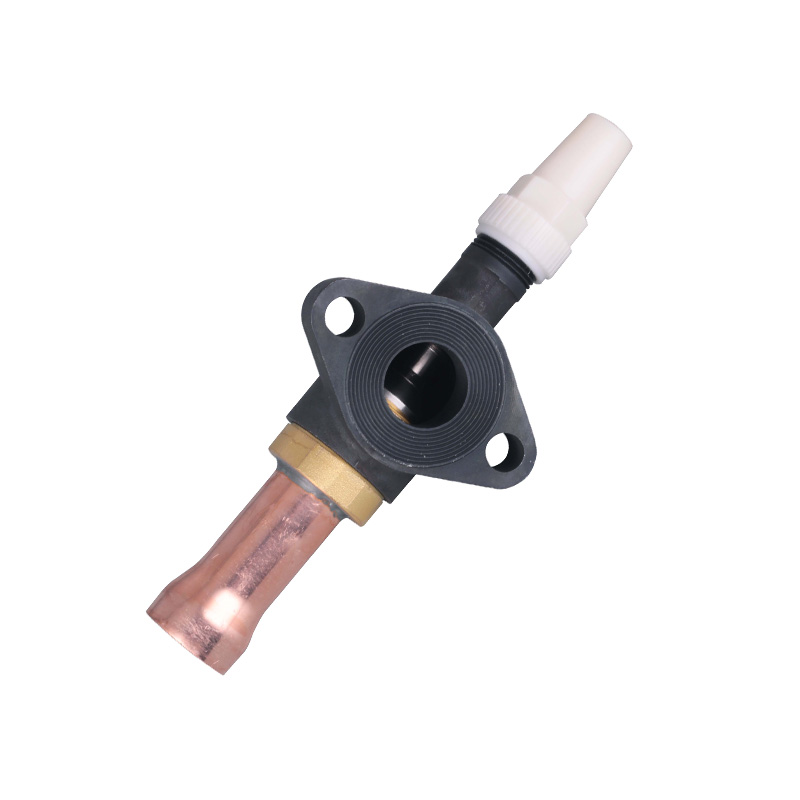
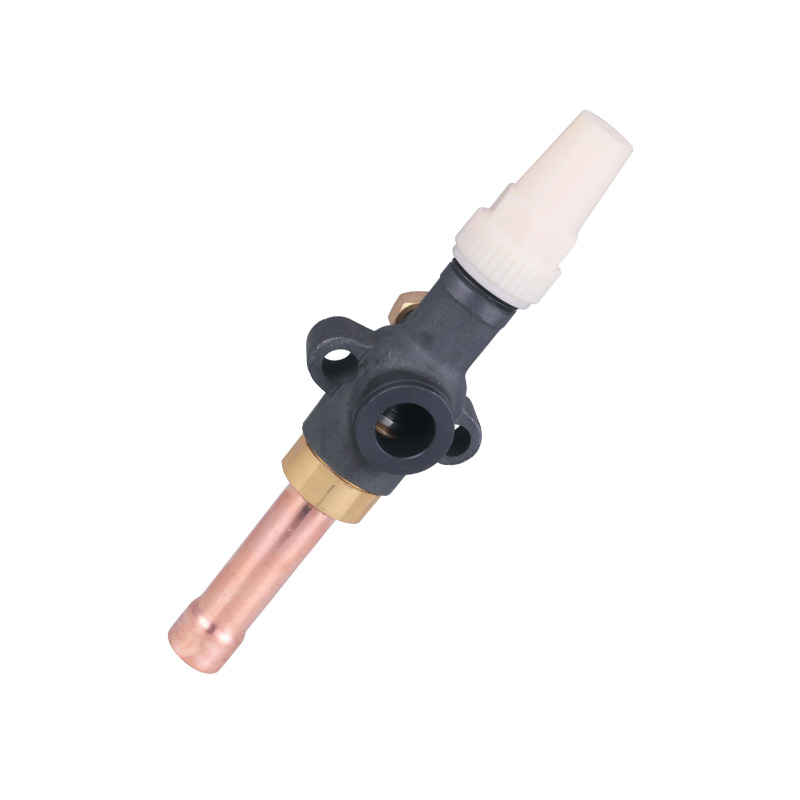
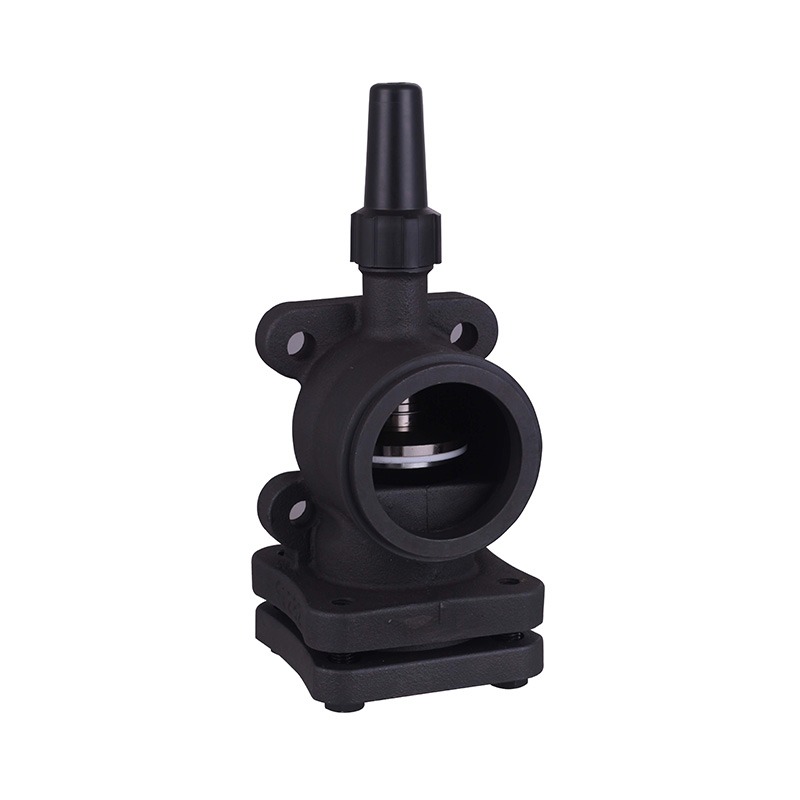 Compressor Refrigeration Cast Iron Shut-Off Vale
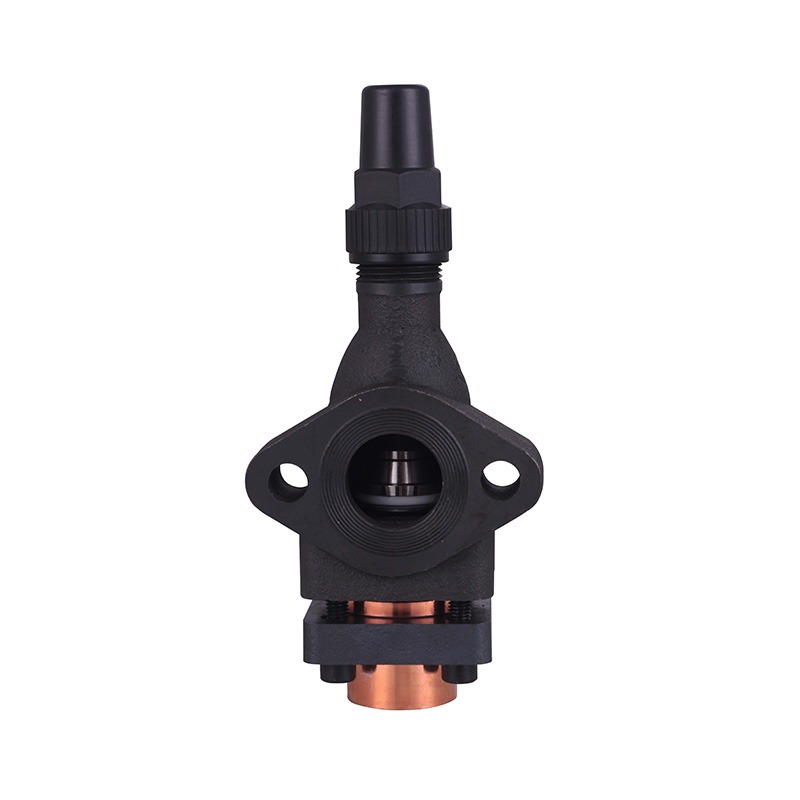 High Quality Refrigeration Cast Iron Shut-Off Vale
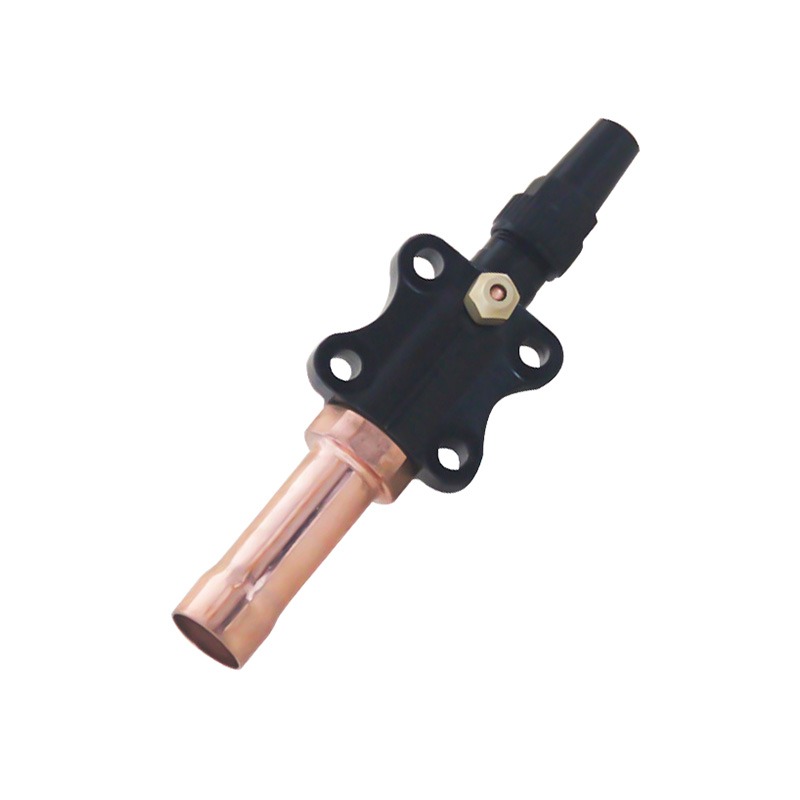 Compressor Refrigeration Copeland Brass Stop Valve
 Refrigerant Copeland Brass Stop Valve
 Refrigeration Compressor Copeland Brass Stop Valve
Refrigeration Copeland Brass Stop Valve
Refrigeration Compressor Copeland Brass Stop Valve
Refrigeration Copeland Brass Stop Valve
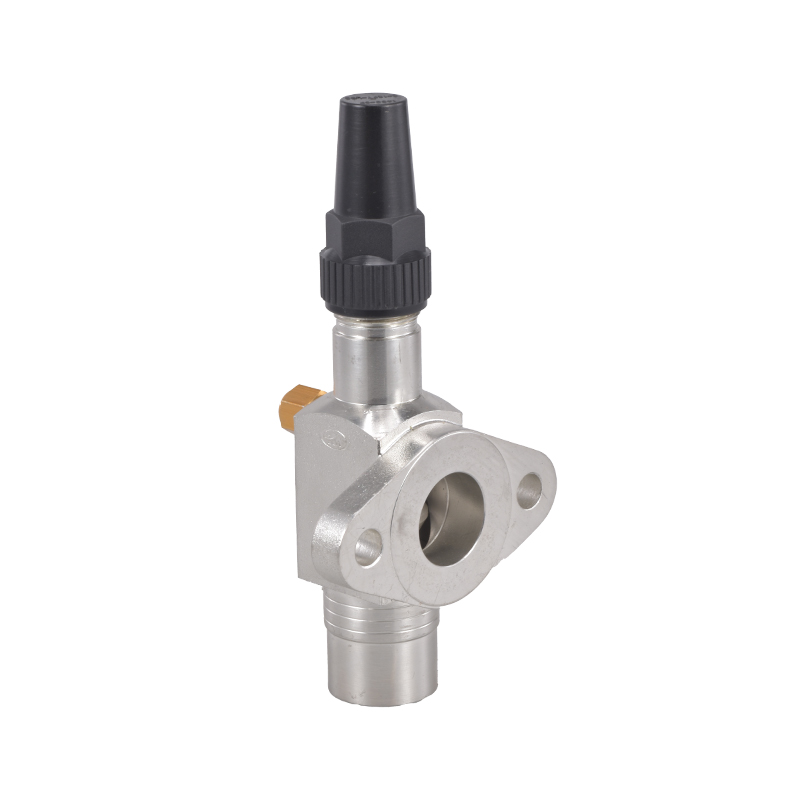 Compressor Refrigeration System Oval Flange
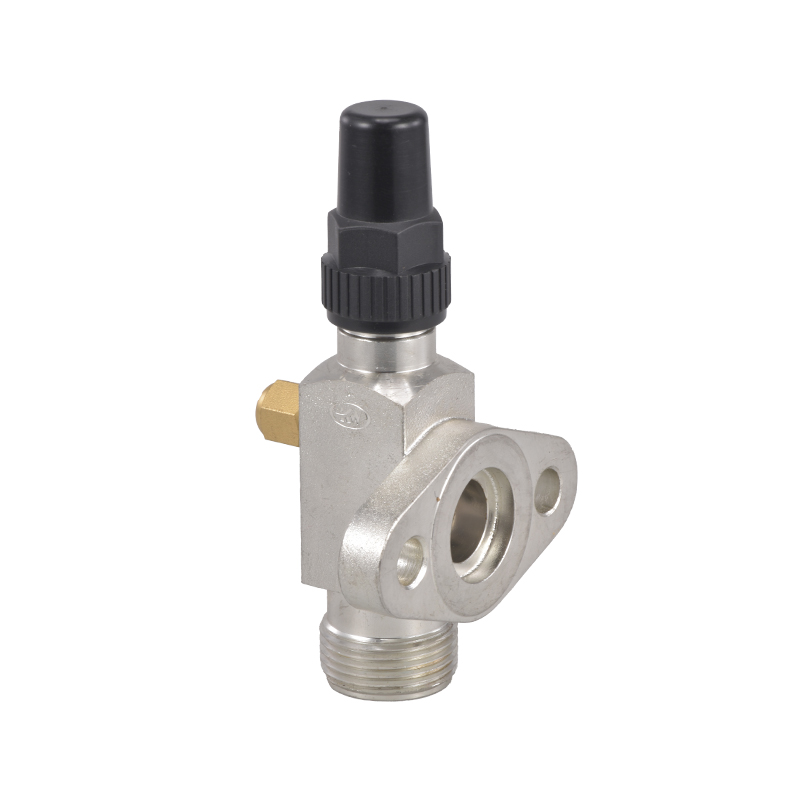 Refrigeration Valve with an Oval Flange




Wholesale Refrigeration Equipment Manufacturer