
 English
 русский
 Deutsch
Industry News
Home / News / Industry News / Is Your Welded Ball Valve Suitable for Modern Refrigeration Equipment Design?

 By Admin
As refrigeration equipment becomes more varied in structure and application, individual components need to fit the overall system rather than simply meet basic connection requirements. Valves must work with pipeline dimensions, available installation space, operating conditions, and maintenance arrangements. For equipment manufacturers and overseas procurement teams, selecting a Welded Ball Valve involves evaluating how the component integrates into the complete refrigeration circuit. A suitable choice can simplify equipment assembly, support effective flow isolation, and reduce unnecessary design adjustments.
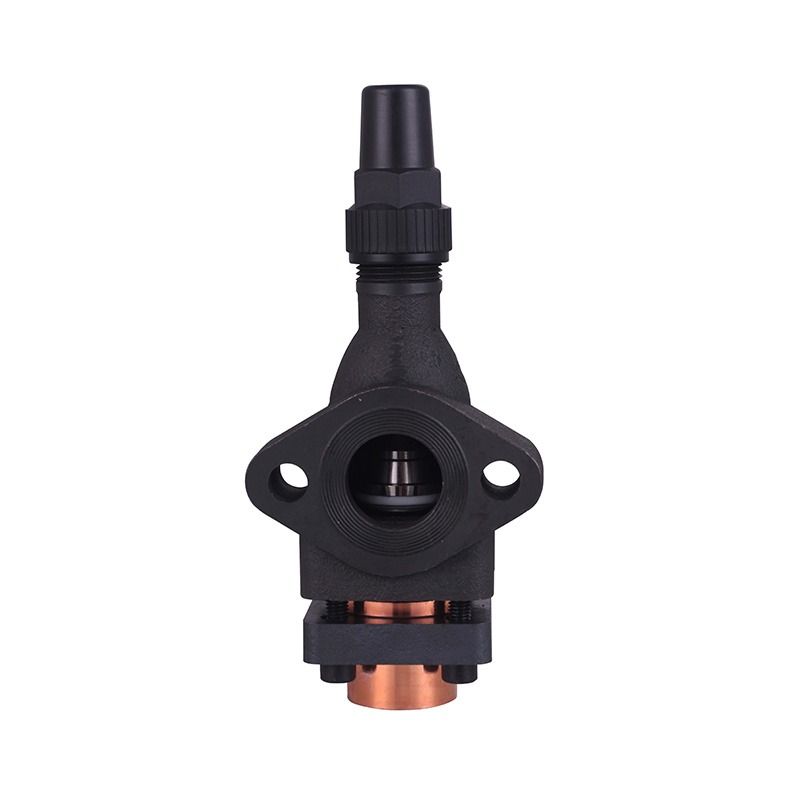
Pipeline configuration is an important starting point when selecting a valve. Refrigeration equipment may contain compact internal piping, multiple bends, different connection sizes, and limited installation clearance. A valve that meets the nominal diameter requirement may still create difficulties if its overall dimensions do not match the available space.
Engineers should review the pipeline drawing before confirming the valve model. Important details include connection diameter, end-to-end dimensions, installation direction, and the space required to operate the handle or actuator. Considering these factors early can help prevent interference with nearby pipes, insulation, electrical components, or equipment panels.
Not all ball valves have the same internal flow passage. Full-port and reduced-port designs differ in the relationship between the ball opening and the connected pipeline diameter.
For applications where minimizing flow restriction is important, engineers may consider a full-port configuration. However, the appropriate design depends on the system's flow requirements, available installation space, and technical specifications.
Buyers should avoid selecting a valve based on connection size alone. Reviewing the internal passage and intended operating function provides a more complete basis for comparing different models.
In refrigeration equipment manufacturing, component installation needs to follow an organized assembly sequence. Valve dimensions, connection positions, and operating access can influence how technicians arrange the surrounding pipeline.
For example, a valve positioned too close to another component may make handle operation difficult. Limited clearance can also complicate inspection or future servicing. Manufacturers should therefore evaluate valve placement during the equipment design stage instead of treating it as a final assembly detail.
For OEM buyers, providing pipeline drawings or reference layouts can help valve suppliers understand the installation environment and discuss suitable configurations.
Refrigeration systems may operate under different pressure and temperature conditions depending on their design and application. A valve must be selected according to the actual operating range rather than general product descriptions.
Before purchasing, engineers should verify:
These details help purchasing teams compare products on a consistent technical basis. They also give manufacturers the information needed to assess whether a standard model or a customized configuration is more appropriate.
Refrigeration pipelines may require insulation to manage heat exchange and prevent unwanted condensation under relevant operating conditions. Valve placement should take this additional space into account.
If the valve is difficult to access after insulation is installed, technicians may face unnecessary challenges during operation and inspection. Engineers should consider whether the handle or actuator remains accessible and whether the surrounding insulation arrangement allows the valve to be identified and serviced.
This is particularly important in compact refrigeration units, where several components may be installed within a limited enclosure.
Equipment manufacturers often develop several refrigeration products with similar but not identical pipeline arrangements. Using clearly defined valve specifications can simplify component management and purchasing, provided each configuration remains suitable for its intended operating conditions.
A standardized purchasing record may include model identification, connection dimensions, pressure and temperature ratings, material requirements, and approved drawings. When a design change becomes necessary, the revised specification should be documented before the next production order.
This approach helps reduce confusion between similar valve models and makes supplier communication more efficient.
A valve should be evaluated as part of the refrigeration equipment rather than as an isolated purchase. Pipeline layout, bore design, operating specifications, insulation clearance, and service access all influence the final selection.
For overseas buyers sourcing a Welded Ball Valve, sharing technical drawings and application requirements with the manufacturer can make product evaluation more accurate. As a refrigeration equipment manufacturer, we understand the importance of matching valve configurations with practical system requirements. Clear technical discussions before ordering can help buyers select suitable components, coordinate equipment assembly, and build a more consistent supply process.
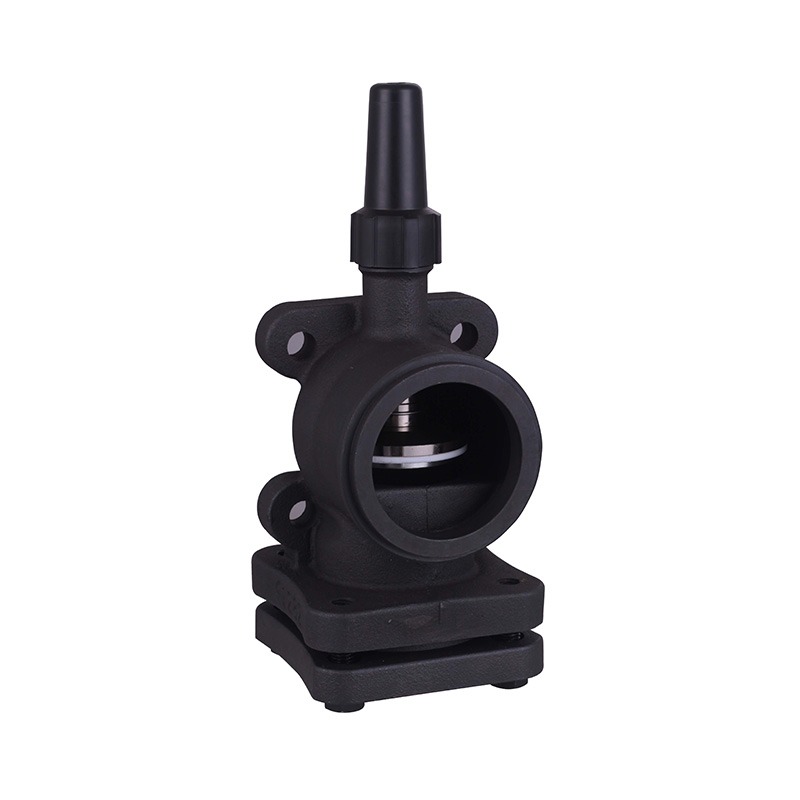 Compressor Refrigeration Cast Iron Shut-Off Vale
High Quality Refrigeration Cast Iron Shut-Off Vale
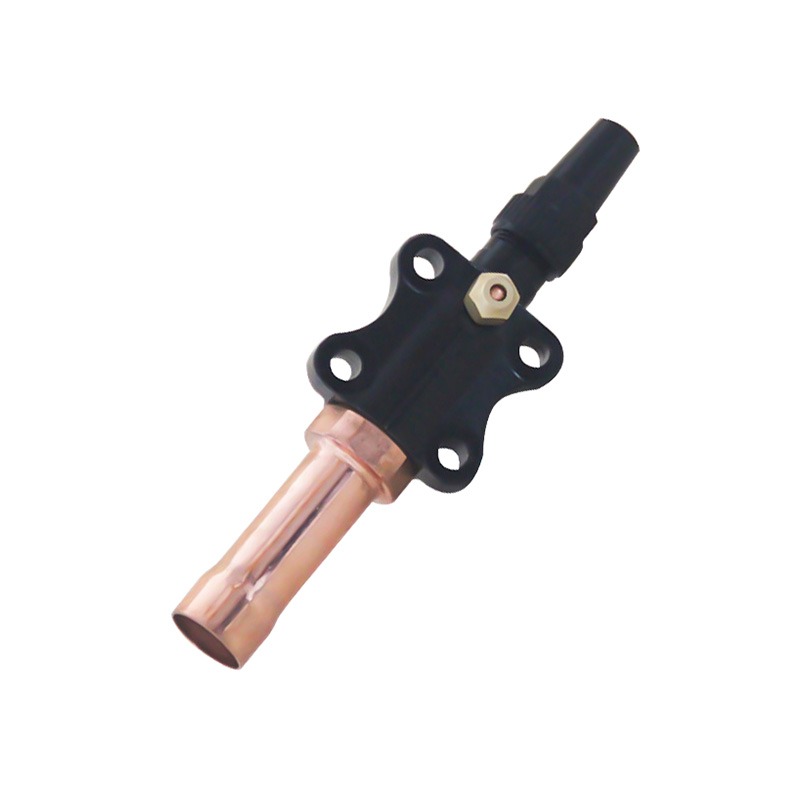 Compressor Refrigeration Copeland Brass Stop Valve
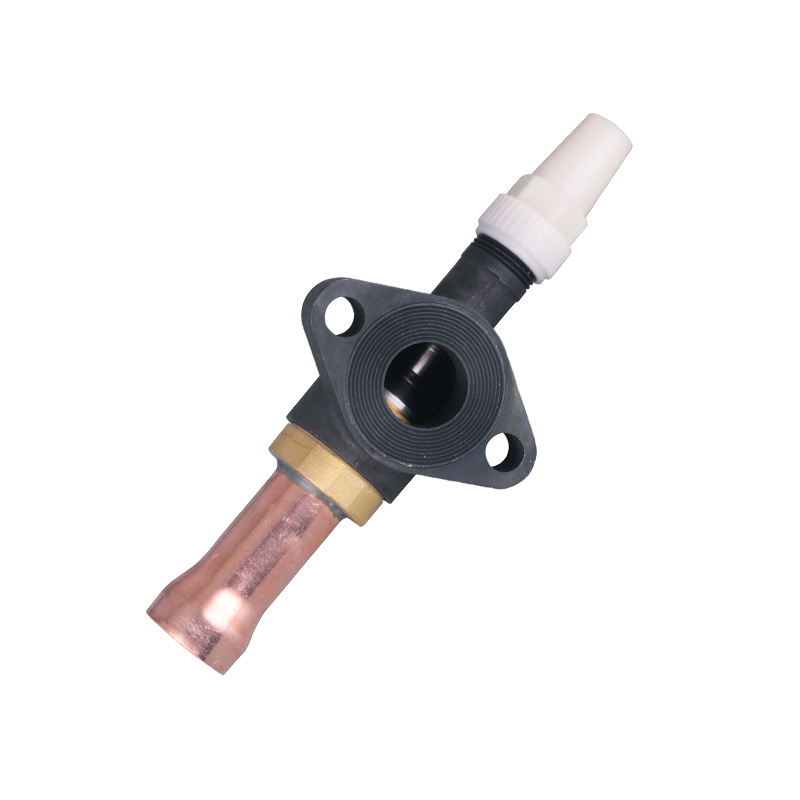 Refrigerant Copeland Brass Stop Valve
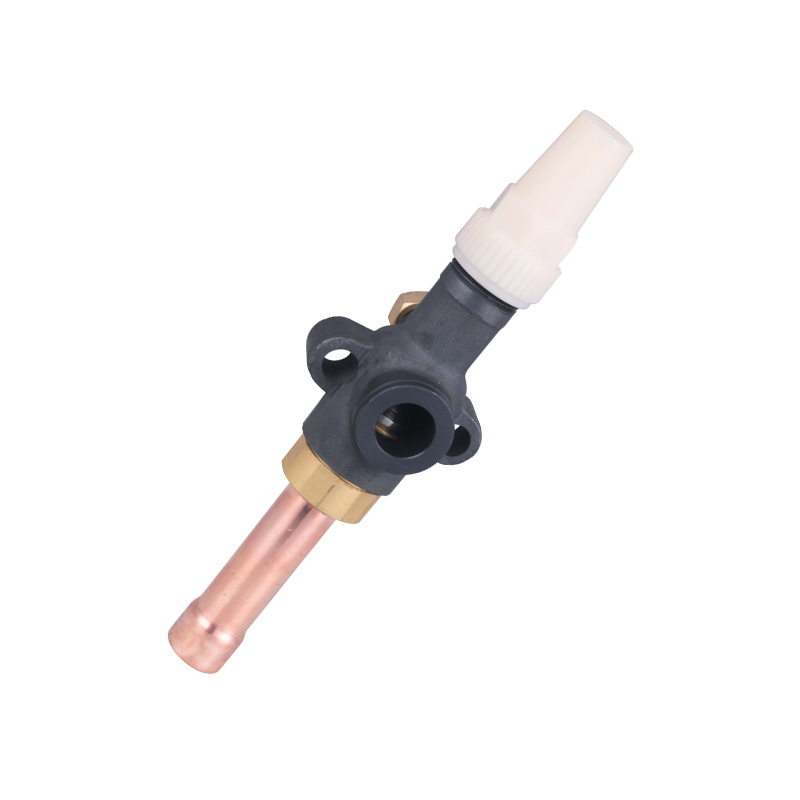 Refrigeration Compressor Copeland Brass Stop Valve
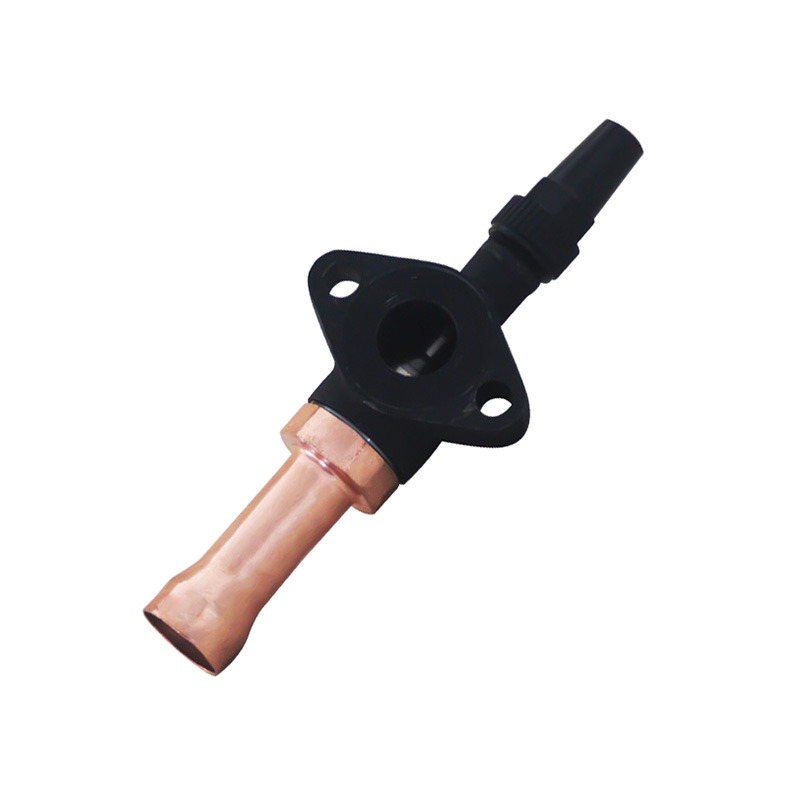 Refrigeration Copeland Brass Stop Valve
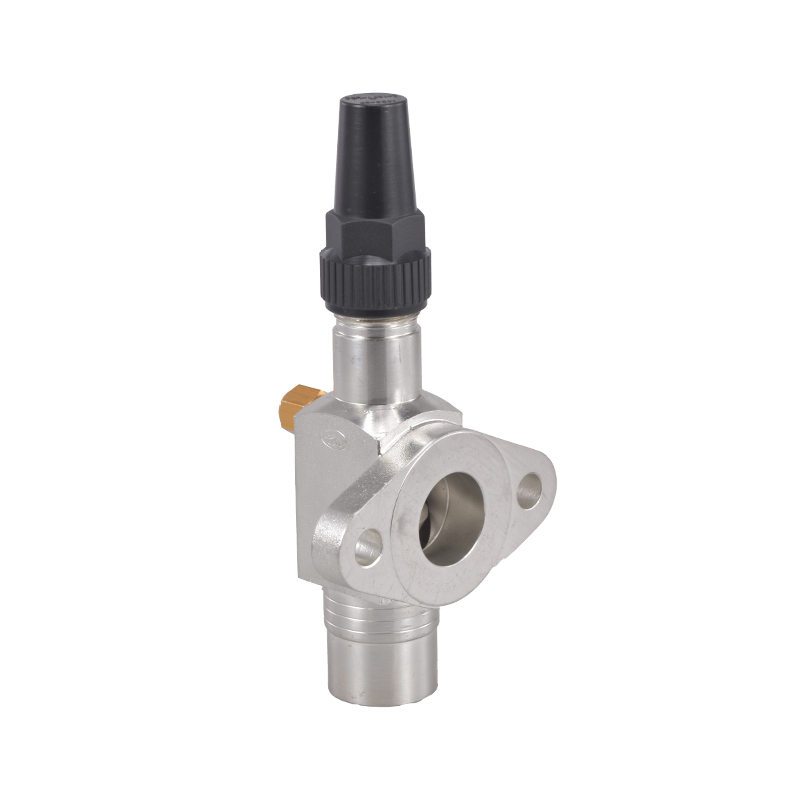 Compressor Refrigeration System Oval Flange
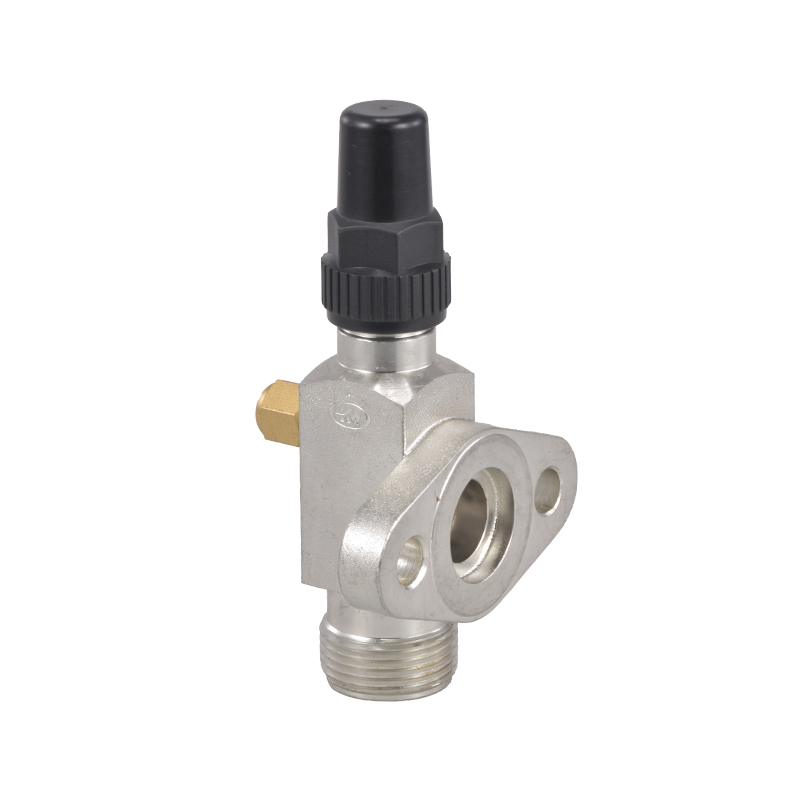 Refrigeration Valve with an Oval Flange




Wholesale Refrigeration Equipment Manufacturer