
 English
 русский
 Deutsch
Industry News
Home / News / Industry News / Could a Welded Ball Valve Improve Reliability in Refrigeration Piping Systems?

 By Admin
Refrigeration systems operate under changing temperatures, pressure conditions, and operating cycles. In these environments, valve selection affects not only fluid control but also the reliability of pipeline connections. For equipment manufacturers, contractors, and overseas buyers, choosing a suitable Welded Ball Valve requires attention to connection integrity, material compatibility, operating conditions, and installation quality. A well-matched valve can help reduce potential leakage points and support stable operation throughout the refrigeration system.
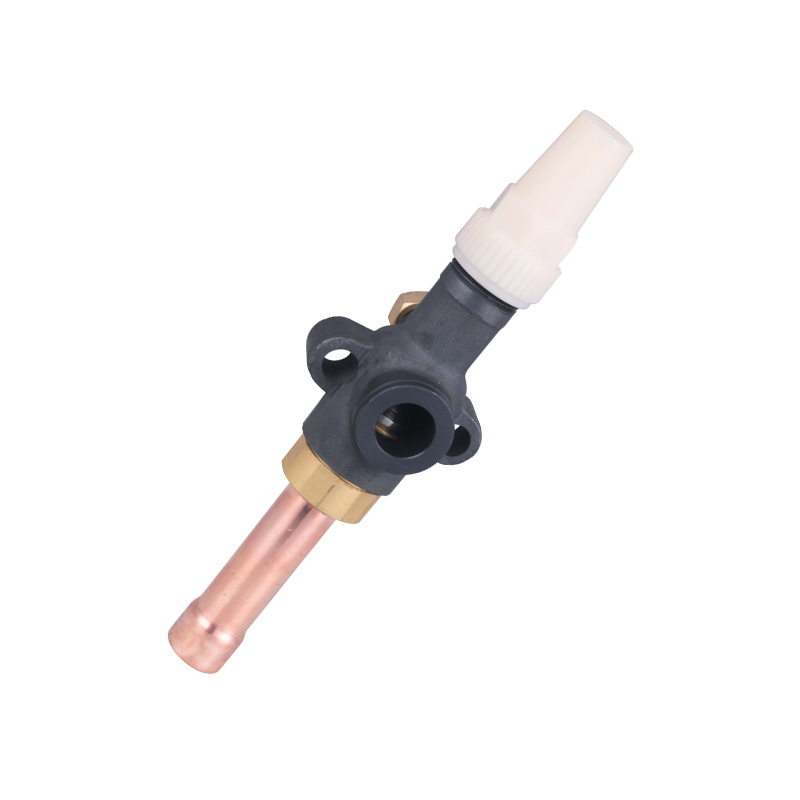
Welded connections are commonly considered in refrigeration piping where a permanent joint is preferred. Unlike detachable threaded or flanged connections, a properly executed welded joint does not rely on a separate gasket or threaded sealing interface at the connection point.
This can be useful in systems where space is limited or where designers want to reduce the number of detachable joints. However, welding quality remains essential. Incorrect preparation, unsuitable welding procedures, or poor alignment can affect joint integrity. Buyers should therefore evaluate the valve design and the manufacturer's production requirements together rather than assuming that a welded connection automatically prevents leakage.
Material selection should reflect the refrigerant, lubricant, pressure conditions, and operating environment. Different refrigeration applications may involve different chemical and temperature requirements, so buyers should confirm that the valve body, ball, stem, and sealing components are suitable for the intended system.
The sealing material deserves particular attention because it must maintain its function under the expected temperature range and operating conditions. When requesting a quotation, engineers should provide the refrigerant type, design pressure, operating temperature, and relevant pipeline specifications. These details give manufacturers a clearer basis for recommending an appropriate configuration.
Refrigeration equipment does not always operate under constant conditions. Startup, shutdown, defrost cycles, and changes in cooling demand can cause pressure and temperature fluctuations within the piping network.
A valve selected only according to nominal pipe size may therefore be unsuitable for the actual operating conditions. Buyers should review the rated pressure and temperature range, connection dimensions, and applicable design requirements before confirming an order.
Manufacturers should also consider how the valve structure and sealing components perform under the specified conditions. Clear technical communication at the selection stage can help prevent compatibility issues after installation.
A ball valve uses a rotating ball with a bore to control the flow passage. Its operating characteristics depend on the bore configuration, internal dimensions, sealing arrangement, and actuator or handle design.
For refrigeration applications, engineers should consider whether the valve is intended for full-flow isolation or another specific duty. They should also check the connection size and internal passage against the pipeline design. Selecting a valve with suitable flow characteristics helps avoid unnecessary restrictions and makes the component easier to integrate into the system.
Even a correctly selected valve can experience problems if installation is poorly managed. Welding heat, alignment errors, contamination, and inappropriate handling may affect the valve or its sealing components.
Before installation, technicians should follow the manufacturer's instructions and the project's approved welding procedure. Practical checks include:
These steps help reduce installation-related risks and support more dependable system assembly.
Welded valves provide permanent pipeline connections, but this does not mean maintenance planning can be ignored. Engineers should consider how the valve will be operated, inspected, and accessed after the refrigeration equipment enters service.
The valve's position should allow practical access to the handle or actuator. Where replacement may eventually be necessary, the surrounding pipeline layout should also be considered during equipment design. Clear product identification and technical documentation can further help maintenance teams identify the correct replacement specification.
Selecting a suitable valve involves more than comparing dimensions and quotations. Refrigerant compatibility, pressure and temperature ratings, welding requirements, sealing materials, and installation conditions all influence the final configuration. As a refrigeration equipment manufacturer, understanding these factors helps us communicate more effectively with buyers and evaluate product requirements before production.
For overseas distributors, equipment manufacturers, and refrigeration contractors, a properly specified Welded Ball Valve can be a practical component in building dependable piping systems. Providing complete application details when discussing an order helps the manufacturer recommend a suitable design and supports more consistent procurement, installation, and long-term system operation.
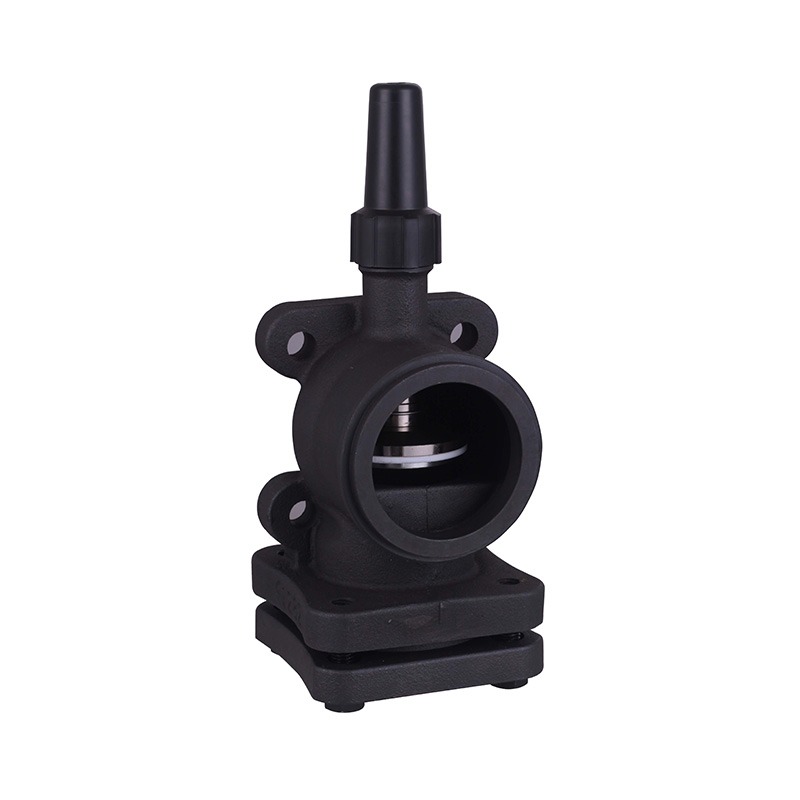 Compressor Refrigeration Cast Iron Shut-Off Vale
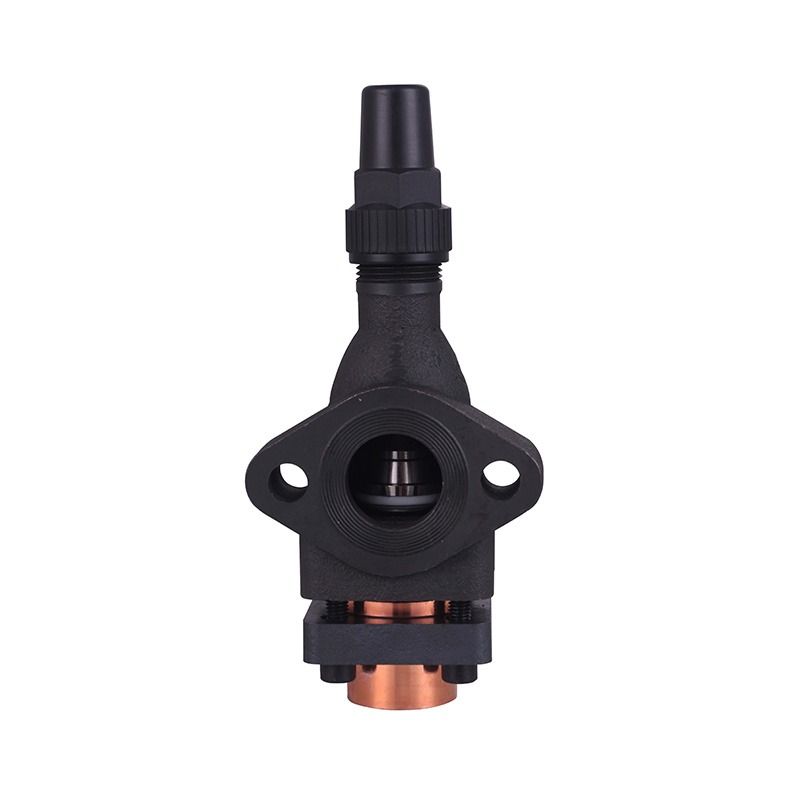 High Quality Refrigeration Cast Iron Shut-Off Vale
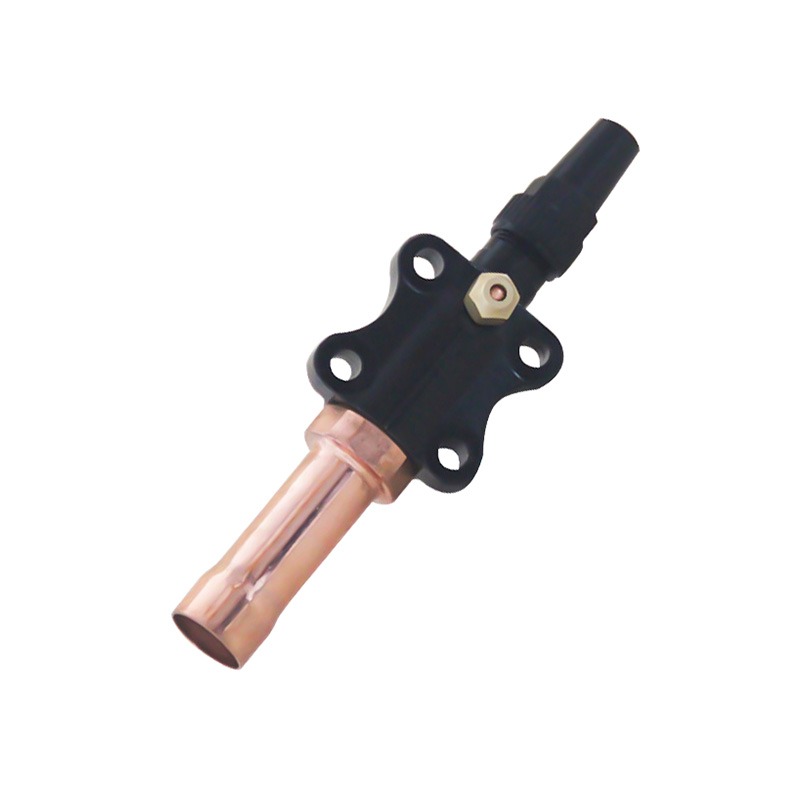 Compressor Refrigeration Copeland Brass Stop Valve
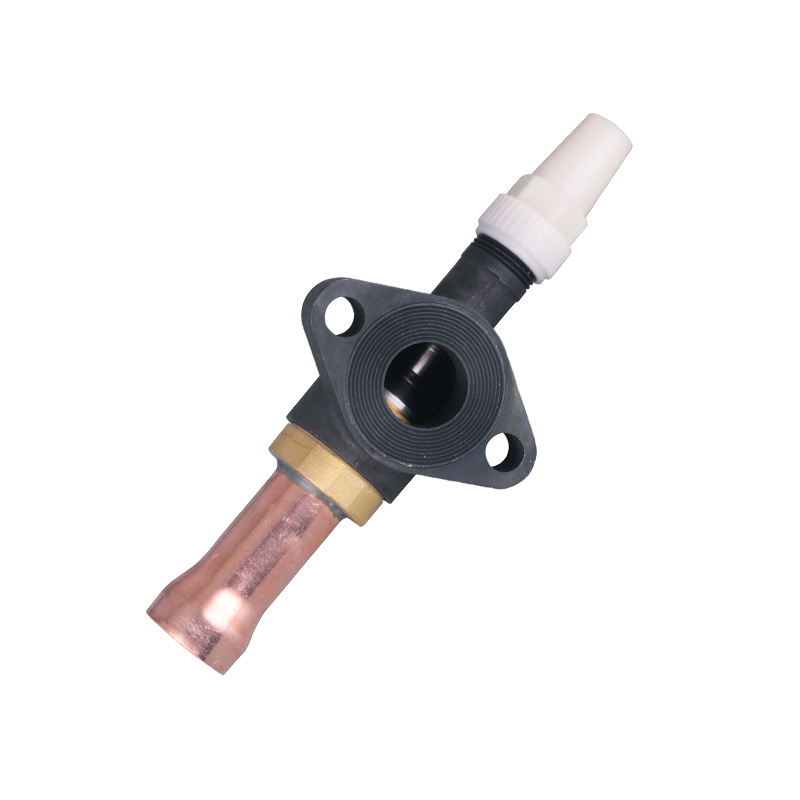 Refrigerant Copeland Brass Stop Valve
Refrigeration Compressor Copeland Brass Stop Valve
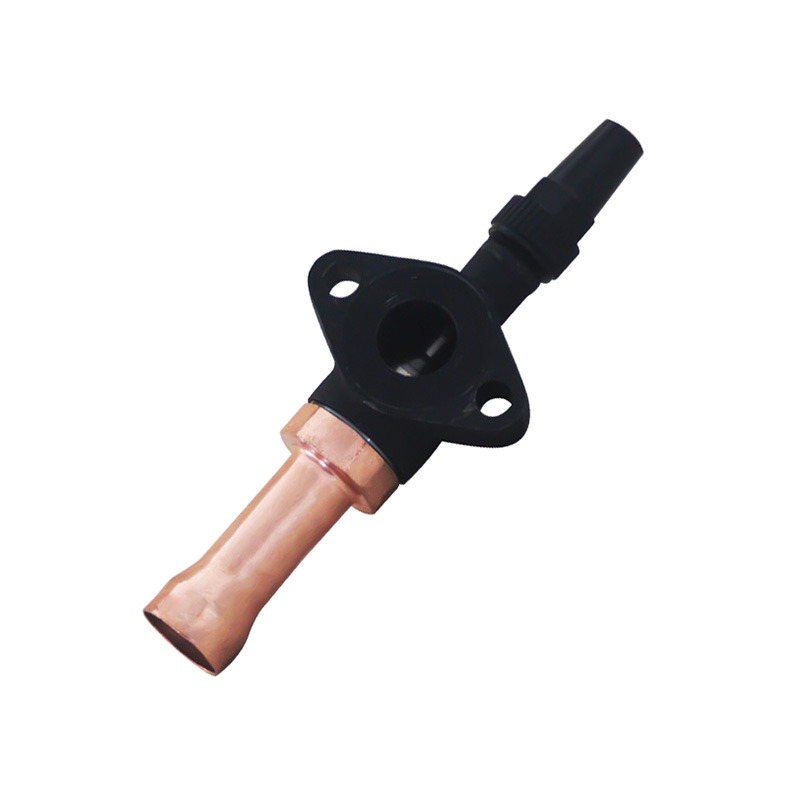 Refrigeration Copeland Brass Stop Valve
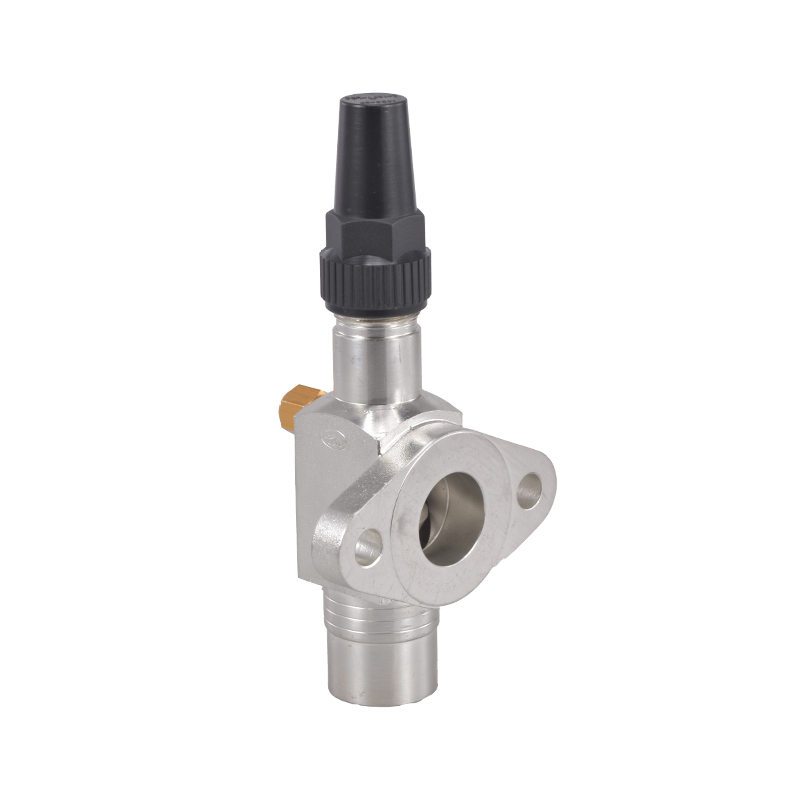 Compressor Refrigeration System Oval Flange
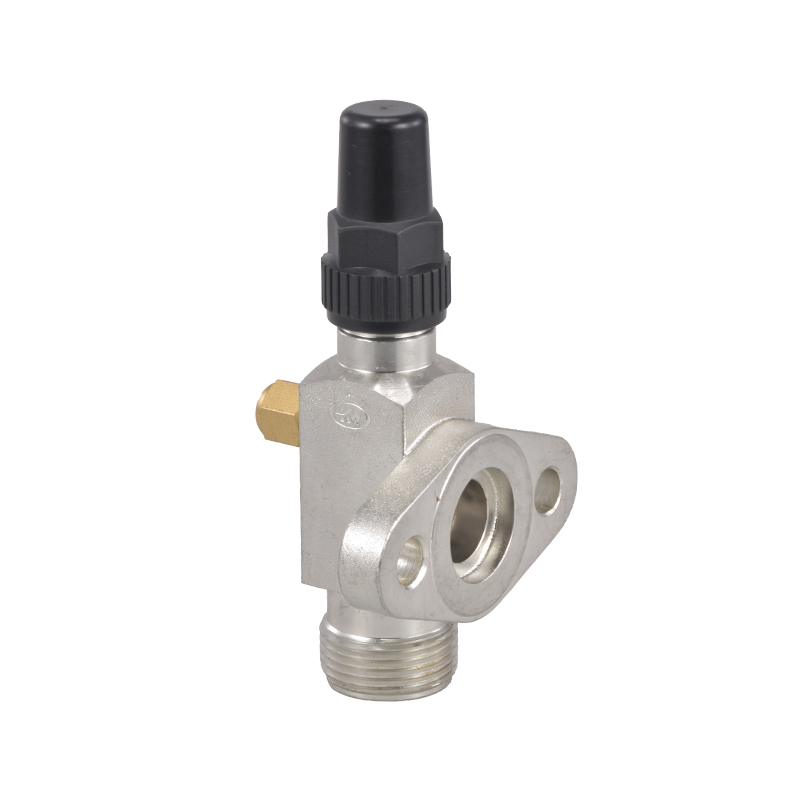 Refrigeration Valve with an Oval Flange




Wholesale Refrigeration Equipment Manufacturer