
 English
 русский
 Deutsch
Industry News
Home / News / Industry News / How Can Buyers Evaluate Welded Ball Valve Quality Before Bulk Purchasing?

 By Admin
When purchasing valves for refrigeration equipment, checking the product appearance and quoted price is rarely enough to establish whether a component is suitable for long-term use. Small differences in machining, sealing surfaces, assembly, and connection dimensions can affect product performance and installation compatibility. For overseas distributors, refrigeration equipment manufacturers, and engineering buyers, evaluating a Welded Ball Valve before placing a bulk order is an important step in reducing procurement risks. A structured inspection process also helps ensure that delivered products match the approved specifications.

A reliable purchasing evaluation should begin with clear technical information. Product catalogs may provide an overview, but buyers need specific details to determine whether a valve meets their application requirements.
Relevant documents may include dimensional drawings, material specifications, pressure and temperature ratings, connection details, and applicable test information. If the project requires compliance with a particular industry standard, the buyer should confirm the exact standard and its relevant requirements with the supplier.
Comparing suppliers using the same technical checklist makes it easier to identify differences between product configurations. It also reduces the risk of choosing a valve based on incomplete descriptions.
The machining quality of a ball valve affects how its components fit and operate together. Buyers should pay attention to the ball surface, stem connection, internal passage, and sealing contact areas.
Uneven machining, visible damage, or inconsistent surface finishing may indicate that further inspection is needed. Although appearance alone cannot confirm internal performance, it can help identify potential manufacturing issues before the product enters the equipment assembly process.
For manufacturers, maintaining clear machining requirements and inspection procedures helps connect component processing with final assembly quality.
Sealing is one of the most important considerations when evaluating a ball valve. The ball, seats, stem seals, and related components must work together to meet the specified leakage requirements.
Buyers should ask how the manufacturer verifies sealing performance and which test procedures are applied. The test method, medium, pressure, duration, and acceptance criteria should be consistent with the applicable product standard or agreed project specification.
It is also important to distinguish between different inspection requirements. A shell pressure test and a seat leakage test do not evaluate exactly the same performance characteristics. Confirming the inspection scope helps buyers understand what the test results actually demonstrate.
For welded valves, connection dimensions need to match the intended pipeline design. Differences in end diameter, wall thickness, alignment, or overall length may create difficulties during installation.
When reviewing samples, buyers can compare the actual dimensions against the approved drawing. Particular attention should be given to the welding ends and their consistency across multiple units.
Manufacturers should establish dimensional inspection points during production rather than relying only on a final visual check. This helps identify deviations before products are packed and shipped.
A ball valve should operate smoothly within its specified operating conditions. Buyers can examine handle movement, opening and closing positions, stem alignment, and the overall assembly condition during sample evaluation.
The operating torque should also be considered where it is relevant to the application. An unusually difficult or inconsistent operating feel may justify further investigation, although the assessment should follow the manufacturer's specified operating requirements.
For bulk purchasing, checking more than one sample can provide a better indication of assembly consistency than evaluating a single unit.
Before production begins, buyers and manufacturers should agree on the inspection scope and acceptance criteria. This is particularly important when an order contains several valve sizes or product configurations.
A practical inspection plan may cover:
Documenting these requirements gives both parties a common reference when reviewing production results and handling any identified deviations.
Product quality depends on coordinated work across machining, component sourcing, assembly, and inspection. For overseas buyers, a supplier should be able to explain the product specifications, clarify the inspection process, and communicate any changes that may affect the approved configuration.
When sourcing a Welded Ball Valve for refrigeration equipment, buyers should look beyond a competitive quotation and examine how the manufacturer controls product dimensions, sealing performance, assembly, and batch consistency. Clear technical documentation and an agreed inspection plan can make bulk procurement more predictable while helping ensure that the supplied valves meet the requirements of the intended refrigeration application.
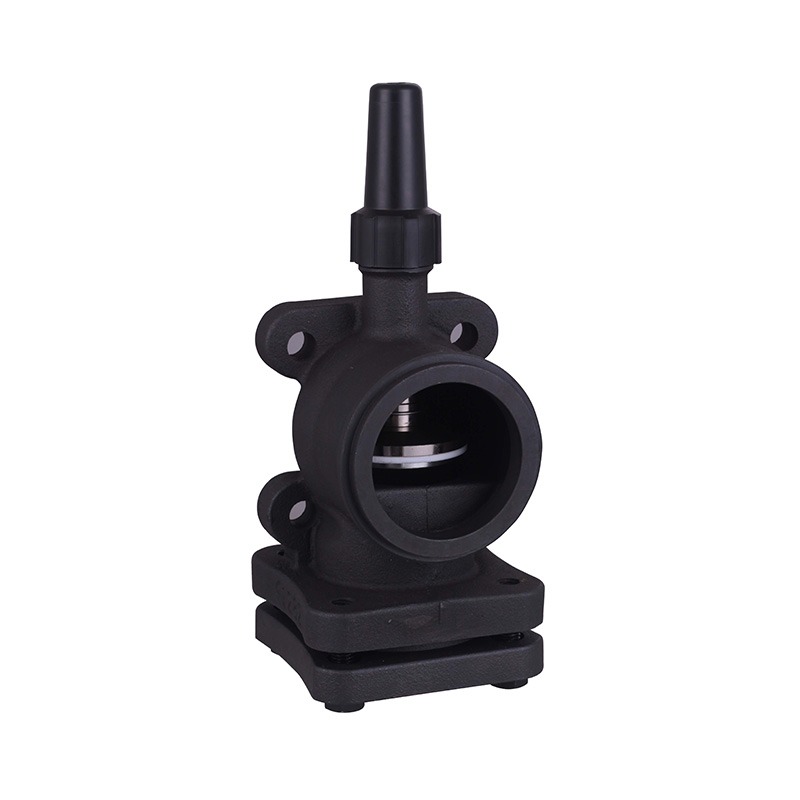 Compressor Refrigeration Cast Iron Shut-Off Vale
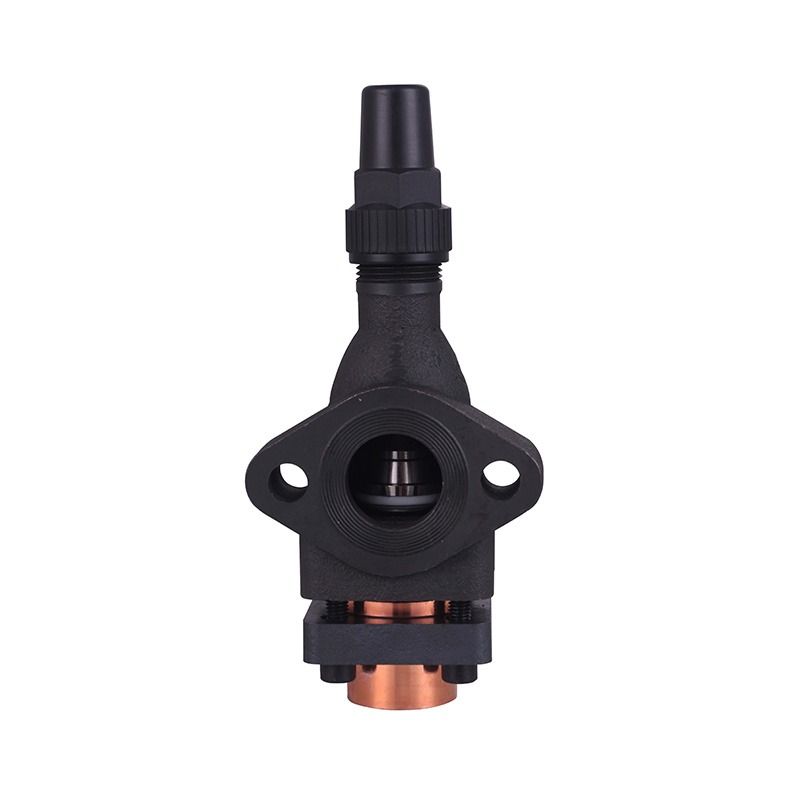 High Quality Refrigeration Cast Iron Shut-Off Vale
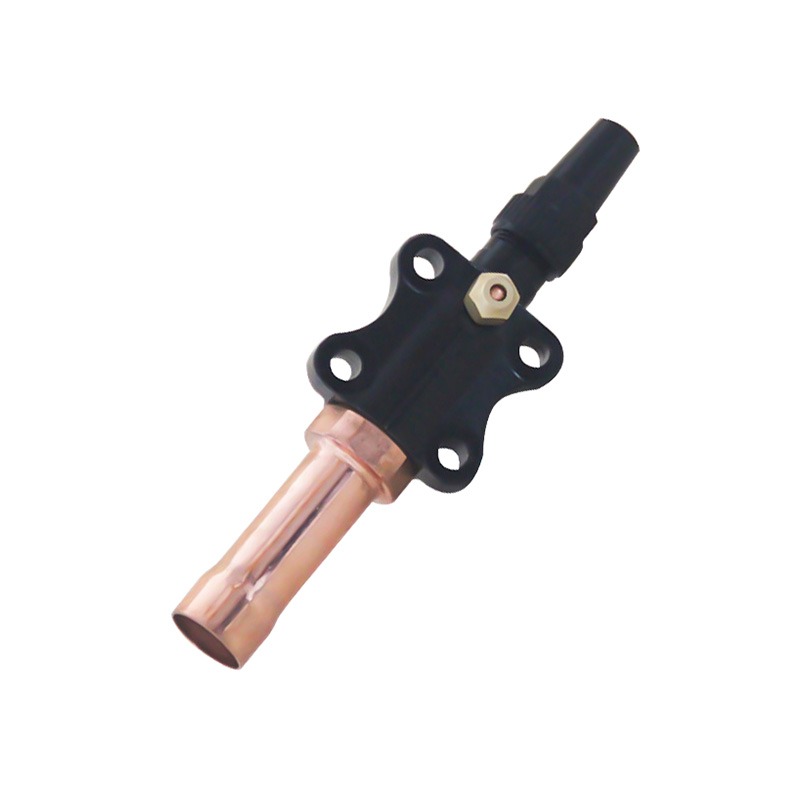 Compressor Refrigeration Copeland Brass Stop Valve
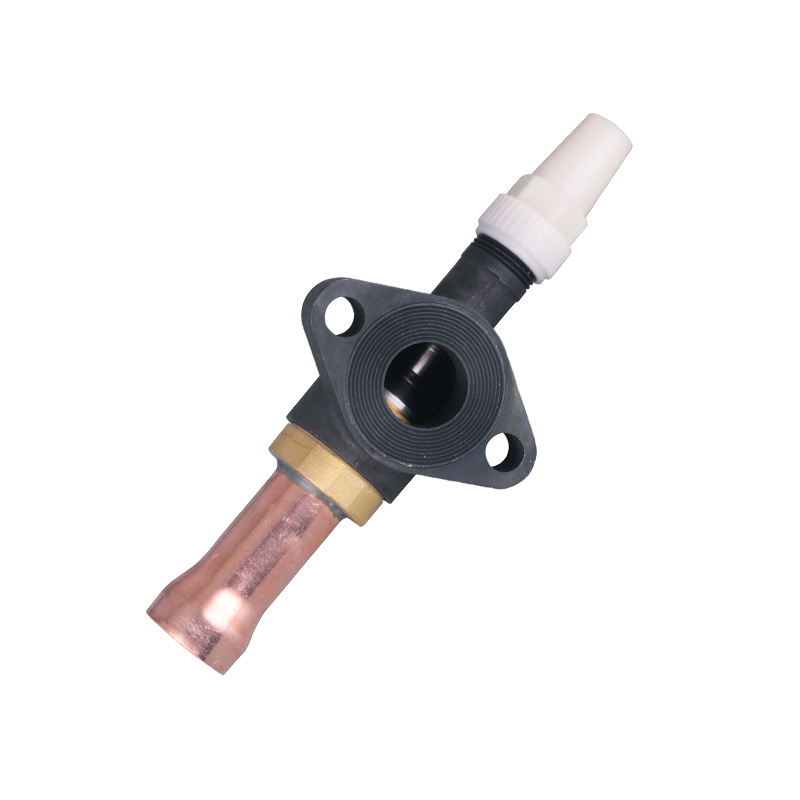 Refrigerant Copeland Brass Stop Valve
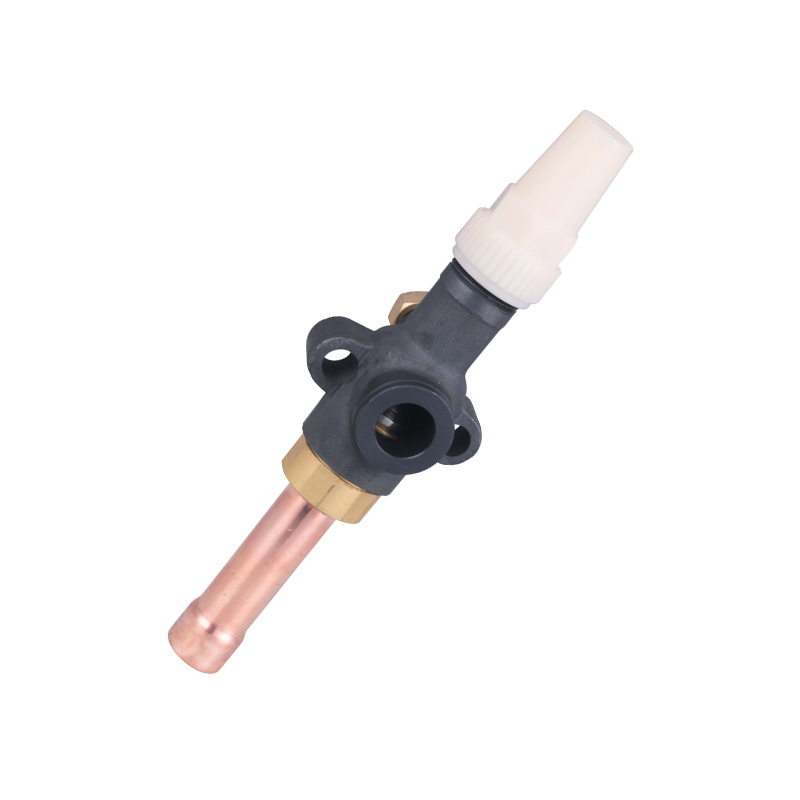 Refrigeration Compressor Copeland Brass Stop Valve
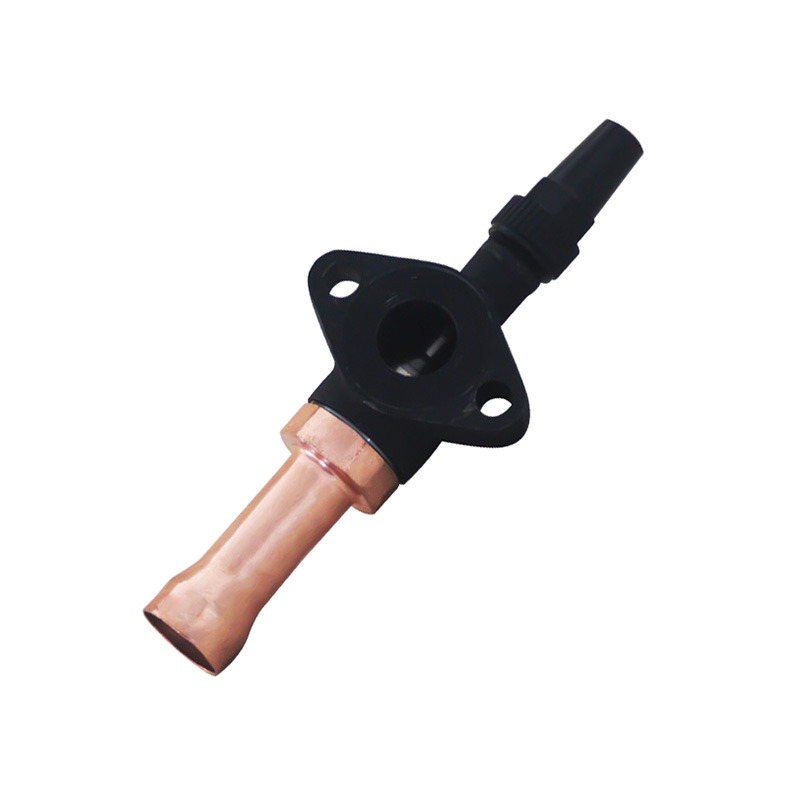 Refrigeration Copeland Brass Stop Valve
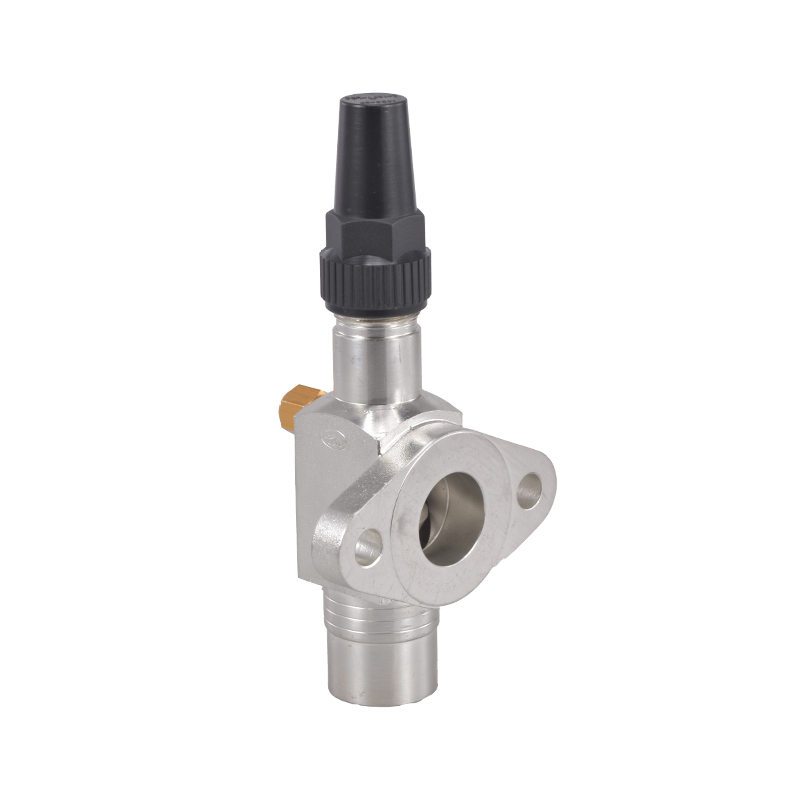 Compressor Refrigeration System Oval Flange
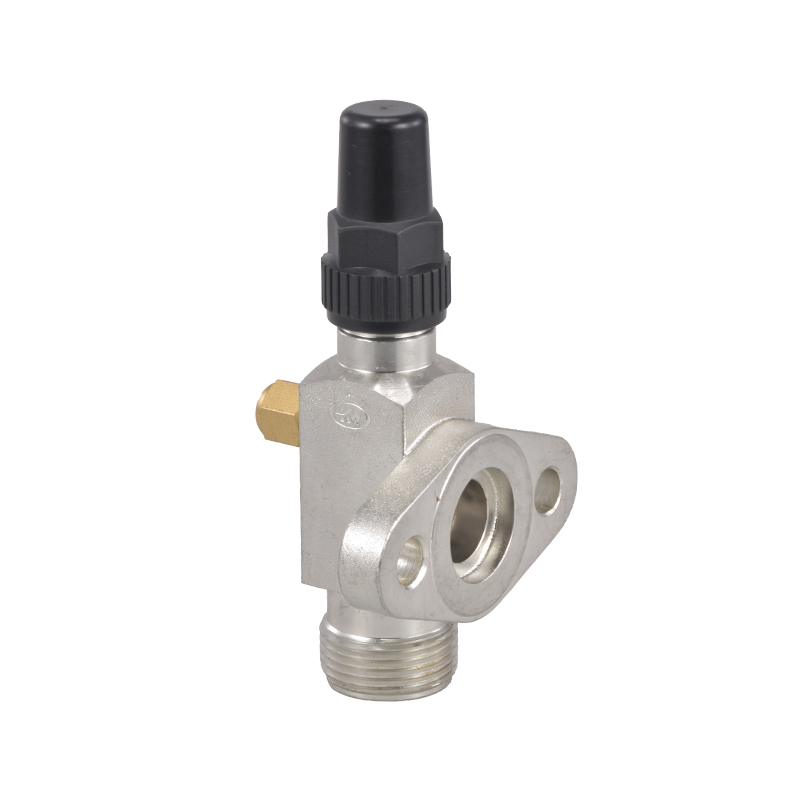 Refrigeration Valve with an Oval Flange




Wholesale Refrigeration Equipment Manufacturer